The world could be heading toward another wave of food inflation as conflicts in Iran and Ukraine, combined with the effects of El Nino, drive up production costs and threaten agricultural output, according to the chief economist of the United Nations Food and Agriculture Organization (FAO).
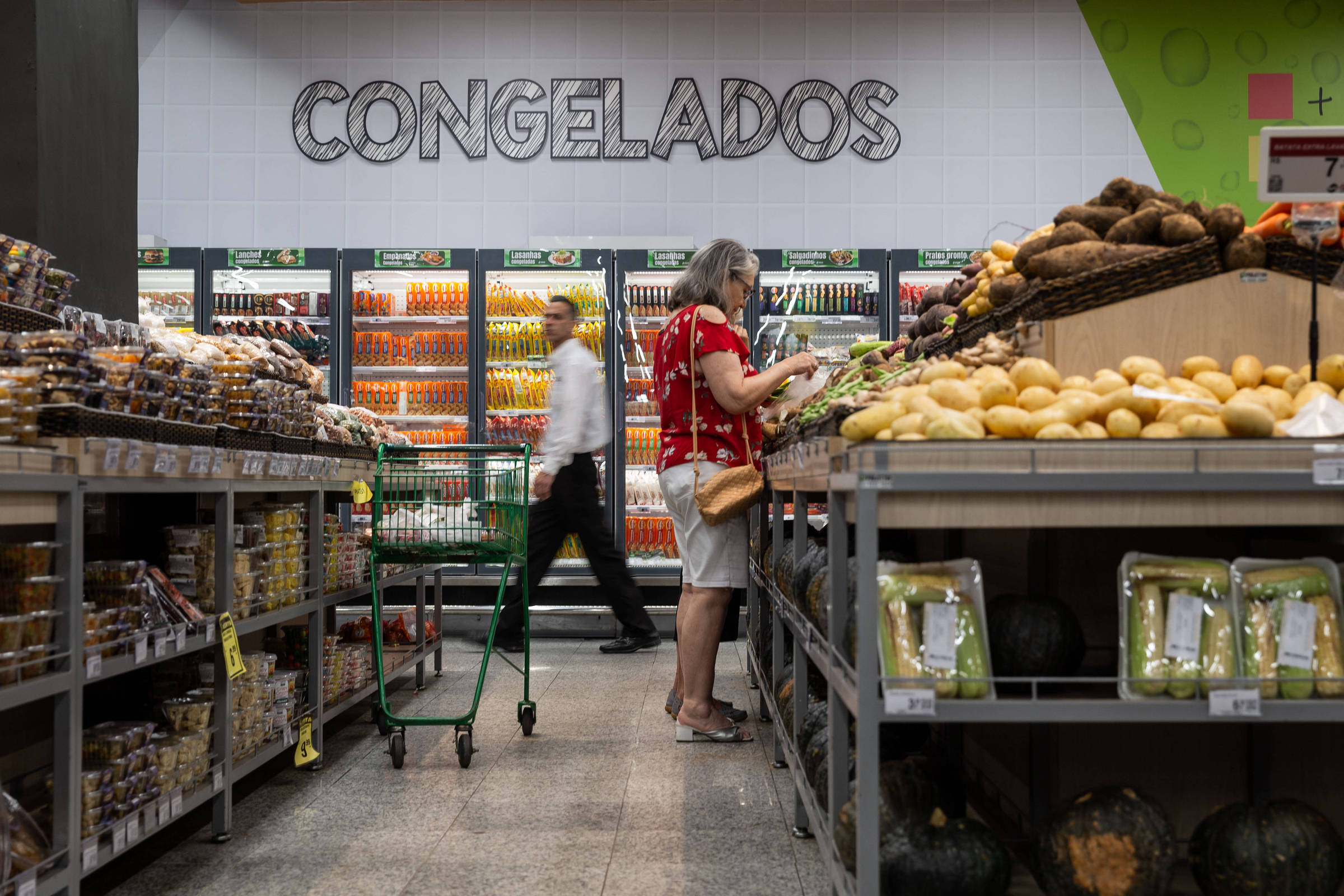
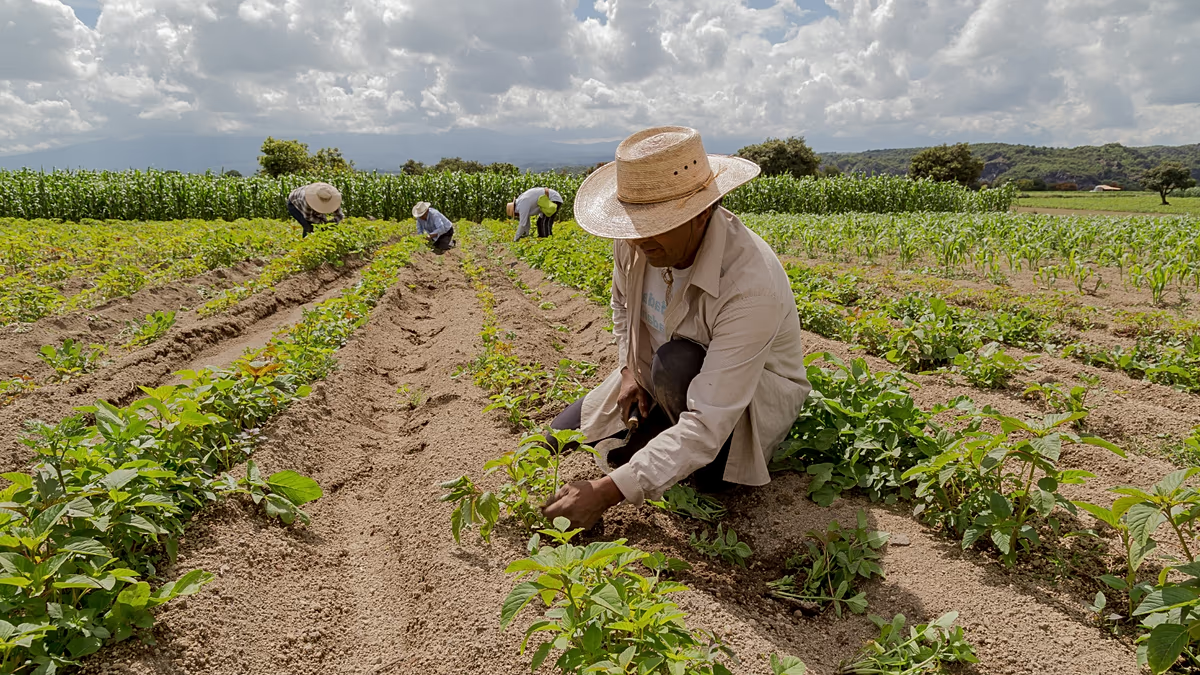
Food prices fueled the global inflation surge in 2022, but they have remained relatively stable this year, helping offset the impact of rising energy costs in some regions. However, FAO Chief Economist Maximo Torero warned that this period of stability is unlikely to last as higher oil prices, fertilizer shortages, diesel supply disruptions, and extreme weather increasingly affect food production costs.
"I expect that commodity prices will start to increase more now... and food prices will start increasing by the end of the year, and next year for sure they will increase more," Torero said in an interview. He noted that it typically takes between three and six months for higher commodity prices to be reflected in retail food prices.
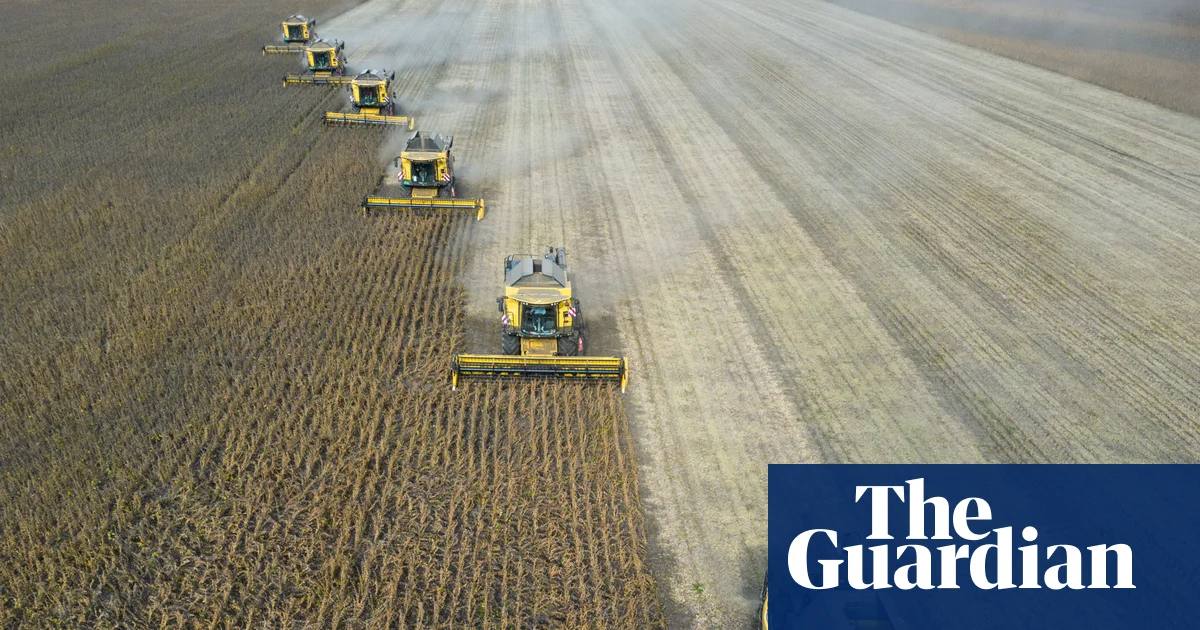
Although wheat, corn, and rice prices have risen in recent months, Torero said current prices still largely reflect favorable harvests rather than the challenges expected in the next growing season.