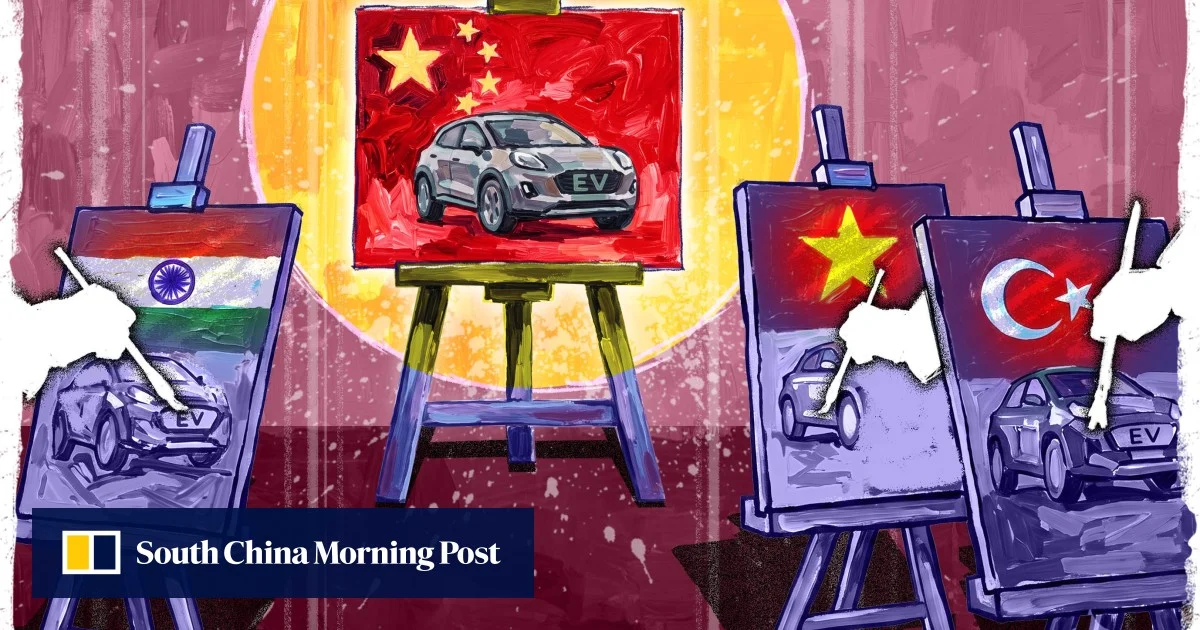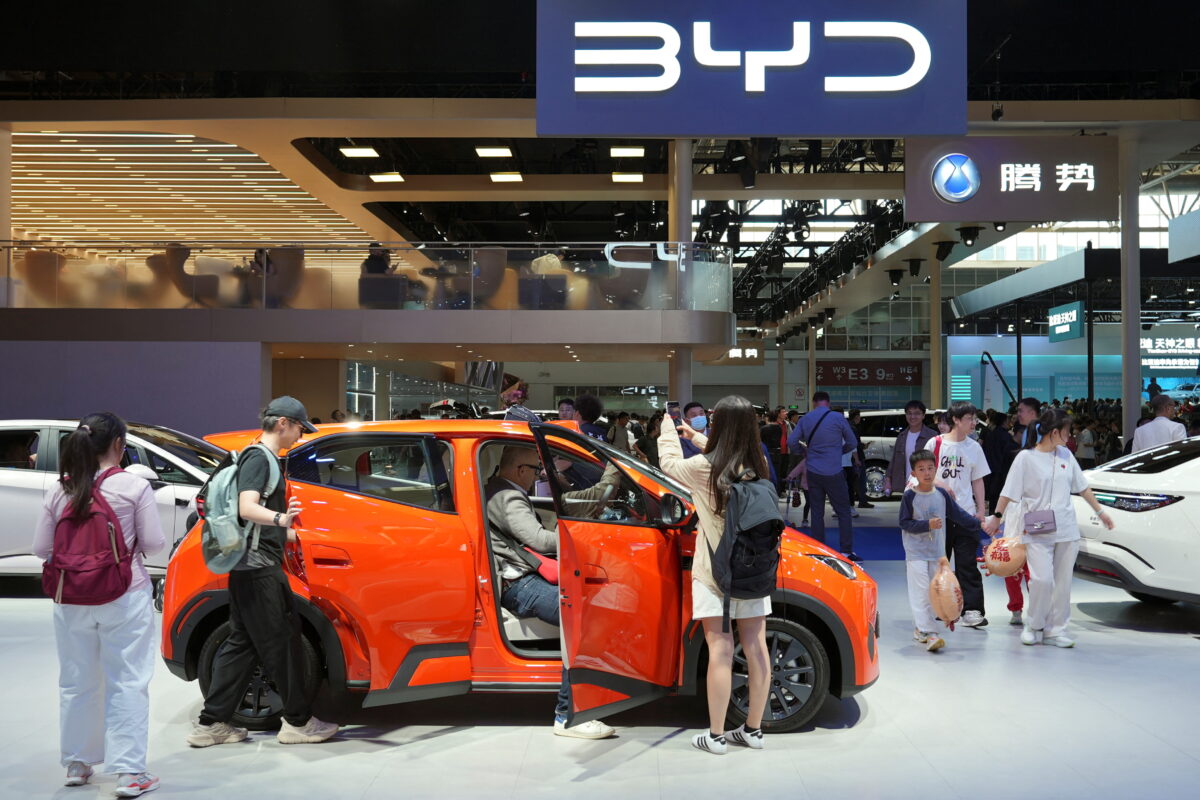
China’s emergence as the world’s leading producer of electric vehicles (EVs) is often attributed to a powerful, interventionist state. But this explanation treats the Chinese government as a single actor and understates the importance of competition, private finance and institutional experimentation.
China’s EV success is better understood as the outcome of interactions among three forces — competing central government agencies, development-oriented local governments and capital markets. This configuration encouraged technological experimentation and enabled private companies to challenge established state-owned and multinational automakers. But it also produced overinvestment, duplicated capacity and increasingly intense competition.
At the national level, industrial policy was neither entirely unified nor consistently directed towards a predetermined technological winner. Ministries competed over regulatory authority, policy resources and preferred technological pathways. This fragmentation sometimes created openings for peripheral businesses such as automakers Chery and Geely, policy entrepreneurs and technical experts to influence policy. Over time, central support for new energy vehicles became more adaptive and technologically inclusive.