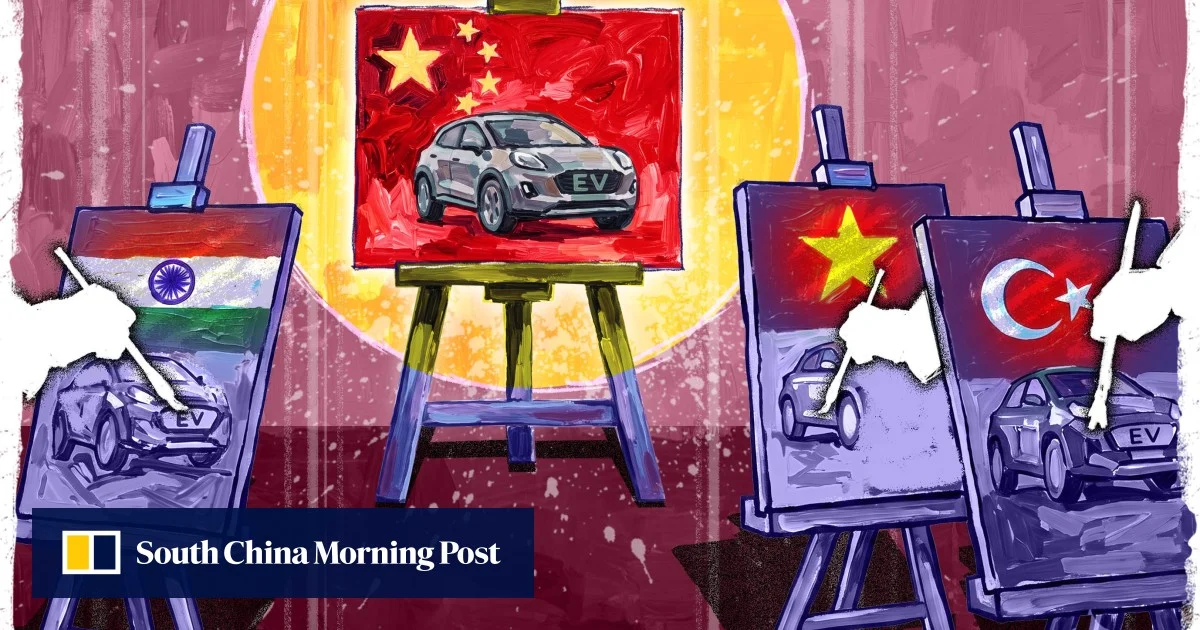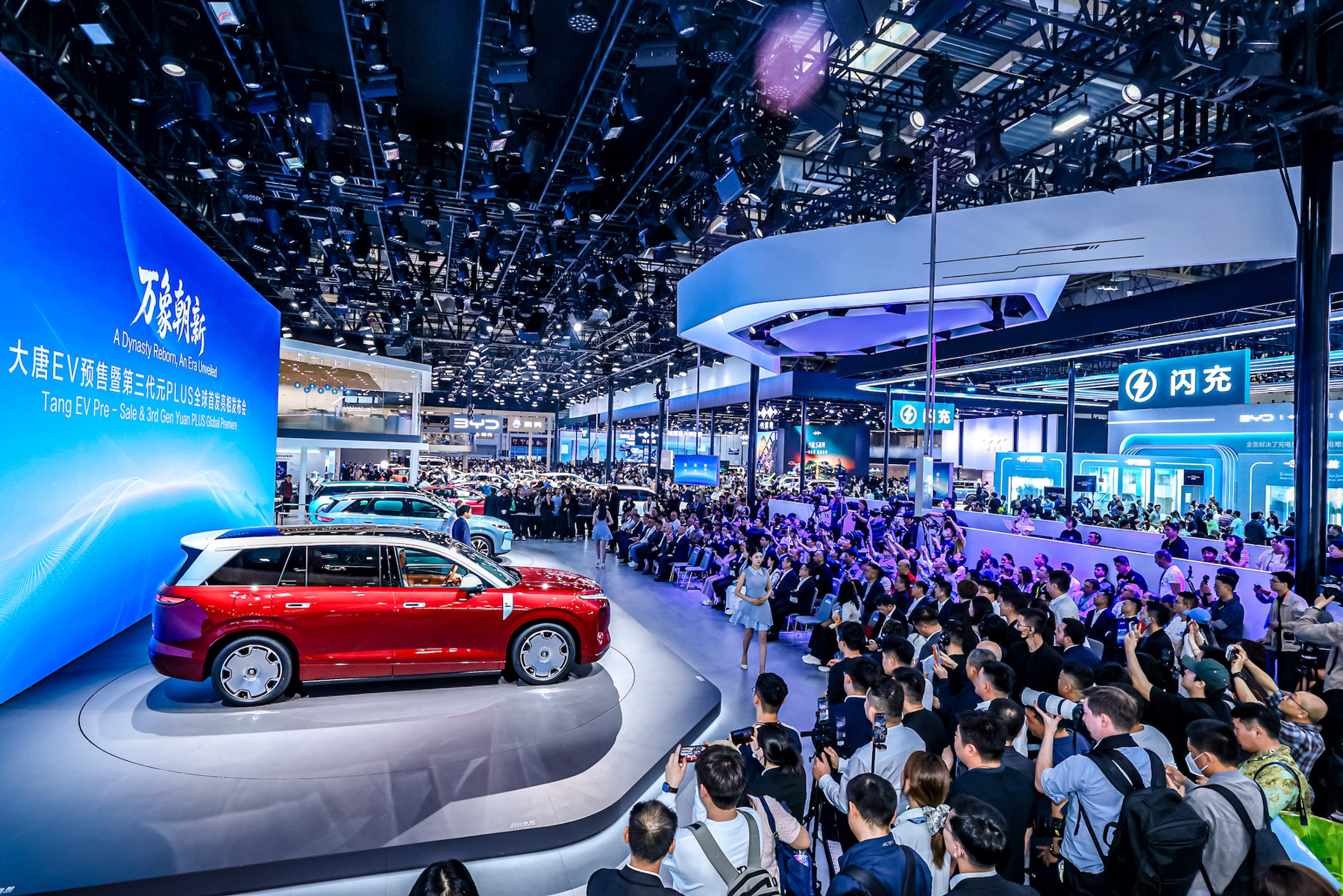
If producing electric vehicles (EVs) were an Olympic sport, China would dominate the medal podium. China now leads the world in the sale and export of EVs, a term encompassing everything from battery-powered cars to plug-in hybrids. Chinese companies also produce the lion's share of the rechargeable batteries that keep EVs running.
Between 2009 and 2022, the Chinese government dished out more than A$41 billion in subsidies and tax benefits to boost the production of electric cars, taxis and buses.
But subsidies alone can't explain the meteoric rise of China's EV industry. Over two decades, Beijing has built a manufacturing sector that fosters domestic competition, rapid production and company-level innovation.
The rise of Chinese EVs
By producing more EVs, China aims to reduce its reliance on imported oil from countries such as Iran, Russia and Venezuela. It also hopes to leapfrog countries that historically have dominated the global car manufacturing industry, including Germany, Japan and the U.S. In September 2020, the Chinese government folded these objectives into a national decarbonization strategy.