When Western policymakers discuss China’s dominance in electric vehicle batteries, the focus typically falls on Beijing: its industrial policy, state subsidies, and national strategic planning. Yet this emphasis obscures the role of local governments in cultivating industrial ecosystems and the symbiotic relationship between development zones and globally competitive firms.
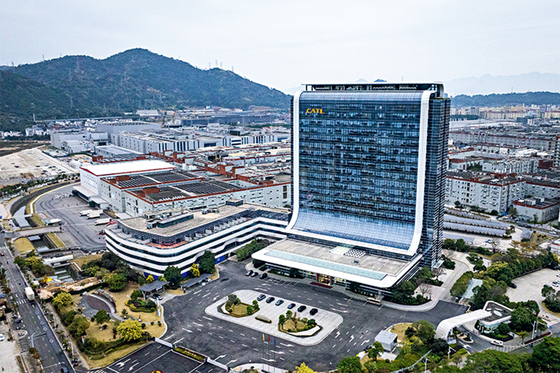
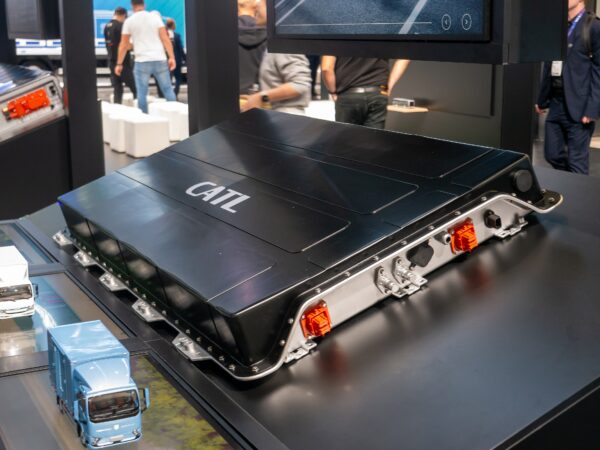
Few cases illustrate this dynamic better than Ningde’s Dongqiao Economic and Technological Development Zone. Fujian’s local authorities helped create an attractive environment for CATL to establish and expand its operations in Ningde. As CATL grew into the world’s leading EV battery manufacturer, its presence in turn attracted suppliers, research institutions, skilled labor, and supporting industries to Dongqiao, transforming the zone into one of the world’s most significant battery clusters.
This was not a one-way relationship: Dongqiao enabled CATL’s rise, while CATL elevated Dongqiao into a globally competitive manufacturing hub.
Understanding this relationship is essential for explaining CATL’s competitiveness. The company’s success cannot be reduced to subsidies alone. Rather, it reflects the advantages of industrial agglomeration, local state capacity, and sustained technological innovation. Research on industrial clusters has long shown that firms embedded in dense networks of suppliers, talent, and knowledge institutions gain productivity and innovation advantages that are difficult to replicate elsewhere. Ningde’s battery ecosystem suggests that China’s industrial strength may be rooted not only in national policy, but also in the local institutions and regional clusters that translate policy into competitive advantage.