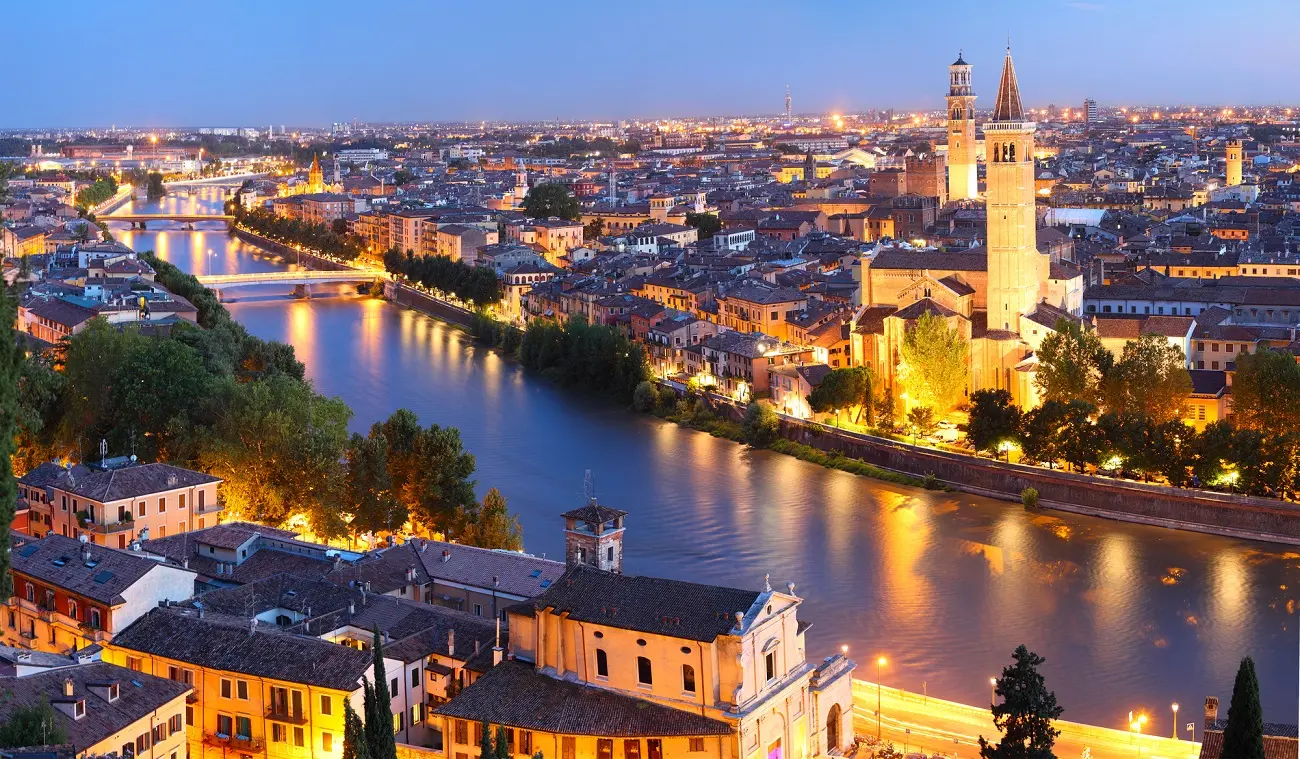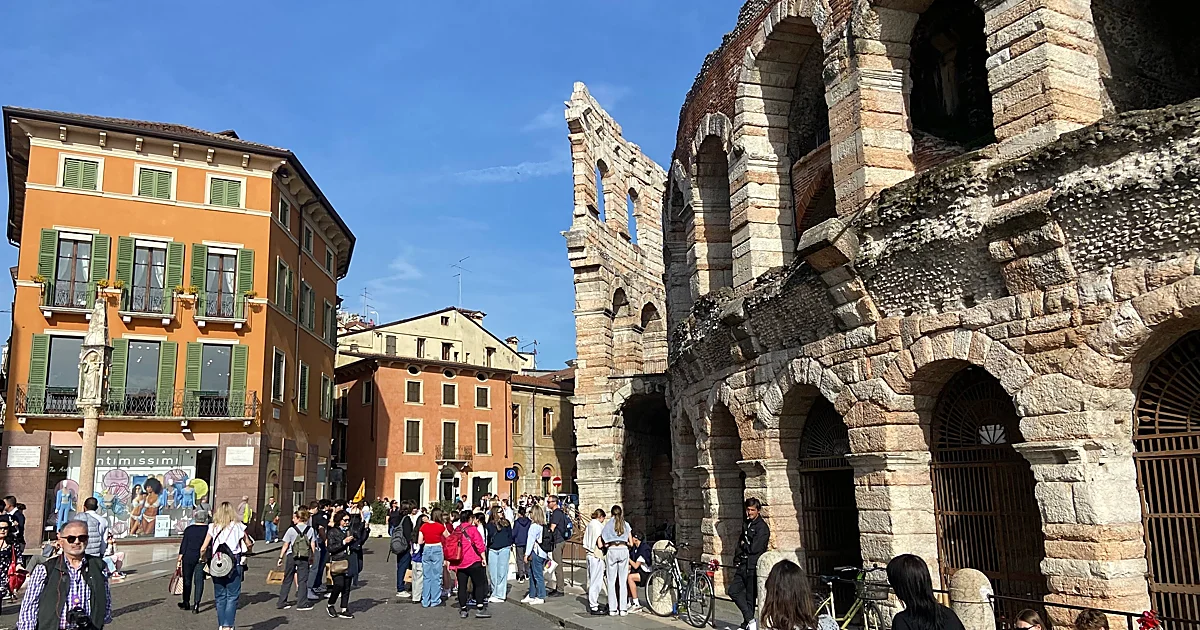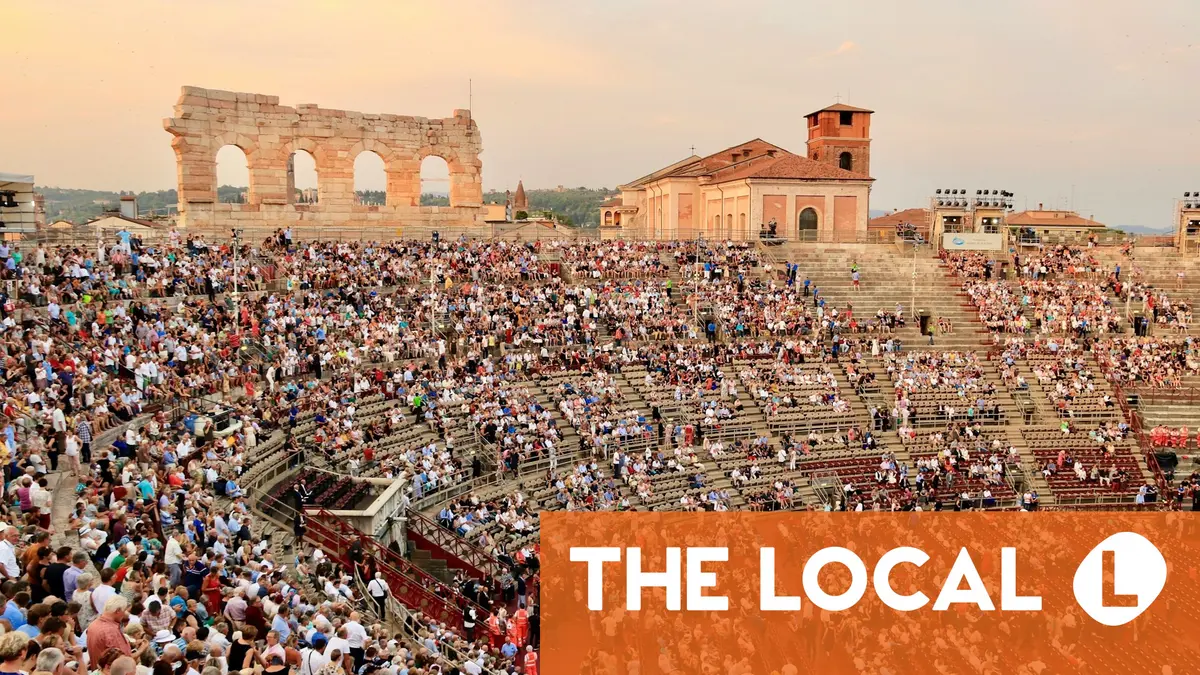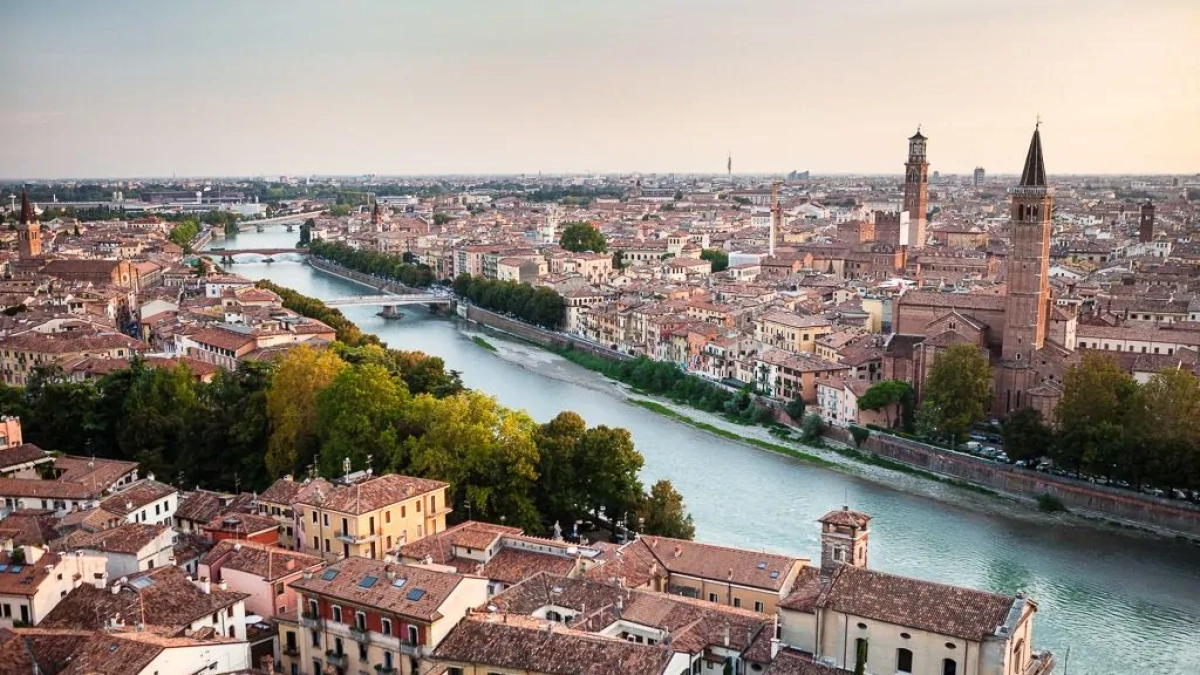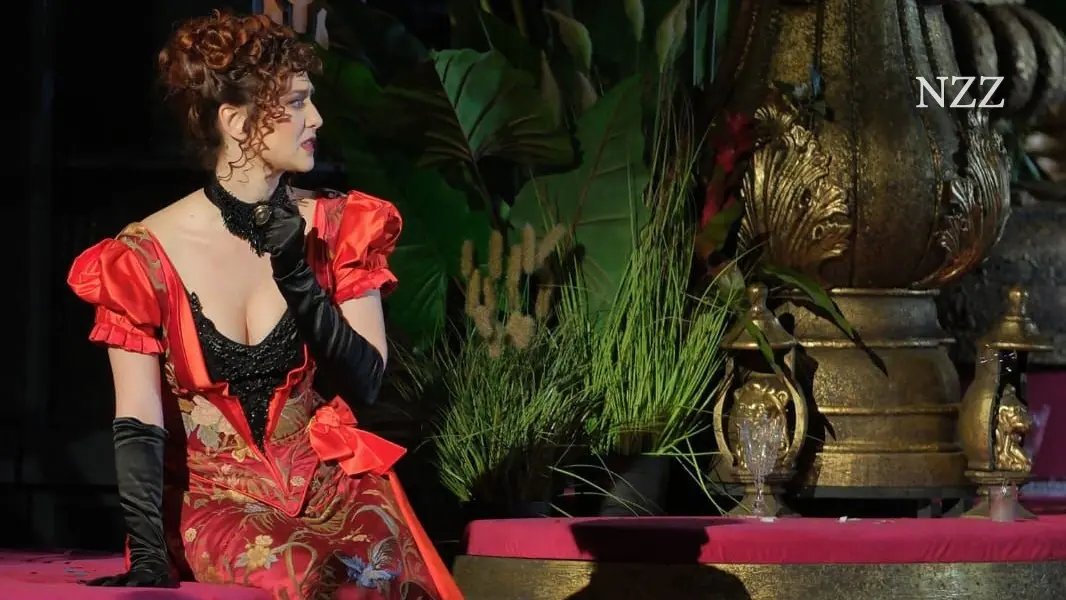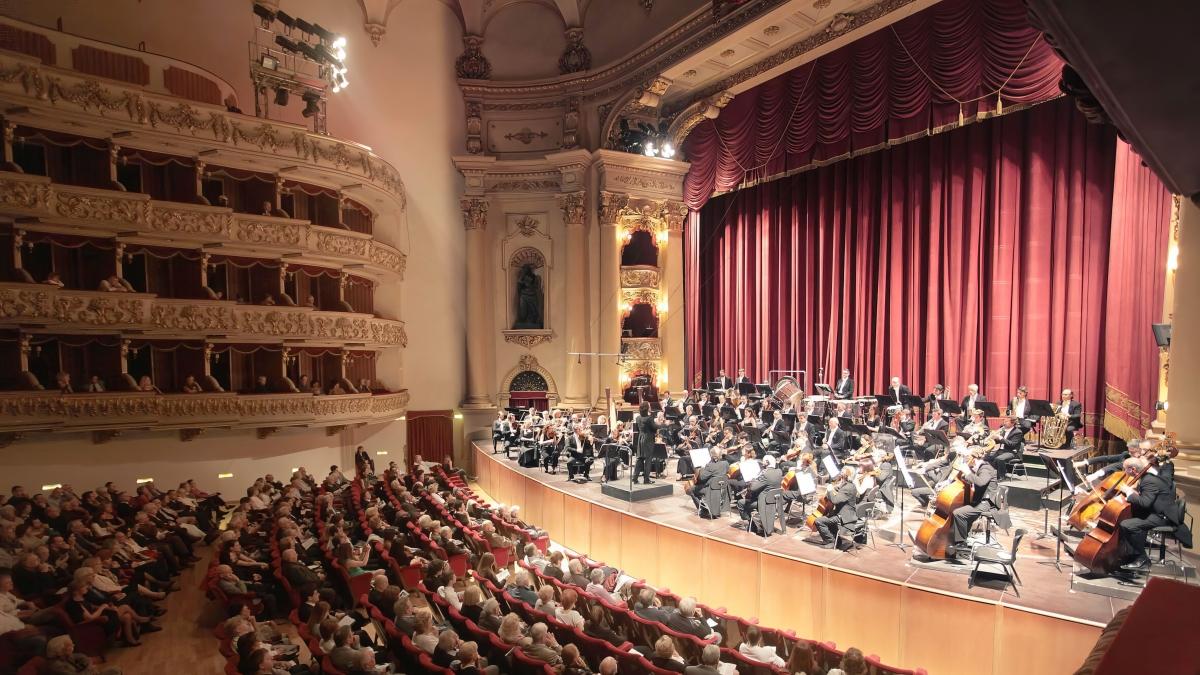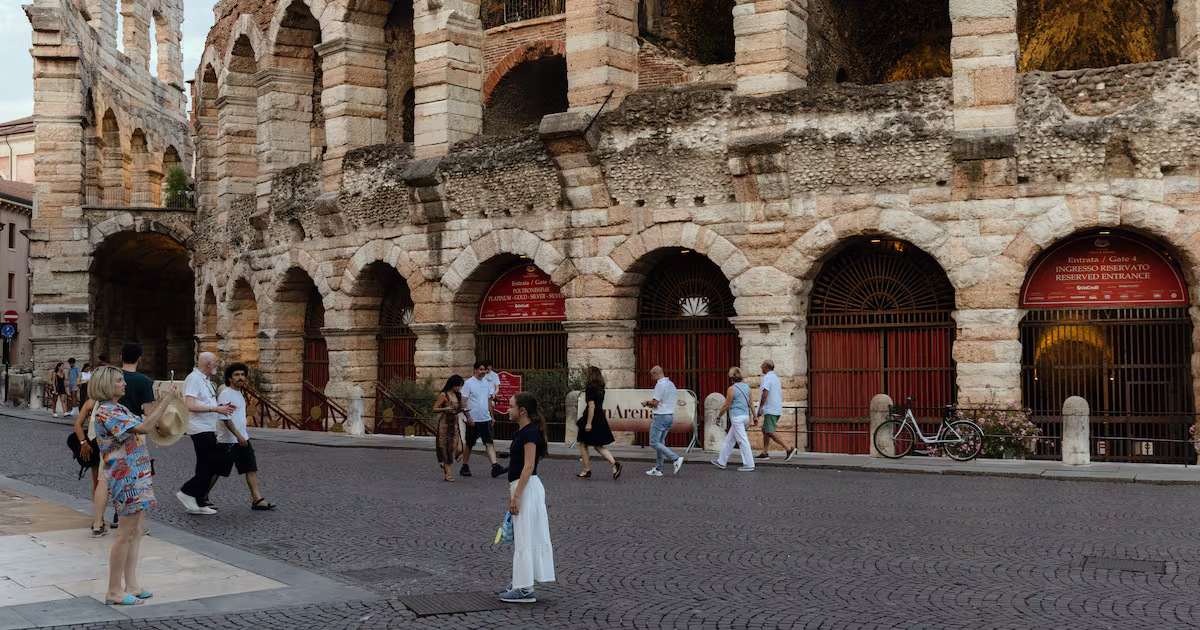
The city in northern Italy offers pleasures for music and history buffs alikeThe Roman amphitheater Arena di Verona, where Verona’s opera festival is held. Photograph: Matteo de Mayda/The New York Times Mon Aug 24 2026 - 05:00 • 5 MIN READIt may be known for Romeo and Juliet and their now beleaguered balcony, but the ancient city of Verona, which lies on the powerful, fast-moving Adige river, has so much to offer and is far less crowded than Venice. We arrived there recently to see Verdi’s La traviata during the city’s annual opera season, which runs from June until September, featuring five operas, two ballets and eight symphonic programmes. Staged in the Arena, a Roman amphitheatre which is older than Rome’s Colosseum, it seats 15,000 and is where Maria Callas made her debut in 1947. More recently, it hosted the closing ceremony for the Winter Olympics and the opening ceremony for the 2026 Winter Paralympics.It still bears traces of its gladiatorial past. Our guide Katia Galvetto points out the remains of an exterior defensive curtain wall and the entrance Porta Triumphalis used by the gladiators. Wet sand was spread on the ground of the ring to absorb the blood spilt during those gladiatorial contests, she explains. Trump’s cage-fighting UFC $60 million showpiece, a modern version of gladiatorial violent sport, comes to mind.Roman remains are everywhere. On one of the city’s main shopping streets between Via Pellicciai and Via Mazzini, Galvetto explains that if you went downstairs in Cos or Benetton, you would find Roman mosaics below. In the famous central Piazza Erbe, below a bar, the original stone structure of the Roman forum can be seen. Elsewhere in front of Intimissimi, an Italian lingerie brand, a brass plaque on the ground with the words Il Ghetto indicates the Jewish area of the city, with the 19th century synagogue nearby. In the square, a spectacular monument of a woman holding a sword commemorates one of the first civilian bombings in November 1915, when Austrian planes dropped bombs on the Piazza.The tour takes us to the city’s famous Capitular Library, considered the oldest library in the world, with origins back to the fifth century. Originally a scriptorium, it is stacked floor to ceiling with books, more than 100,000 of them, with adjoining frescoed rooms displaying some of the earliest manuscripts. In January 1945 a bomb from an Allied air raid exploded in the centre of the building with terrible destructive effect, though the most precious items were laboriously rescued. A piece of shrapnel lodged in a book with other damaged volumes brings home vividly the effect of the damage. There are surprises at every turn. One afternoon we decide, on the advice of friends, to visit the Giusti Gardens, which involves a long tree-lined walk on the other side of the river, worth it when we get our first glimpse of this wonderful Renaissance masterpiece.The Giusti Gardens is one of the best preserved examples of Renaissance gardens in Verona, Italy. Photograph: Getty Images/iStockphoto With formal avenues of cypress trees and statuary, it has pergolas, an 18th century maze, caper shrubs, a belvedere and, on the highest point, captivating views over the city. Mozart, Ruskin and Goethe were some of its many famous visitors. The Giusti family, who moved here from Tuscany in the 15th century, made their fortune from wool and the area was used for 200 years to boil wool in colossal cauldrons and then hang it dry.Another rags-to-riches family who left an imprint all over the city were the Della Scalas, who ruled the roost for over 100 years, spanning five generations from the late 13th century. Their tombs in the city centre really catch the eye – extraordinarily ornate Gothic shrines adjoining the church of Santa Maria Antica, one of the city’s many incredibly beautiful churches. On Sundays, the sound of church bells resounds all over the city. In another magnificent one, we see the priests taking their place in the Confession boxes and hastily leave when we realise we are in the wrong pew.The next day, we depart for the renowned Masi Winery (famous for Amarone) in the rolling Veneto countryside. This new circular white marble building called Monteleone 21 opened recently and is architecturally quite spectacular. Designed by the architect Giovanna Mar from a predominantly female practice in Verona, it houses a breathtaking visitor centre, winery and historic cellar. The entrance descends into a circular plaza with an extensive wine shop and tasting area. The cellars are stacked high with oak barrels, one colossal one holding 50,000 litres of wine. The tasting consists of three wines: a Franciacorta sparkling wine, a Soave and an Amarone paired with cold cuts and cheeses.The historic centre of Verona, Italy, and the Ponte Pietra bridge crossing the river Adige. Photograph: Kirk Fisher There are other memorable encounters with food and wine during the visit; a few to mention include a bar with great cocktails near the Giusti Gardens on the Via Carducci called Mona run by Giulio, a Milanese, serving unforgettable negronis. Beside it is a garden restaurant Osteria Perbocco where a young chef Luca Antonelli creates innovative dishes like venison with strawberries and nettles (yes, nettles).Elsewhere, great pasta can be found at La Bottega della Gina on via Abramo Massalongo near the beautiful church of San Giorgetto o San Pietro. Ice-cream fans will be enchanted by the Gelateria La Romana, founded in 1947 and still making irresistible gelatos for children and adults alike.For more formal dining, however, nothing beats Ristorante Maffei in Piazza delle Erbe in the heart of Verona, in a magnificent former cardinal’s palace constructed over Roman foundations with one of the city’s most well-stocked wine cellars. Run by the Gambaretto family since 1997, it highlights local produce – a signature dish is beef cheeks in Amarone – and it also offers a romantic Romeo and Juliet table overlooking the excavations. Verdi’s La traviata. Photograph: Ennevi Foto On the other hand, an unpretentious, inexpensive and historic little cafe bar, Caffe Monte Baldo on the Via Rosa not far from the Cathedral, provides delicious Veronese specialities such as risotto all’Amarone with regional wines. There is also the Trattoria Fluviale Vecio Mulin, known for its seafood, with river views. The weekend’s highlight is the experience of a new production of Verdi’s La traviata directed with flamboyance by Scottish opera director Paul Curran in the Arena, with soprano Gilda Fiume in the leading role and bringing the Moulin Rouge to Verona for the first time. Whatever about the larger-than-life elephant prop on stage left, it is magical to hear opera in such an open-air space with singers and orchestra in no need of amplification. www.arena.itIN THIS SECTION
A visit to Verona during opera season: a city rich in treasures
The city in northern Italy offers pleasures for music and history buffs alike
1,116 words~5 min read