Story audio is generated using AI
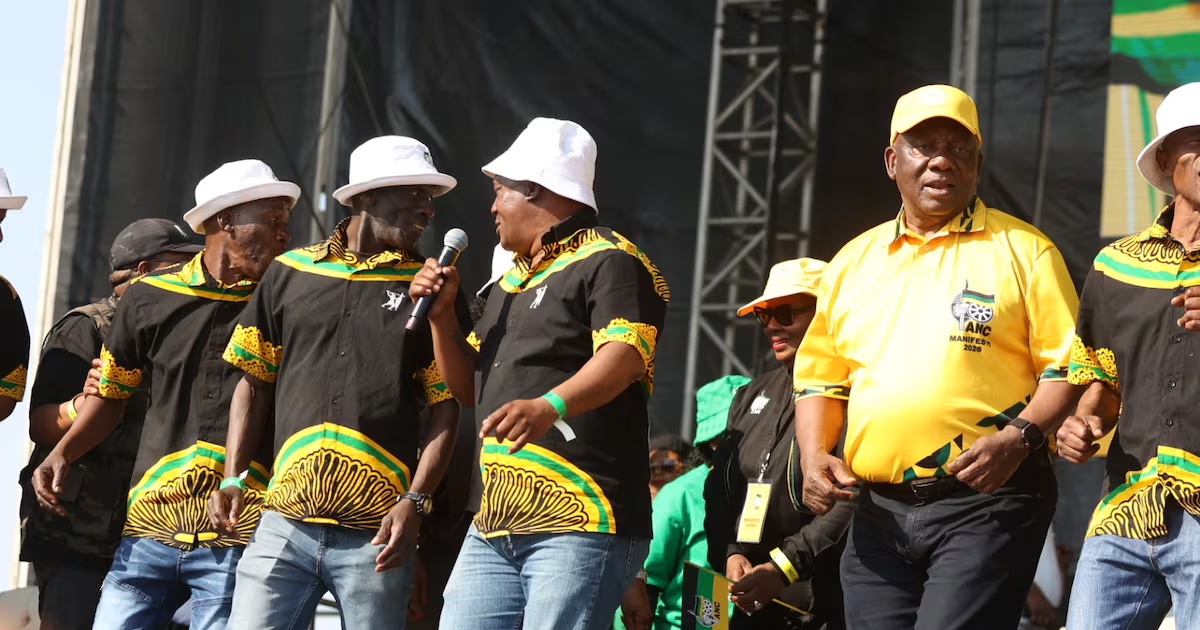
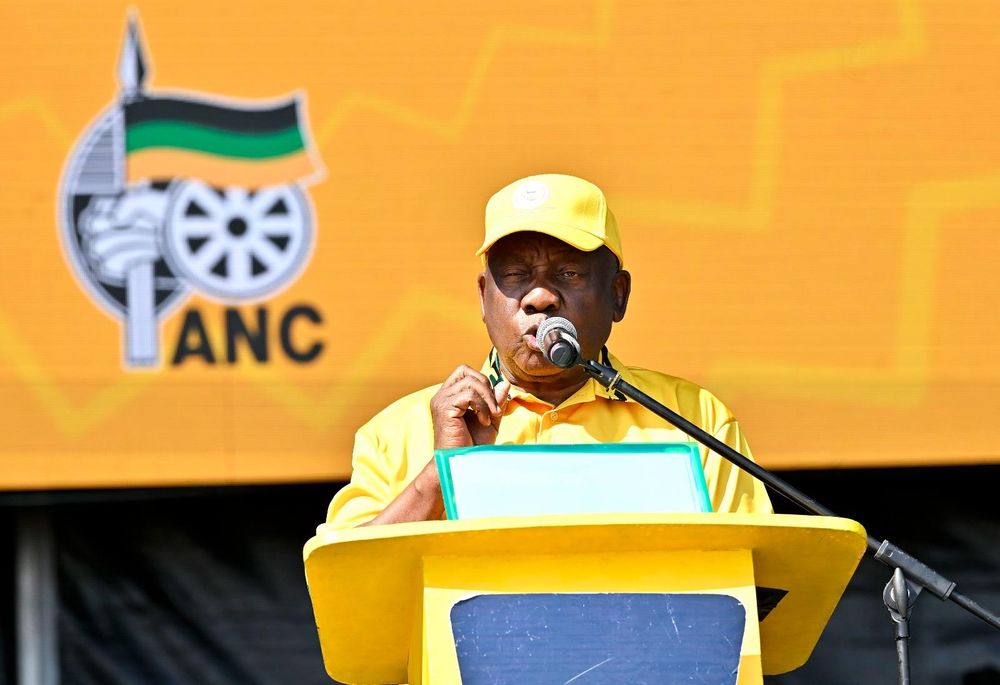
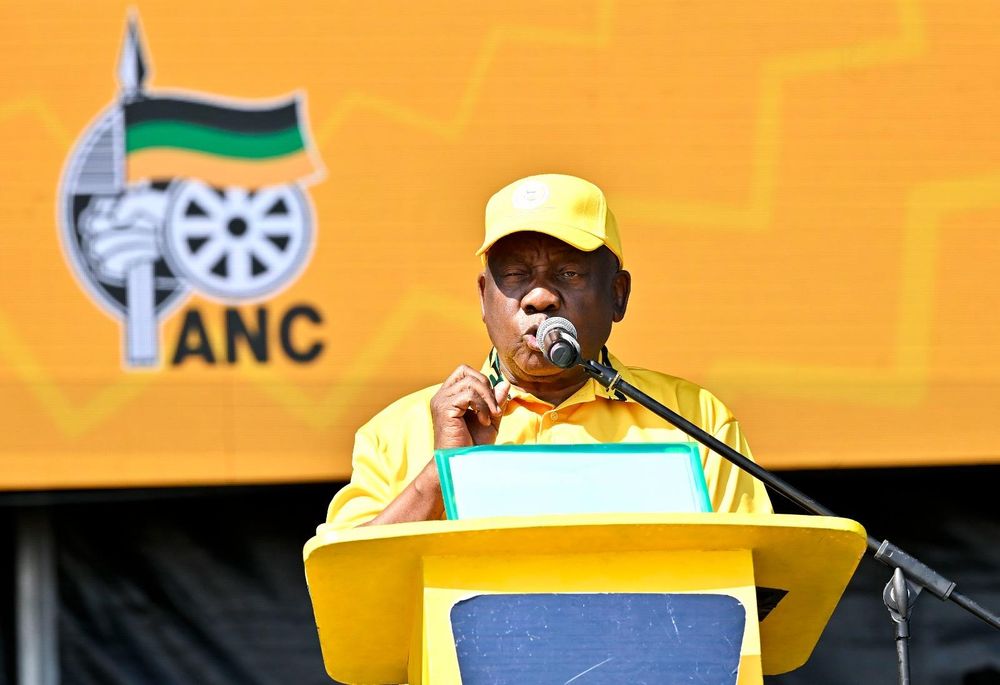
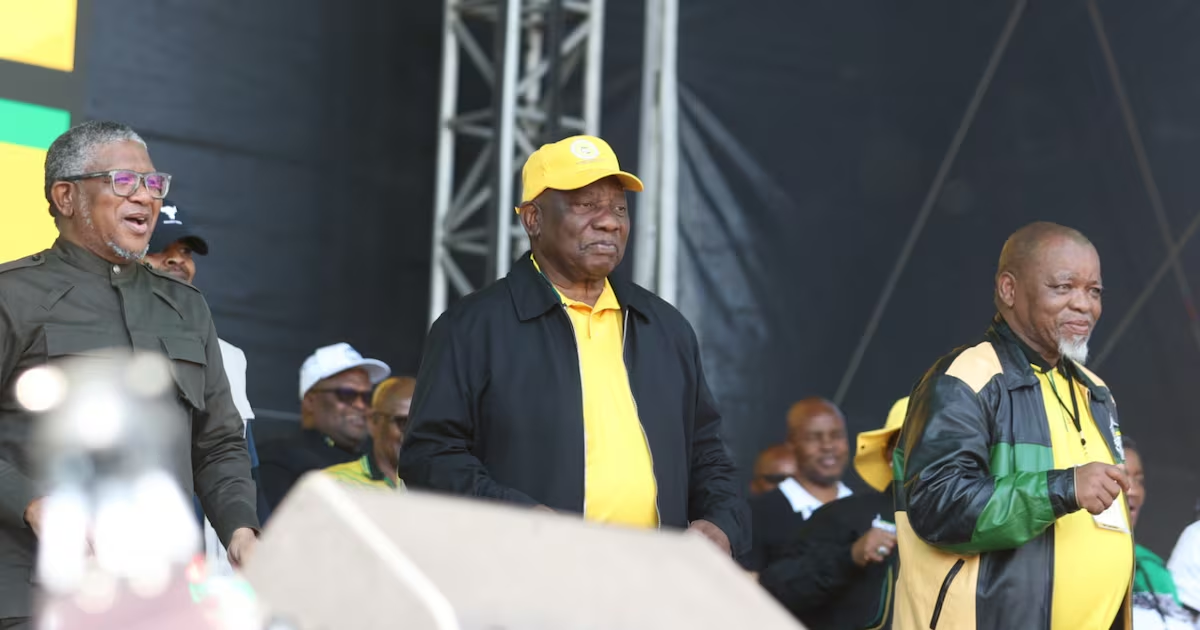
The ANC, launching its local government elections manifesto on Sunday, has targeted a reduction of municipal debt owed to Eskom and the country’s water boards by at least 30% by 2031. The pledge seeks to address a debt crisis that has more than tripled over the past five years.It also targets at least 50% of municipalities achieving clean or unqualified audit outcomes and promises that municipal workers and compliant suppliers will be paid on time.National Treasury figures show municipalities owed a combined more than R161bn by December 2025. Of that, Eskom was owed R110.5bn, while regional water boards and the department of water & sanitation were owed R30.7bn.Treasury has already begun using the equitable share, the portion of nationally raised revenue transferred to municipalities, as a compliance tool. Earlier this year it withheld R13.5bn in equitable share allocations from 69 municipalities that had passed unfunded budgets or failed to meet obligations to Eskom, water boards, the SA Revenue Service, the auditor-general and pension funds. Those 69 municipalities collectively owe R27.4bn. (Supplied) “There are still municipalities that passed unfunded budgets, do not invest adequately in maintenance, see projects incomplete due to corruption, and do not achieve clean and unqualified audits,” it states. To address the debt problem, the manifesto commits to an overhaul of the funding, including a review of the division of the revenue model and its financial assumptions and diversifying the municipality’s own revenue instruments beyond traditional electricity surpluses to achieve a true finance-follows-function model. It also pledges to “restore financial discipline and rebuild public confidence by eliminating unfunded budgets within the first two years of the new term and to enforce compliance with the Municipal Finance Management Act (MFMA).“Over the next five years, the ANC will complete the review of the local government funding model, restore the financial health of municipalities and ensure that financial accountability translates into better services,” ANC president Cyril Ramaphosa said. “We will take further measures to ensure that municipalities end waste and corruption, collect revenue fairly and efficiently, improve billing and control expenditure.” On revenue collection, the document states that municipalities will modernise municipal revenue collection and billing by introducing accurate and transparent billing systems, expanding smart water and electricity metering, and recovering outstanding municipal debt, including money owed by government departments, state-owned entities and businesses. On infrastructure funding, the ANC plans to mobilise greater investment in municipal infrastructure by strengthening project preparation and using available infrastructure grants, the Development Bank of Southern Africa (DBSA), Infrastructure Finance and Implementation Support Agency (Ifisa), other development finance institutions and appropriate private sector and capital market financing.The commitment points to a shift away from municipalities funding infrastructure mainly through national grants and their own revenue from electricity and water sales. That model is under strain as margins on municipal electricity sales have fallen sharply as Eskom’s bulk tariffs rise faster than municipalities can pass costs on to customers, leaving less surplus available to reinvest in pipes, substations and roads. WATCH | ANC president Cyril Ramaphosa says the ANC’s task is to continue dismantling divisions, he pointed to improved housing conditions for Diepsloot residents since apartheid. pic.twitter.com/LTL9AVgjYs— Times LIVE (@TimesLIVE) August 23, 2026 The South African Local Government Association has put the municipal infrastructure and maintenance backlog at R100bn.Routing more funding through the DBSA, Ifisa and private capital markets would let municipalities borrow against future revenue or bring in outside investors for specific projects, rather than wait on already stretched Treasury transfers or dip further into deficits. It also signals a bigger role for public-private partnerships in local government, an area municipalities have used sparingly compared with national infrastructure programmes.The manifesto launch came a day after the ANC failed to name its mayoral candidates for the country’s eight metros as originally planned, instead presenting a shortlist of 42 possible contenders and pushing final selections to September. ANC secretary-general Fikile Mbalula said 226 people were put forward for consideration across about 50 municipalities and all nine provinces, after the party opened nominations to the public alongside its branches. The consecutive events, a shortlist rather than the promised candidate list on Saturday followed by the manifesto launch on Sunday, come as the ANC’s electoral support has declined steadily, from 62% in 2011 to 53.9% in 2016 and 47.5% in 2021. A recent Social Research Foundation poll put the party at 34% nationally ahead of the November 4 vote, trailing the DA in Gauteng’s three metros.Business Day