Story audio is generated using AI
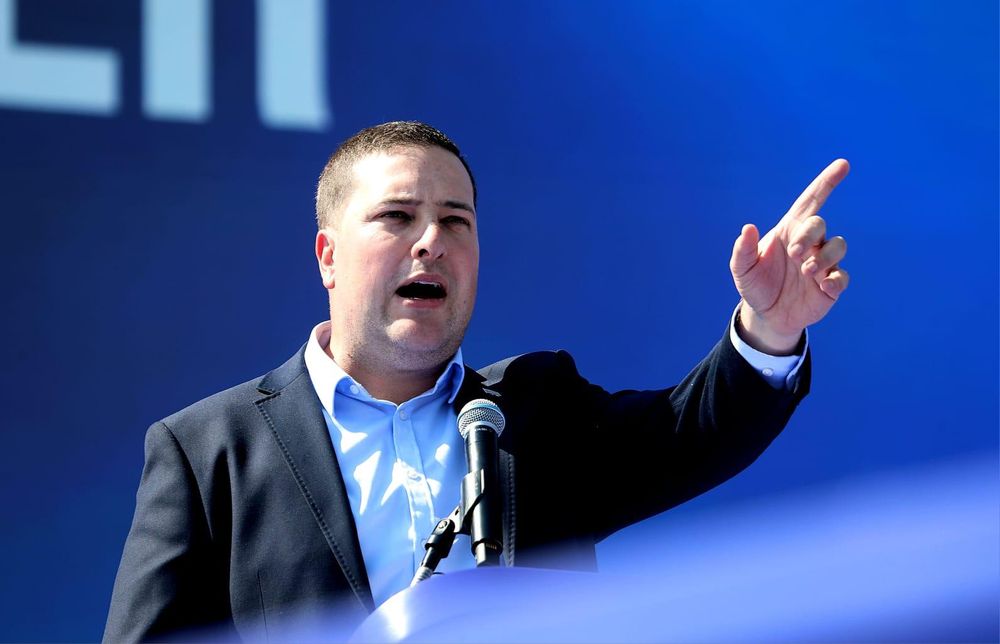
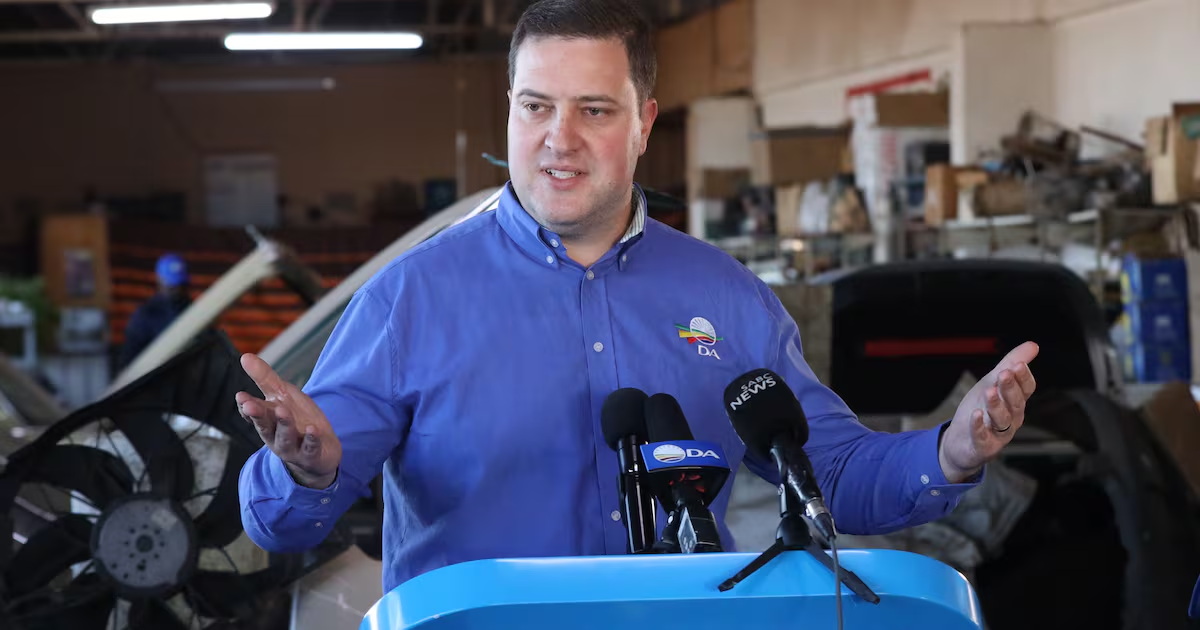
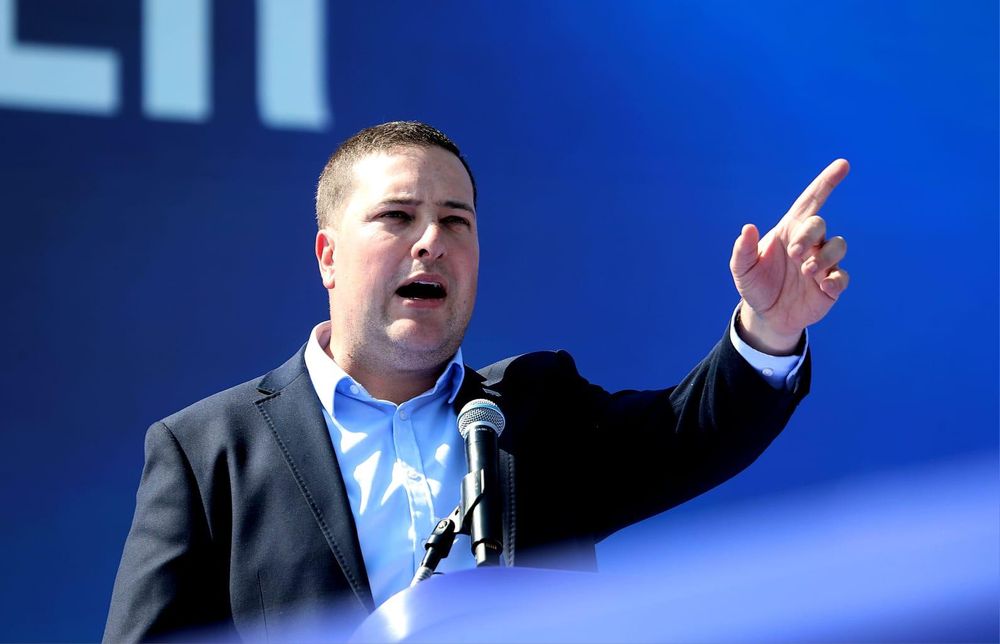
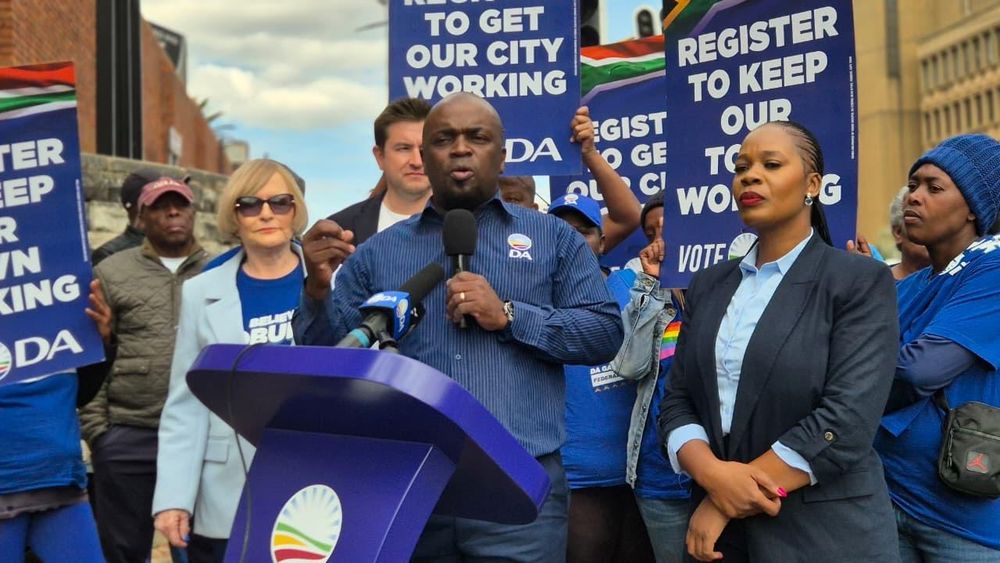
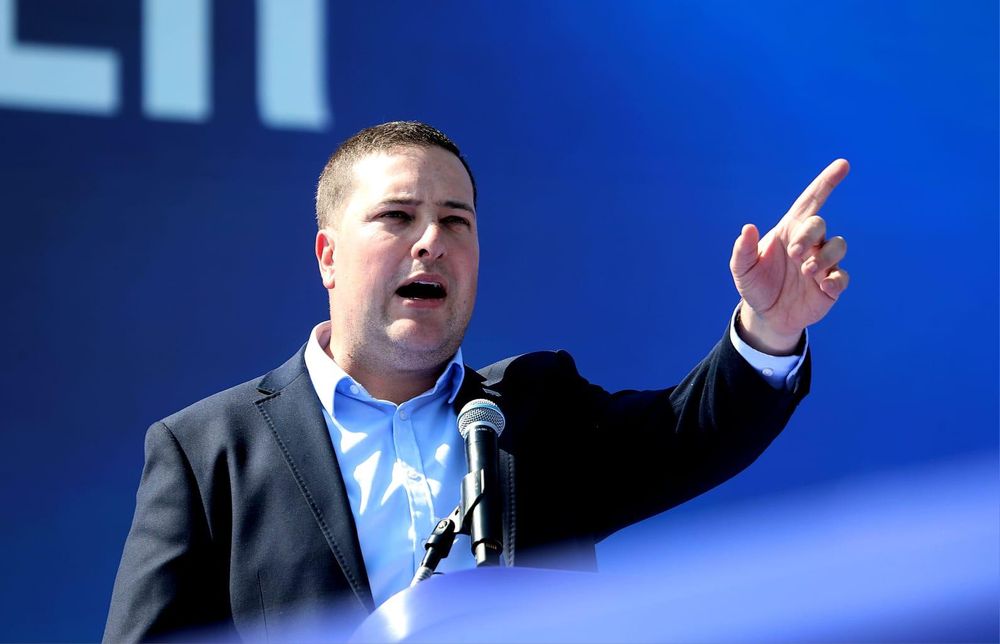
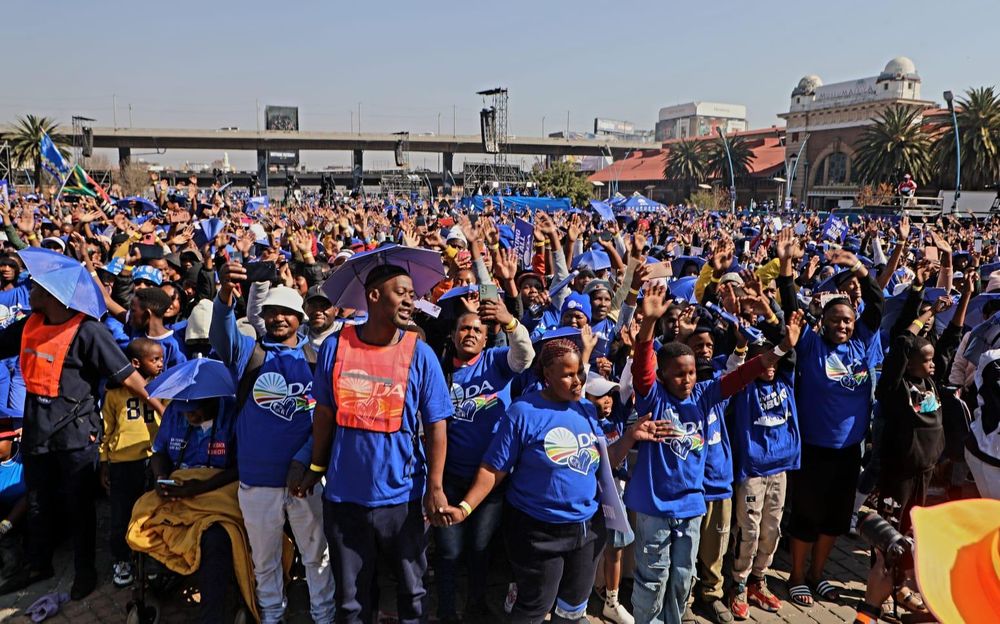
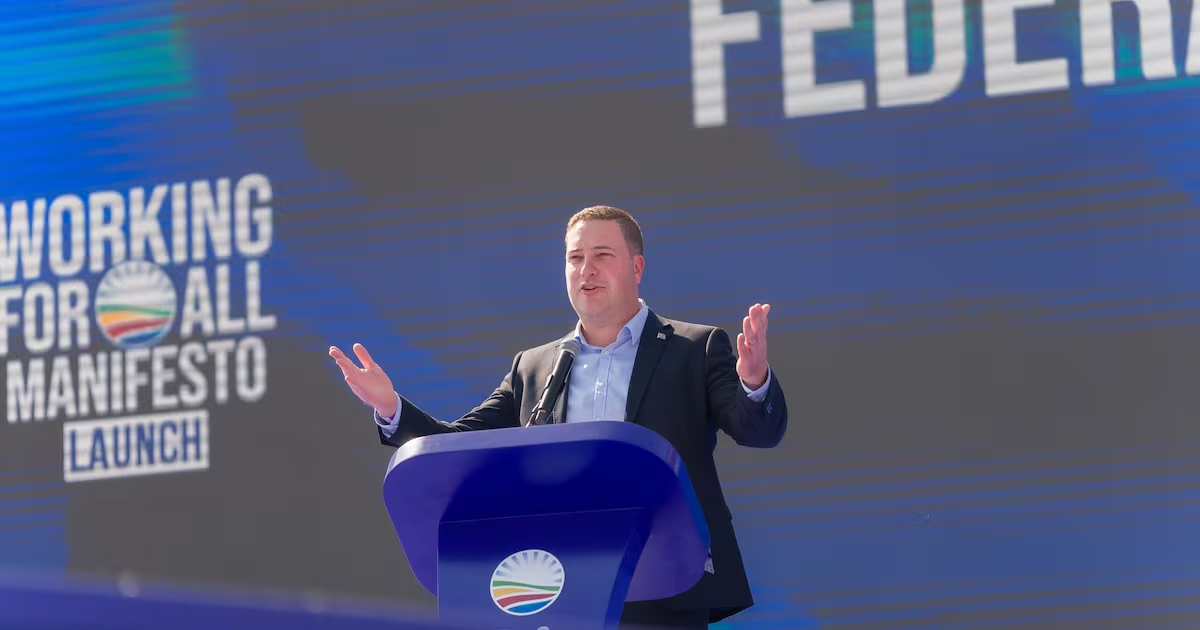
The DA has promised to overhaul municipal management, ring-fence water and electricity revenue and boost the role of the private sector as it steps up its campaign before the November 4 local government election.Only 41 of South Africa’s 257 municipalities received clean audits in the 2023/24 fiscal year, according to the latest publicly available figures.“Our promise is deliberately unglamorous: we will get your municipality working,” DA leader Geordin Hill Lewis says in an oped published on the Business Day website today. He launched the party’s local government election manifesto in Johannesburg on Saturday. “The poorest South Africans are being failed not by a shortage of funds but by a shortage of competence,” Hill-Lewis writes, noting that less than a quarter of the 10-million households that are entitled to free water and electricity actually receive it.“Where the municipality fails, business pays twice — once in rates and again for the borehole, the generator, the private security contract, the water tanker, the fleet damage from unrepaired roads. Every one of those is capital diverted from expansion and job creation into substituting for a state that has stopped functioning,” he said.With three months to go until voters go to the polls, which are widely seen as a crucial test of support for the ANC, the DA has sought to position itself as the party that will reform municipal government and ensure residents live in towns and cities that are safe and well maintained, with reliable basic services. The latest polling data from the Social Research Foundation and The Common Sense found national support for the ANC fell to 34% in August, down from 39% earlier this year, with the DA holding steady at 27%. The survey found a sharp decline for the ANC in key metropolitan centres, particularly in Johannesburg, where voter support came in at 18%, less than half that of the DA, which registered 42%.Top of the DA’s priorities is a pledge to end cadre deployment and ensure appointments are made on merit instead of political loyalty. “Municipal jobs will go to people who can do the work and not to the politically connected,” Hill-Lewis said in his speech on Saturday.The DA has also promised to ring-fence the revenue generated from the provision of water and distribution of electricity to ensure it is ploughed back into maintenance and investments in new infrastructure. The proposal is in line with the National Treasury’s announcement earlier this year of an incentive-based grant that gives metros access to R27bn over the medium-term expenditure framework if they ring-fence revenue derived from service provision.“Every rand collected for water will be protected for water. Every rand collected for electricity will be protected for electricity. Your money will no longer be treated as a political slush fund. It must be used to repair pipes, maintain substations and replace cables,” Hill-Lewis said. “It must never disappear into big salaries, political projects or corrupt contracts.”In a move set to draw fire from unions, the DA said it plans to bring in private sector players to help fix collapsing municipalities, using public-private partnerships. Hill Lewis said this was not a move to privatise services, as municipalities would retain the responsibility of setting policy, determining tariffs and enforcing standards. “What we reject is the idea that residents must endure dry taps, broken grids and uncollected refuse simply because an incapable municipality insists on performing every task itself,” he said.