Academia
A capable state must do more than deliver programs, it must ensure that all citizens can hold power accountable and participate as equals.
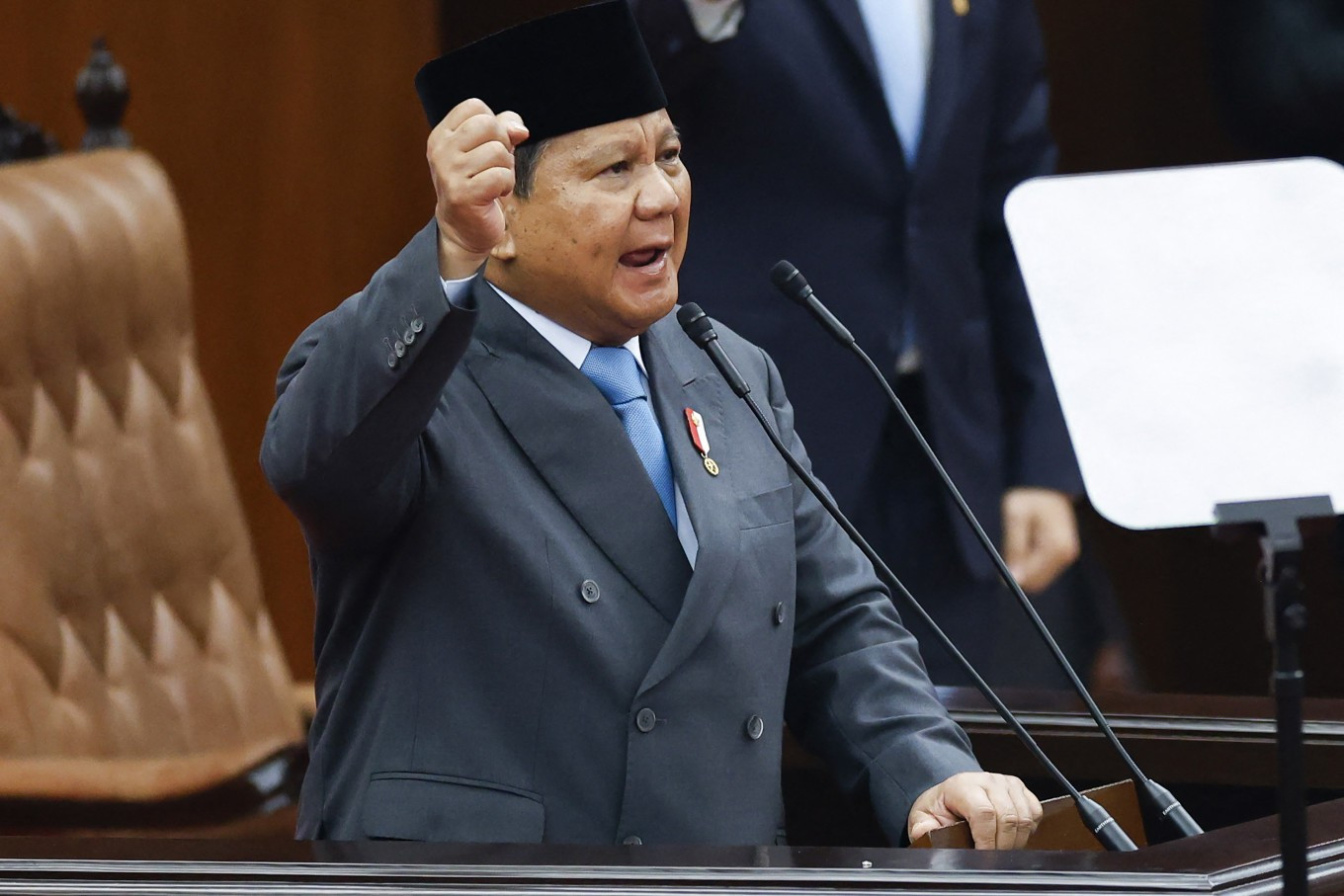
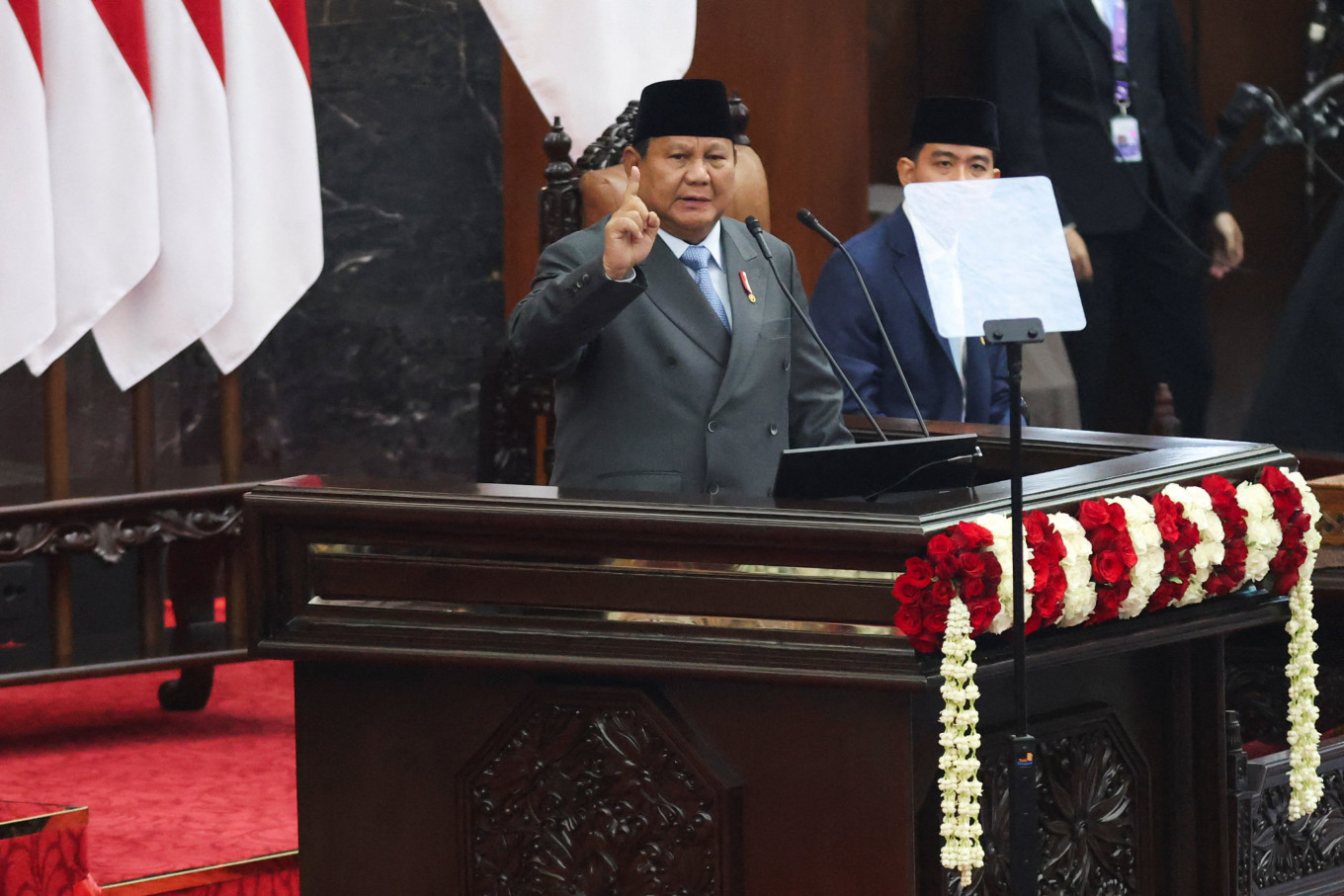
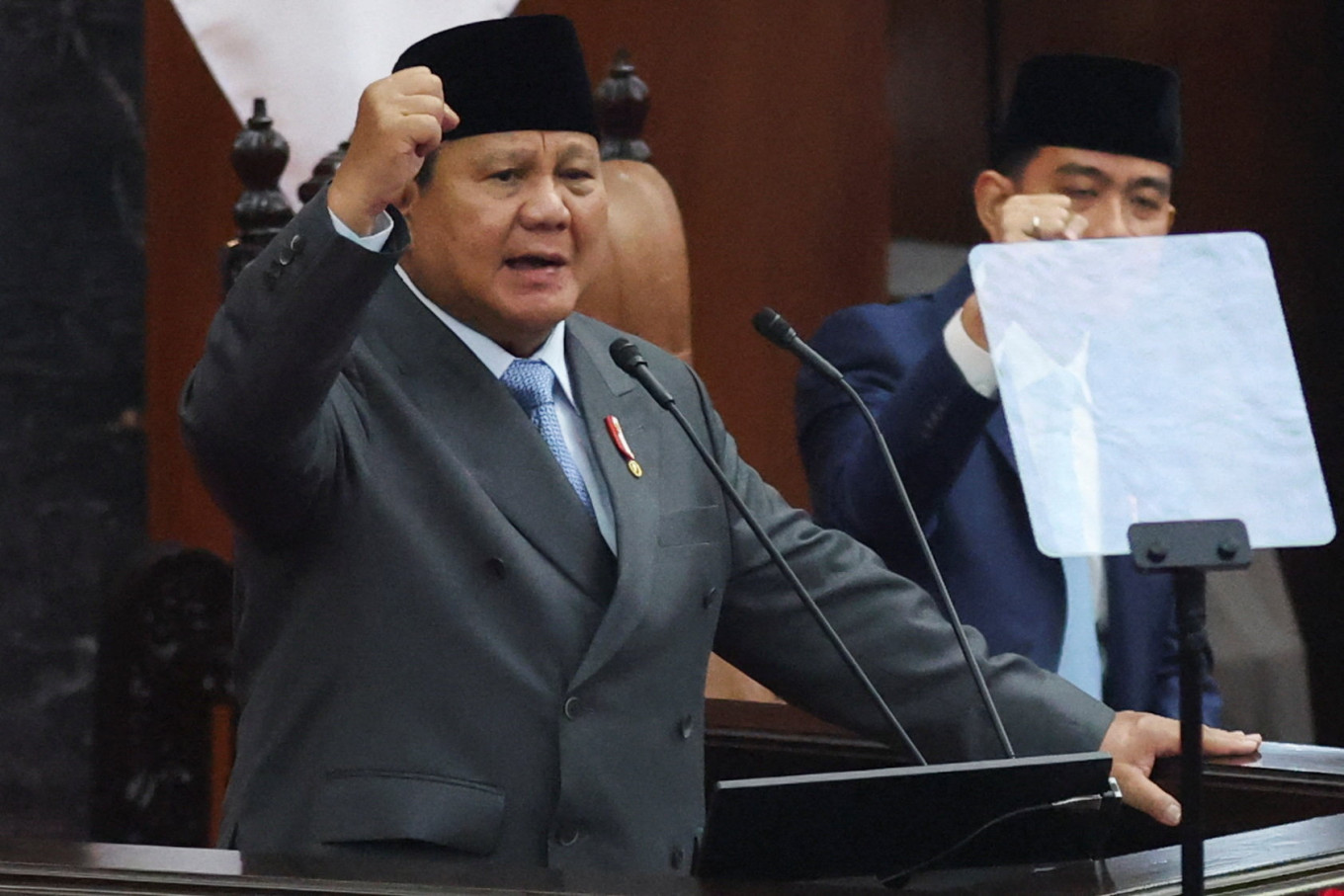
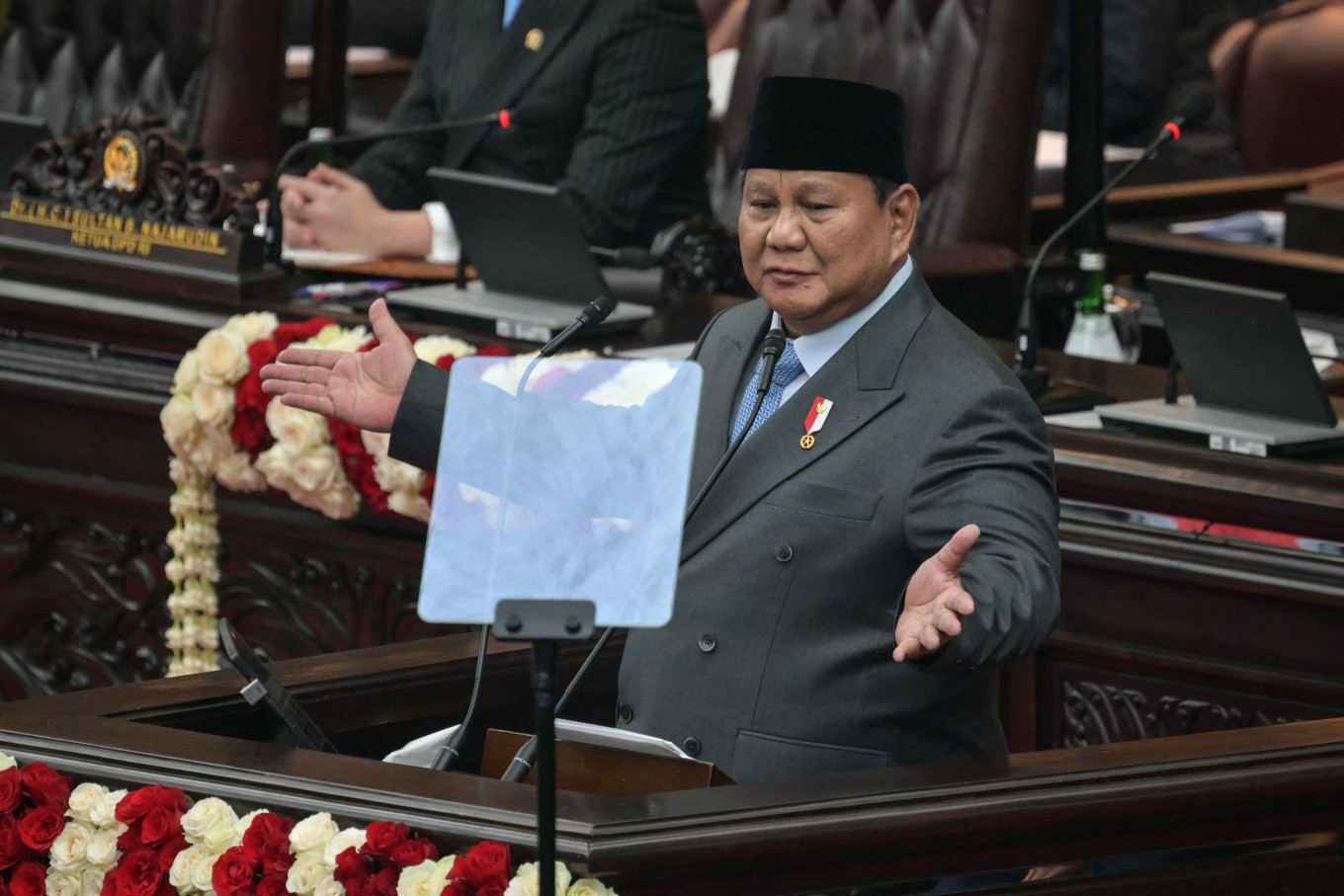
President Prabowo Subianto delivers his annual State of the Nation Address, ahead of the country's Independence Day celebrations, in Jakarta on Aug. 14, 2026. (AFP/Bay Ismoyo)
Last week, Indonesia celebrated 81 years of independence with grand ceremonies in Jakarta. Yet just two days earlier, a magnitude-7.7 earthquake struck Flores, East Nusa Tenggara, killing dozens and displacing thousands. The contrast is uncomfortable, but it raises a fundamental democratic question: What does it mean for citizens to experience the state as being “beside them”? The question is central to President Prabowo Subianto’s State of the Nation address on Aug. 14. Prabowo argued that the republic was established so that people would never feel alone and would feel that the government was “beside them”.
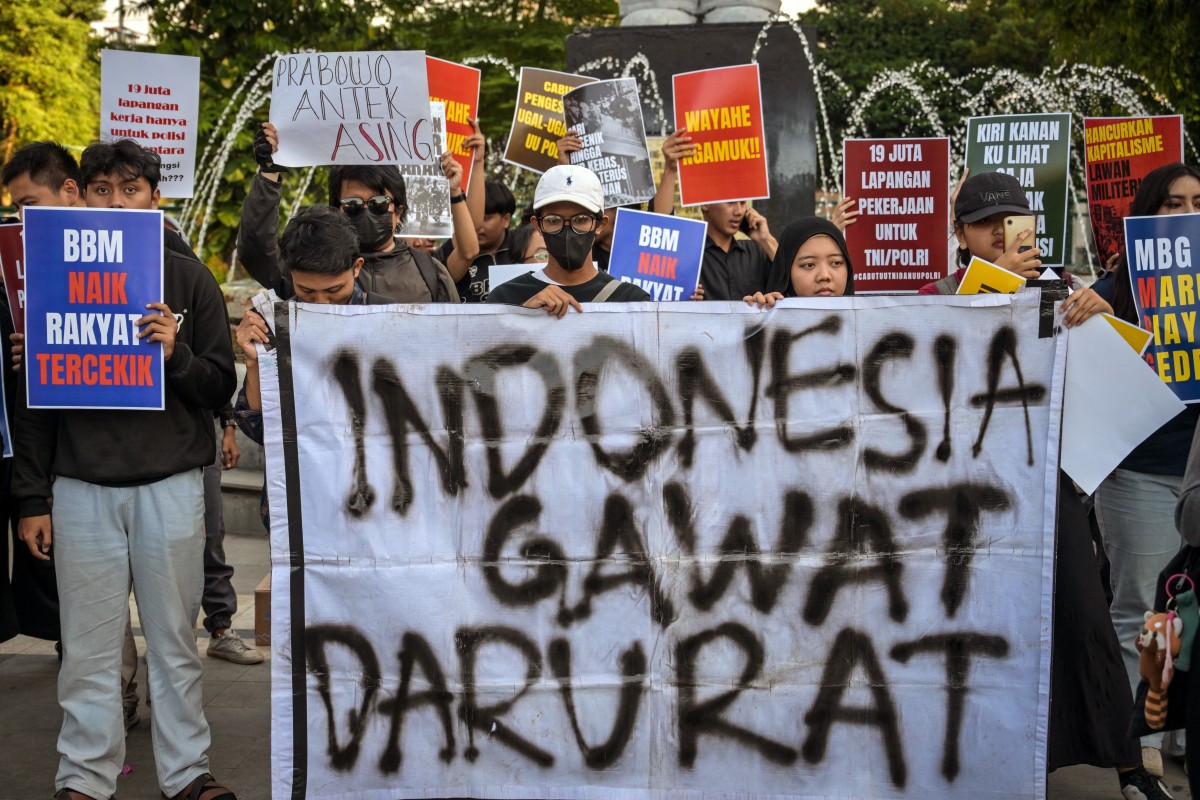
Much of Prabowo’s speech highlighted the government's achievements, from providing free nutritious meals and schools, to cooperatives and economic growth. Throughout the speech, citizens appear primarily as beneficiaries of state action rather than as political agents who organize, disagree, challenge policies, scrutinize officials, defend rights and help determine state priorities.