Get the latest news and updates from Dawn
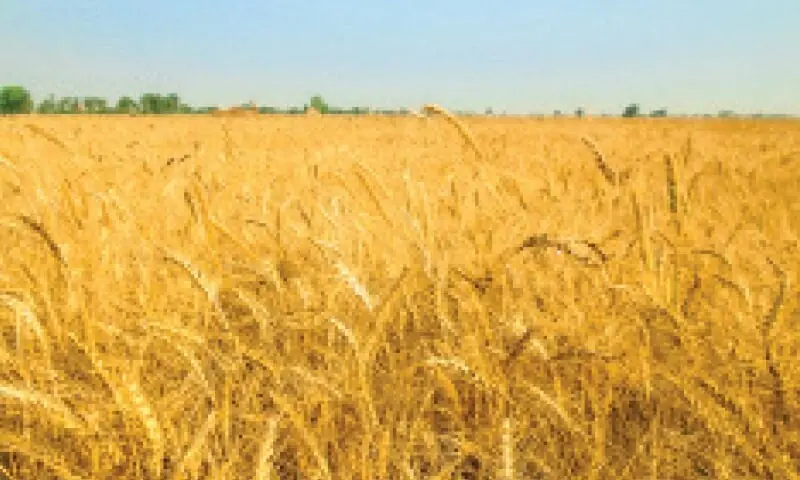
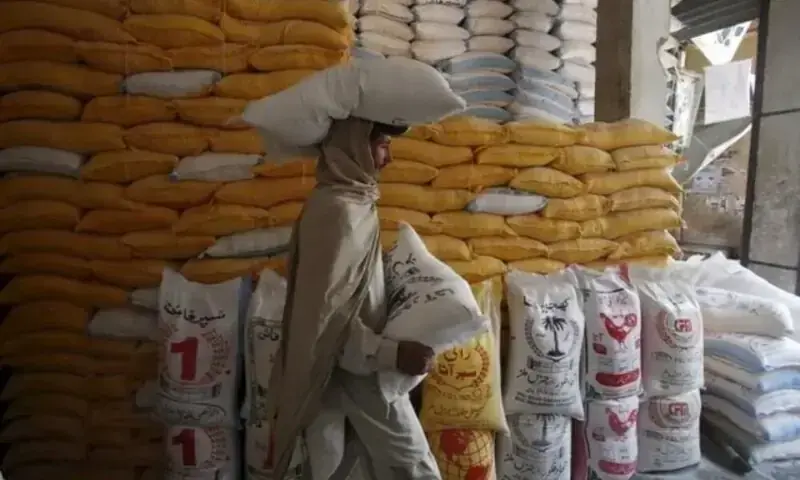
Pakistan is once again facing a wheat crisis. Despite official claims of a satisfactory wheat harvest in 2026, flour prices continue to rise, provincial governments have raised concerns about meeting supply needs, and flour millers are urging the federal government to permit wheat imports. The government is now moving towards imports to bridge the anticipated gap between domestic supply and demand.
At first glance, imports appear to be a practical solution. In reality, they expose the deep contradictions of Pakistan’s food policy. The obvious question is: How can a country that produced a reasonable wheat crop find itself discussing imports only months after harvest?
The answer lies not in production but in policy. The crisis is rooted in the FY26 wheat procurement crisis, when the federal government sharply reduced public procurement, arguing that private markets would purchase wheat more efficiently.
Farmers, already burdened by soaring costs of fertiliser, diesel, electricity, irrigation, pesticides and labour, were forced to sell their wheat soon after harvest, often at prices they considered below production costs. Without effective public procurement or adequate storage facilities, they had little bargaining power.