Academia
The puzzle of why the Trump administration is so concerned with a falling yen has historical parallels not to the 1930s or the 1980s, but to the 1960s, when US officials feared that a crisis elsewhere could spread to America. With US bond yields spiking, Treasury Secretary Scott Bessent is getting desperate.
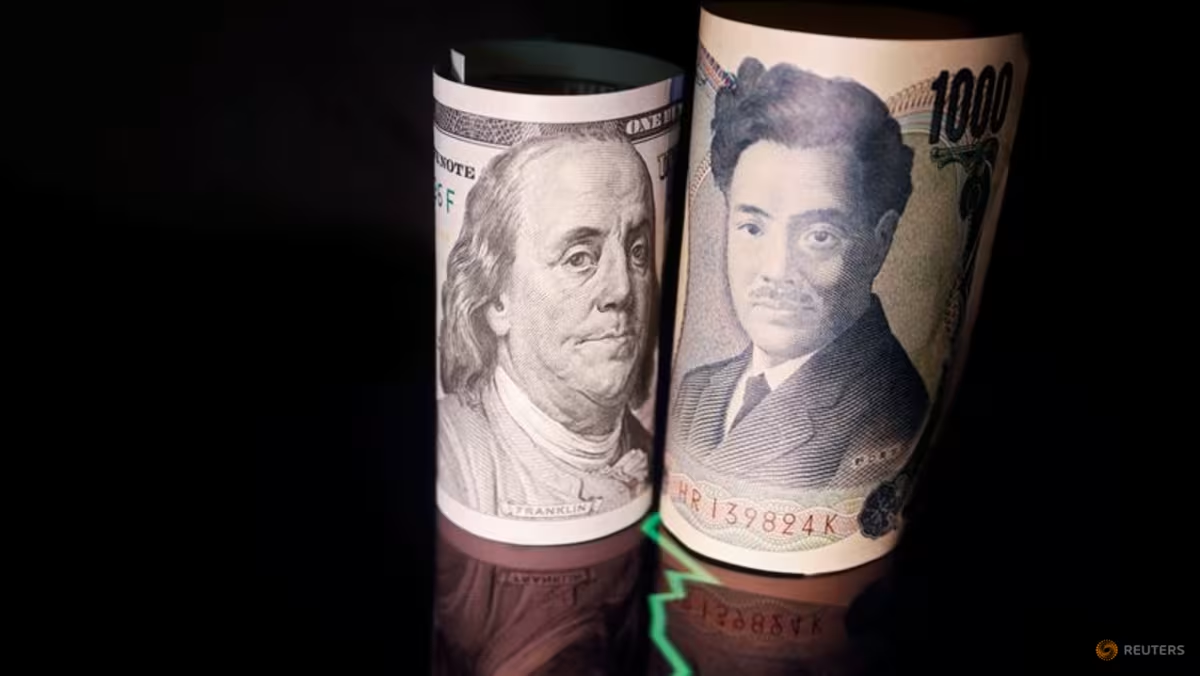
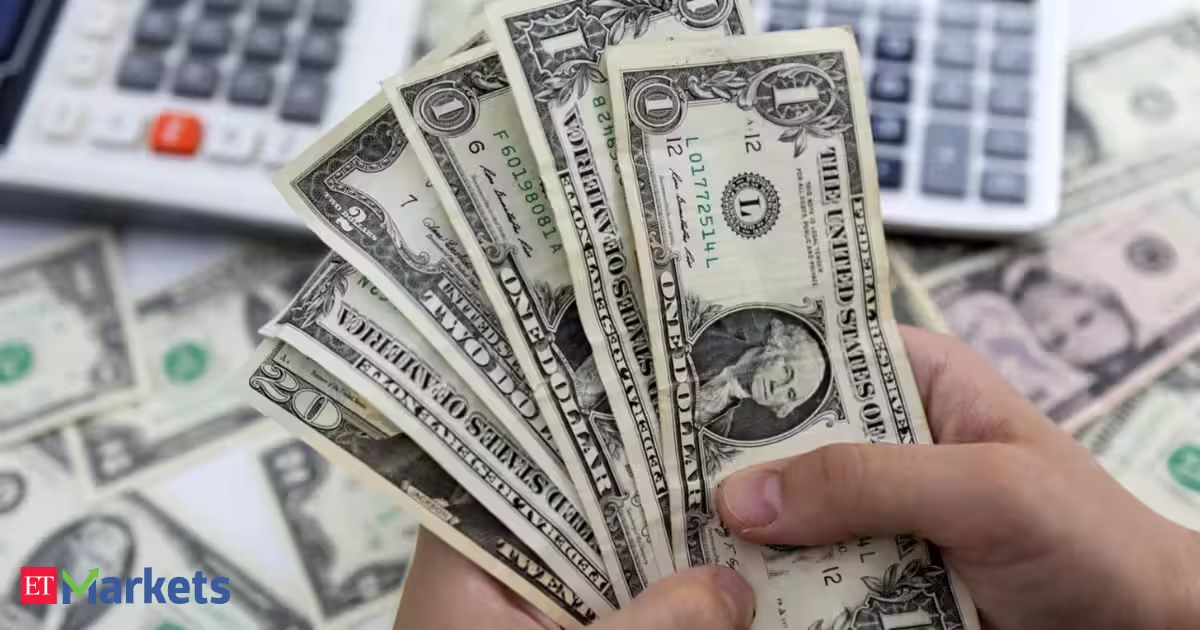
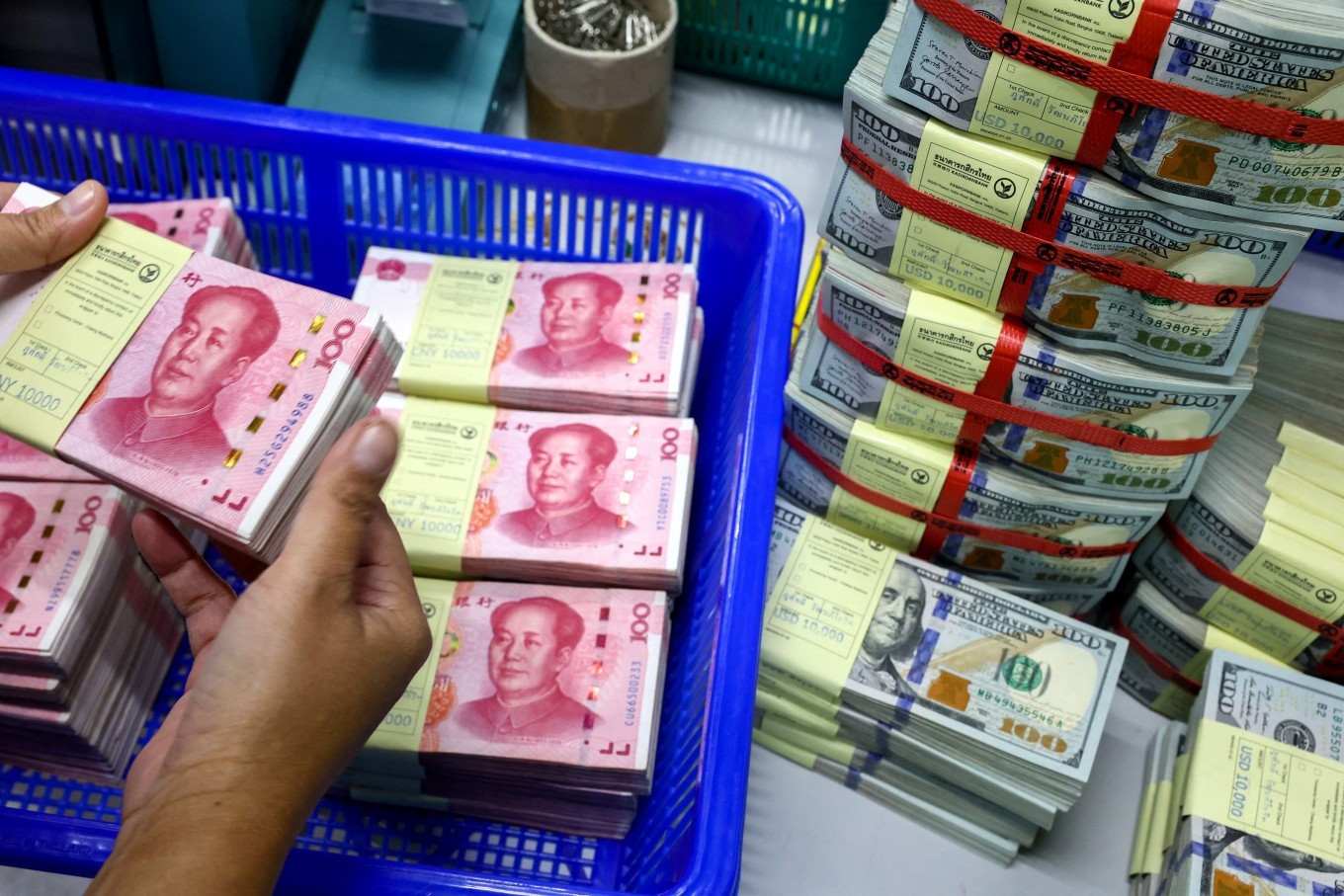
A bank employee counts Chinese renminbi notes next to United States dollar bills on Jan. 25, 2023, at a Kasikornbank branch in Bangkok. (Reuters/Athit Perawongmetha)
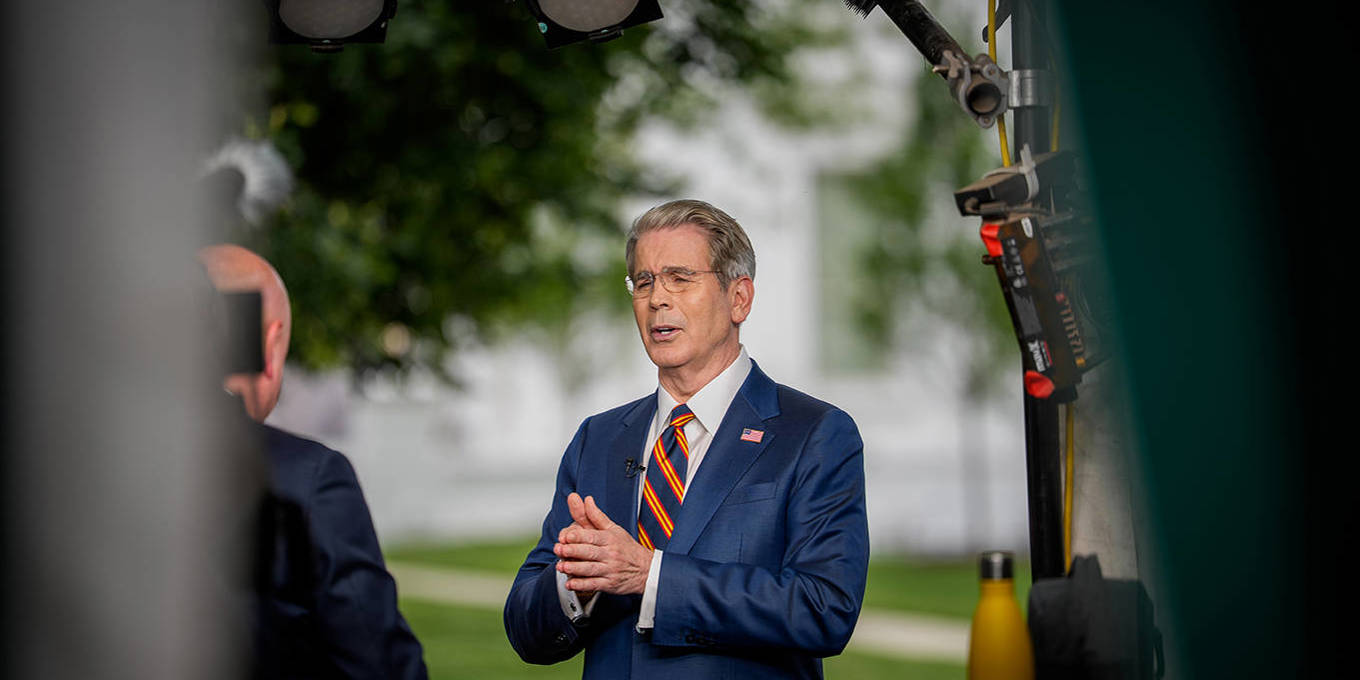
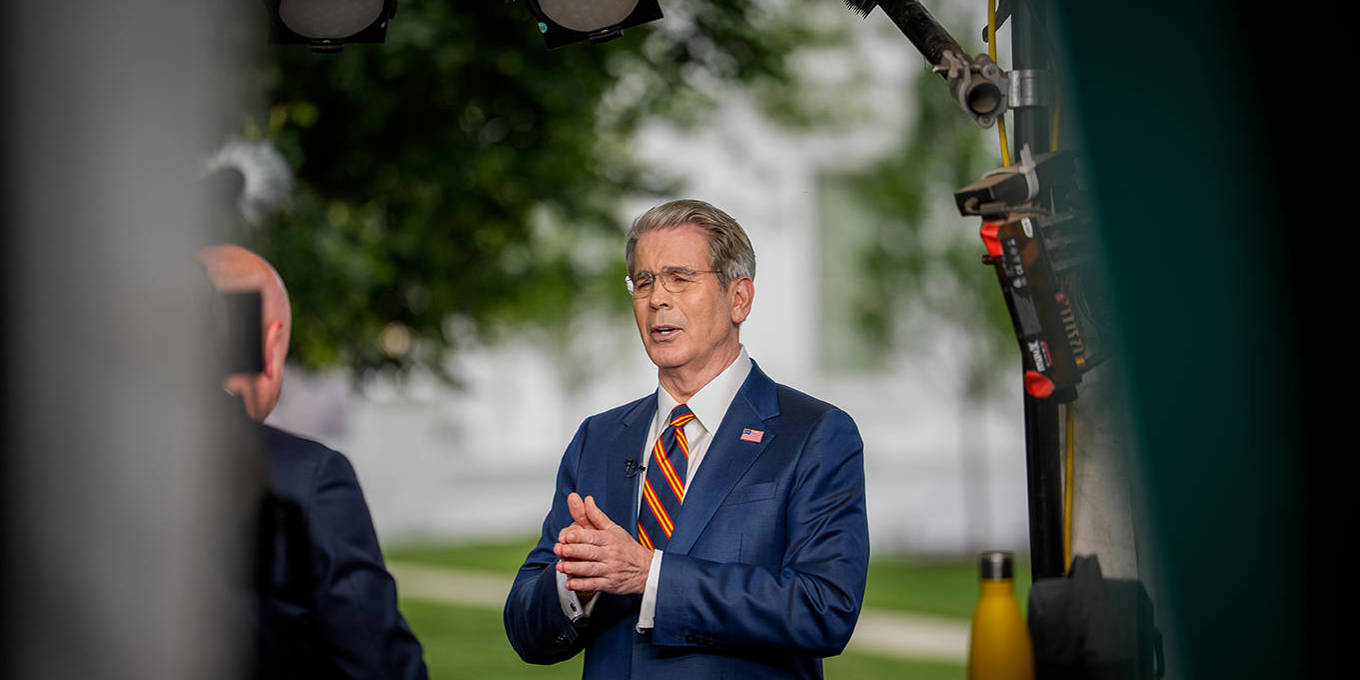
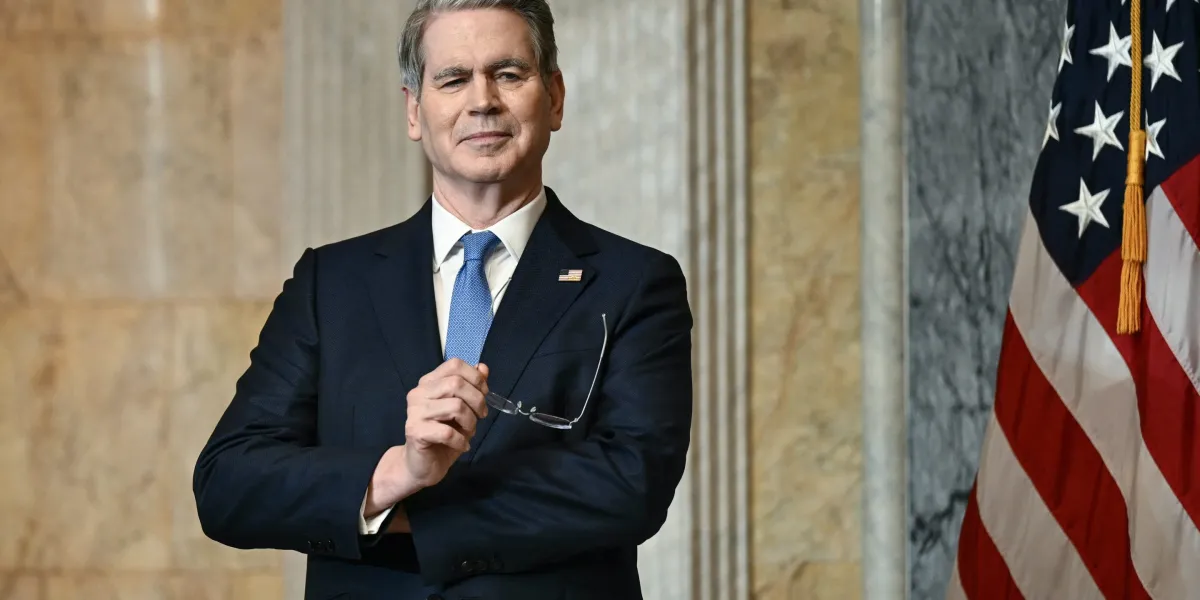
In a Reuters photo from late July, United States Treasury Secretary Scott Bessent can be seen holding a to-do list with just one item: purchase US$5 billion to $10 billion worth of yen. As he explained soon thereafter, invoking the famous phrase that then-European Central Bank president Mario Draghi used to save the euro in 2012, US President Donald Trump’s administration will do “whatever it takes” to prop up the Japanese currency.Bessent’s public rationale for this surprise intervention was that the yen is undervalued, and that the US does not want to see a round of currency wars in which countries try to prop up their exports by undervaluing their currencies. Such conflicts do carry a powerful historical echo, given their role in destroying the world economy and threatening international peace in the 1930s. The victorious Allied powers organized the 1944 Bretton Woods Conference precisely to prevent the kind of protectionism and currency wars that had produced World War II.