Commentary
The United States is bolstering the Japanese yen, as it did with the Argentine peso. The reasons are not solely economic, says Cornell University's Eswar Prasad.
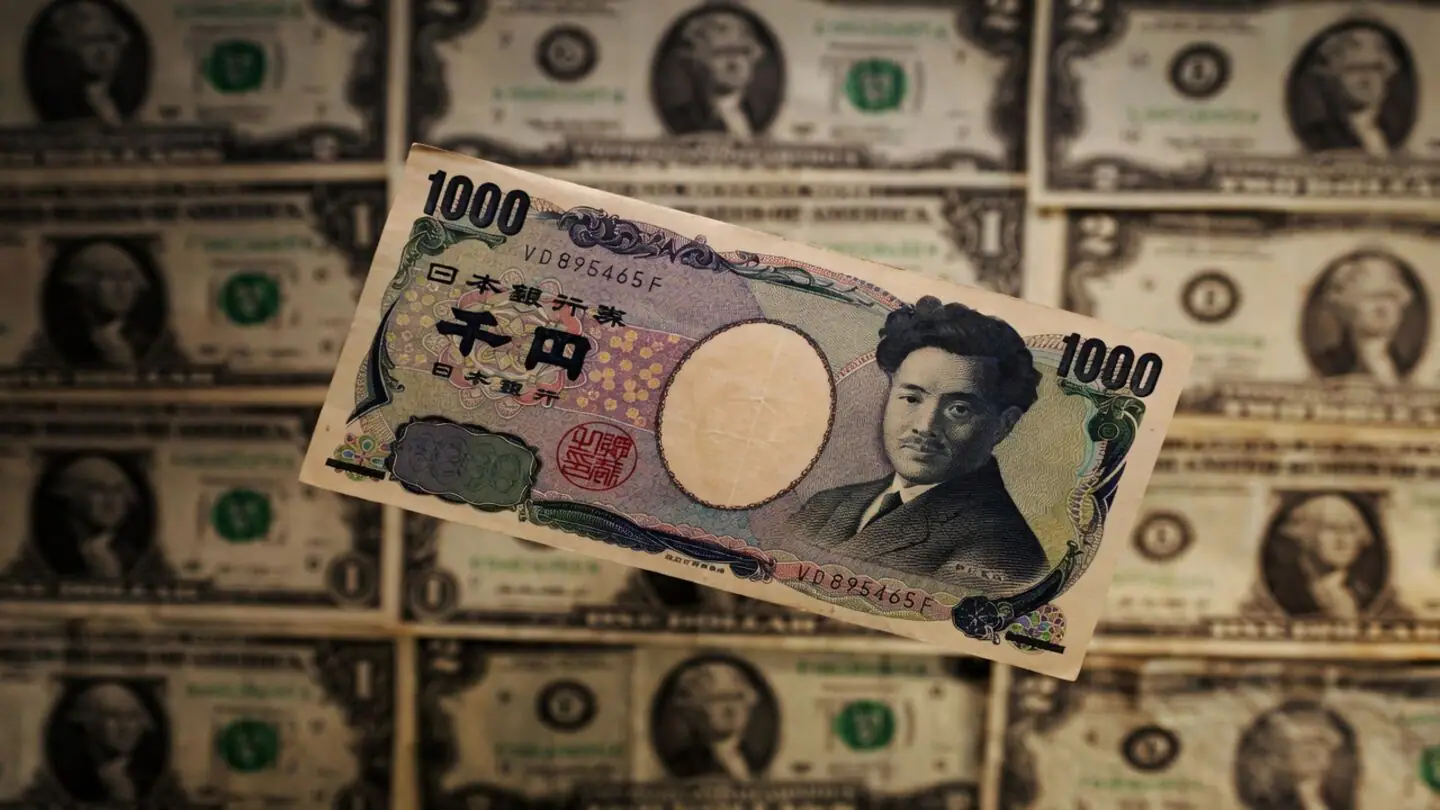
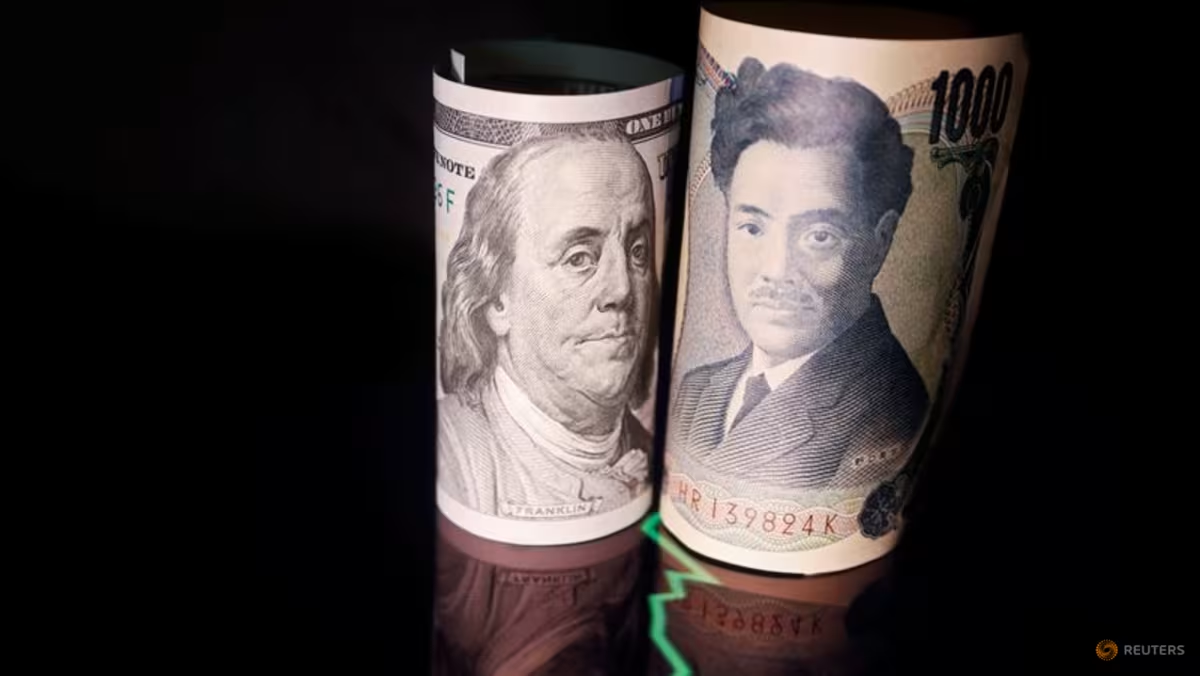
Japanese yen and US dollar banknotes are seen with a currency exchange rate graph in this illustration picture taken Jun 16, 2022. (Reuters/Florence Lo/Illustration)
11 Aug 2026 05:59AM
WASHINGTON DC: It’s rare for the United States to intervene in another country’s currency policy. It usually happens because there is a crisis. But in recent cases involving Argentina, Japan and the United Arab Emirates, none of those countries had reached the level of emergency usually required.In all three, the Trump administration has directly supported or offered support for their currencies. Why would the administration do this? After all, it seems risky and expensive to buy another country’s currency or even offer to temporarily swap dollars for that currency, especially one whose value is falling.