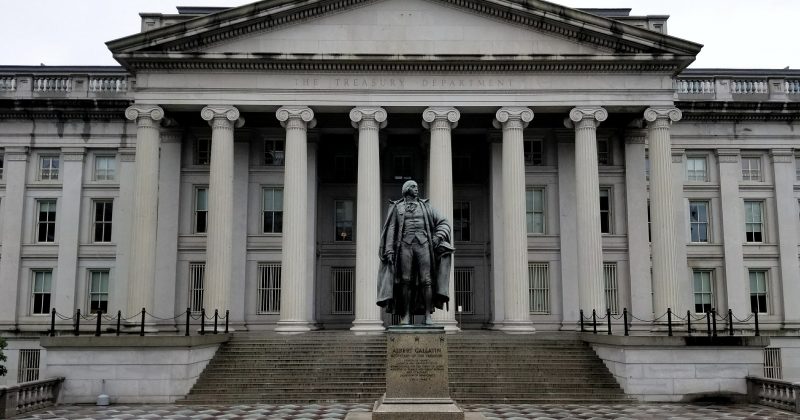
The US Treasury just told the bond market it would start buying its own homework. On August 19, the department announced it would double the size of its liquidity-support buyback operations for longer-dated Treasuries, raising the maximum per operation from $2 billion to at least $4 billion. Gold’s response was immediate and emphatic: spot prices surged more than 3-4% on the day, blowing past $4,500 per ounce and closing in on three-month highs near $4,600.
The new buyback limits take effect from September 9 through November 4. The timing is not coincidental. The 30-year Treasury yield had just touched approximately 5.34%, its highest level since 2007, as investors grew increasingly nervous about lending money to a government sitting on more than $40 trillion in federal debt.
Why the Treasury blinked
The buyback expansion is designed to absorb some of the supply pressure on those bonds without formally implementing yield-curve control, the more aggressive tool where a central bank explicitly caps yields at a target level.
The logic works like this: by purchasing its own longer-dated debt, the Treasury reduces the available supply in the market, which should push prices up and yields down. Lower yields, in turn, reduce the government’s borrowing costs on future issuance.