The US Treasury just doubled the size of its liquidity-support buyback program, and markets responded exactly the way you’d expect when the government signals it’s ready to absorb more of its own debt: investors ran toward things that aren’t dollars.
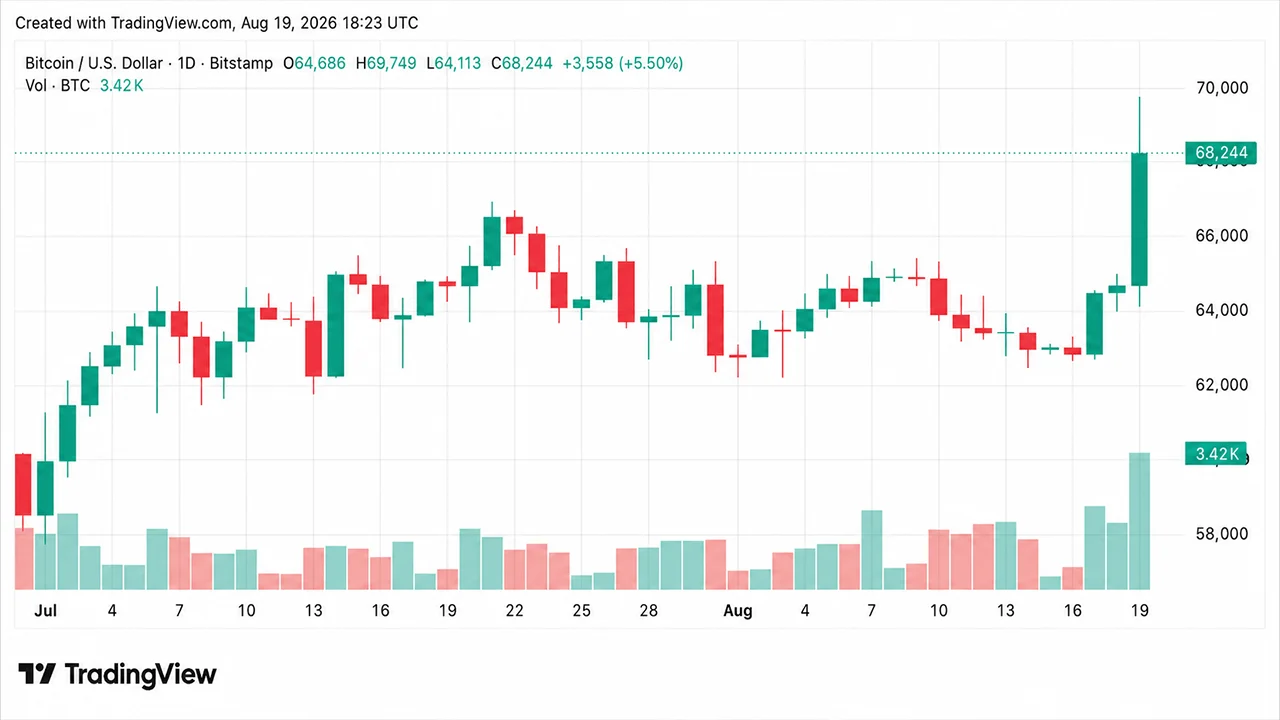
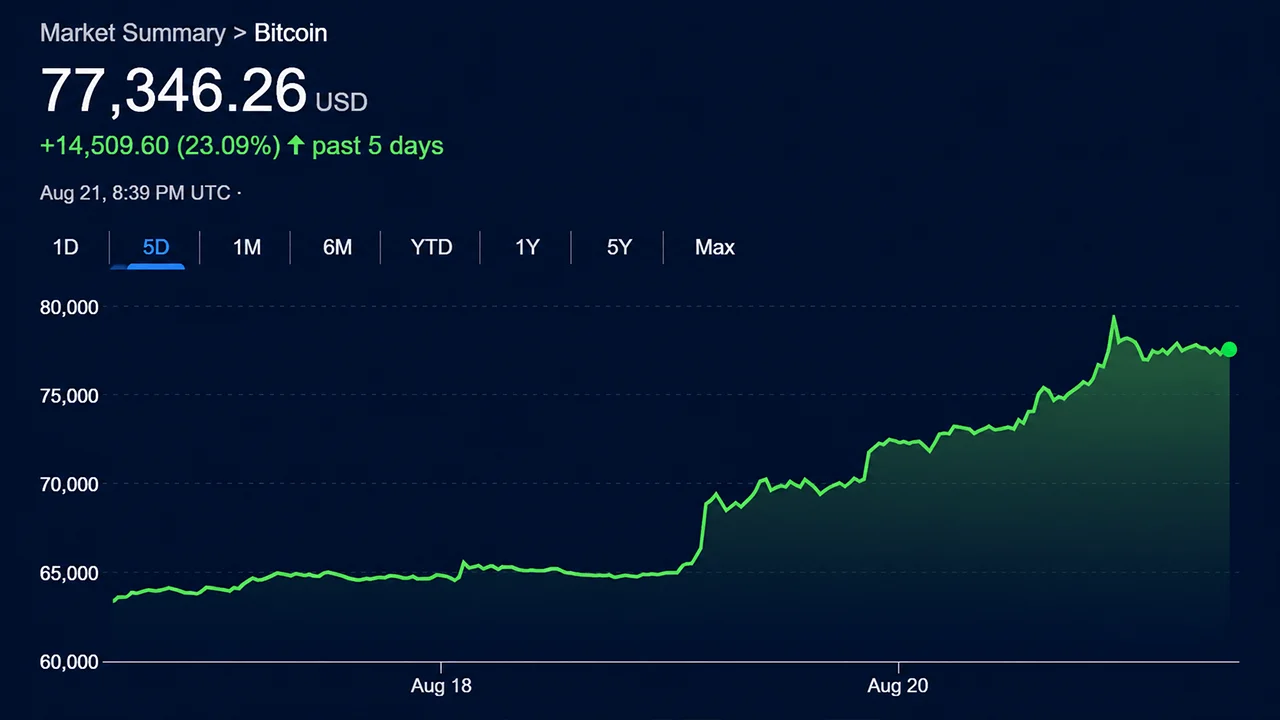
Bitcoin surged more than 5% within 24 hours of the August 19 announcement, climbing to around $68,147 before briefly touching the $70,000 to $72,000 range, a level the cryptocurrency hadn’t seen since June. Gold wasn’t far behind, advancing roughly 2.7% to approximately $4,485 per ounce. The dollar, meanwhile, weakened as traders interpreted the move as a soft form of quantitative easing.
What the Treasury actually did
The core policy change is straightforward: the Treasury increased the maximum transaction size for its buyback operations on longer-dated nominal bonds from $2 billion to at least $4 billion per operation. The expanded program takes effect September 9 and runs through November 4.
Treasury Secretary Scott Bessent framed it as a necessary step to “support greater liquidity where strong sponsorship exists.” The 30-year Treasury yield had just climbed to its highest level since 2007, driven by what amounted to a buyers’ strike in long-dated bonds. When US public debt sits at approximately $40 trillion, that liquidity problem starts to feel existential.