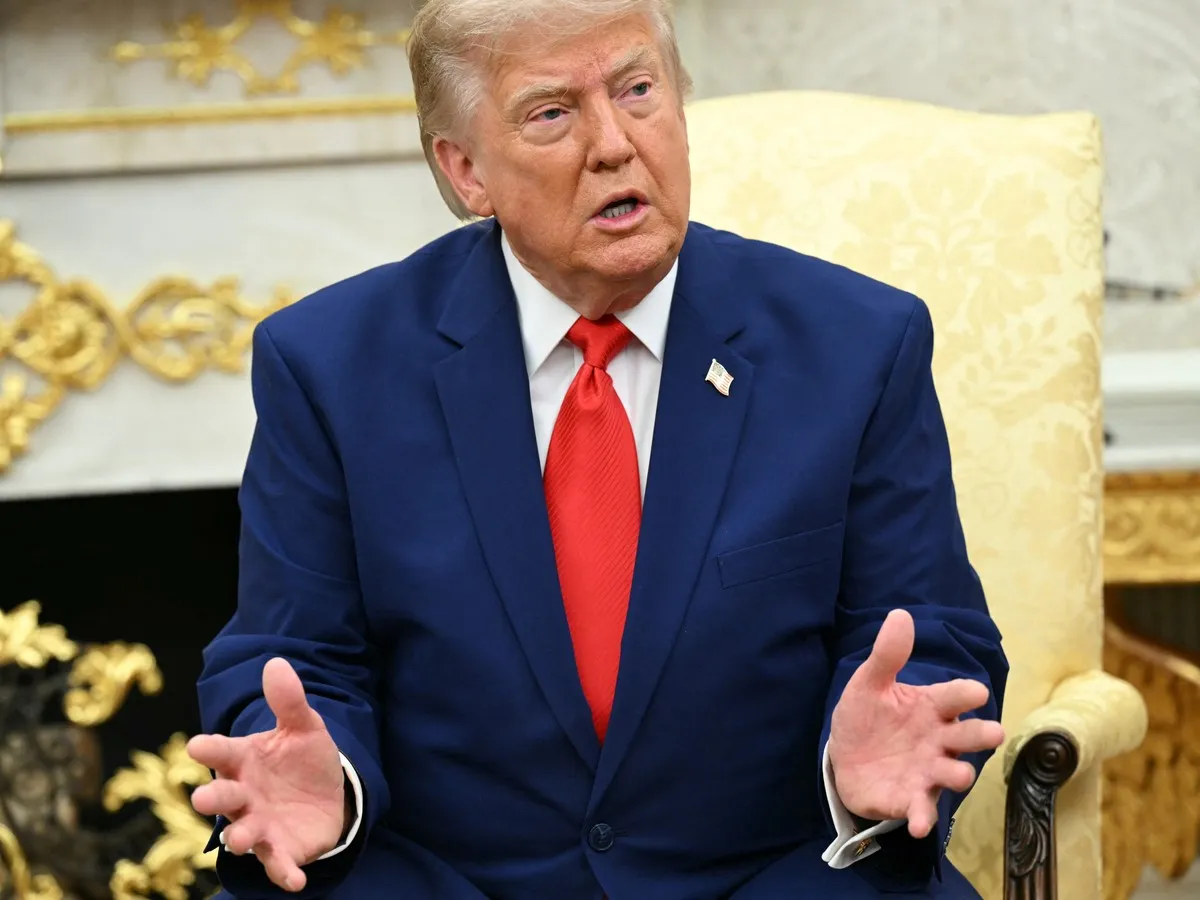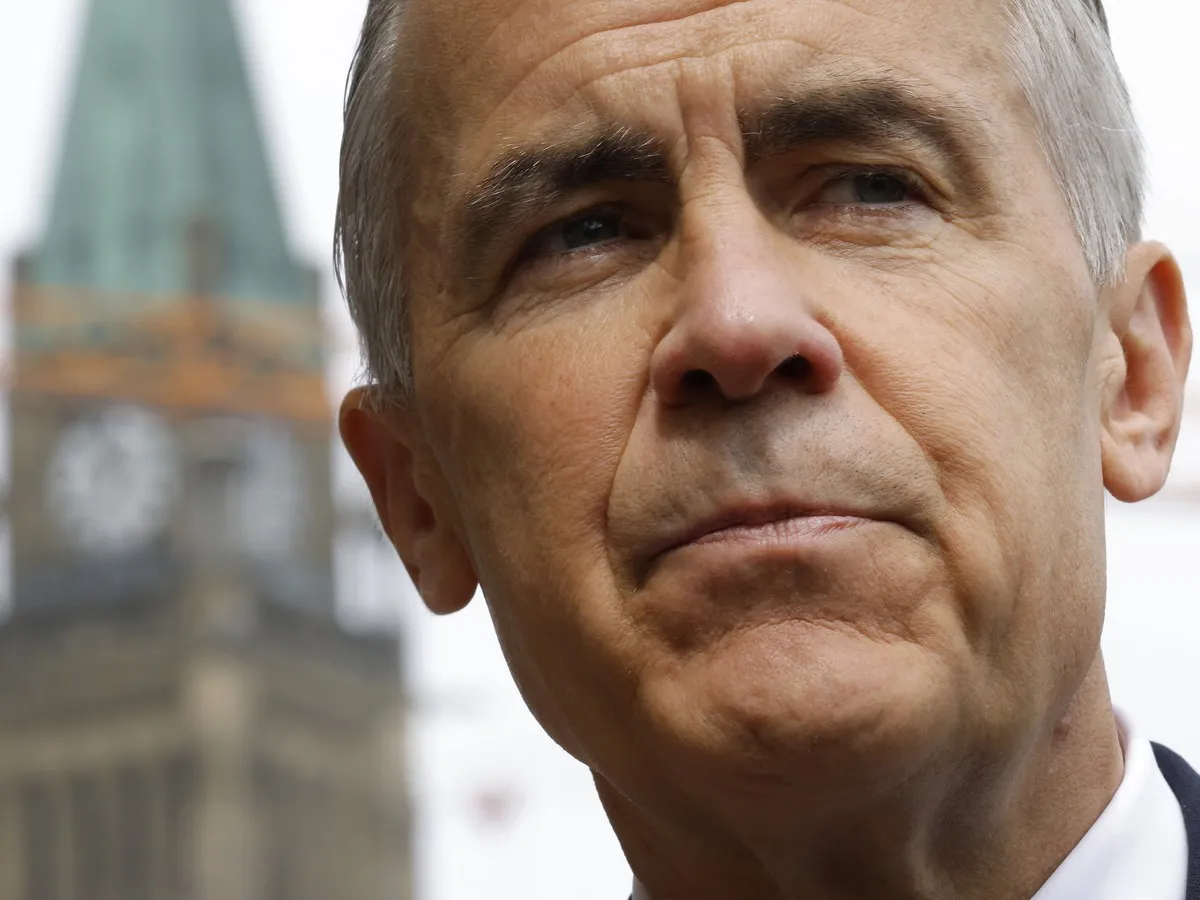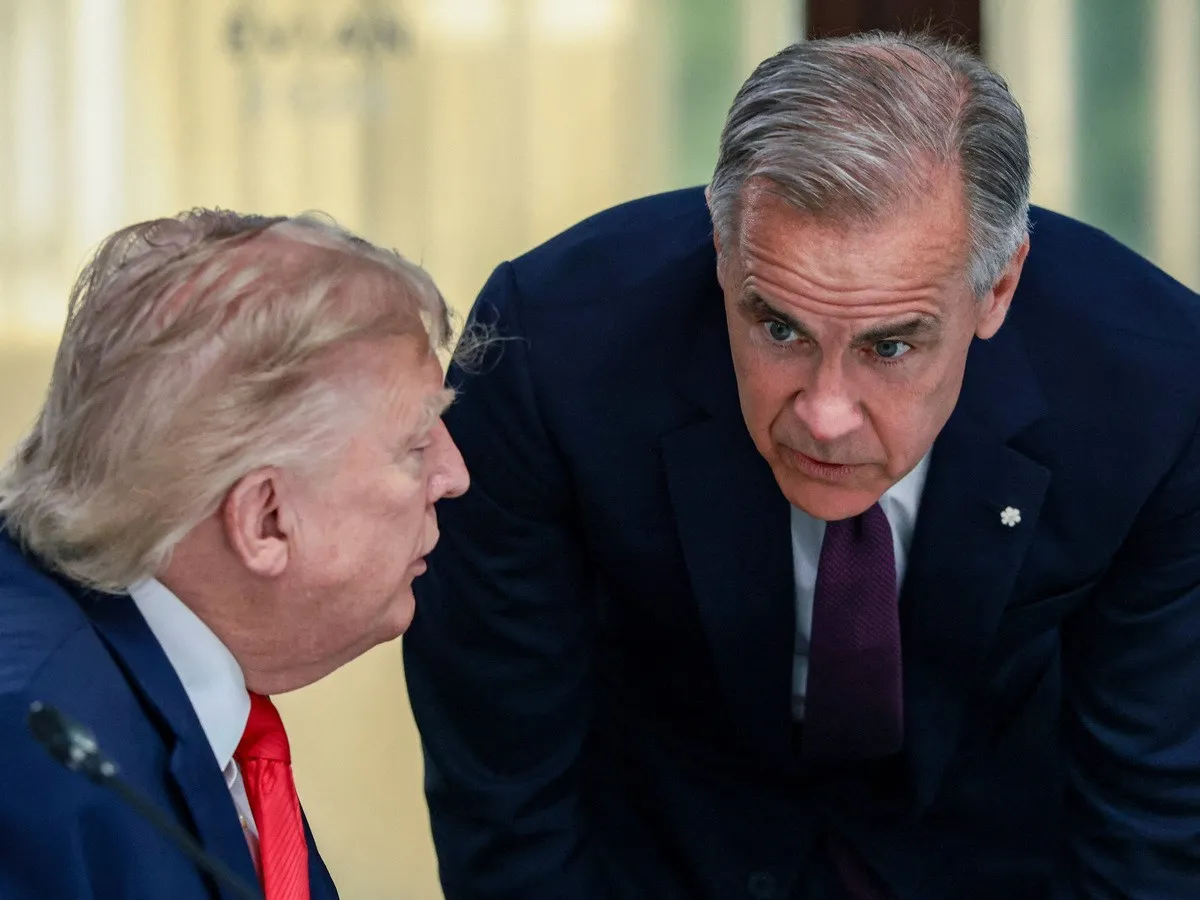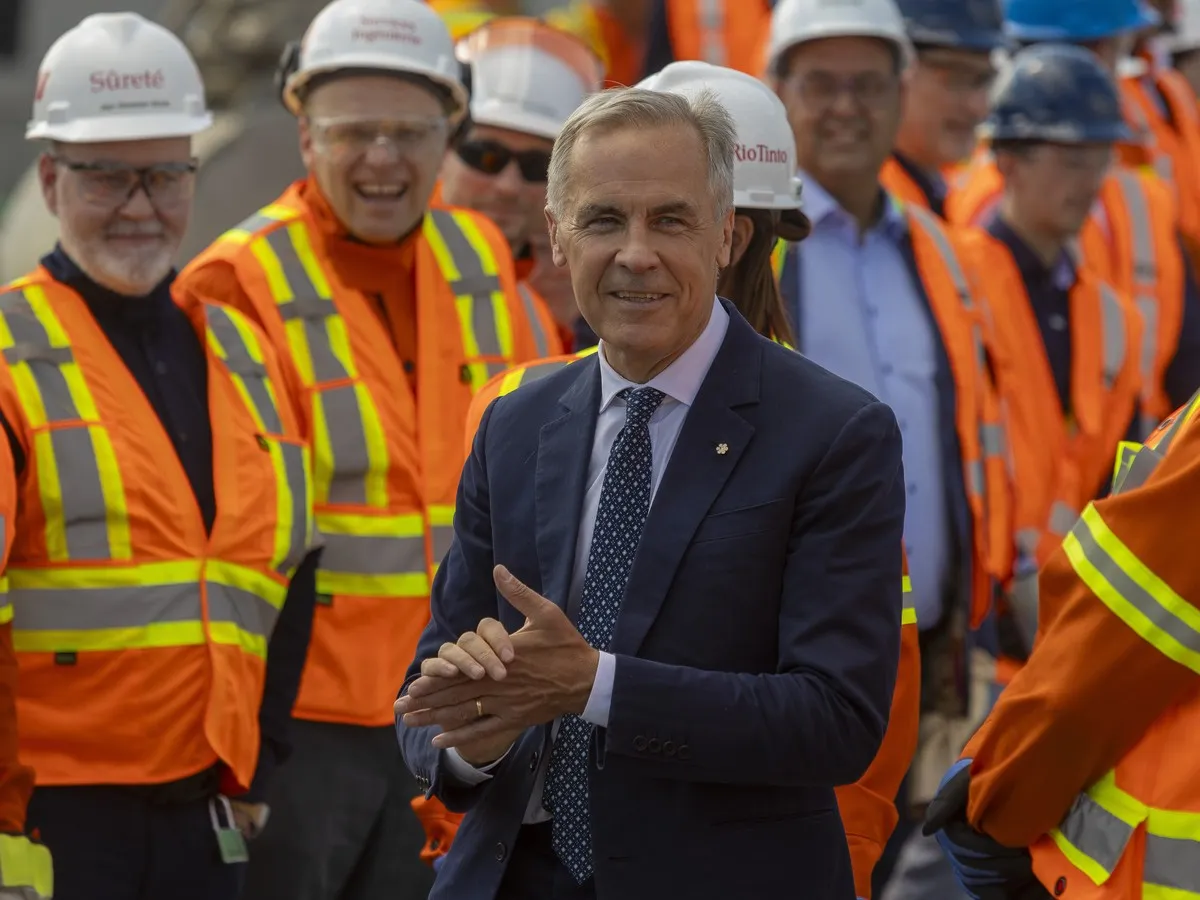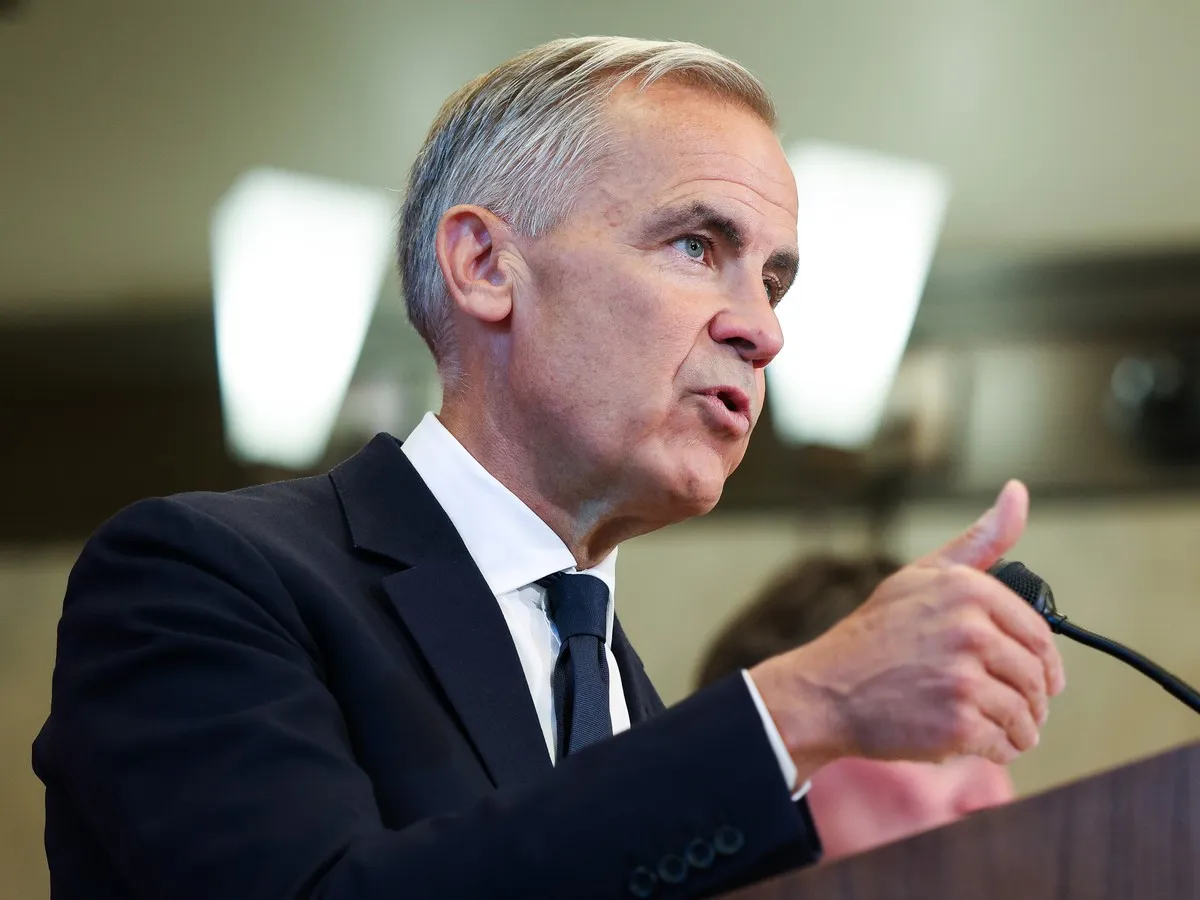
Skip to Content Subscribe My Account Manage My Subscriptions FAQ Newsletters Canada Canadian True Crime Canadian Politics Health World Israel & Middle East Financial Post NP Comment Longreads Puzzmo Diversions Comics NP News Quiz New York Times Crossword Horoscopes Life Eating & Drinking Style Sponsored Play for Ontario Travel Travel Canada Travel USA Travel International Cruises Travel Essentials Culture Books Celebrity Movies Music Theatre Television Business Essentials Advice Lives Told Tails Told Shopping Buy Canadian Home Living Outdoor Living Kitchen & Dining Tech Style & Beauty Personal Care Entertainment & Hobbies Gift Guide Travel Guide Amazon Prime Day Deals Savings National Post Store More Sports Hockey Baseball Basketball Football Soccer Golf Tennis Driving Vehicle Research Reviews News Gear Guide Obituaries Place an Obituary Place an In Memoriam Classifieds Place an Ad Celebrations Working Business Ads Archives Healthing Epaper Manage Print Subscription Profile Settings My Subscriptions My Offers Newsletters Customer Service FAQ Newsletters Canada World Financial Post NP Comment Longreads Puzzmo Diversions Life Shopping Epaper Manage Print Subscription HomeNP CommentWilliam Watson: Carney not signing trade deal was good, war talk wasn'tSupport industries affected by Trump's tariffs, but retaliation does us no goodLast updated 14 minutes ago Prime Minister Mark Carney speaks during a press conference addressing the trade situation with United States in Ottawa on Saturday, Aug. 22, 2026. Photo by HYUNGCHEOL PARK /PostmediaJaw-jaw is better than war-war, said Winston Churchill, who was well-versed in both. Of course, Churchill never jaw-jawed with Donald Trump, notorious bad-faith bargainer. Enjoy the latest local, national and international news.Exclusive articles by Conrad Black, Barbara Kay and others. Plus, special edition NP Platformed and First Reading newsletters and virtual events.Unlimited online access to National Post.National Post ePaper, an electronic replica of the print edition to view on any device, share and comment on.Daily puzzles including the New York Times Crossword.Support local journalism.Enjoy the latest local, national and international news.Exclusive articles by Conrad Black, Barbara Kay and others. Plus, special edition NP Platformed and First Reading newsletters and virtual events.Unlimited online access to National Post.National Post ePaper, an electronic replica of the print edition to view on any device, share and comment on.Daily puzzles including the New York Times Crossword.Support local journalism.Create an account or sign in to continue with your reading experience.Access articles from across Canada with one account.Share your thoughts and join the conversation in the comments.Enjoy additional articles per month.Get email updates from your favourite authors.Create an account or sign in to continue with your reading experience.Access articles from across Canada with one accountShare your thoughts and join the conversation in the commentsEnjoy additional articles per monthGet email updates from your favourite authorsSign In or Create an AccountorNear the end of Prime Minister Mark Carney’s news conference Saturday the National Post’s Christopher Nardi asked whether we were now in a trade war with the United States. “We were attacked,” Carney answered, “You’re at war when you get attacked. We got attacked.” So we are “at war” with by far our most important trading partner. It was a candid offhand remark that provided the lead to many news reports of Carney’s comments and is bound to have been noted in the White House. Firm action is good. Not signing a bad deal is good. Taunting a hair-trigger megalomaniac isn’t.The prime minister’s opening speech, which he read off a teleprompter in a monotone a little less enervating and a French slightly more fluent than when he first took office, was fine. Or at least half of it was. The first 10 minutes addressed the failed negotiations with a seriousness that met the gravity of the moment. The second 10 re-hashed all the good things the federal government has done — or at least announced — since coming to office to “Build Canada Strong” and make us more resilient, independent of the U.S. and connected to the world. It sounded a lot as if a second Carney v. Trump federal election may be coming, this one with Carney as Trump-defier rather than Trump-whisperer. The National Post newsletter that doesn’t hold back, giving readers the unvarnished truth on media, politics and culture.By signing up, you consent to receive the above newsletter from Postmedia Network Inc.A welcome email is on its way. If you don't see it, please check your junk folder.The next issue of Right? will soon be in your inbox.We encountered an issue signing you up. Please try againBeing more connected with other countries is certainly good. The prime minister touted our new free trade agreement with the United Arab Emirates, which we negotiated in just 47 days (which suggests it may not be deep or comprehensive). But in 2025 our exports to the UAE were US$2 billion, so just half a per cent of our US$409 billion of exports to the U.S. Is a country really more connected if it loses one big connection but picks up a lot of little ones? We will need 200 more UAEs to equal the economic weight of the U.S.For as long as Canada has existed, we have been skirmishing with the Americans over trade. Even longer, in fact. The U.S. abrogated the first free-trade agreement between us in 1866, the year before Confederation, when they terminated the Reciprocity Treaty of 1854. There have been irritants and bickering ever since, but also major policy achievements like the Auto Pact, Canada-U.S. free trade and NAFTA. So nobody’s pure on trade. But Carney is right: the U.S. clearly started this round. We were attacked. And there was no attempt to deny it: President Trump has said many times he wants to “re-shore” our steel, aluminum and auto businesses. In this fight we clearly have the moral high ground. We and China are the only countries, the U.S. whines, to have retaliated against their tariff blitzkrieg. That speaks well of us and China and poorly of all the other countries bullied into bad deals.But saying we’re now at war with the U.S., trade war at least, and sending return salvoes, won’t hold the high ground. The Americans’ stockpile of trade ammunition is way bigger than ours. And Americans who oppose Trump’s aggression against us, including many in Congress who will remain chicken-hearted until he’s a burnt-crisp lame duck, will find our escalation of language an excuse for continued fowl behaviour. Retaliation is also not best calculated to keep Trump under control. Does anyone doubt his response will be still more tariffs? You don’t like 50 per cent, he’ll fume, how about 100? You want a war, here’s a war. He hasn’t won a lot of wars lately. He’ll figure he can win this one. Ottawa’s position is that we should not sign a bad deal. Any deal with a supposed free-trade partner that codifies permanent double-digit tariffs in important industries like steel, aluminum and autos is a bad deal. Compared to the 1988 free trade deal, NAFTA and even CUSMA, this is a bad deal. The only reason you would sign a bad deal is if you thought all other potential deals were worse. Ironically, that’s non-signer Mark Carney’s forecast. Preston Manning says the definition of a Canadian optimist is someone who thinks things could be worse. A pessimist of any nationality is someone who thinks things will be worse. Which means Carney himself is the world’s leading trade pessimist. He spent much of his time Saturday arguing, as he told Canadians during his leadership and election campaigns and the global elite in his famous speech at Davos, that the good times for trade are now permanently dead, essentially because U.S. support for free and open world trade has gone and it ain’t coming back. Which is why we’re now undergoing a state-directed diversion of our economy away from the U.S. — effectively giving up on them forever.But not even the sharp minds in the PMO can foretell the future. On election night 2025 Carney himself said the most important Canadian value was humility. Yet now, quite un-humbly, he’s dead certain about America’s future trade policy evolution. And it’s Trump, Trump, Trump as far as his eye can see. But Trump’s lifelong almost fetishistic fascination with tariffs is not widely shared. Nor is his antipathy to this country. Nor is either in line with long-term U.S. national interests. So, yes, spend a rising share of what’s likely to be a declining national income helping out workers and businesses hit hard by Trump’s tariffs — though keep the help strictly temporary.But retaliation, however good it feels to Canadians who are retired or work in services or protected industries, mainly hurts everyone else. We have made our substantive point very clearly with our initial retaliation and by now walking away from the deal. Escalating with war talk won’t work and choosing to escalate taints us with aggression even in a fight we clearly didn’t start. Trump’s days are numbered: 580 down, only 881 left to go — though Trump Maximus — POTUS Totus, as it were — may end Nov. 3, just 72 days away, if the Democrats get control of the House and/or Senate. Yes, Trump’s successor is likely to be more protectionist than Ronald Reagan, the two Bushes, Bill Clinton and Barack Obama. And the status quo always has the political advantage of creating vested interests that work for its preservation. But my bet is the next president won’t be a Trump on trade. Which means better deals lie ahead. National Post Join the Conversation This website uses cookies to personalize your content (including ads), and allows us to analyze our traffic. Read more about cookies here. By continuing to use our site, you agree to our Terms of Use and Privacy Policy.
William Watson: Carney not signing trade deal was good, war talk wasn't
Support industries affected by Trump's tariffs, but retaliation does us no good
1,610 words~7 min read