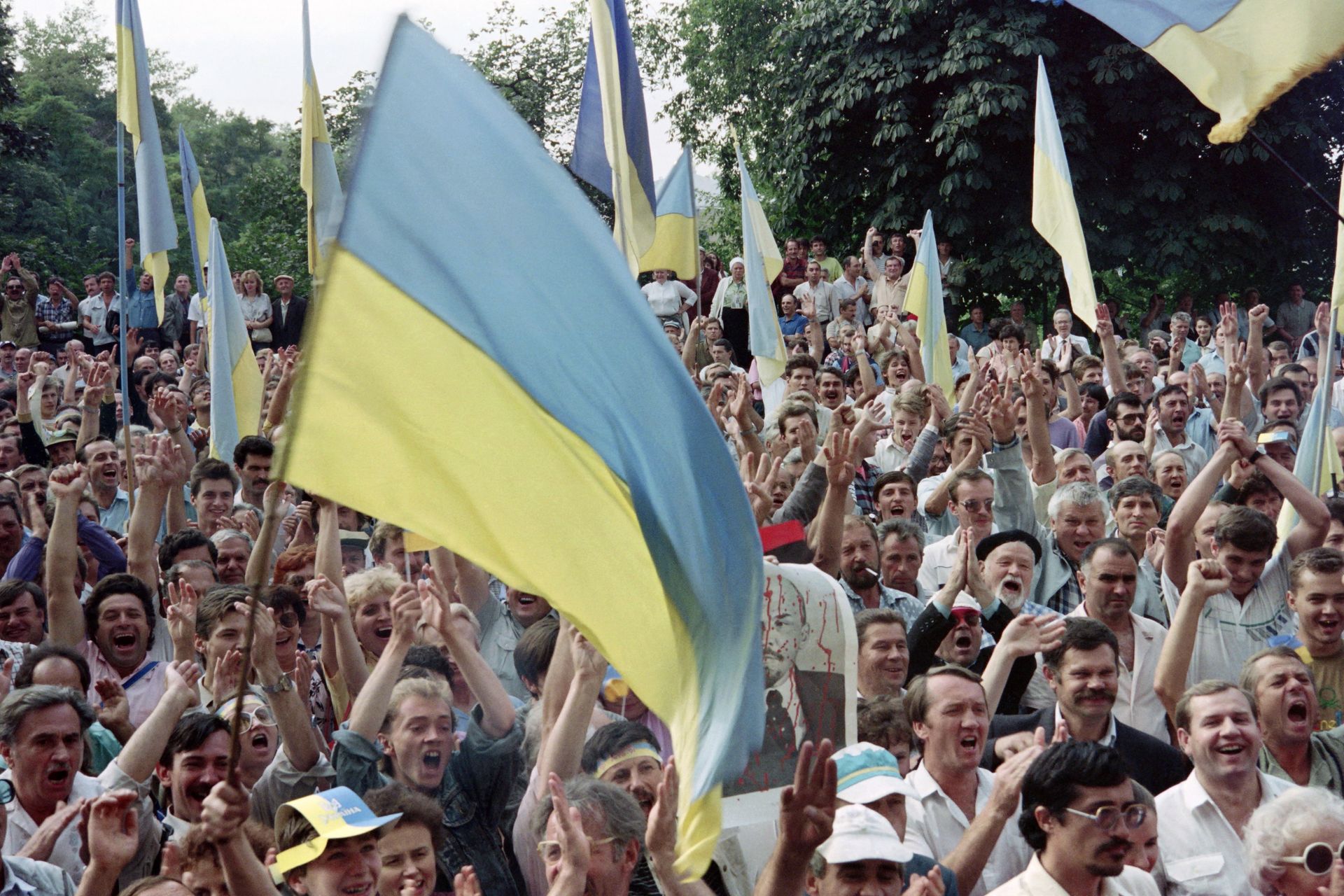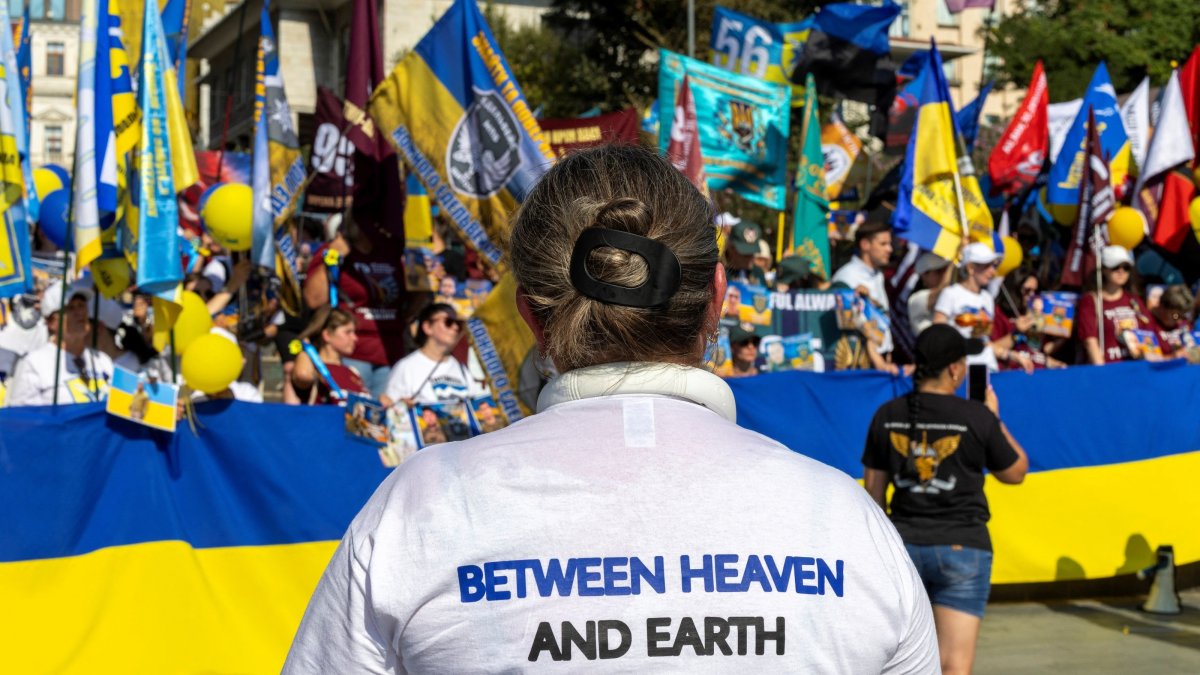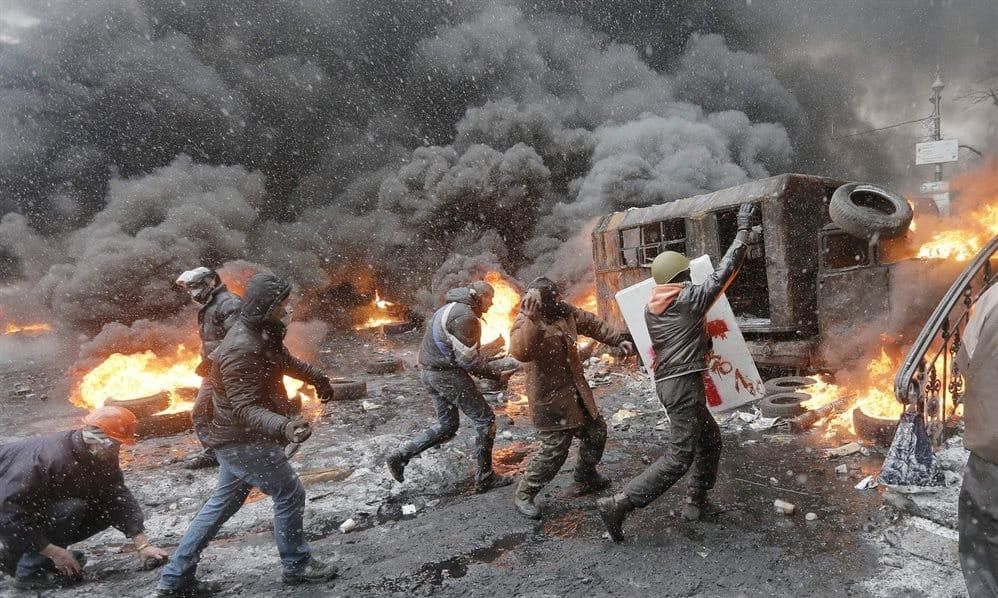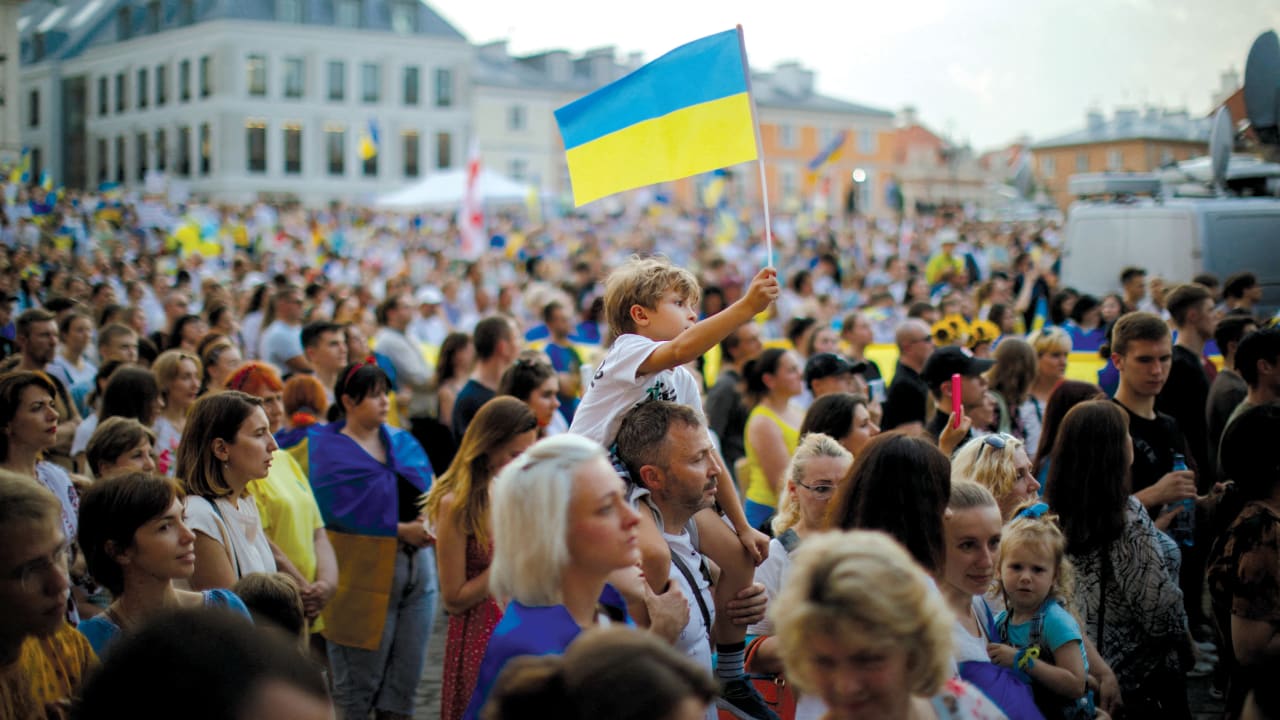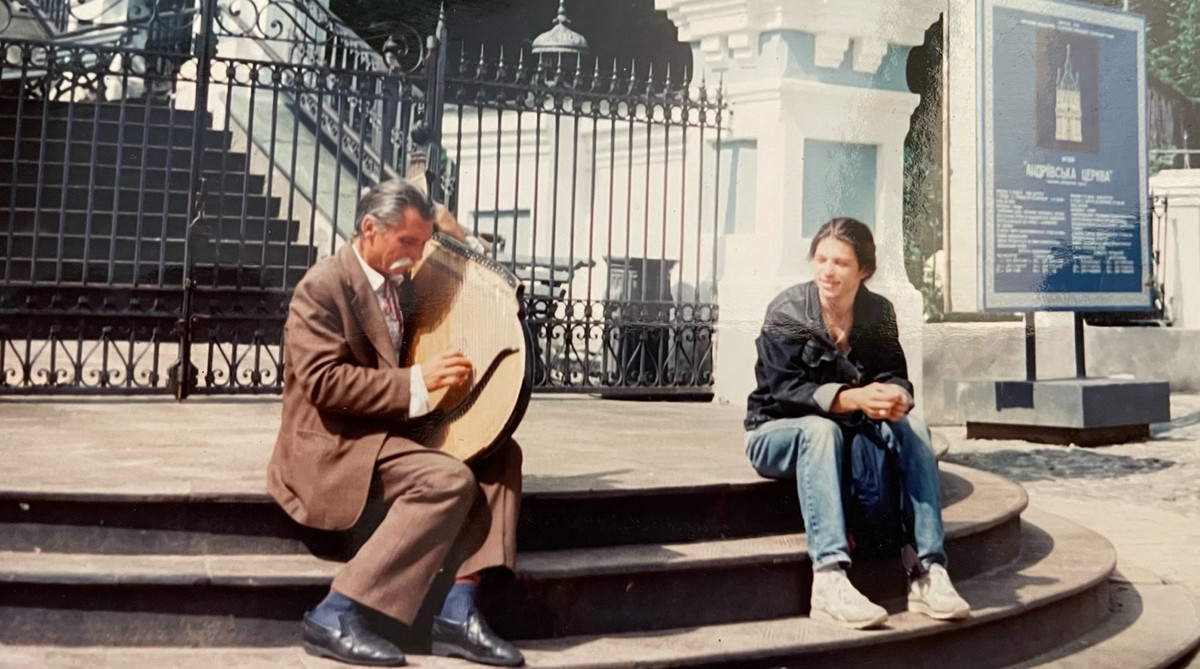
Just before my teenage father was taken from Ukraine to work as forced labor in Germany, his father told him not to come back until Ukraine was free. That was September 1942. My father didn’t expect it would take half a century. And along the way, he lost hope that Ukraine would ever be free in his lifetime. When I first arrived in Ukraine, shortly after the Soviet Union collapsed, it was a mythical land to me. I knew the language, culture, history – and the people somewhat. But reality there was like a weathered billboard – its advertisement faded, peeling and tattered in the wind – suddenly coming to life.JOIN US ON TELEGRAMFollow our coverage of the war on the @Kyivpost_official. I was traveling with one of my closest friends, the artist Roman Hrab, also the child of Ukrainians displaced during World War II who eventually settled in the New York area. Roman had been studying and teaching at a university in Pécs, Hungary, at the time. I’d been visiting friends throughout Europe. Roman and I met up in Budapest. Our plan was to take a train to the border and walk across it into that mythical land of Ukraine we’d heard so much about. Once there, we would improvise through the bucolic Carpathians toward Lviv. The final destination in our epic roots pilgrimage would be the capital, Kyiv. But borders, especially the ones in Eastern Europe, were much more impervious at that time. The Berlin Wall had only recently fallen, and the Iron Curtain’s cultural divide was still stark.
A Warning From the Heady Days After Independence: ‘We’ll Be a Banana Republic’ – Unless…
Independence was almost an unexpected gift to Ukrainians. Some poets understood it would still need to be earned.
320 words~1 min read