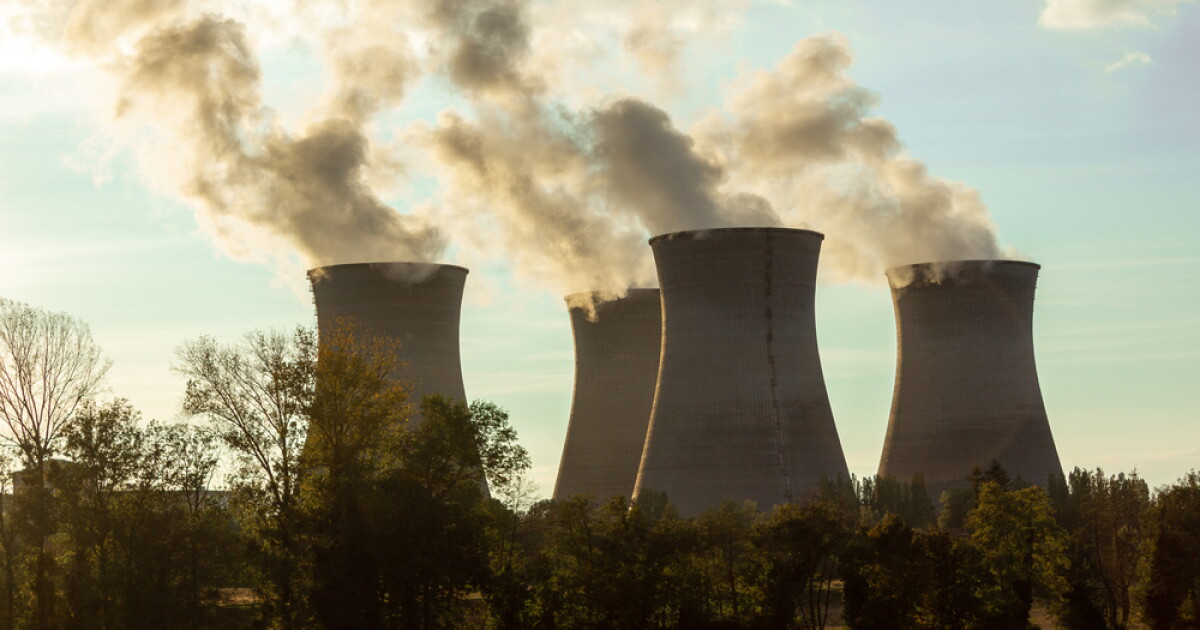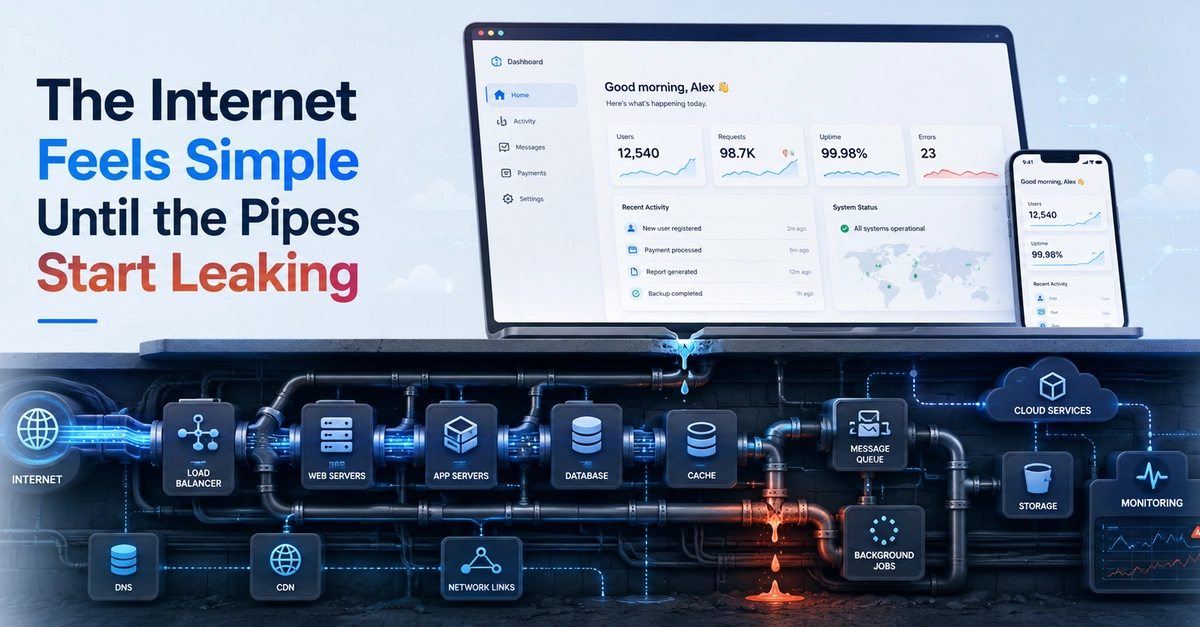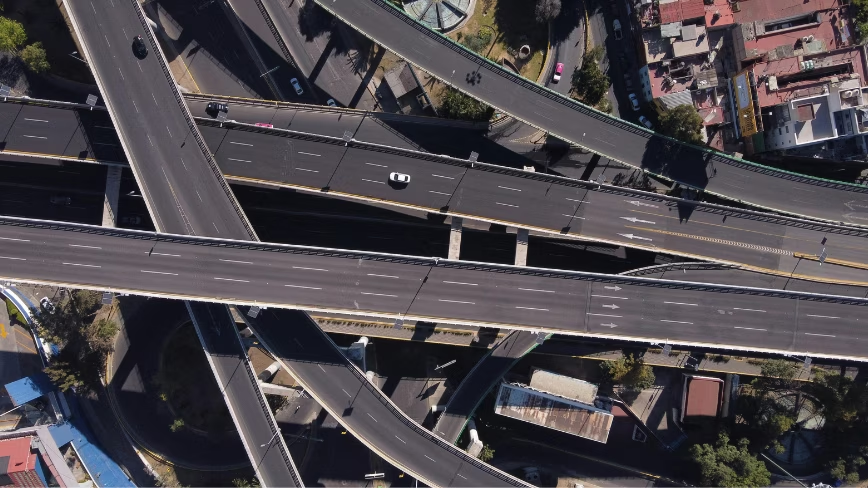
Infrastructure today is expected to perform reliably over decades, often in environments that are becoming more complex, more demanding, and less predictable.
This requires a shift in how infrastructure is designed and protected over time. In practice, it means careful attention to critical system interfaces, including how cable and pipe penetrations are sealed, how equipment is protected from environmental exposure, and how system integrity is maintained.
At the same time, regulatory frameworks are evolving, with increasing emphasis on safety, environmental protection, and system integrity across the full lifecycle of infrastructure. Asset owners are under growing pressure to ensure uptime, performance, and compliance over time. This creates a growing need to future-proof infrastructure against both environmental uncertainty and evolving regulatory demands.
The challenge is that systems are still often designed to meet immediate requirements, without fully accounting for long-term resilience. As a result, risks often come from early design decisions but only show up later in real-world use.
Why lifecycle protection matters