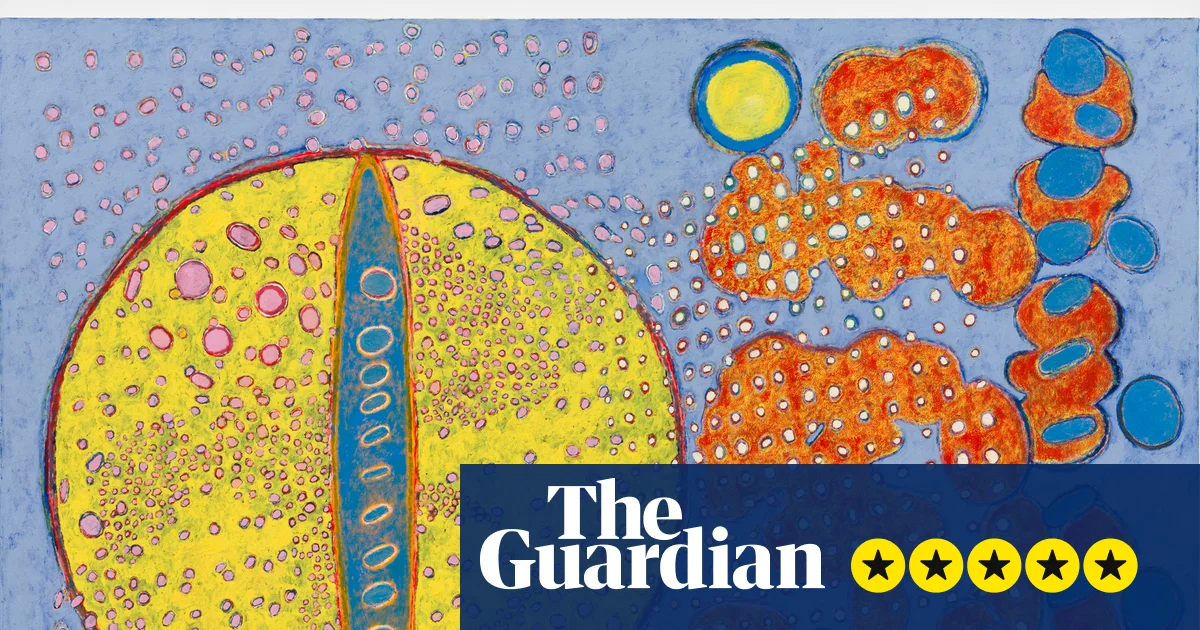
A painting can please the eye. A melody can move the heart. A building can make us pause in the street. Yet our deepest encounters with beauty rarely end with the judgment, “This is beautiful.” Something else follows: a question.
Why does proportion satisfy us? Why does harmony feel right? Why can a sequence of sounds, arranged by a human hand, awaken grief, joy or longing? Why can the night sky make an otherwise confident person suddenly feel small?
Modern culture is exceptionally good at describing what things are made of. We can analyze pigments, frequencies, materials and distant galaxies with extraordinary precision. But description is not the same as meaning.
Beauty becomes wonder when perception turns into contemplation.
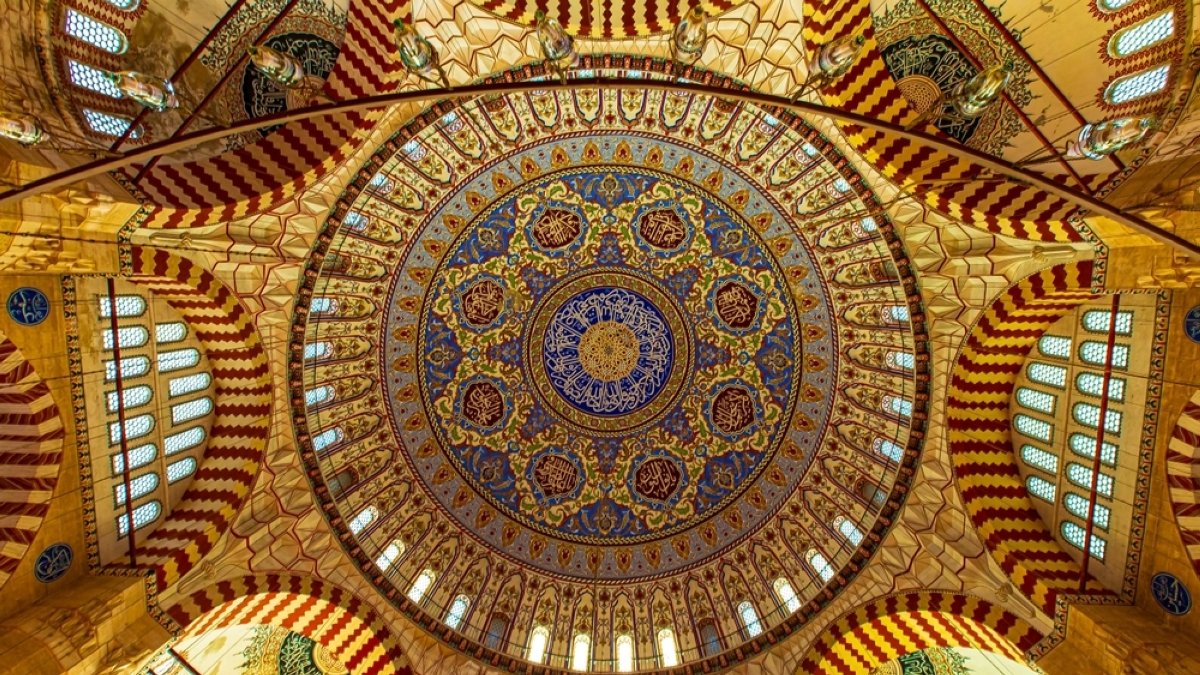
A flower can be explained through biology, but explanation does not exhaust the experience of seeing it bloom. A symphony can be reduced to frequencies and structures, yet no equation quite captures the feeling of being carried somewhere by sound. A cathedral can be measured, but measurement cannot fully account for the silence that falls over a person beneath its vault.