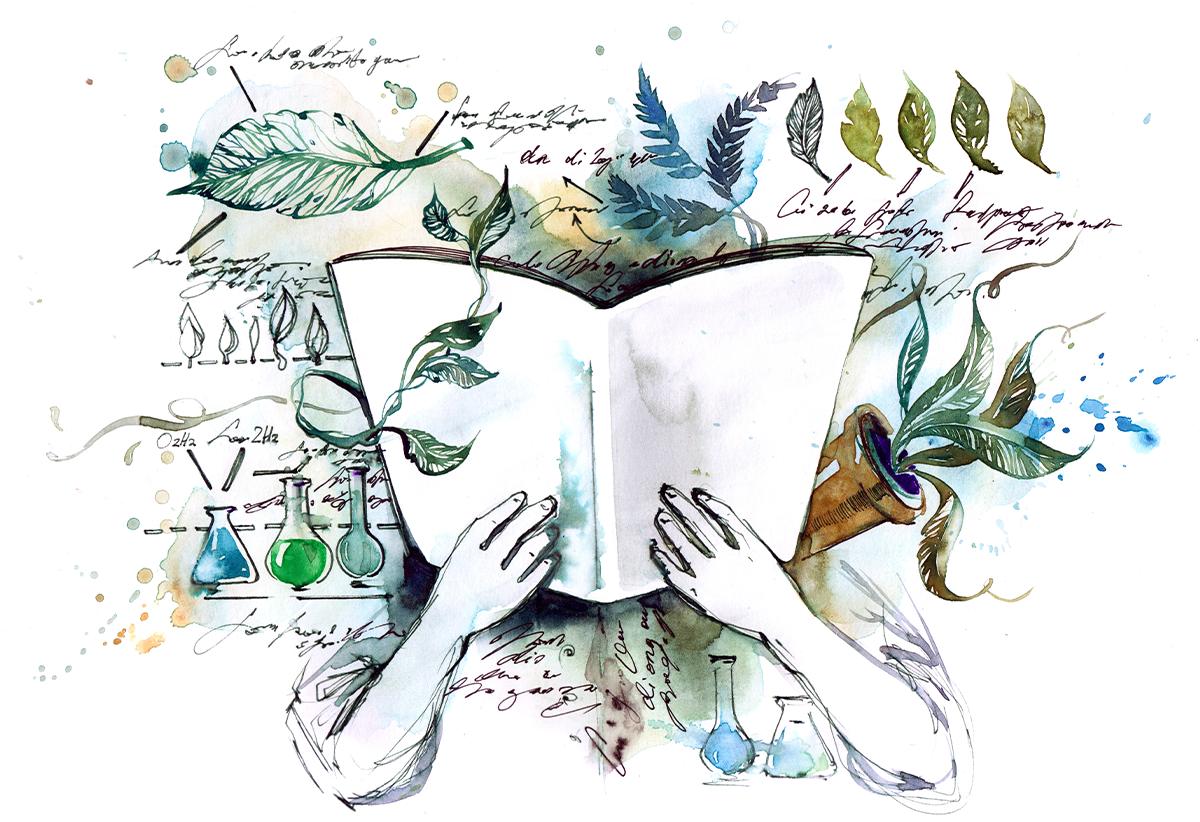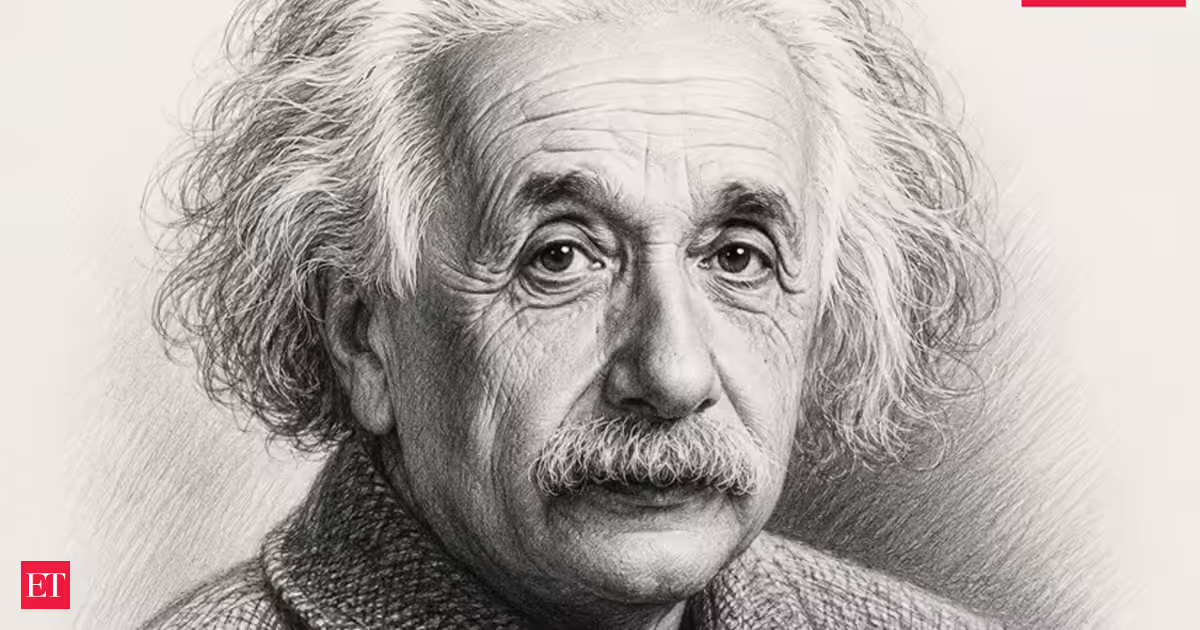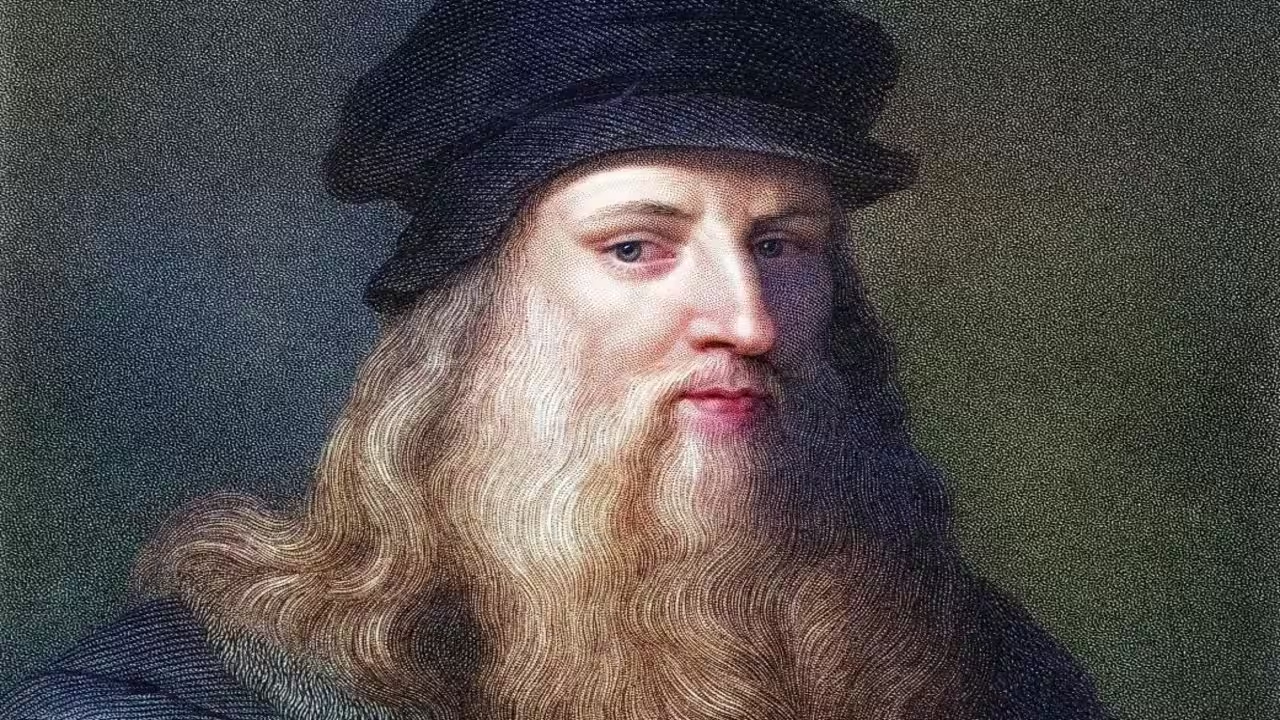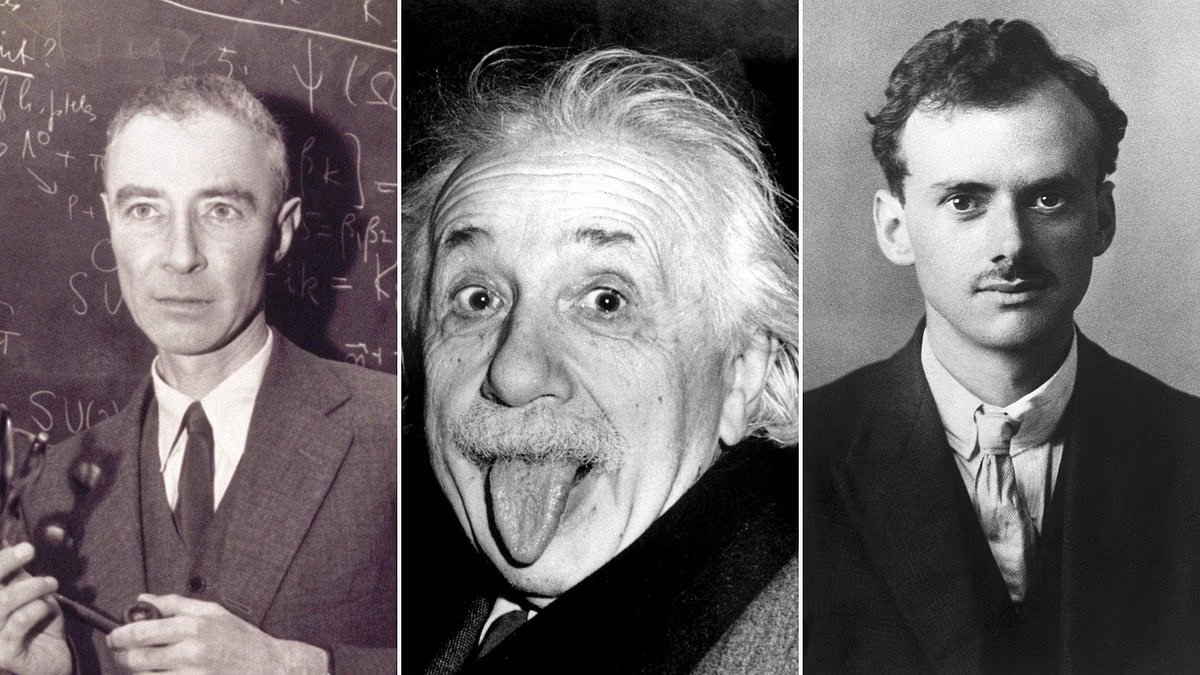
There was a time when the pursuit of knowledge was not merely an intellectual exercise but an act of reverence. Nature was not regarded as a mechanism to be mastered, nor the universe as an accidental arrangement of matter. To study the world was to encounter meaning woven into creation itself.
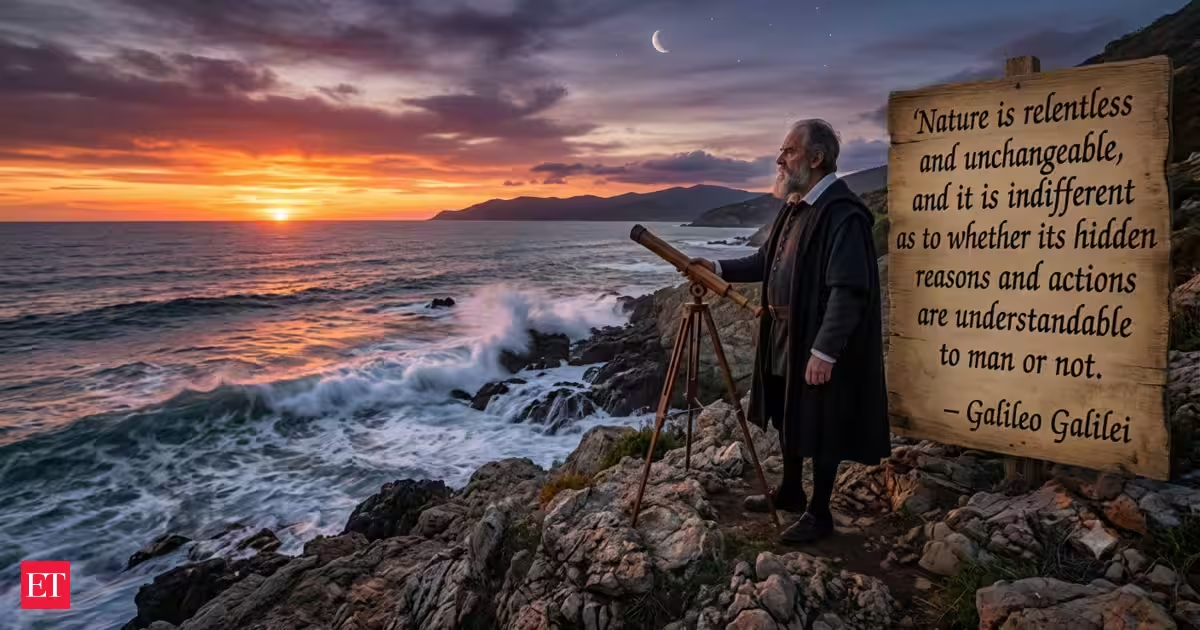
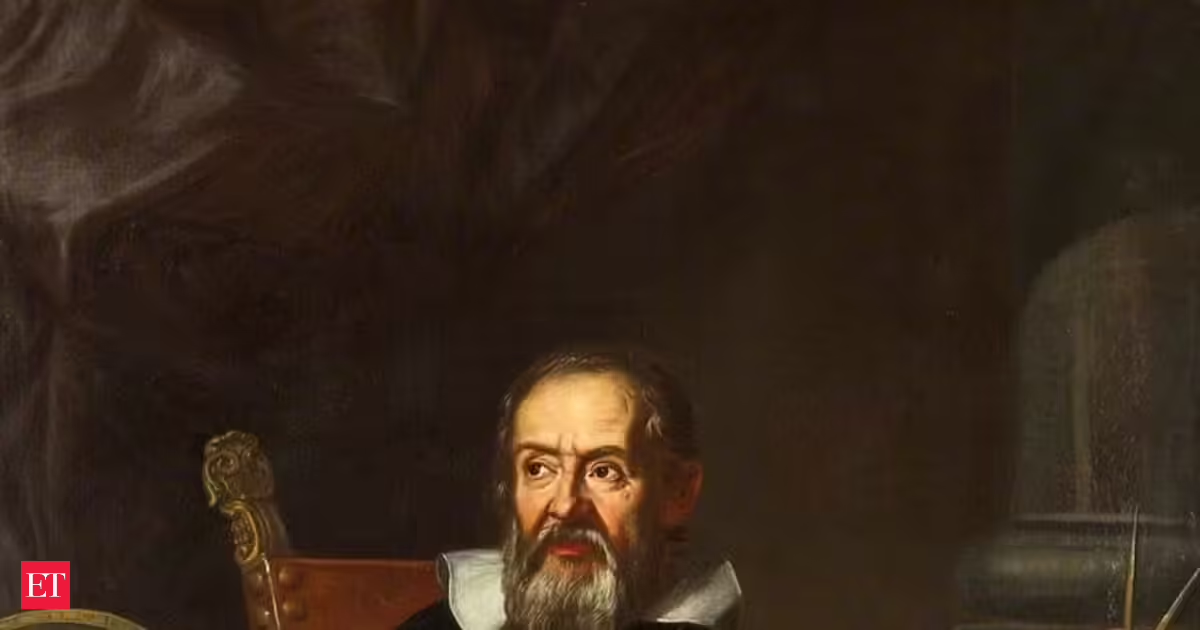
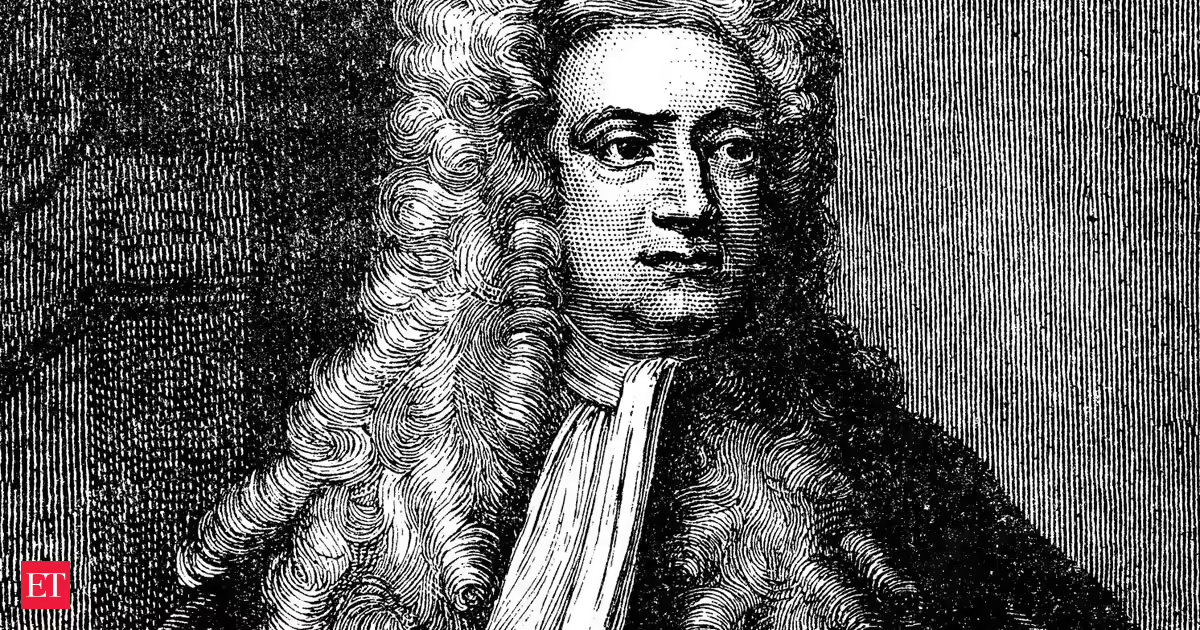
When Galileo Galilei turned his telescope toward the night sky, he saw far more than celestial bodies. He believed the universe could be understood through mathematics because it reflected an underlying order rather than chaos. Across civilizations, many of history's greatest thinkers shared a similar conviction: reason and wonder were not opposing forces but complementary paths toward truth.
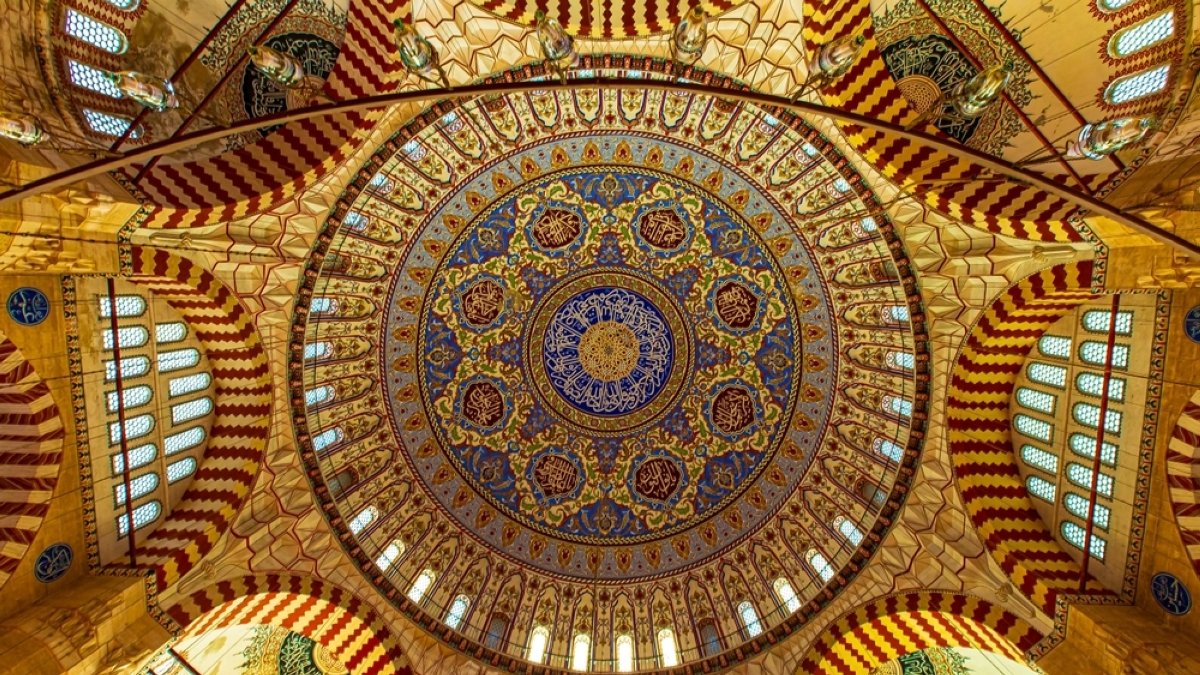
In that intellectual landscape, disciplines were not sealed within rigid boundaries. Astronomy conversed with philosophy, mathematics resonated with music and architecture expressed theology through proportion and geometry. Scientific inquiry, artistic creation and spiritual reflection formed a continuous conversation about reality. The human intellect was understood as a unified faculty: the same mind that calculated the movement of planets could also stand in silent awe before a work of art or a star-filled sky. Precision and contemplation belonged together.