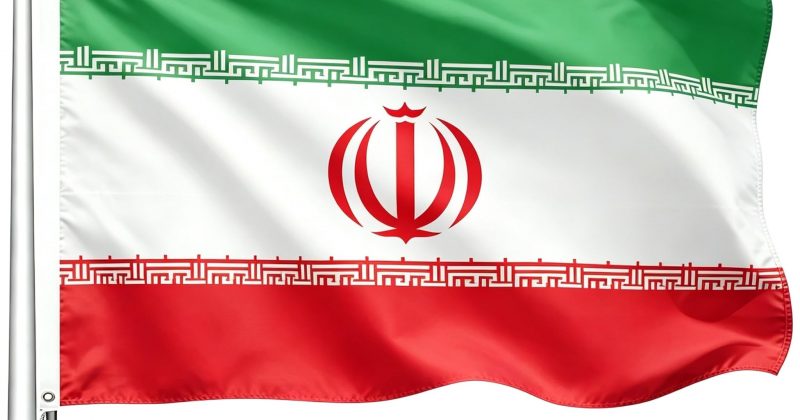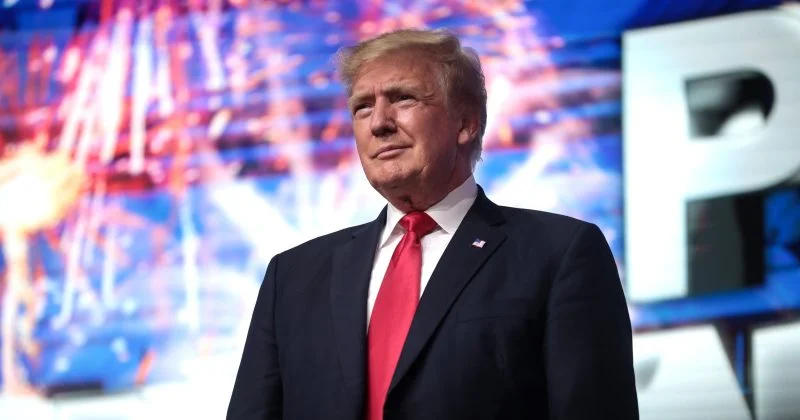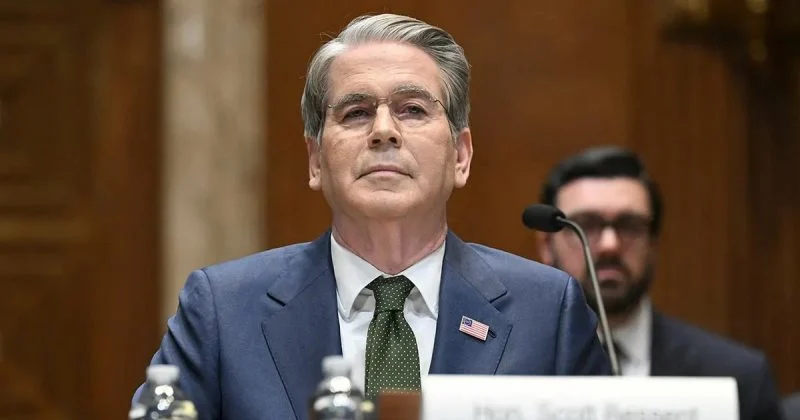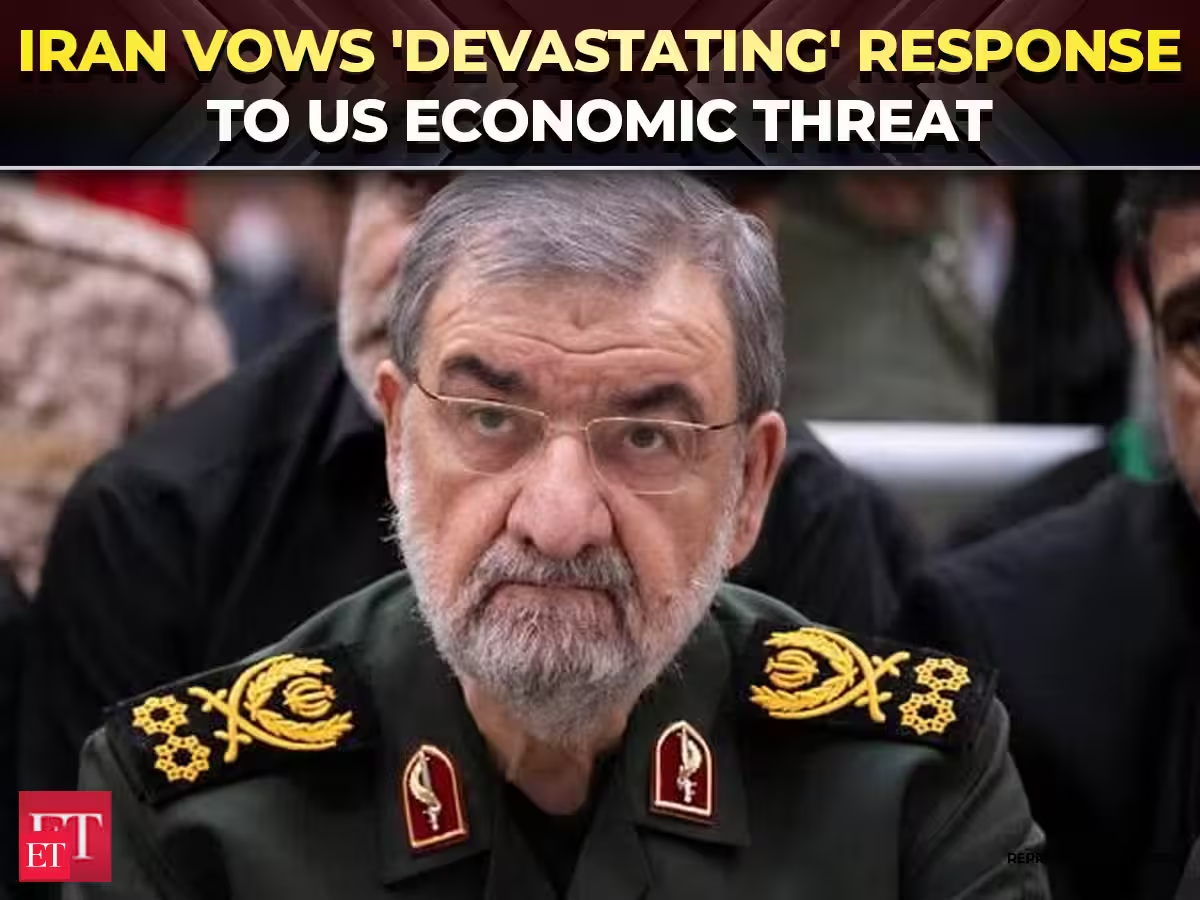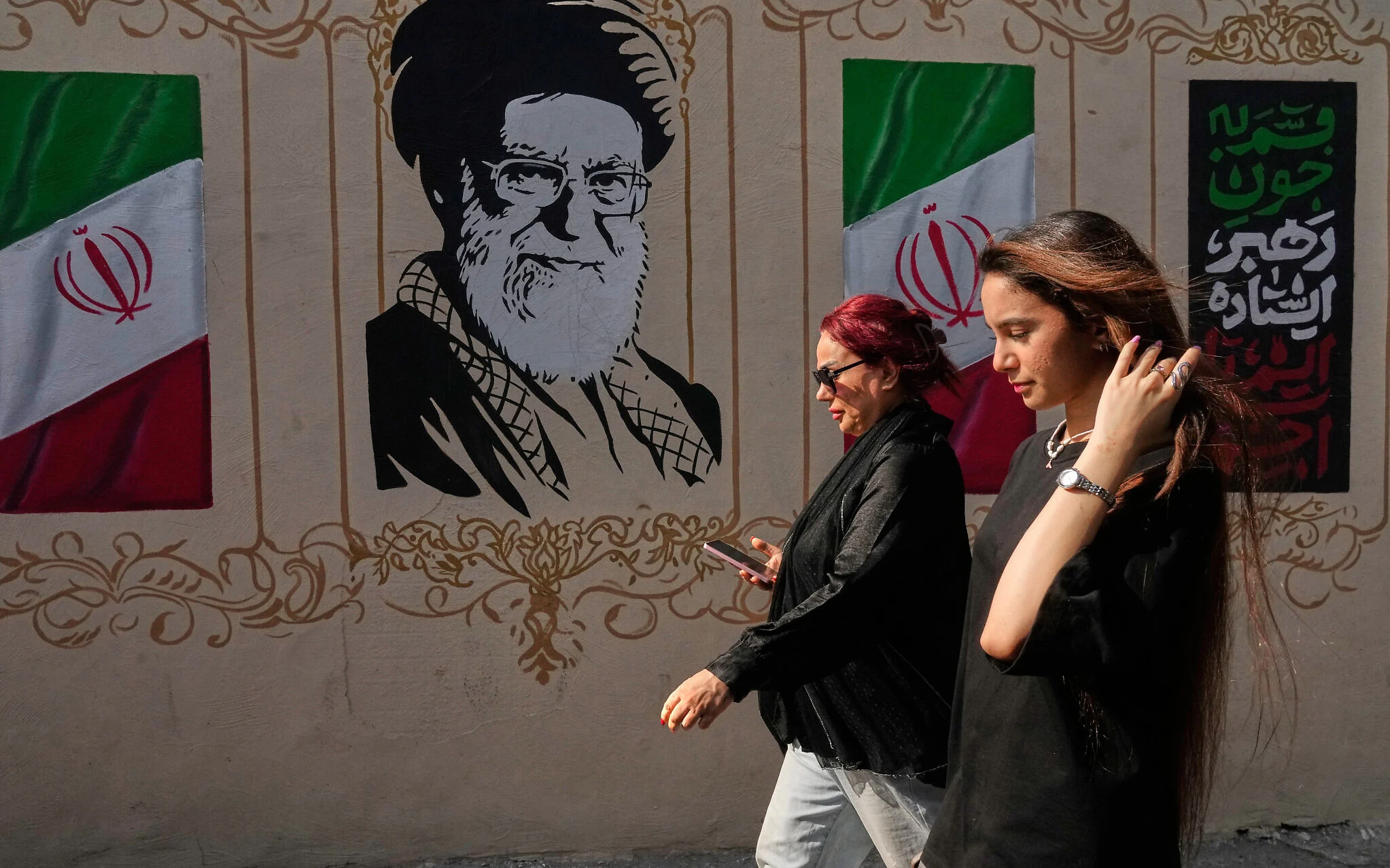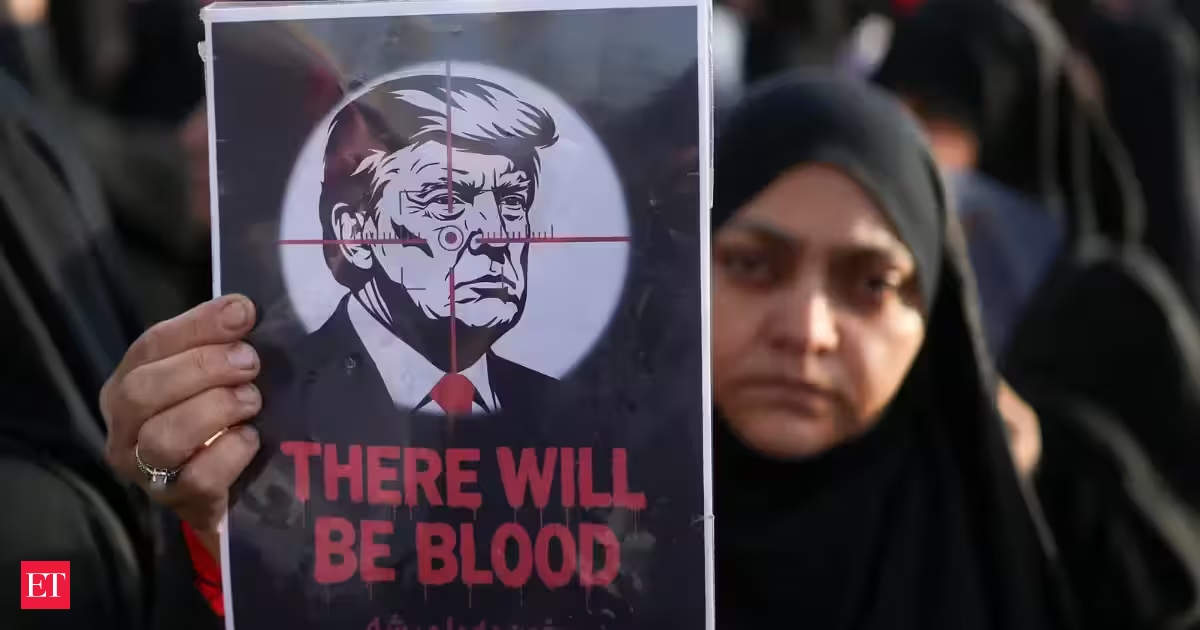
Iran’s national security chief has declared that the country will target U.S. economic interests if faced with new sanctions. This statement intensifies the ongoing confrontation between the U.S. and Iran over sanctions, nuclear issues, and regional security. The threat marks a potential escalation in rhetoric, shifting the focus from merely resisting sanctions to possibly engaging in asymmetric retaliation against commercial and energy-linked targets.
The backdrop of this development is a landscape of heightened economic and diplomatic pressure, with recent moves indicating increased tensions. The U.S. has been imposing or threatening additional sanctions, while Iran has been vocal about its intent to retaliate against countries and interests involved in this campaign. This latest threat could further complicate the already challenging path to a U.S.-Iran deal in 2026, as reflected in prediction markets.
Current market data suggests a decrease in confidence regarding the possibility of a U.S.-Iran deal that includes reconstruction funding by the end of 2026. The odds of such an outcome have decreased slightly over the past week. This appears consistent with the increased tensions following Iran’s threat, which may have influenced market participants’ perceptions of the likelihood of a diplomatic resolution.