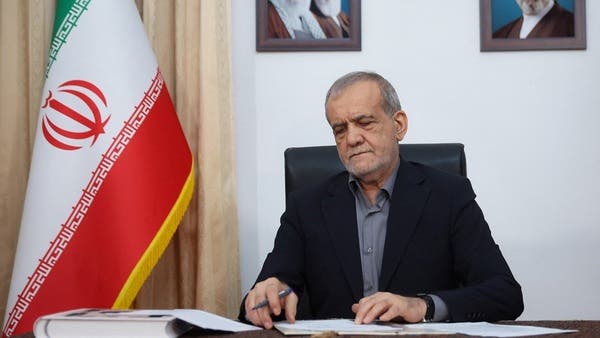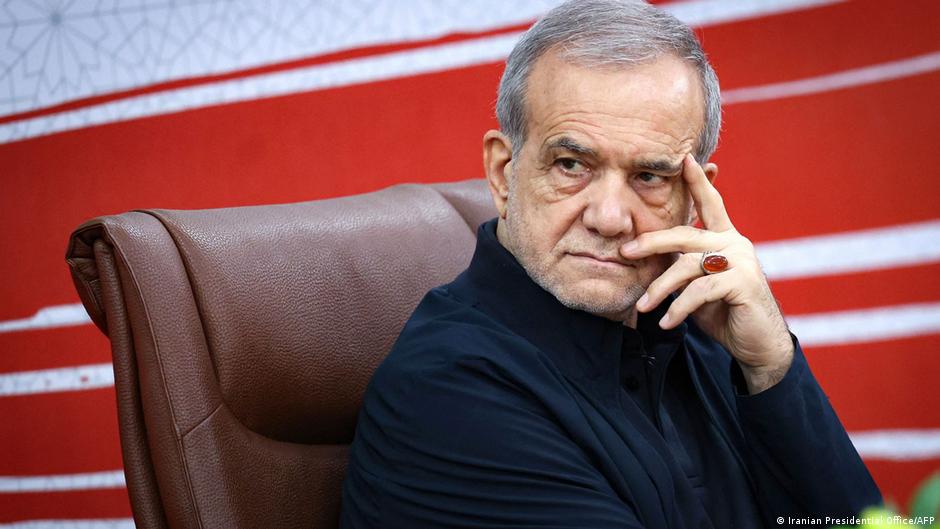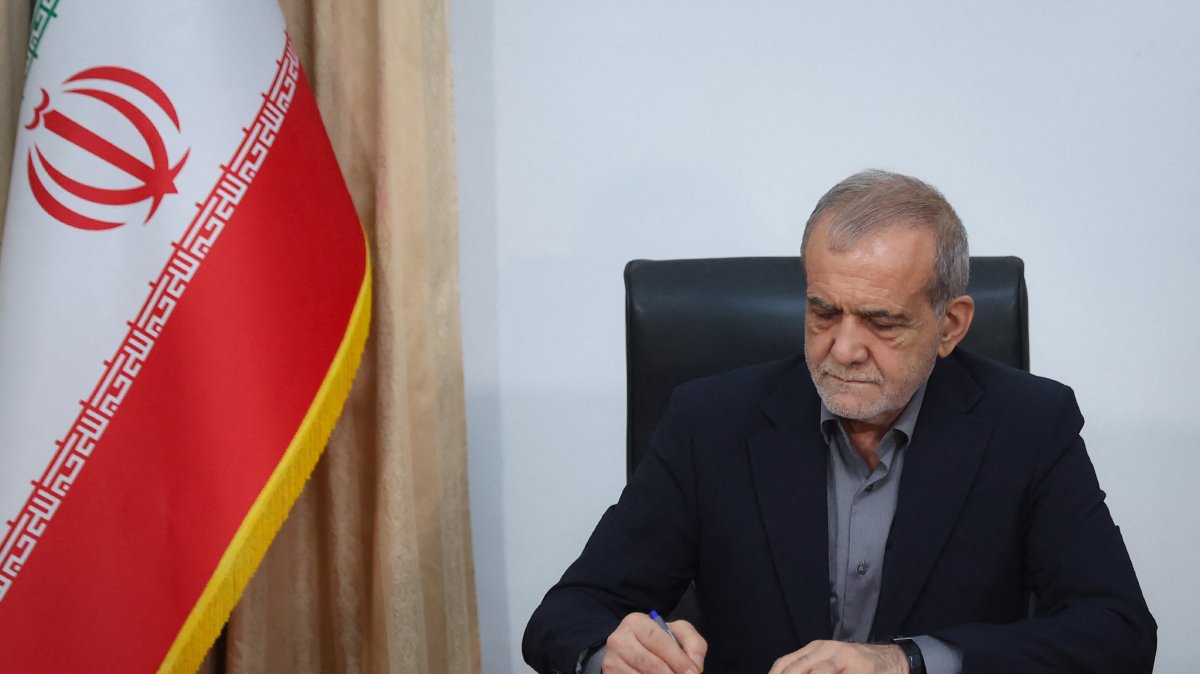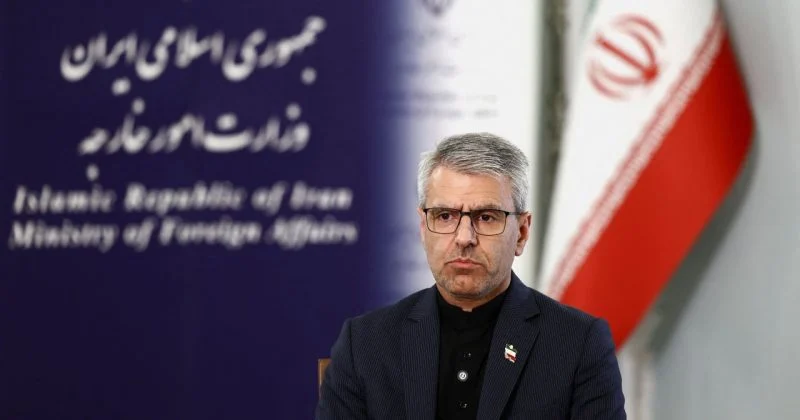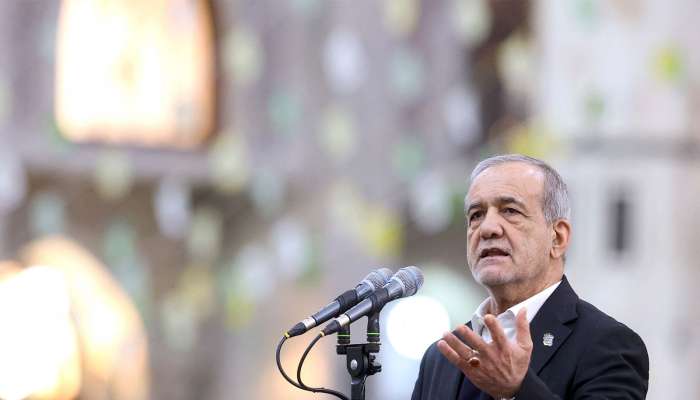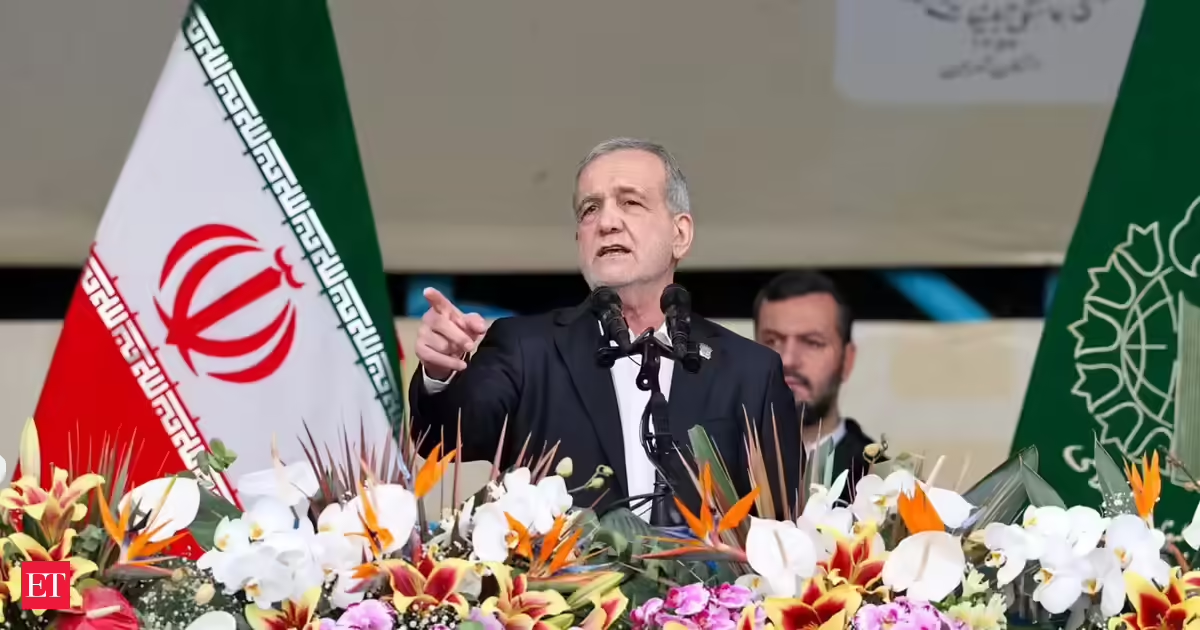
Iranian President Masoud Pezeshkian is pushing back against a growing chorus of critics who say his government caved to Washington. The target of the backlash: a 14-point memorandum of understanding signed with the United States in June 2026, which Pezeshkian has called a “major accomplishment” and which his opponents have called something considerably less flattering.
In statements made on August 8, 2026, the Iranian president urged domestic authorities to support and implement the agreement, insisting that none of its clauses amount to a surrender. He went further, claiming that all binding commitments in the deal fall on the American side, not Iran’s.
What the deal actually covers
The MOU was signed on or around June 18, 2026, following mediation by Pakistan and Qatar. The agreement is structured around 14 key provisions designed to accomplish three broad goals: end active hostilities between Tehran and Washington, regulate shipping through the Strait of Hormuz, and kick off a 60-day window for discussions about Iran’s nuclear program.
The Strait of Hormuz provision is also significant. Under the MOU, navigation through the strait would be governed by Iranian regulations, a detail that Tehran views as a recognition of its sovereignty.