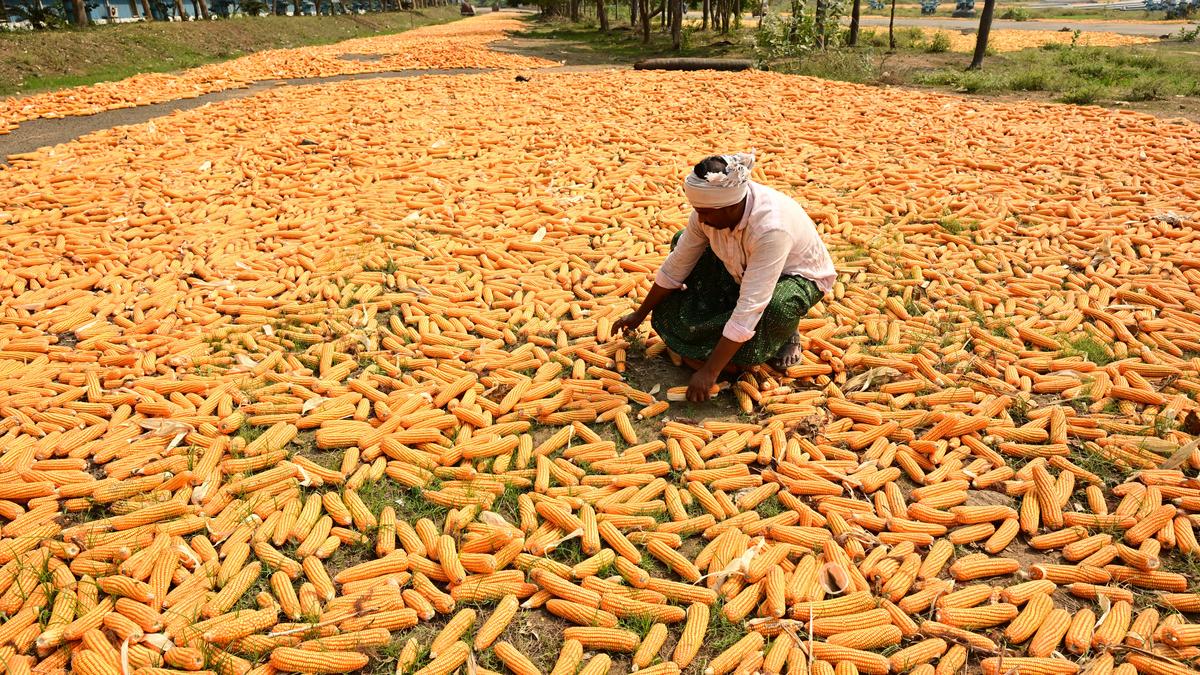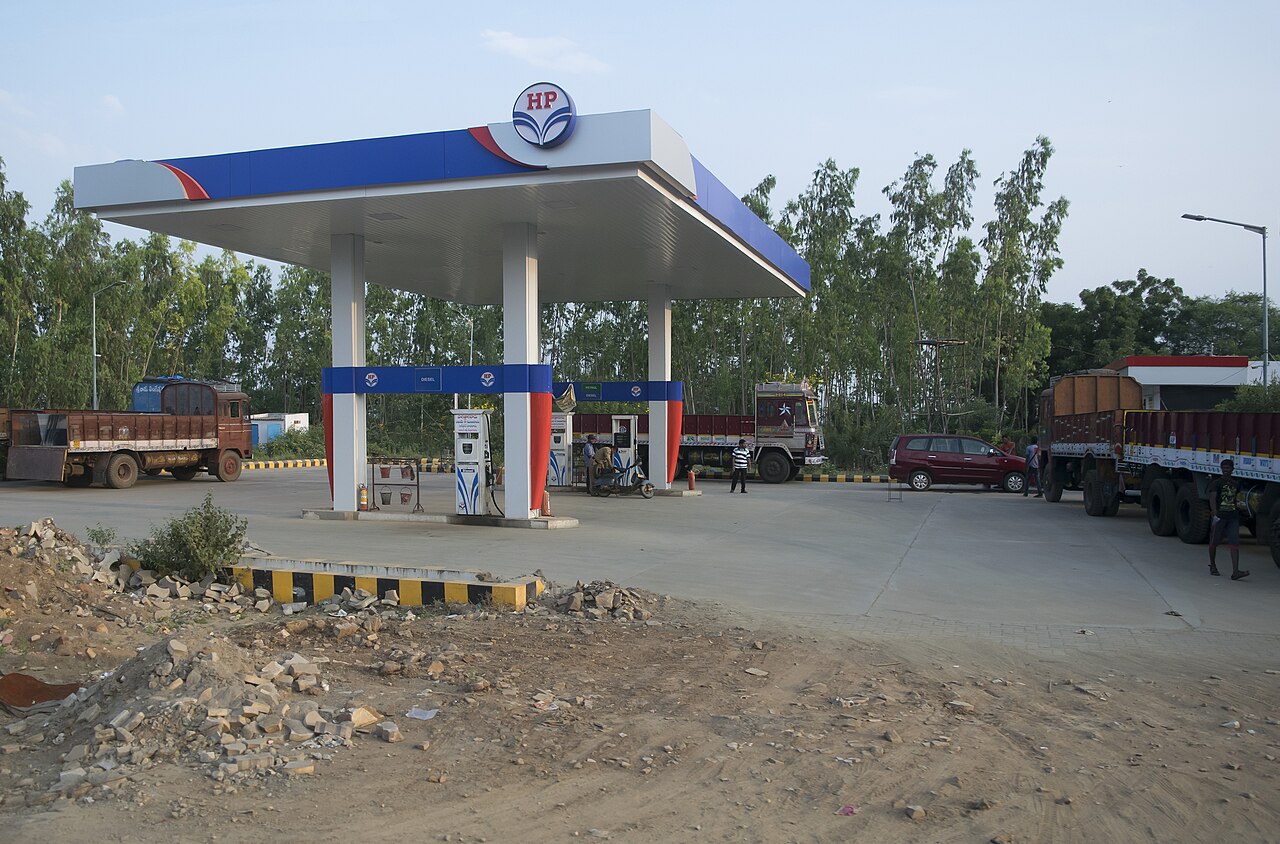
India’s achievement of 20 per cent ethanol blending in petrol is often framed as an energy-security milestone.
| Photo Credit:
India’s ethanol journey is often viewed through the prism of energy security: lower crude-oil imports, cleaner mobility and a more self-reliant fuel economy. Important as these outcomes are, they tell only half the story. The deeper transformation is taking place in India’s farms, where ethanol is building a new and durable source of demand for agricultural produce.For decades, farmers have faced the familiar paradox of Indian agriculture: a strong harvest can weaken prices, while market cycles and delayed payments can erode the benefit of higher production. Ethanol introduces an important corrective. It converts a portion of agricultural output into energy, linking the farmer’s field to one of the country’s largest and most stable consumption markets, the fuel market. Since Ethanol Supply Year (ESY) 2014–15, the Ethanol Blended Petrol Programme has transferred over ₹1.66 lakh crore directly to Indian farmers. This is not a subsidy in the conventional sense. It is income generated through a market-backed value chain: crops are procured, processed into ethanol and supplied to oil marketing companies for blending with petrol.A new market for agricultureIndia’s achievement of 20 per cent ethanol blending in petrol is often framed as an energy-security milestone. Yet its more lasting significance may lie in the market it has created for Indian agriculture. By linking domestic fuel consumption with farm-based feedstocks, ethanol has given agriculture access to a demand source that is large, recurring and less exposed to the traditional cycles of crop surplus and weak commodity prices. The scale is already evident. In ESY 2024–25, oil marketing companies procured over 1,000 crore litres of ethanol. This demand has helped build an alternative economic pathway for agricultural output. For sugarcane farmers, ethanol offers an important buffer when sugar inventories rise, and mill realisations come under pressure. Mills can divert eligible feedstocks including B-heavy molasses, sugarcane juice and syrup towards ethanol, generating another source of revenue rather than relying solely on sugar sales.That additional revenue is particularly meaningful because it improves liquidity at the mill level, where the ability to pay farmers is often determined. In effect, ethanol does not replace the sugar economy; it makes it more resilient. It enables mills to manage market volatility better and gives cane growers a stronger prospect of timely payment for their produce.Better cash flows, wider opportunityWhat began as a sugarcane-linked opportunity is now widening into a broader agricultural opportunity. Once ethanol demonstrated its ability to strengthen the sugar value chain, the policy focus naturally turned towards other feedstocks that could participate in this growing market. Maize has emerged as one such crop. The administered procurement price for maize-based ethanol around ₹71.86 per litre offers a commercially meaningful signal to growers and processors. It gives maize farmers an additional source of demand alongside food, feed and export markets. For regions suited to maize cultivation, this can support more diversified crop choices and reduce the risk of dependence on a single market or commodity cycle. The same logic applies to grain surpluses. The approval of 72 lakh metric tonnes of surplus FCI rice for ethanol production in ESY 2025–26 reflects an effort to transform excess stocks into productive economic activity. The purpose is not to divert food indiscriminately towards fuel. It is to use surplus and damaged grain judiciously, while aligning feedstock choices with regional crop patterns. This balance will determine whether ethanol remains both economically credible and socially sustainable.Building the rural energy economyAs the feedstock base expands, the impact of ethanol moves beyond crop procurement. A reliable ethanol market encourages investment in the infrastructure needed to convert farm output into fuel: distilleries, storage facilities, transport networks, laboratories and local technical services. This is where ethanol begins to function not just as a blending programme, but as a rural industrialisation opportunity.For instance, India’s ethanol production capacity has grown from around 421 crore litres in 2014 to nearly 2,000 crore litres by 2026. This expansion creates a wider local economic ecosystem around agriculture, generating demand for produce while also supporting logistics, engineering, maintenance and skilled employment in and around production clusters.The confidence to make these investments comes from assured demand. Public-sector oil marketing companies have signed 233 long-term offtake agreements with dedicated ethanol plants, providing greater visibility to producers and investors. For farmers, this matters because a stable processing ecosystem ultimately means a more dependable chain of buyers for their crops. The programme has also saved over ₹1.97 lakh crore in foreign exchange and substituted around 316 lakh tonnes of crude oil. But these national gains are best understood as the outcome of a more fundamental shift: Indian agriculture is becoming an active contributor to India’s energy security. The farmer is no longer only annadata; through ethanol, the farmer is increasingly becoming urjadata, a producer of food, income and home-grown energy.The author is Vice Chairman & Managing Director, Triveni Engineering & Industries Ltd.Published on August 23, 2026