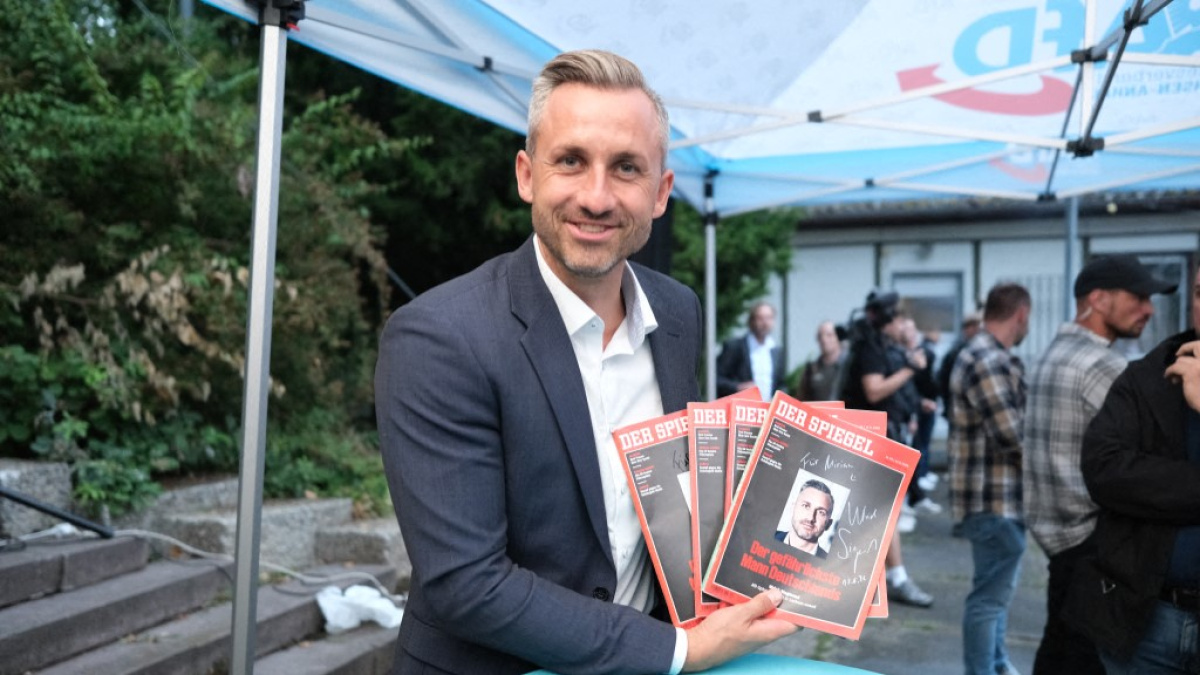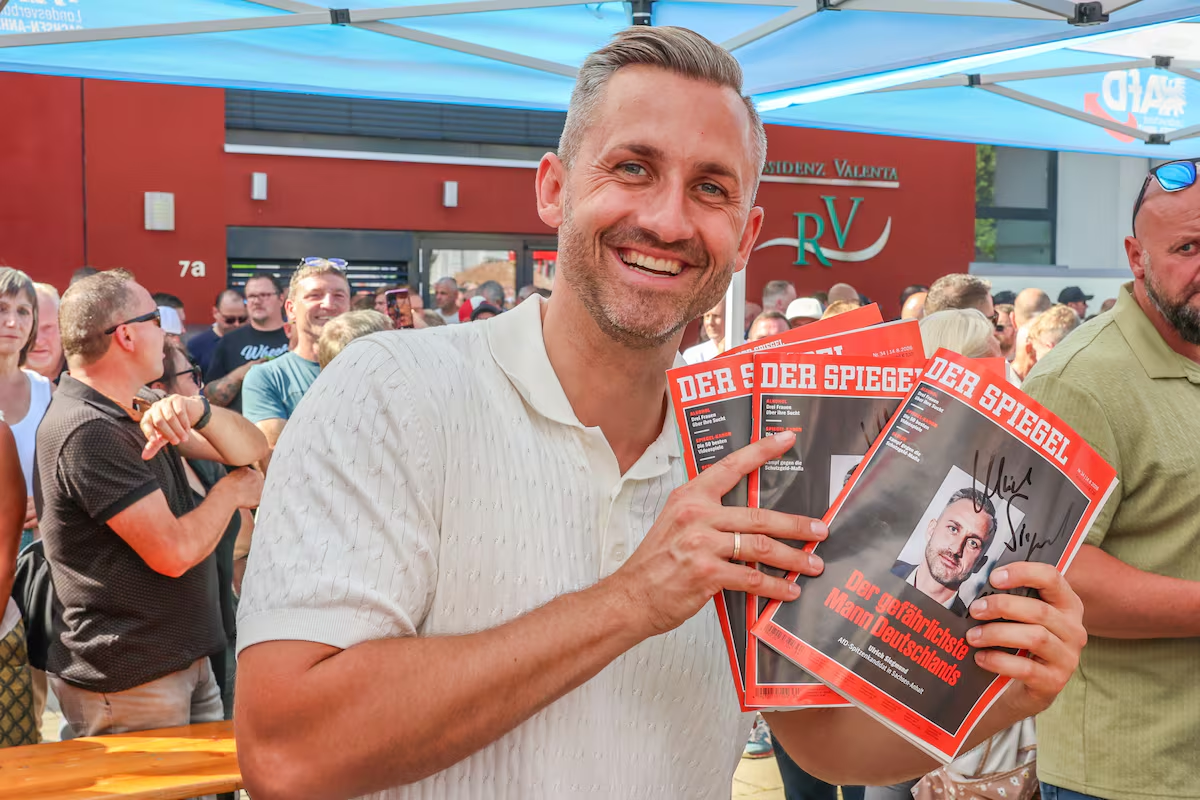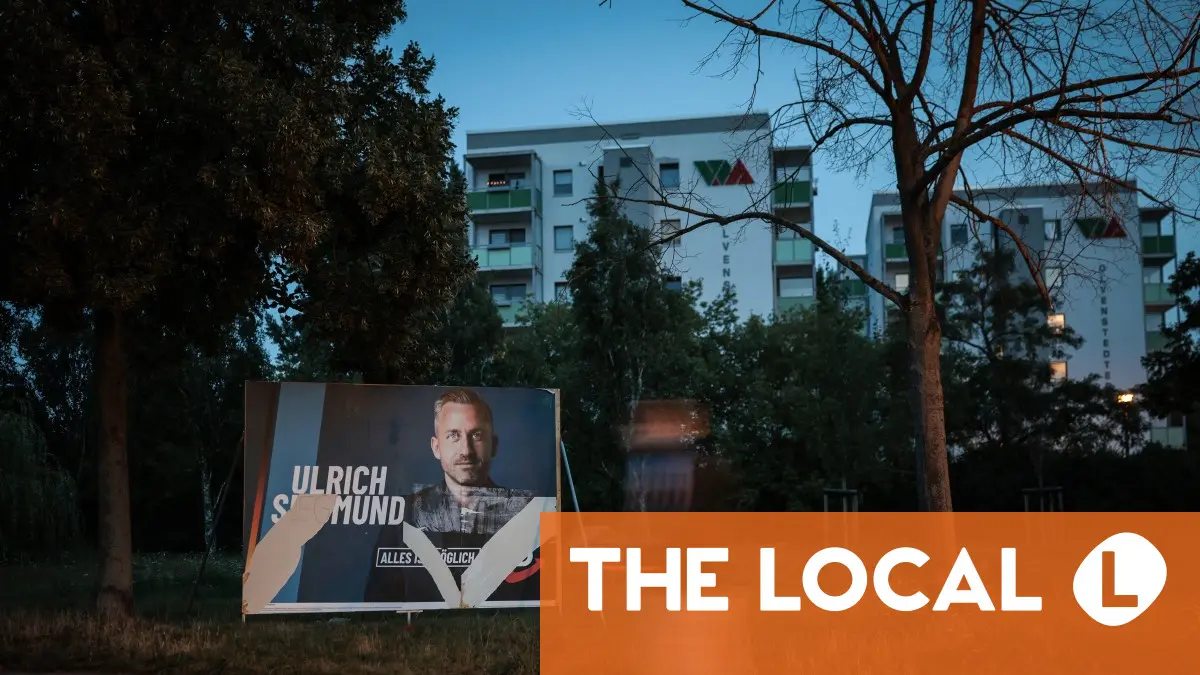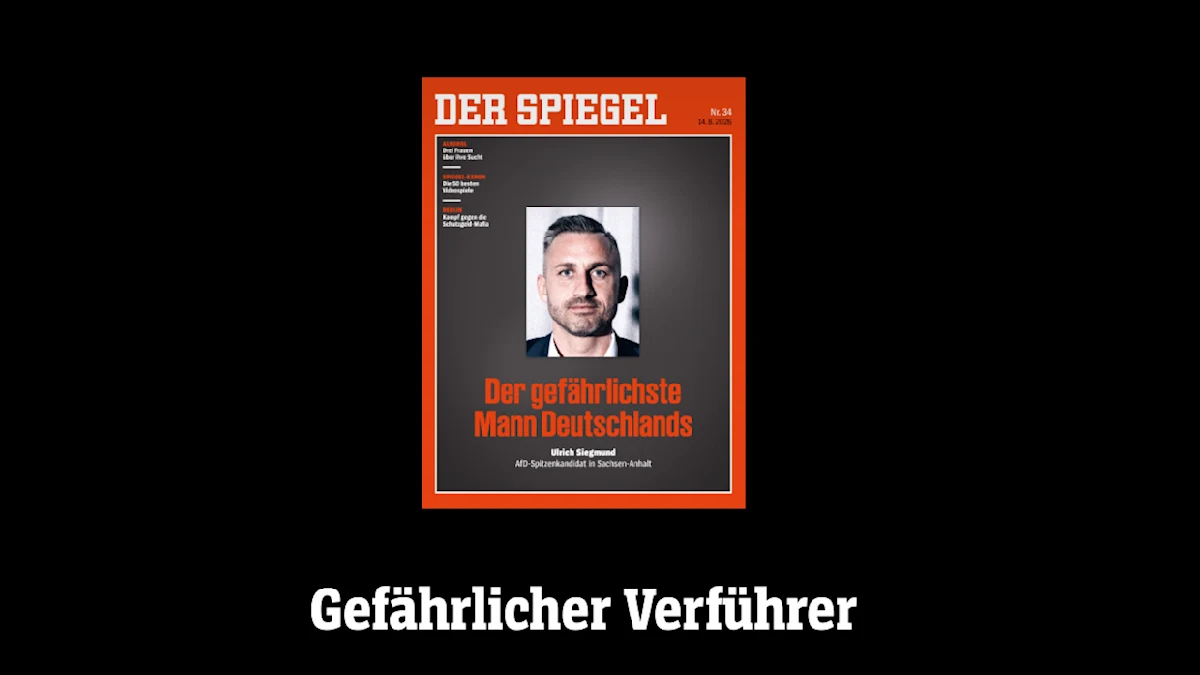
Ulrich Siegmund is ‘the most dangerous man in Germany.’ So says Der Spiegel in a headline under a mug-shot style photo of him on its cover.
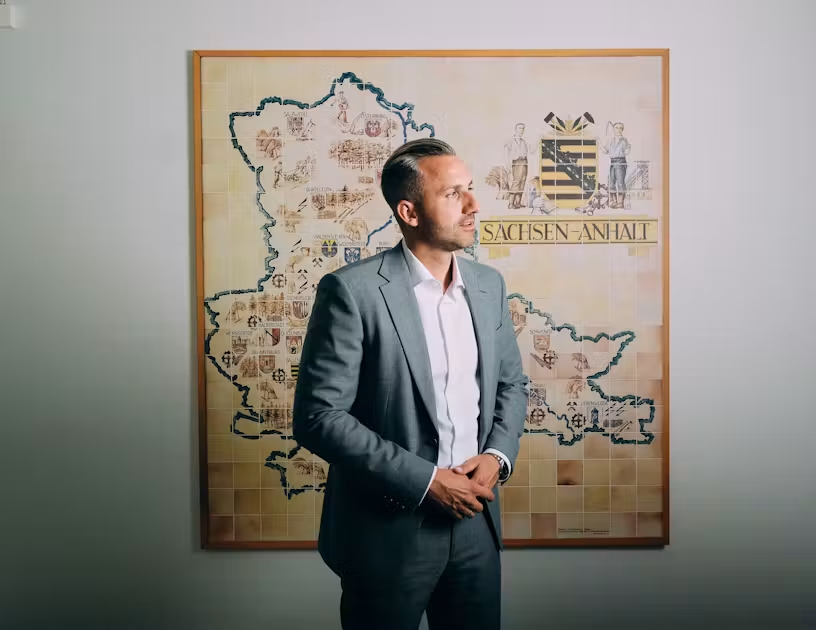
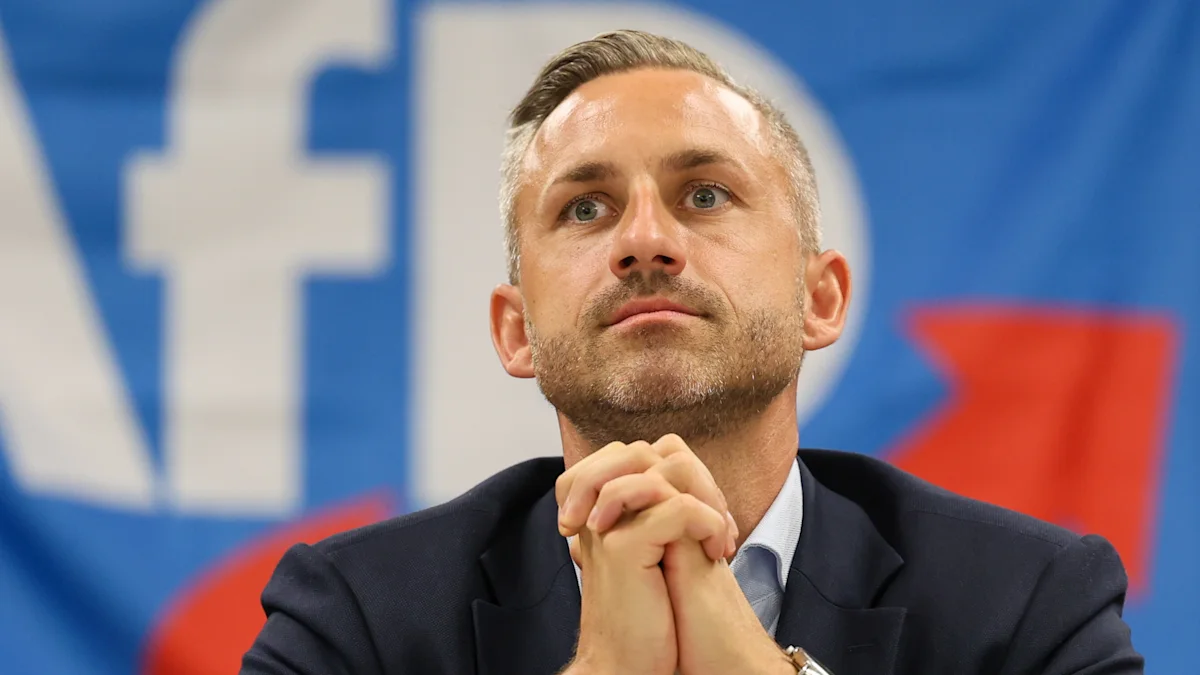
Siegmund, 35, leads the extreme-right Alternative for Germany (AfD) in eastern Saxony-Anhalt state. Polls show him heading for victory in elections on 6 September, with his party on 41-43 per cent, compared with 22-24 per cent for Chancellor Friedrich Merz’s Christian Democrats (CDU).
If Siegmund wins, it will be the first time a far-right premier rules one of Germany’s Länder since the Federal Republic’s 1949 founding.
The AfD’s promises include kicking out rejected asylum seekers; forcing migrants to do menial work for benefits; replacing LGBTQ flags with German flags; axing state ministries and a public TV/radio levy; more social spending; tax cuts; and punishing those who imposed Covid-era restrictions. It vows to end German ‘self-hatred’ with less focus on Nazis and more on heroes like Iron Chancellor Otto von Bismarck.
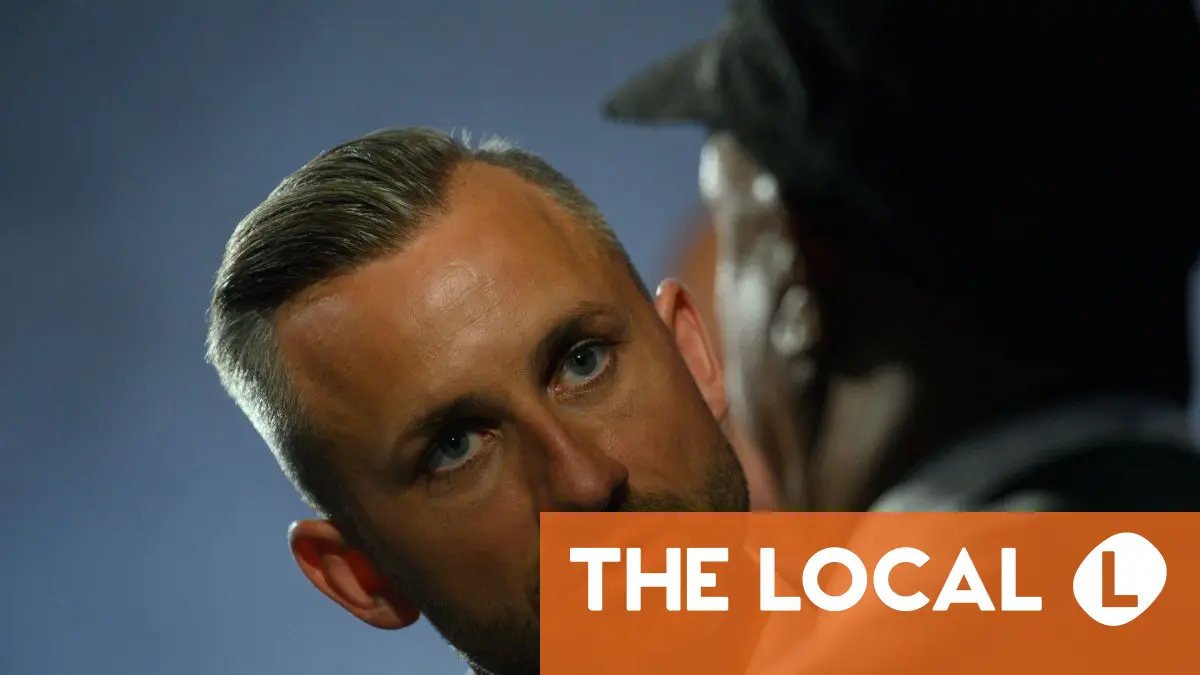
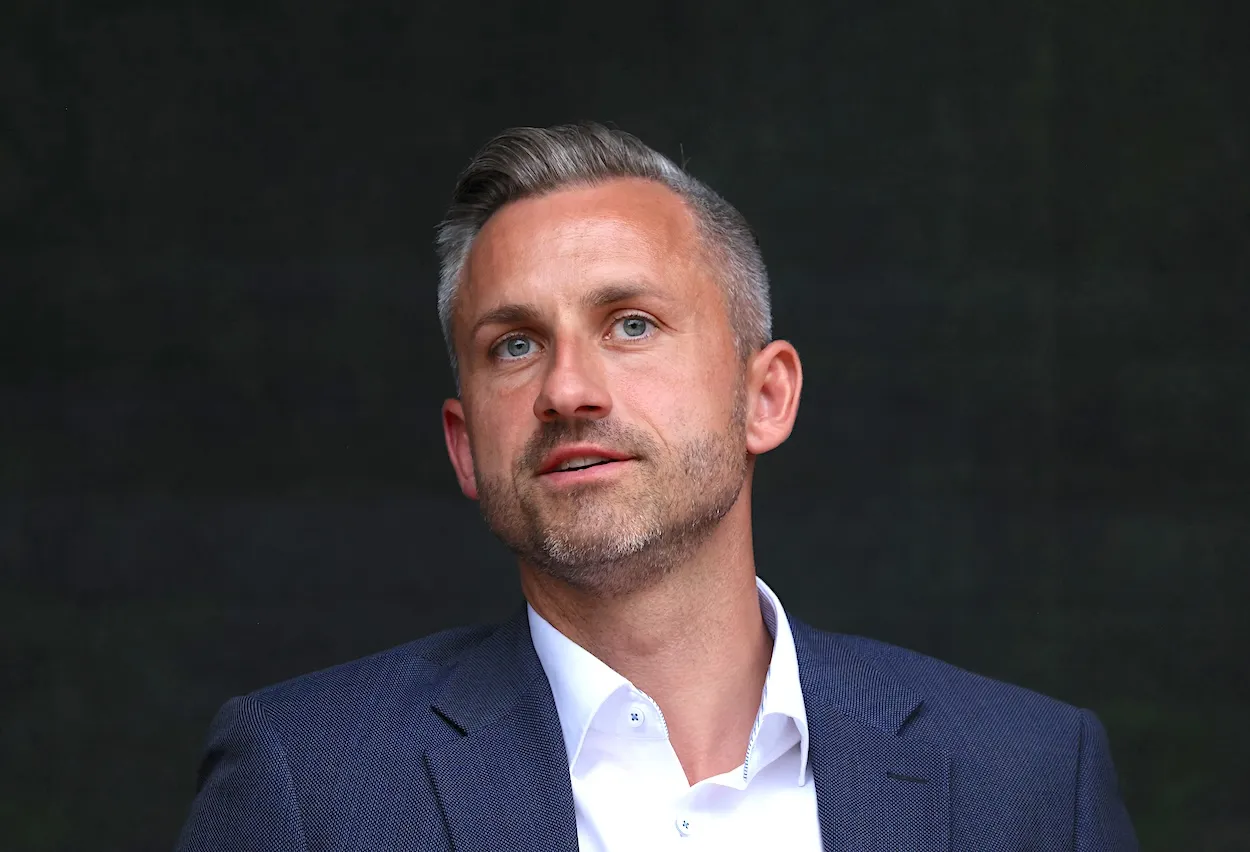
Dressed in a white polo shirt with his trademark gelled hair and trimmed beard, a beaming Siegmund arrived at an 13 August rally in Loburg, a town surrounded by farms 90 minutes west of Berlin.