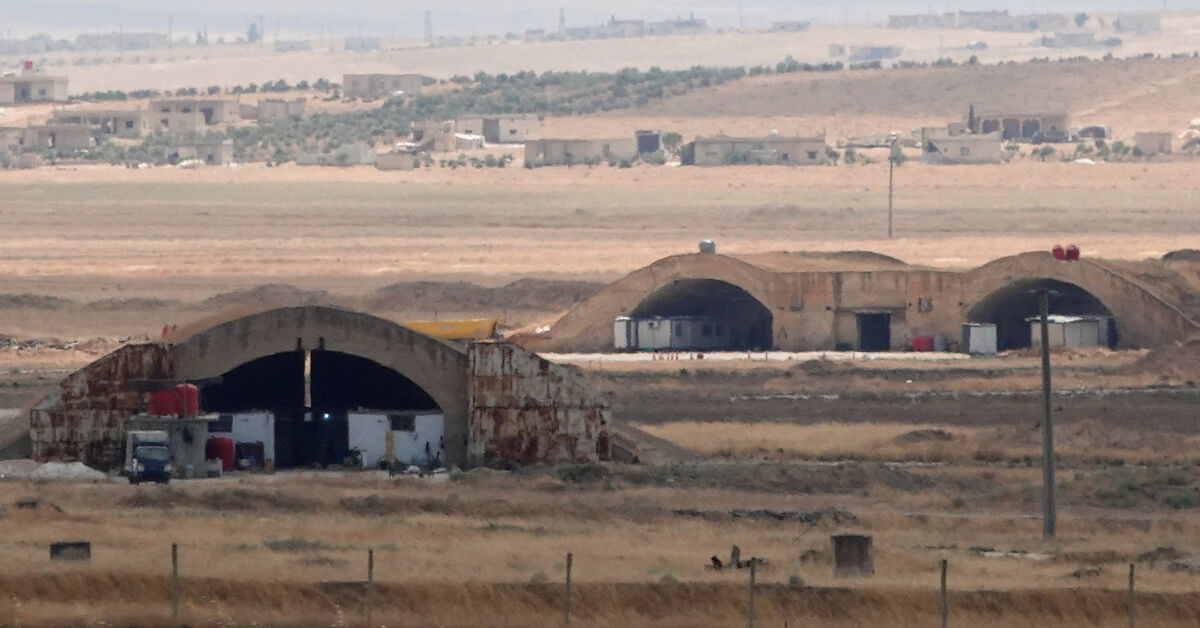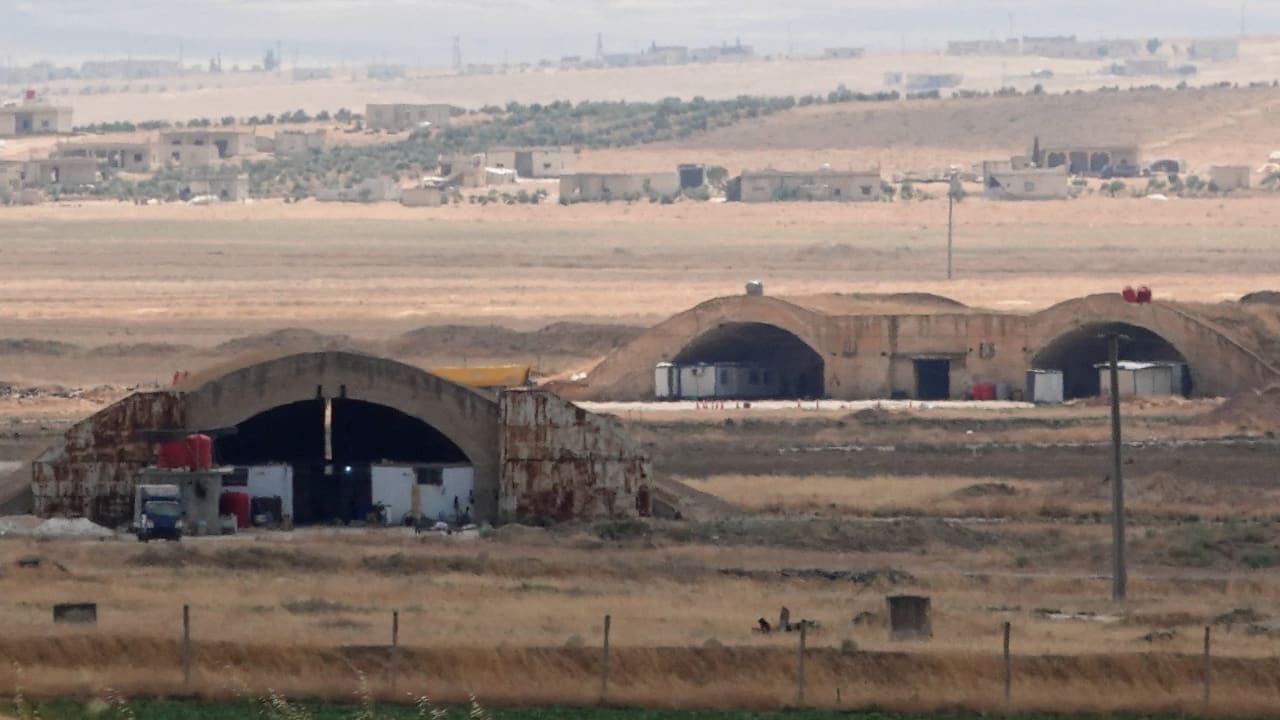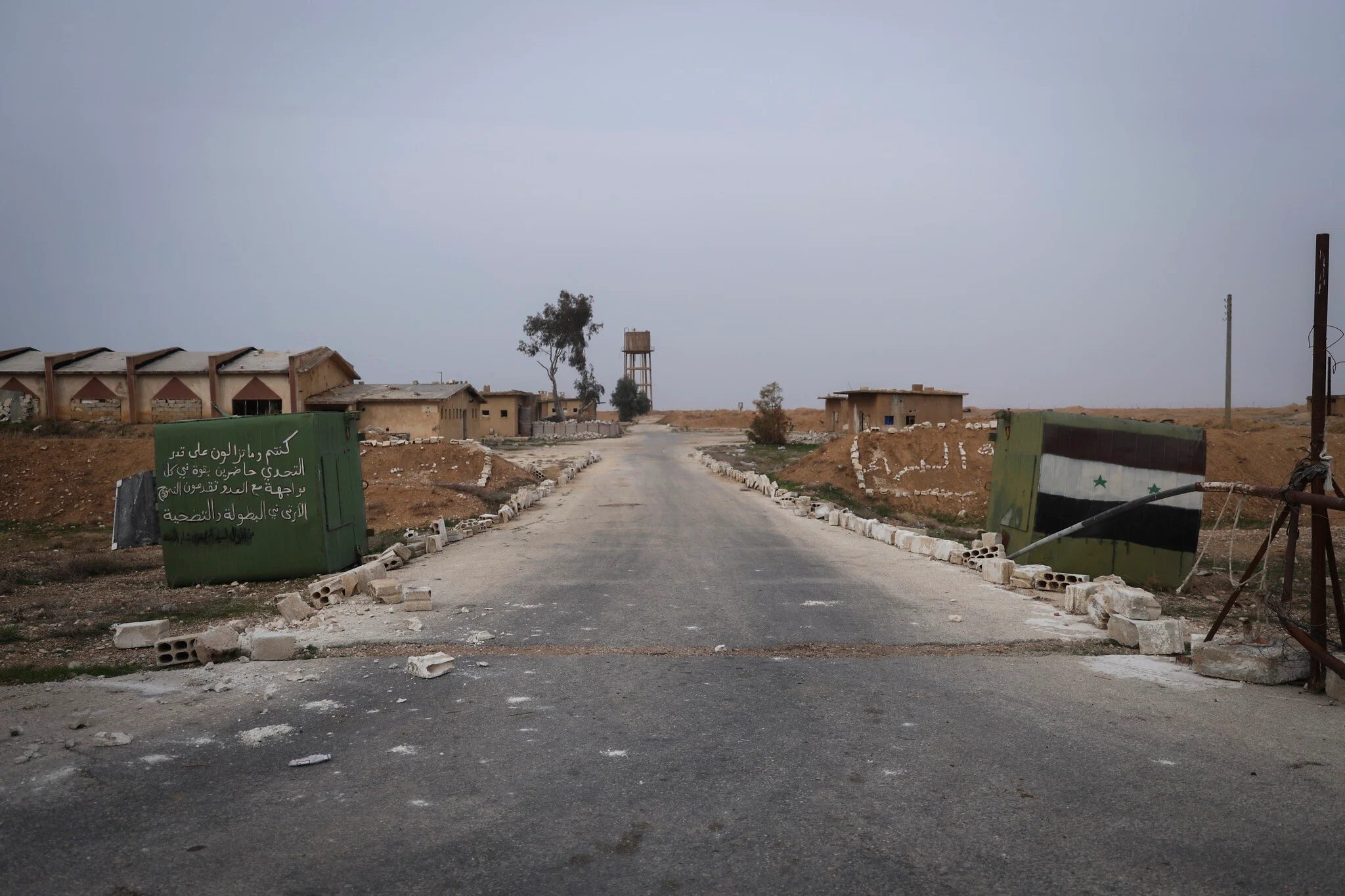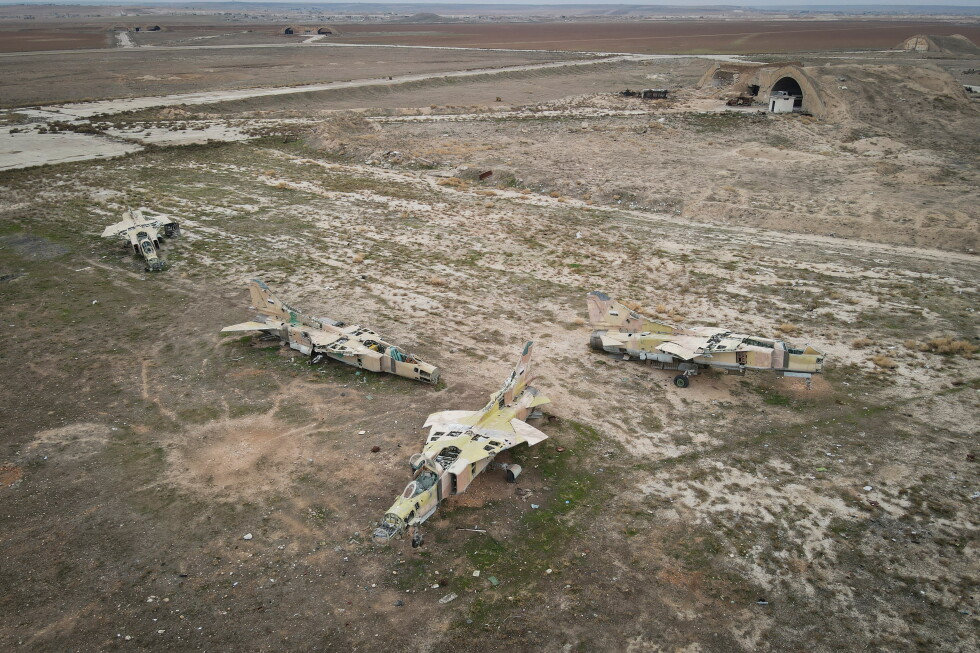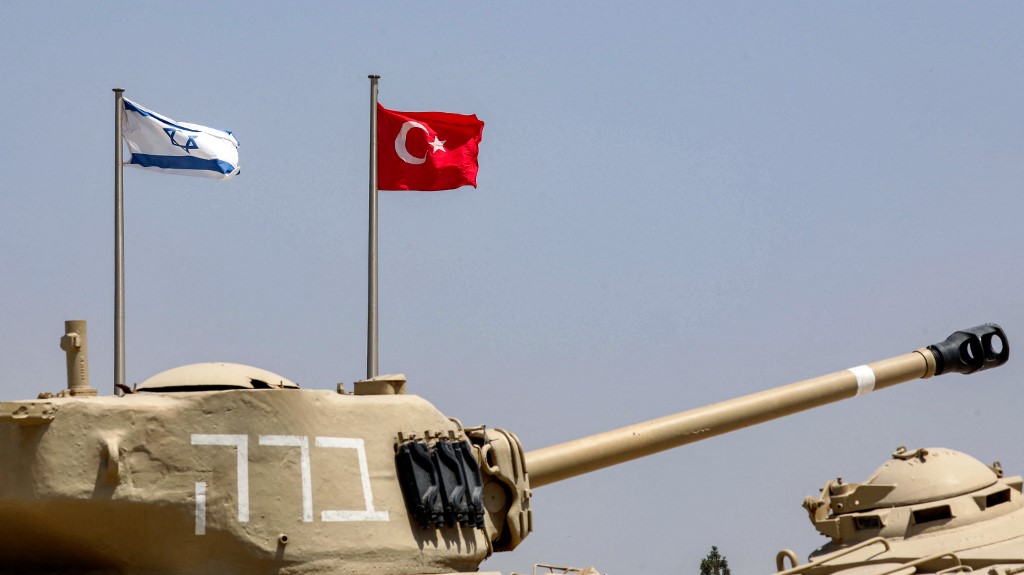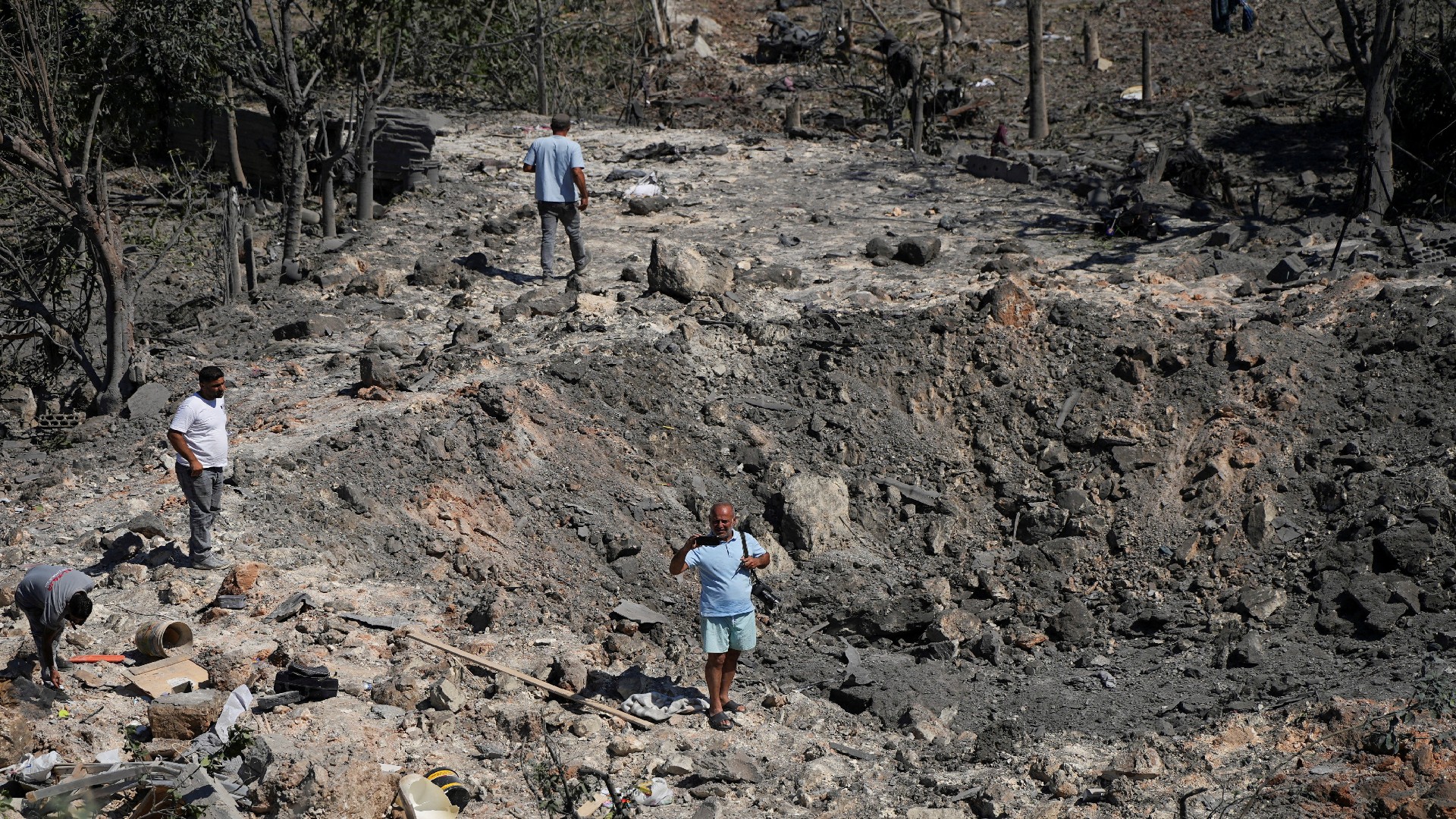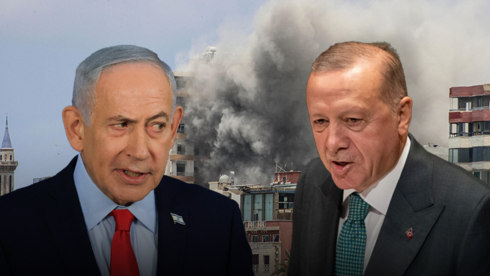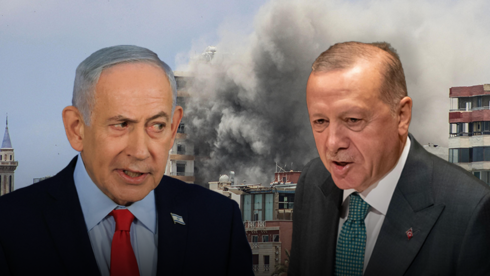
Days after the unusual strike, new details emerge of Turkey’s bid to establish forces at al-Duhur, including commandos to operate air defenses; Israel also rebuts the US envoy’s election claim and fears Ankara may try again in the future Related TopicsIsraeli security officials said Saturday that this week’s strike on al-Duhur airbase deep inside Syria was intended as a warning after intelligence indicated that Turkey was preparing to establish a military presence there, including radar systems, air defenses and a Turkish commando force to operate them.The officials said Israel believes Ankara could try to advance a similar move again in the future. According to the Israeli account, intelligence indicated that Turkey was preparing first to deploy radar at the base, followed later by air-defense systems and Turkish commandos tasked with operating them.Israel presented the intelligence to U.S. officials, arguing that such a deployment could alter the regional balance of power and restrict Israel’s freedom of aerial action.The site of the IDF strike in SyriaIsraeli officials also warned that the deployment could complicate any future Israeli strike on Iran. The al-Duhur base is located in Idlib province, roughly 70 kilometers from the Syrian-Turkish border. Officials said Israel did not identify a precise timetable for the Turkish deployment but viewed the airbase as a potential site for a deeper Turkish military foothold in Syria.Israel said the intelligence was shared both with Washington and with Syrian officials in an effort to stop the move diplomatically. Defense Minister Israel Katz made a similar claim in an unusual statement issued during Shabbat, saying the IDF had repeatedly recommended striking the base because of what he described as clear intelligence regarding Turkish intentions.According to an Israeli official, when diplomatic messages failed to produce a change, Israel decided to send a military signal. The strike targeted, among other things, the airbase’s runways in an effort to prevent equipment or personnel from arriving by air and, above all, to warn the government of Syrian President Ahmed al-Sharaa.Prime Minister Benjamin Netanyahu described the operation in similar terms. “We will not tolerate a Turkish military buildup moving southward, because it threatens us,” Netanyahu said. “We saw an intention by Turkey to establish itself at an airfield south of its line, near Aleppo, and we sent a message: Don’t.”Public reports said the August 18 strike damaged runways and other facilities at the base. No casualties were reported. “Because the diplomatic message did not get through, Israel conveyed the message through a pinpoint strike, a warning strike,” an Israeli security official said.“We have no interest in escalation, neither with Syria nor with Turkey,” the official added, also rejecting claims that the strike was politically motivated.(Photo: MEHMET ALI OZCAN/Anadolu via AFP, shutterstock, REUTERS/Khalil Ashawi, AP Photo/Leo Correa, SAUL LOEB/AFP, Evelyn Hockstein/POOL/AFP, Andrew Harnik/GETTY IMAGES NORTH AMERICA/AFP, JOE RAEDLE/GETTY IMAGES NORTH AMERICA/AFP, REUTERS, SATELLITE IMAGE ©2025 MAXAR TECHNOLOGIES/AFP)The same official said Mossad chief Roman Gofman strongly urged Syrian Foreign Minister Asaad al-Shibani not to allow Turkey to establish such a presence. “Gofman really implored the Syrian foreign minister not to let Turkey do this, but the Syrians did not internalize the message,” the official said.Syria rejects Israel’s claim that a permanent Turkish military presence was planned at the site. Al-Shibani said Damascus had made clear to Israel that there was no intention to establish a Turkish base or permanent Turkish military presence there, and that rehabilitation work at the airfield was intended to restore it for use by the Syrian Air Force.Turkey has also denied that Turkish forces were present at the base or that it planned to establish a military base there. Ankara says its military cooperation with Syria is focused on training and professional assistance.The new details come after U.S. envoy Tom Barrack suggested the strike may also have been influenced by domestic Israeli politics, a claim Israeli officials have strongly rejected. For Israel, however, the concern extends beyond the immediate confrontation.Officials fear that any Turkish radar and air-defense network established deeper inside Syria could eventually constrain Israeli air operations not only in Syria, but also along routes that could be relevant in a future confrontation with Iran.Comments
‘We have no interest in escalation’: Israel says strike blocked Turkish military buildup
Days after the unusual strike, new details emerge of Turkey’s bid to establish forces at al-Duhur, including commandos to operate air defenses; Israel also rebuts the US envoy’s election claim and fears Ankara may try again in the future
686 words~3 min read