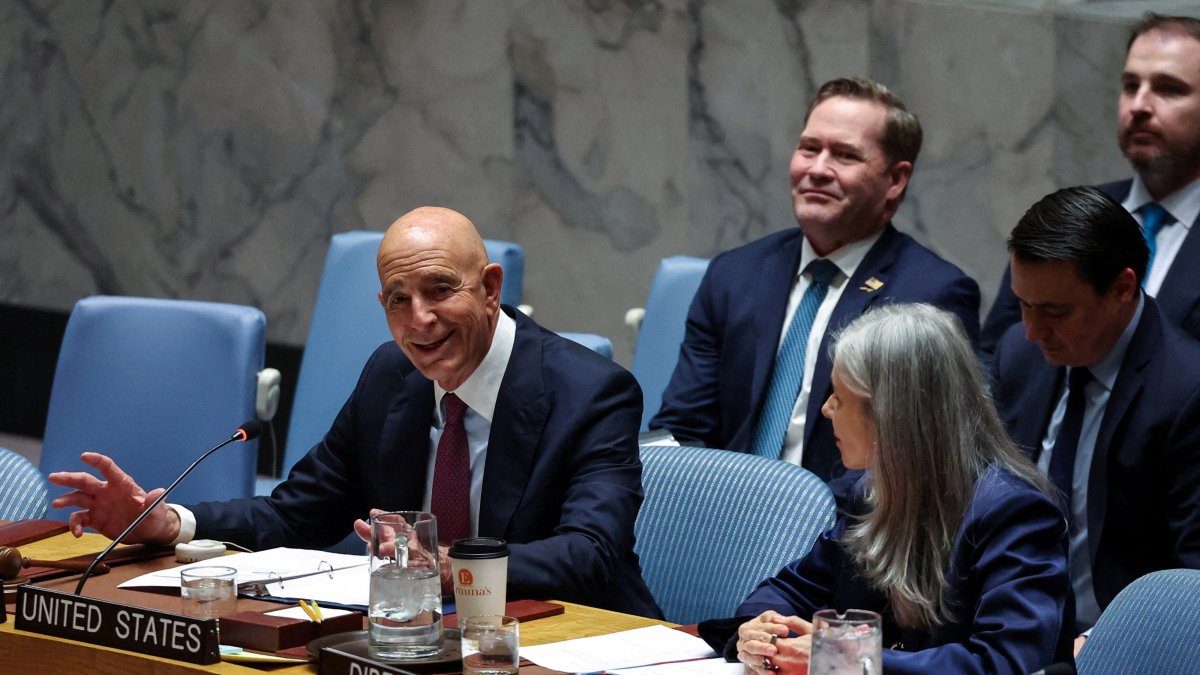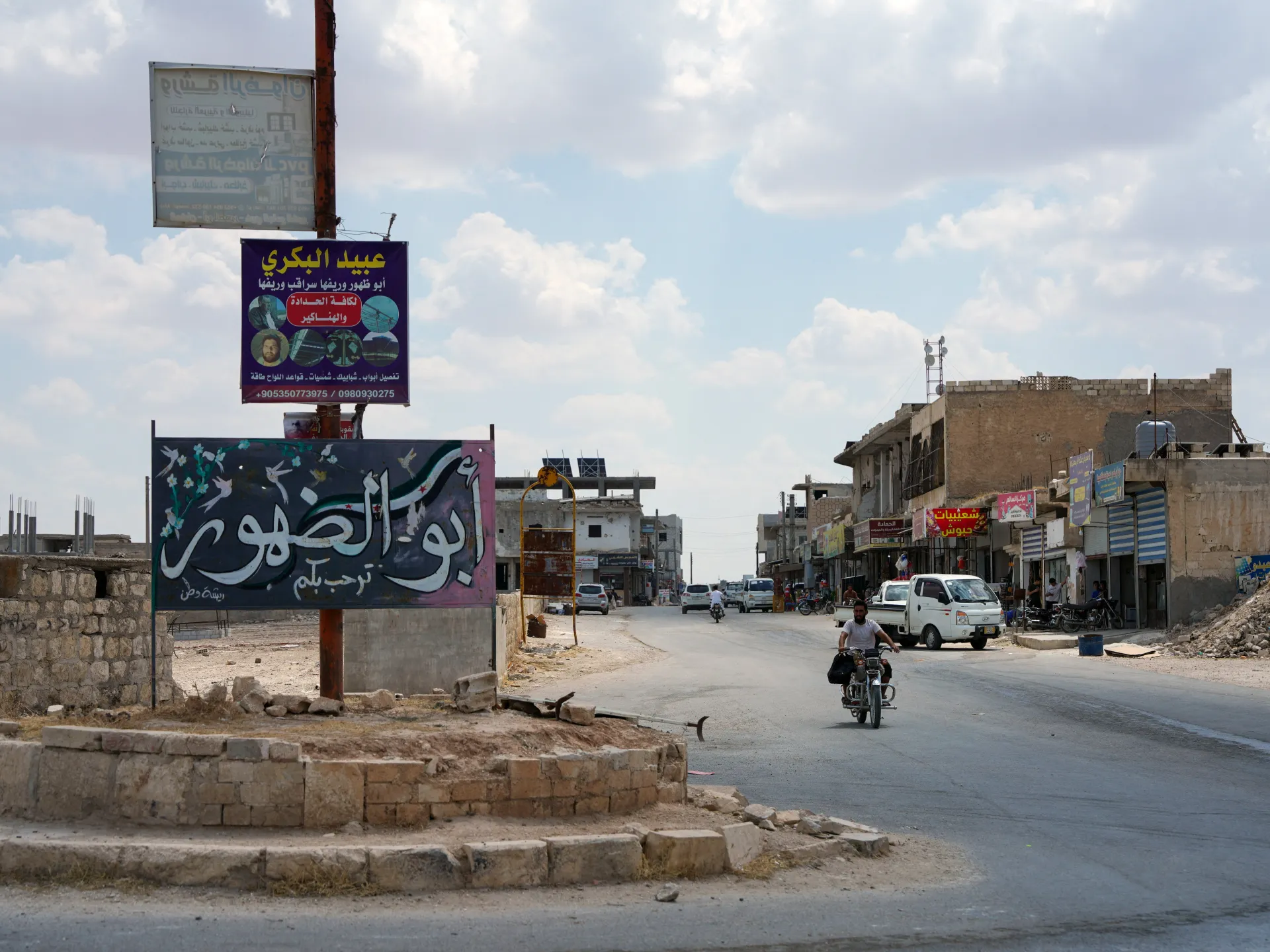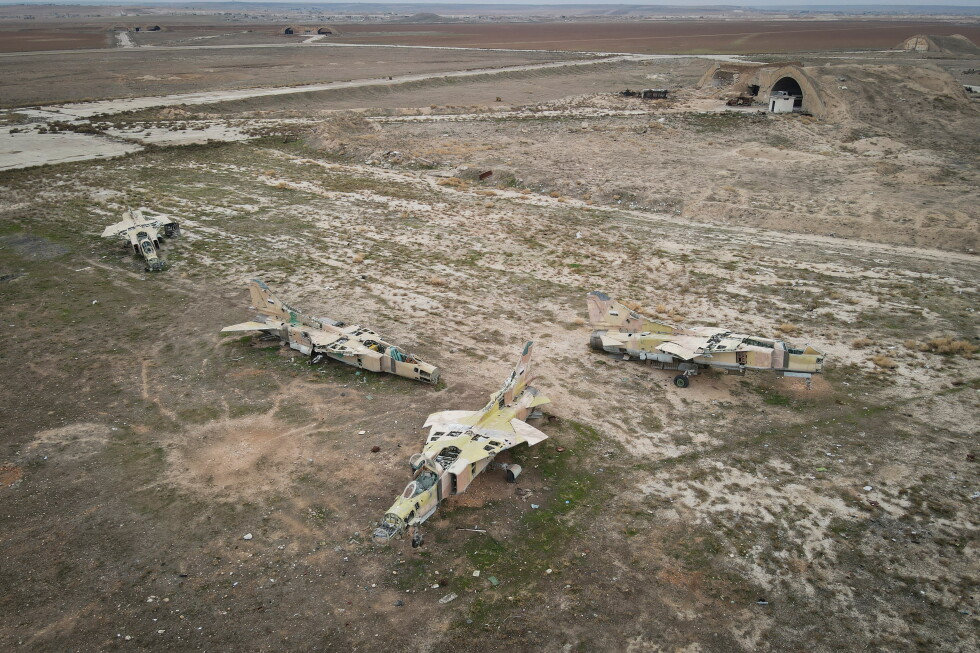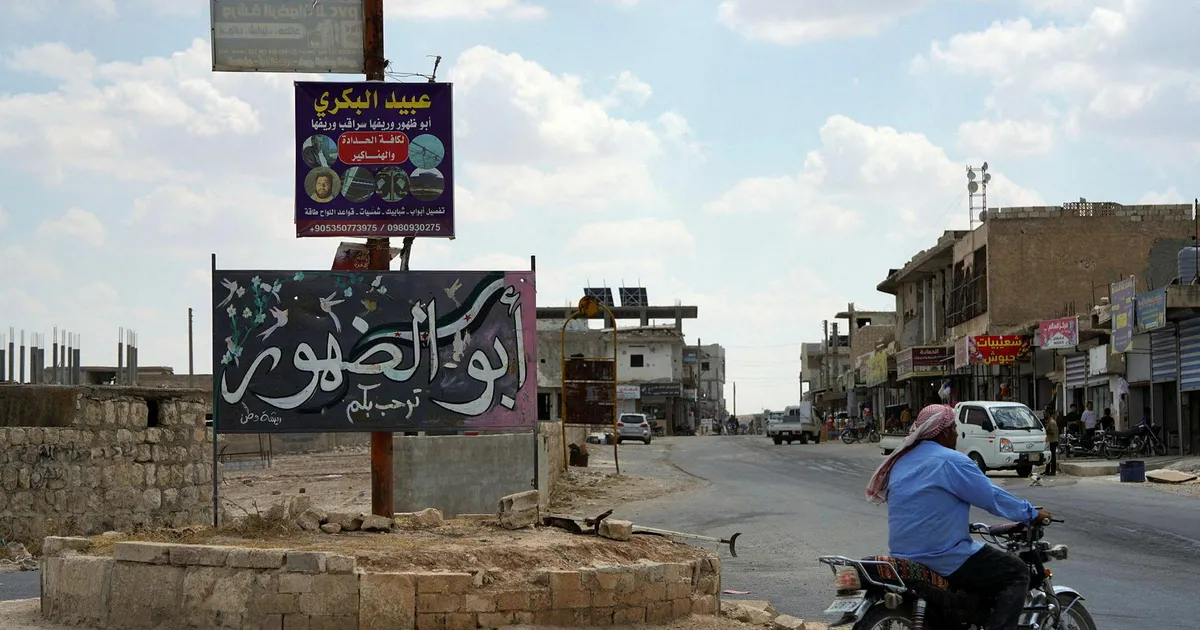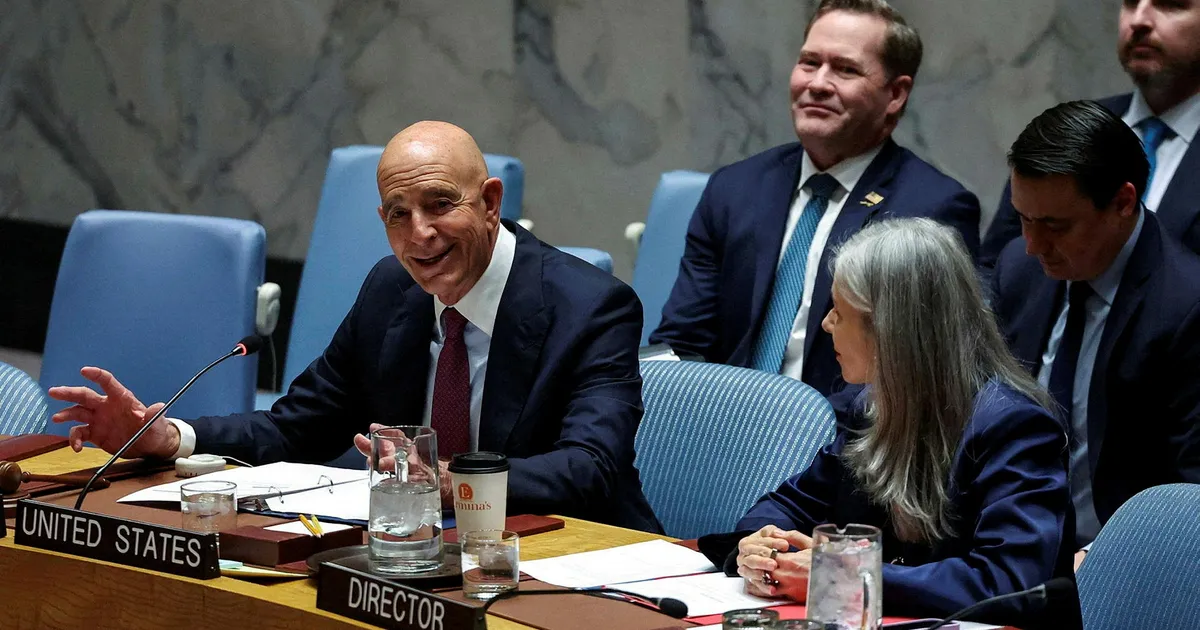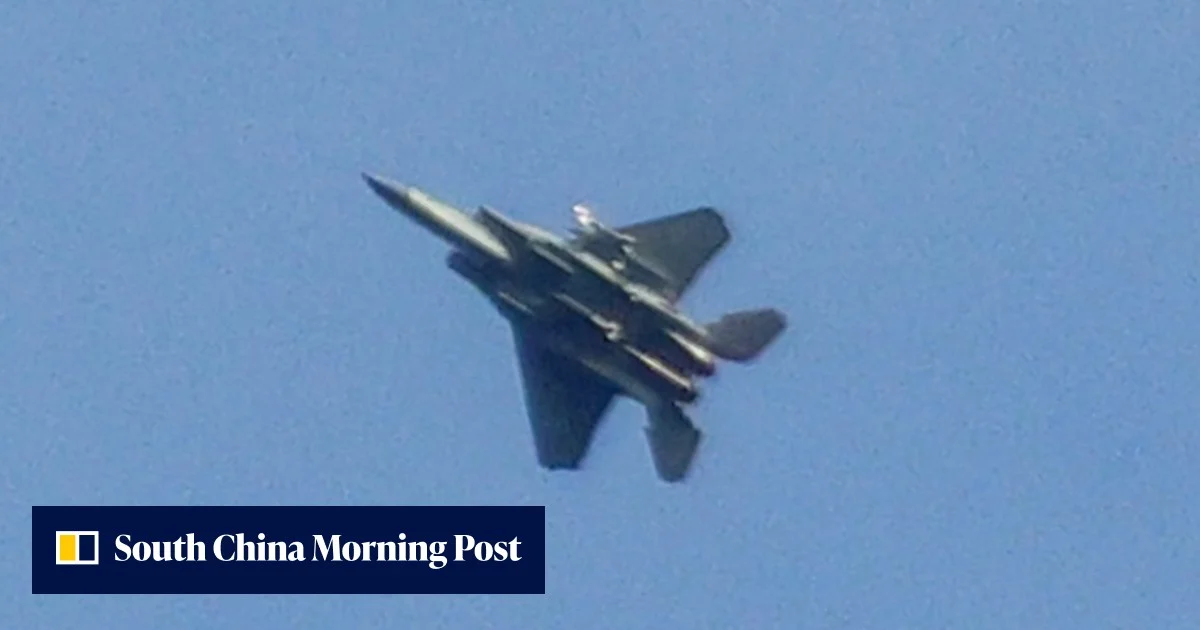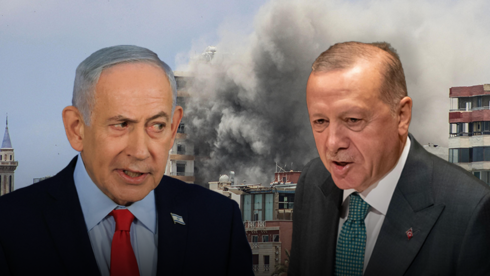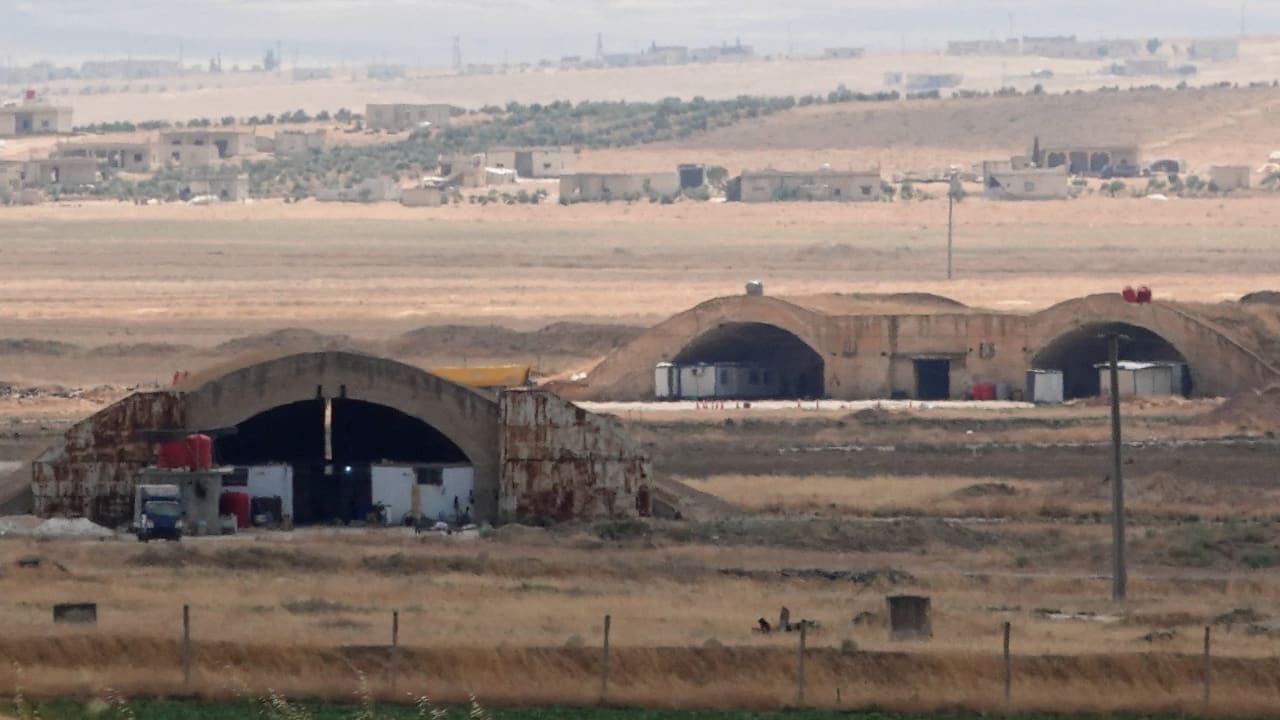
ByIDAN KWELLERAUGUST 22, 2026 13:04The Israeli strike on the Abu al-Duhur military base in Syria on Tuesday, which nearly led to a direct military confrontation with Turkey, may have been intended to provoke Ankara and could have been linked to political considerations ahead of Israel’s elections, US Special Envoy to Syria and Ambassador to Turkey Tom Barrack suggested on Saturday.In an interview with Mario Nawfal on X/Twitter, Barrack stressed that this was only one possible theory, not an intelligence-based conclusion.According to Barrack, one possibility is that “the Israelis were baiting the Turks,” partly against the backdrop of a previous incident in which Turkey shot down a Russian fighter jet that approached its border. He described a situation in which fighter jets operate near a border without coordination or warning as a “very dangerous game.”Barrack directly linked this possibility to Israeli politics, saying that the strike may have been a “very aggressive but maybe a well-received pre-election concept.”Later in the interview, Barrack discussed how domestic politics can shape the rhetoric of regional leaders.US Special Envoy to Syria and Ambassador to Turkey Tom Barrack attends a meeting with US President Donald Trump and Prime Minister of Iraq Ali al-Zaidi in the Oval Office of the White House on July 14, 2026 in Washington, DC. (credit: Andrew Harnik/Getty Images)“What you're hearing in rhetoric amongst the senior leaders of these countries is they have to, during a political campaign, which everybody is in, right?” he said.“Prime Minister [Benjamin] Netanyahu is moving toward October," Barrak noted. "He knows what his constituency wants.”Barrack: Erdogan may soon call early electionsHe added that Turkish President Recep Tayyip Erdogan is also approaching a decision on whether to call early elections and must consider his voters, who are particularly sensitive to developments in Gaza.Barrack also presented a second theory regarding the circumstances that led to the strike: that Israel received intelligence indicating Turkish military personnel or military assets could be stationed at the Syrian base.According to Barrack, Israel raised the concern with the United States about six days before the strike.“We have some intelligence that there might be Turkish movement into this site, which we would be very concerned about,” Barrack said, describing the message delivered to Washington.However, according to Barrack, the US reviewed the intelligence with relevant officials and received a clear response: “No, that's not happening.”The comments come amid reports of behind-the-scenes contacts before the strike. According to Barrack’s account, the issue was examined through diplomatic channels, including a backchannel conversation lasting about two hours between Syrian Foreign Minister Asaad al-Shaibani and the Mossad chief.Despite those contacts, Israeli Air Force aircraft appeared and struck the base’s runways without Turkey receiving advance warning of the operation.According to Barrack, the incident then escalated from another Israeli strike in Syria into a moment that could have triggered a far more dangerous regional confrontation.Barrack emphasized that the Turkish military is strong, well-equipped, and possesses significant intelligence capabilities.“When they see these jets coming towards the border, and they don't know what the purpose, direction, or intent is, they start to say 'we're going to have to scramble our own.'” he said.Such a scenario could have led to a possible aerial encounter between Israeli and Turkish aircraft and a direct confrontation between Israel and Turkey, a NATO member and one of the United States’ most important allies in the region.Barrack was asked whether such an incident could have escalated into “World War III.” He said that almost any unintended incident could lead to broader escalation, but stressed that, in his assessment, neither side intends to reach such a confrontation.“Thank goodness, palm heads really came to the moment of the day, and we unwrapped it,” he said.According to Barrack, it was one of those moments when “for many of us, our whole life went in front of us,” leading to the conclusion: “There's got to be a better way, guys.”Barrack emphasized that, in his understanding, Ankara is not seeking a war with Israel.“I know that the Turks, their intelligence agency, their hierarchy, their foreign minister, the president, the head of intelligence, all are concentrating on restraint,” he said.“They're not predatory," he added. "They're not interested in attacking or even engaging in any kind of kinetic or adversarial relationship with Israel. It's not good for the region.”Barrack said both sides are ultimately looking for a way to de-escalate, but that from Turkey’s perspective, the Palestinian issue is even more important than Iran. According to him, developments in Gaza are a major concern for both the Turkish public and the broader Muslim public.Behind the immediate confrontation lies a much broader strategic struggle over the future of Syria following the fall of the Assad regime, according to Barrack.Syrian territory provides Israel with 'a clear line of sight to Iran,' Barrack saysIsrael wants Syria to remain free of military systems that could limit its freedom of action in the region, particularly against Iran. Barrack previously described Syrian territory as providing Israel with “a clear line of sight to Iran.”Turkey, meanwhile, is expanding its military and political position in the new Syria. Barrack said Turkey’s growing influence as a regional power is raising concerns among other actors, but expressed hope the sides can maintain restraint.According to Barrack, US President Donald Trump recently asked Erdogan why Turkey did not simply “take” Syria for itself, given the role it played in developments there.According to Barrack, Erdogan responded: “Because we don’t want it. We want Syria to be a sovereign and independent country."Barrack also addressed mutual concerns over territorial ambitions. According to him, maps are published in Turkey showing what is allegedly a vision of “Greater Israel,” while in Israel, maps appear warning of “Ottoman Empire 2.0.”“We don't think any of those things are true,” he said.Despite the severe crisis, Barrack revealed that behind the scenes there is also security cooperation between Turkey, Israel, and Syria over a shared threat.“Every evening... we have coordination between Turkey, Israel, and Syria, hunting ISIS terrorists,” he said.According to Barrack, the group is attempting to exploit the governing vacuum created in Syria to rebuild itself.Barrack recalled that in the early 2000s, Israel and Turkey enjoyed a period of “honeymoon” relations and hoped the two countries could eventually return to a similar relationship.However, this week’s incident highlighted how dangerous the path toward such a relationship remains. According to Trump’s envoy, Israeli aircraft approached the Turkish border without warning; Ankara began considering scrambling its own fighter jets, and for several moments two key US allies came close to a confrontation that, according to Barrack, neither side truly wants.Follow us on Google
US envoy: Israeli strike on Syria election-related, intended to provoke Turkey | The Jerusalem Post
According to Barrack, Ankara began considering scrambling its own fighter jets, and for several moments, two key US allies came close to a confrontation that neither side truly wants.
1,092 words~5 min read