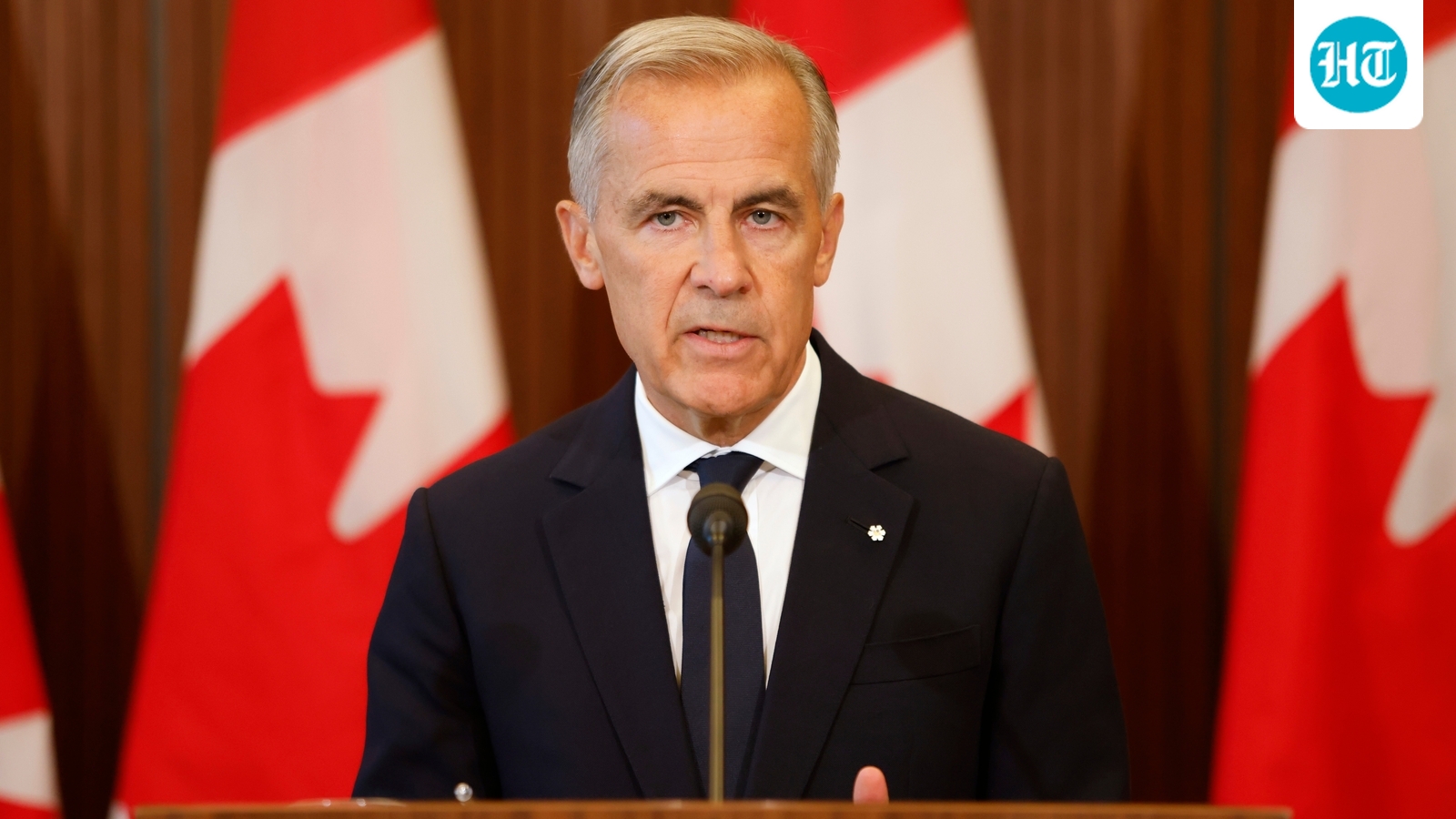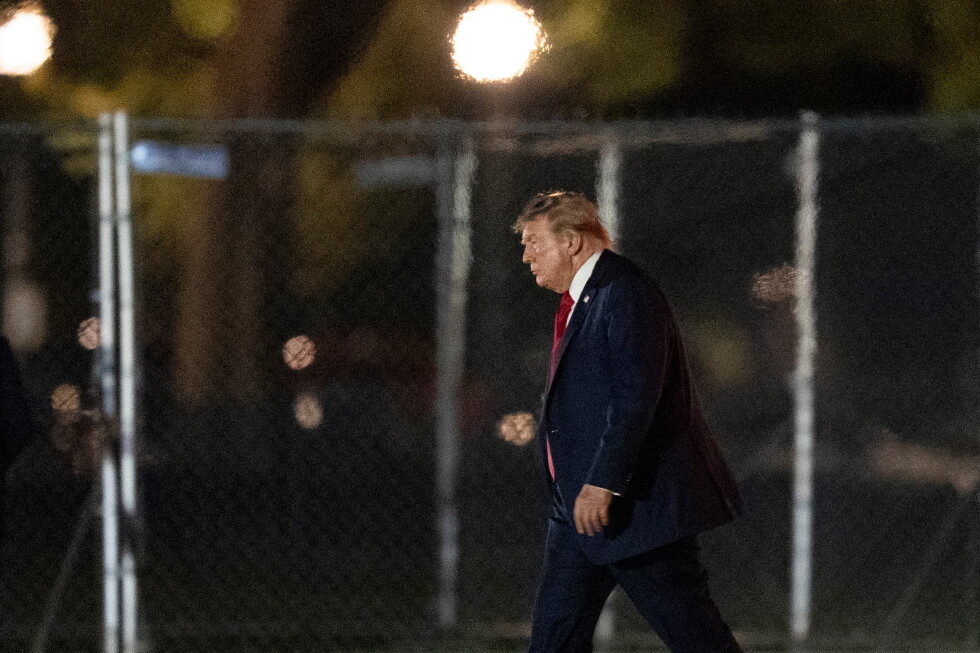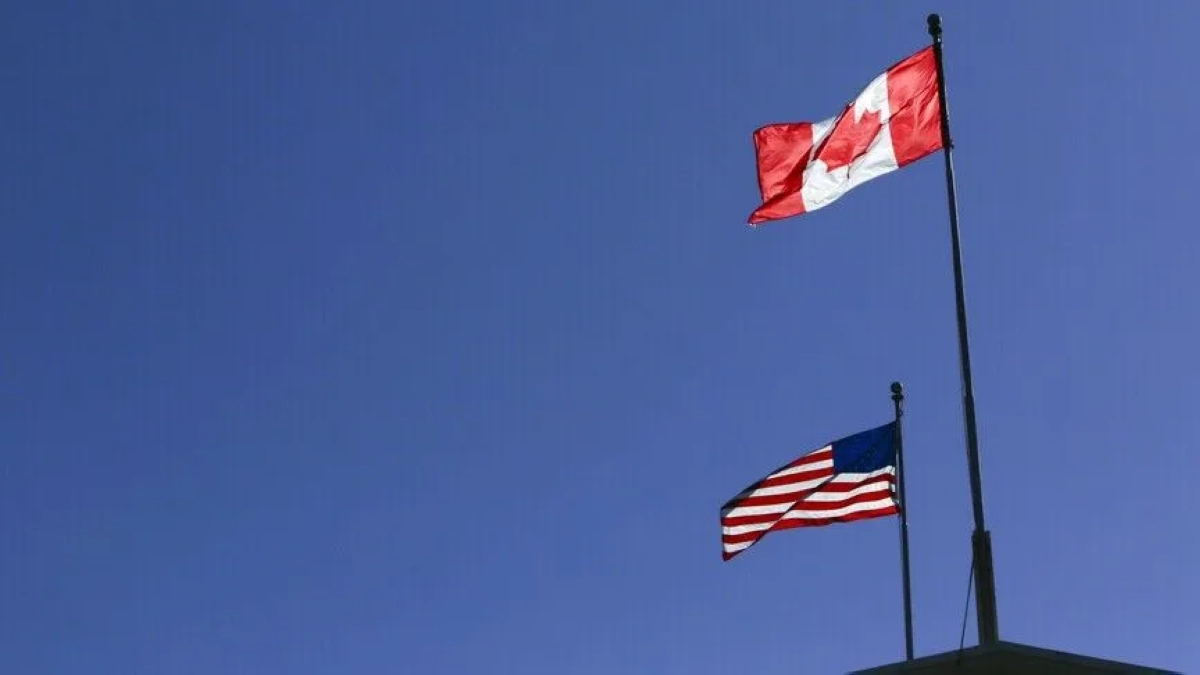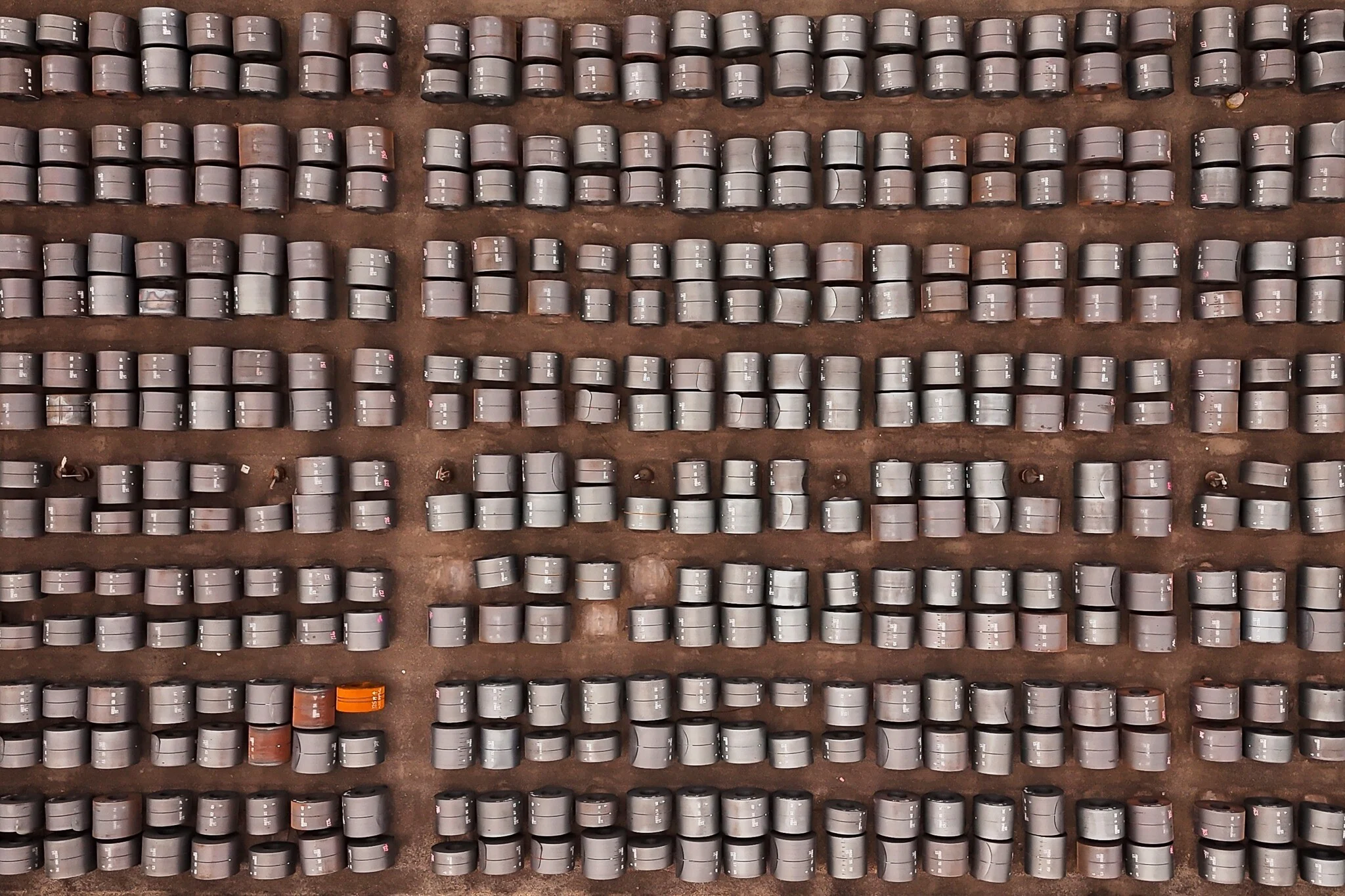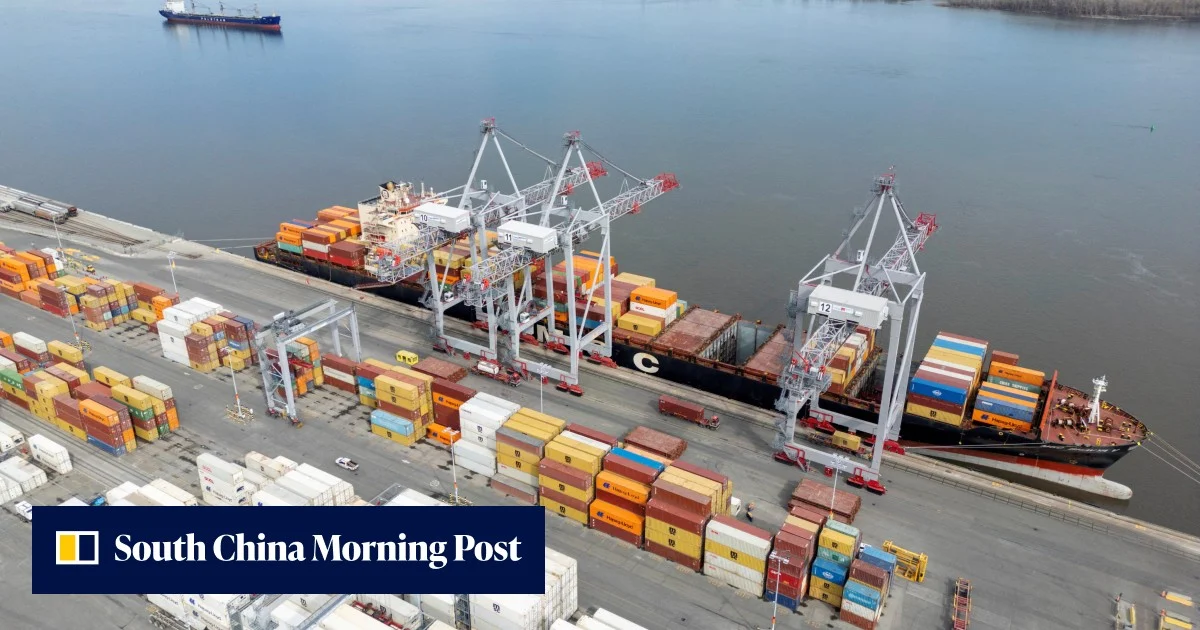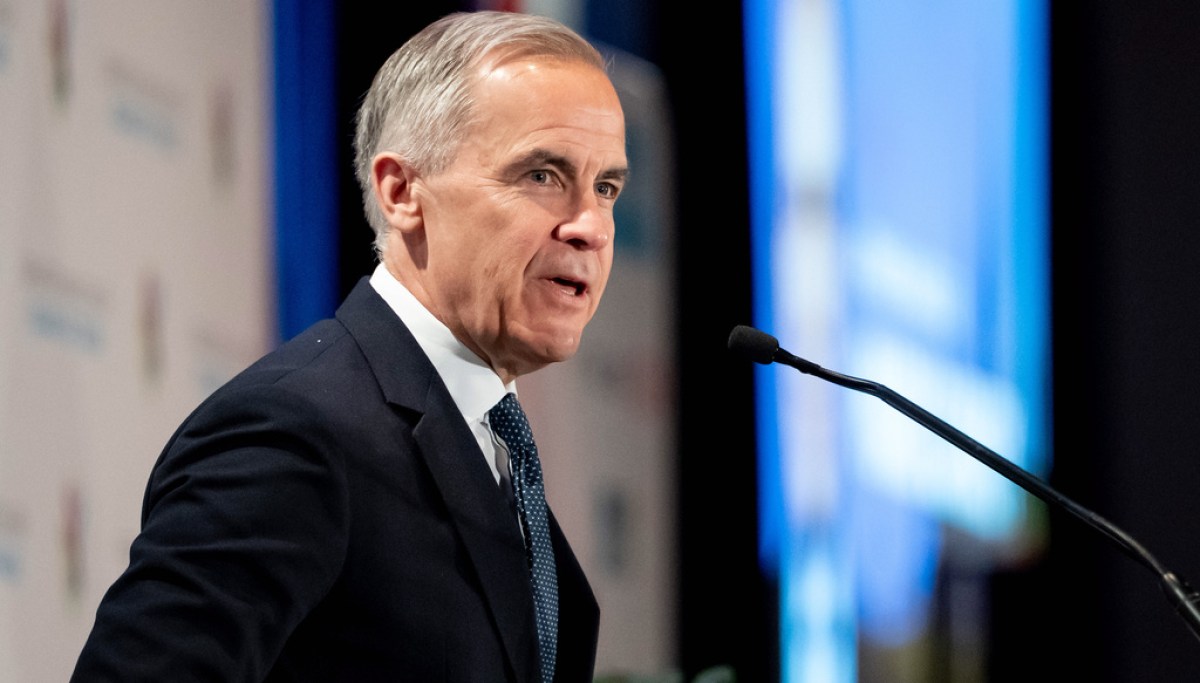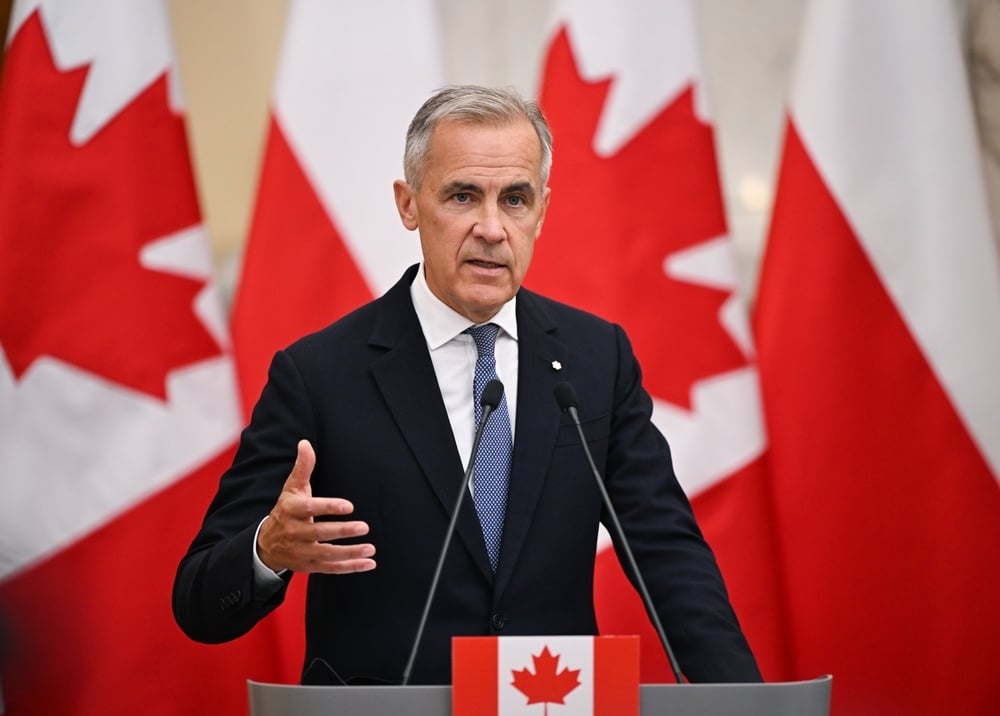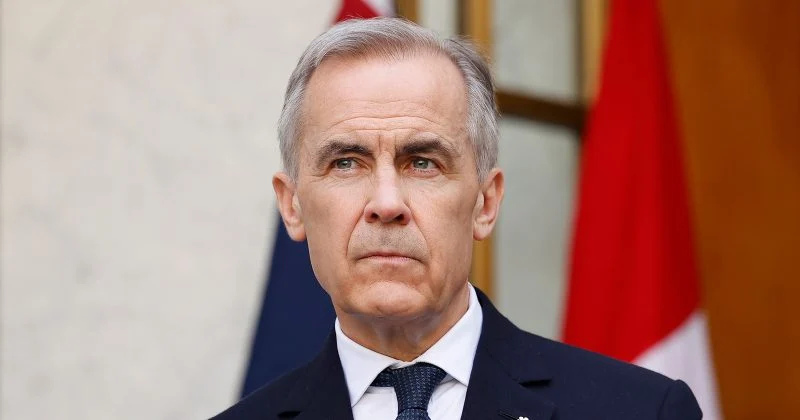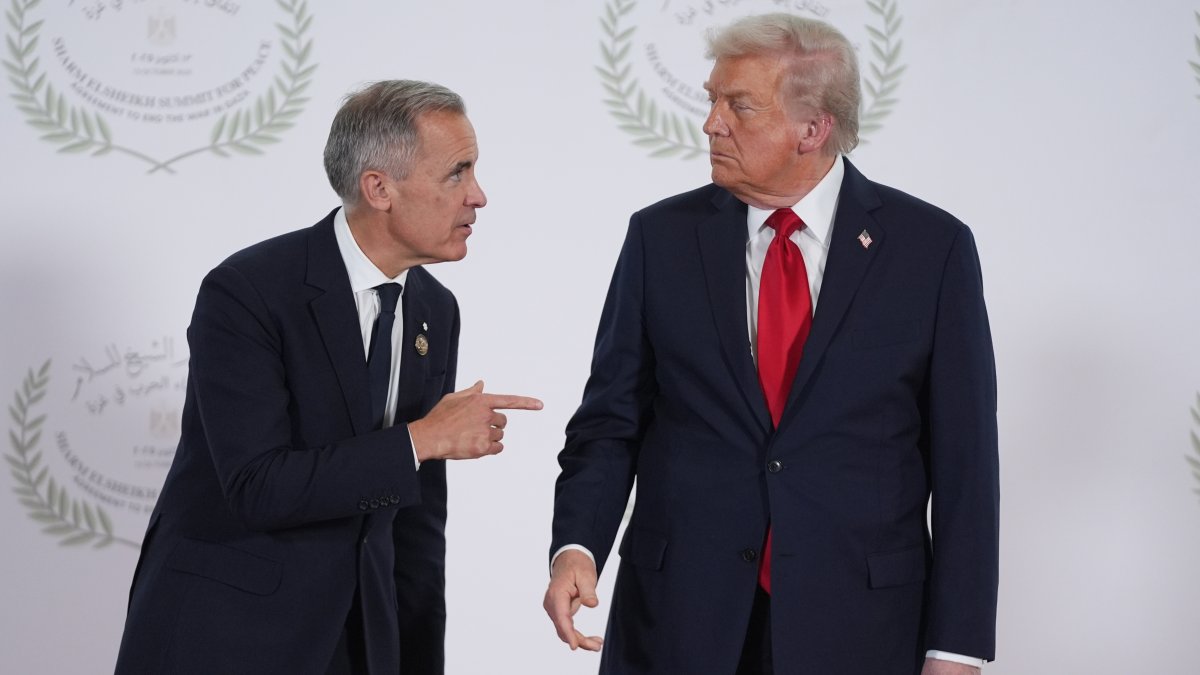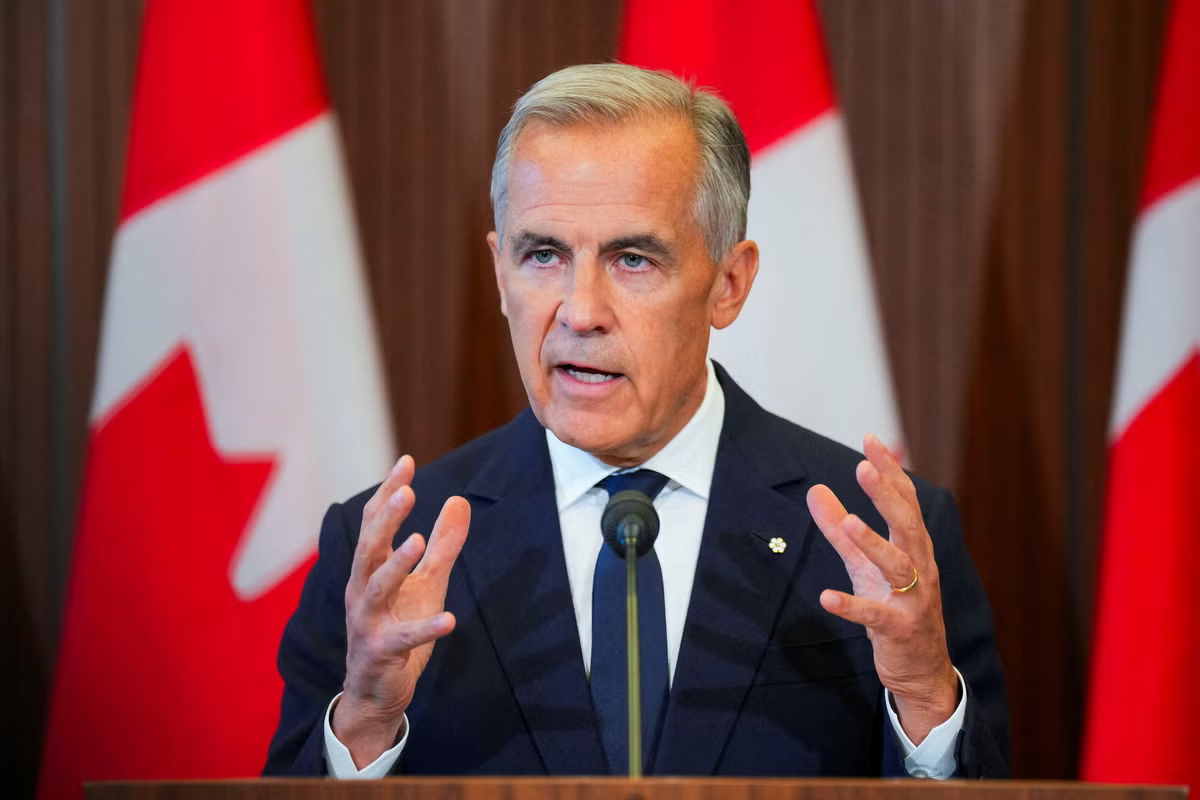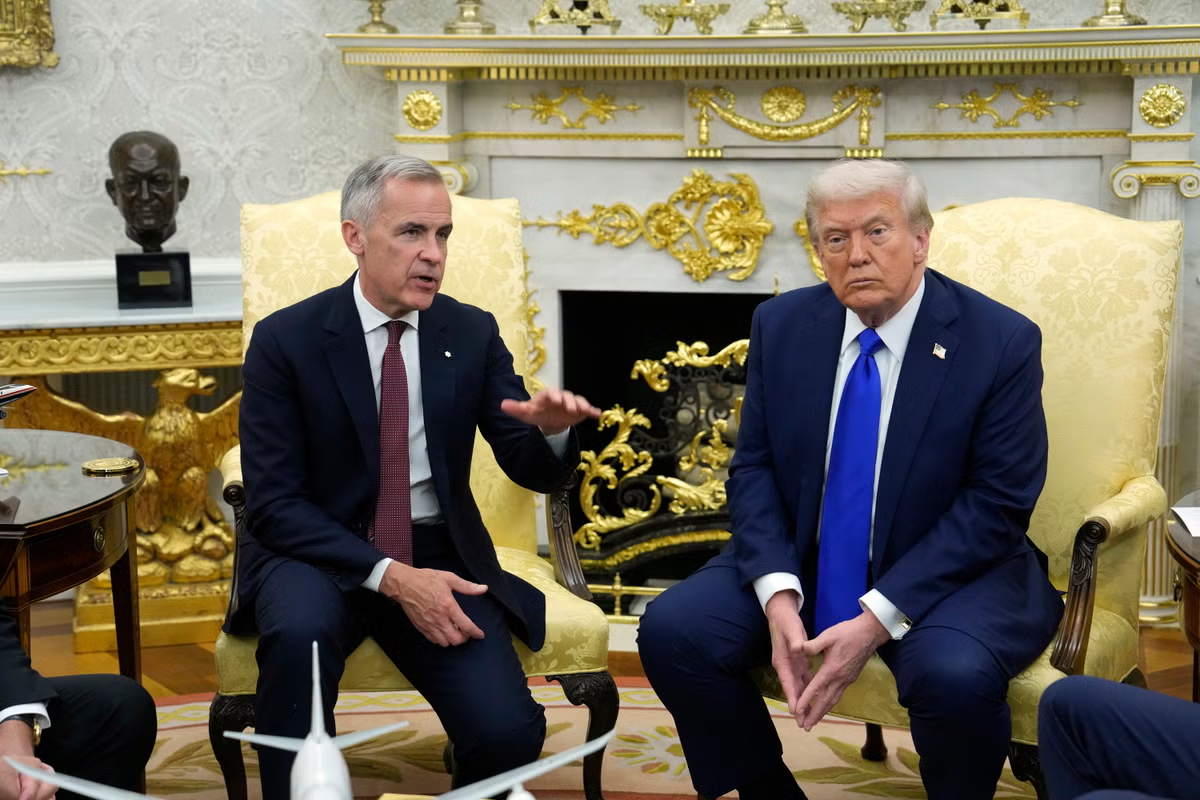
Early Saturday, the United States imposed 50% import tariffs on $20 billion in Canadian goods. In response, Canada announced plans to launch retaliatory measures starting Sept. 8, after final talks aimed at easing growing friction between the two long-standing allies broke down.The duties introduced by President Donald Trump impact roughly 5% of Canada’s annual exports across the border, affecting items as diverse as tongue depressors and hockey sticks.Speaking from Ottawa, Carney stated that "in the coming days, we will release the details of these new tariff measures, which will come into force the Tuesday after Labor Day." He explained that the equivalent dollar-for-dollar counter-tariffs will focus on sectors such as dairy, steel, household appliances, farming equipment, electronics, and pulp and paper.Carney revealed that Ottawa had been prepared to eliminate its existing counter-duties on aluminum, steel, and motor vehicles if Washington meaningfully reduced its own levies, alongside encouraging Canadian provinces to resume sales of American alcohol. However, he maintained that the final terms presented by the U.S. proved unreasonable, remarking, "They asked too much and offered too little," Carney said.Canadian Prime Minister Mark Carney speaks at a press conference after trade talks with the US collapsed (AFP/Getty)Jamieson Greer, serving as Trump's chief trade negotiator, told "Fox & Friends Weekend" that the administration offered tariff cuts on lumber, steel, and automobiles, describing these as "things that are sensitive for them. And they’ve always had the best deal, and they still would have an even better deal, but they didn’t want that," he said.He further noted: "We’re moving forward with measures that respond to Canadian retaliation."These developments cast uncertainty over the long-term viability of the trilateral trade pact between Canada, Mexico, and the United States, which remains vital to commercial operations across all three nations.According to Carney, late additions from the American side would have diminished tariff concessions for Canadian-built automobiles, limited Canada's freedom to negotiate independent trade agreements with other nations, and undermined safeguards for national sovereignty, language, and culture. He categorized these conditions as "unacceptable."On the other hand, Greer, the U.S. trade representative, countered that after twelve months of retaliatory steps by Canada, "We’ve said enough, and so we’ve taken countermeasures. Our interest is in protecting American workers and protecting American supply chains."At present, no additional discussions have been scheduled.The collapse of discussions represents a stark shift from just 48 hours prior, when representatives from both sides appeared on track to reach an accord.Carney asserted that Ottawa intends to "hit back" by applying specific tariff protections for domestic industries vulnerable to the fresh U.S. measures, including targeted steel sectors.The premier of Canada's most populous province, Doug Ford of Ontario, expressed firm alignment with Carney's position. He stated that the prime minister held his "full support" to implement retaliatory steps "tariff for tariff, dollar for dollar" while emphasizing that "everything needs to be on the table."Strains emerge in a historically cooperative relationshipThe broader political fallout may ultimately outstrip the economic consequences, even after bilateral trade in goods and services reached $880 billion during the previous year.The U.S. import levies were originally set to go into effect at 12: 01 a.m. on Wednesday. Although Trump granted a three-day extension to facilitate ongoing dialogue, negotiators were unable to achieve a consensus before time expired.Trade disputes between Washington and Ottawa are not unprecedented, with recurring disagreements over issues like access to Canada's regulated dairy sector and Canadian shipments of softwood lumber into the U.S.Despite past frictions, the two nations maintained close diplomatic, economic, and security ties. US President Donald Trump speaks with Canada's Prime Minister Mark Carney (AFP/Getty)Canadian forces served beside American troops in Afghanistan following September 11, and the shared 5,525-mile border remains unfortified, accommodating nearly 330,000 daily crossings and $2 billion in daily trade. Furthermore, roughly 800,000 Canadian citizens reside in the United States.Trump's strategy toward Ottawa signifies a marked shift away from traditional bilateral cooperation. His administration has utilized tariffs on Canadian imports in an effort to revitalize domestic manufacturing, accompanied by provocative statements suggesting Canada could become the 51st U.S. state.Addressing the shift, Carney observed that Canada has accepted that "America has changed" and acknowledged that the nations would "not return to our old relationship."Escalating discontent among citizens on both sidesPublic dissatisfaction in Canada has mounted, evidenced by an online petition seeking the expulsion of U.S. Ambassador Pete Hoekstra, a close ally of Trump. The petition, which has gathered almost 248,000 signatures since July 21, criticizes the former Michigan Republican congressman for having "normalized’’ rhetoric regarding the potential annexation of Canada.Both sides had significant economic incentives to secure a resolution.Last year, about 72% of Canada's physical exports went to American markets. Concurrently, the Trump administration faces potential political risks from new import duties, which are paid by domestic importers and often passed to consumers through elevated prices, ahead of November's midterm elections amid voter concern over living expenses.Ryan Majerus, a partner at King & Spalding and former U.S. trade official, remarked: "Canada likely wanted further sector-specific relief than the U.S. was willing to offer, or Canada’s concessions did not go far enough,'' adding, "Either way, I think both sides will be under immense pressure in the coming days to still find an off-ramp. But if Canada has agreed to also impose tariffs, the off-ramp may be even harder to find."Candace Laing, president and CEO of the Canadian Chamber of Commerce, described the new trade duties as "a body blow to North American competitiveness" and cautioned that they would increase financial burdens on American consumers while putting Canadian small businesses, investments, and consumers at risk.Reliance on historic trade statutesTariffs have formed the core of Trump's economic strategy during his second term. Previous double-digit tariffs applied broadly across international trading partners were justified under a declared national emergency regarding the U.S. trade deficit. However, in February, the Supreme Court ruled that the president exceeded his legal authority, invalidating those levies and clearing a path for federal refunds to affected importers.Consequently, the administration has sought alternative legal mechanisms to implement import fees.In taking action against Canada, the administration invoked Section 338 of the Tariff Act of 1930, a statute born of the Great Depression, to impose 50% tariffs on goods that made up roughly 5% of Canada's exports to the U.S.Originally enacted in 1930 amid severe global economic contraction, the law—commonly referred to as the Smoot-Hawley tariffs after its legislative authors, is widely viewed by historians and economists as a factor that deepened the Great Depression by severely restricting international commerce.Section 338, which had not previously been utilized to levy tariffs, authorizes the president to enact taxes up to 50% on imports from nations deemed to discriminate against U.S. commercial interests. The provision requires no formal prior investigation and imposes no statutory limit on the duration of the tariffs.The current dispute unfolds while the United States, Canada, and Mexico evaluate the renewal of the USMCA, a pact negotiated during Trump's first term. Formal discussions to update the USMCA have commenced between Washington and Mexico City, but equivalent talks with Ottawa remain uninitiated, with heightened trade tensions creating doubt over their commencement.Barry Appleton, a senior fellow at the New York Law School's Center for International Law, observed: "Canada told the Americans in advance that if these tariffs landed, it would stop negotiating and retaliate,'' adding, "The American trade representative said publicly he would not tolerate retaliation. Both sides have now committed themselves in public, which is how escalation stops being a choice.''
Canada fires back at Trump’s 50% tariffs with retaliatory measures on US goods
Carney said the equivalent dollar-for-dollar counter-tariffs will focus on sectors such as dairy, steel, household appliances, farming equipment, electronics, and pulp and paper
1,237 words~6 min read