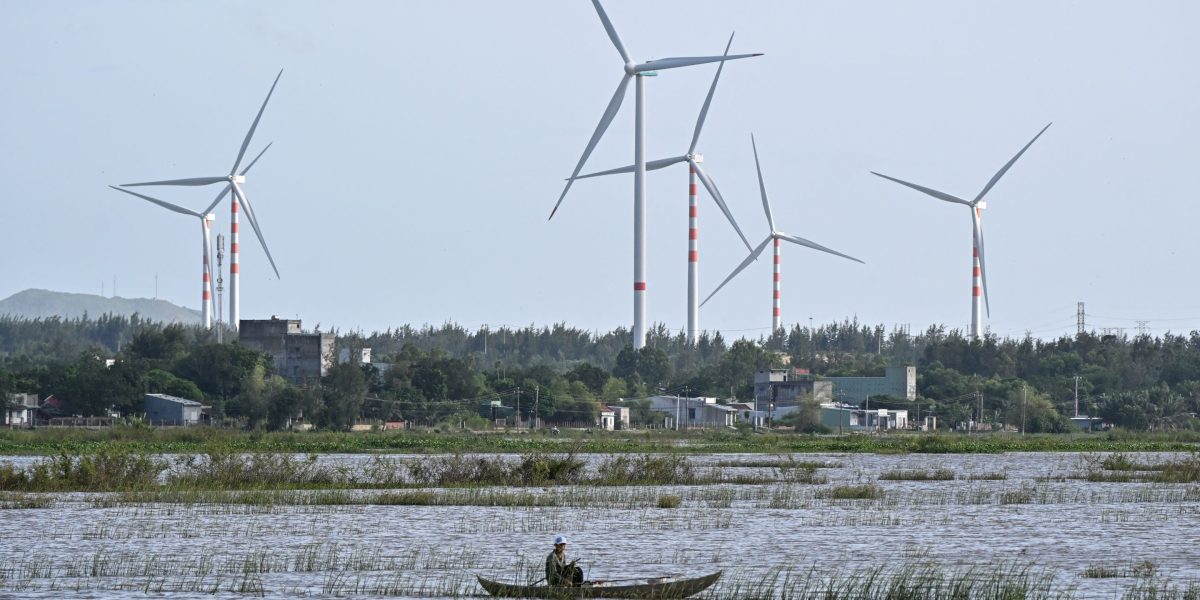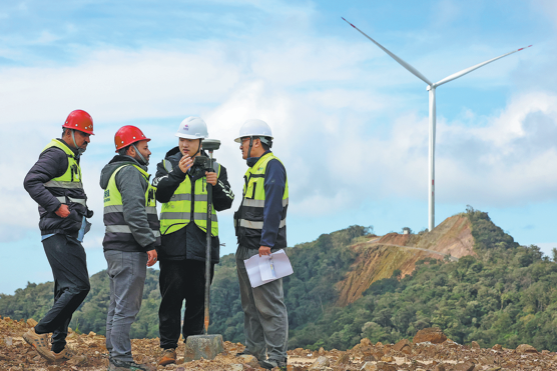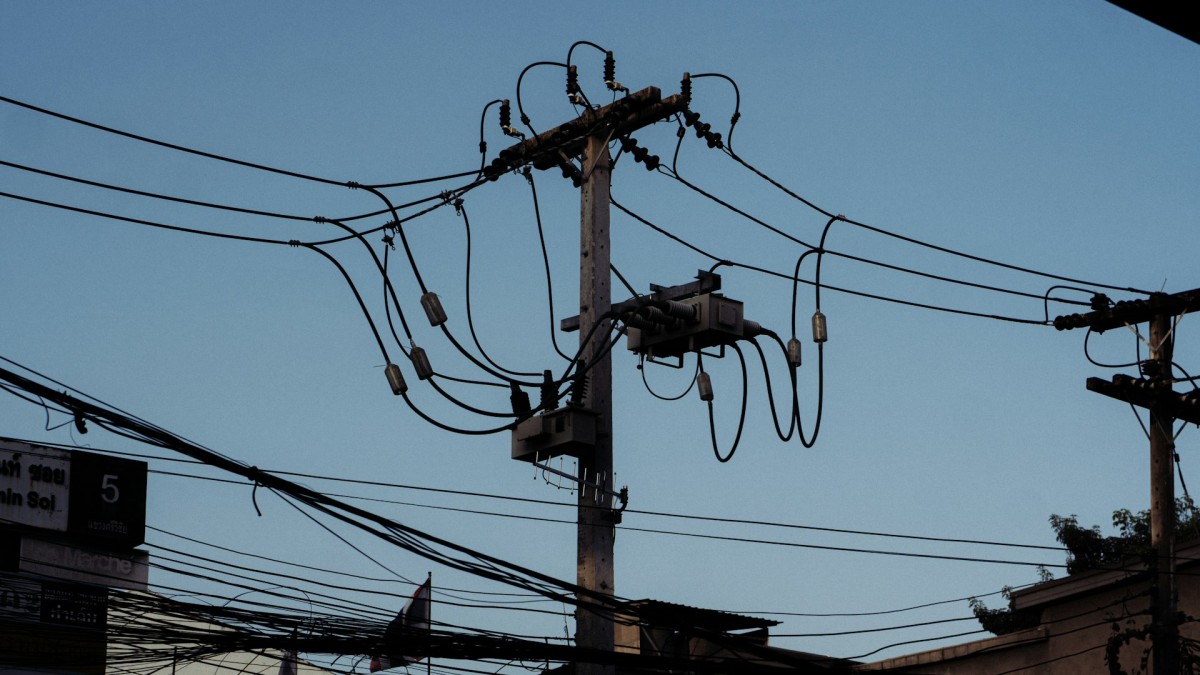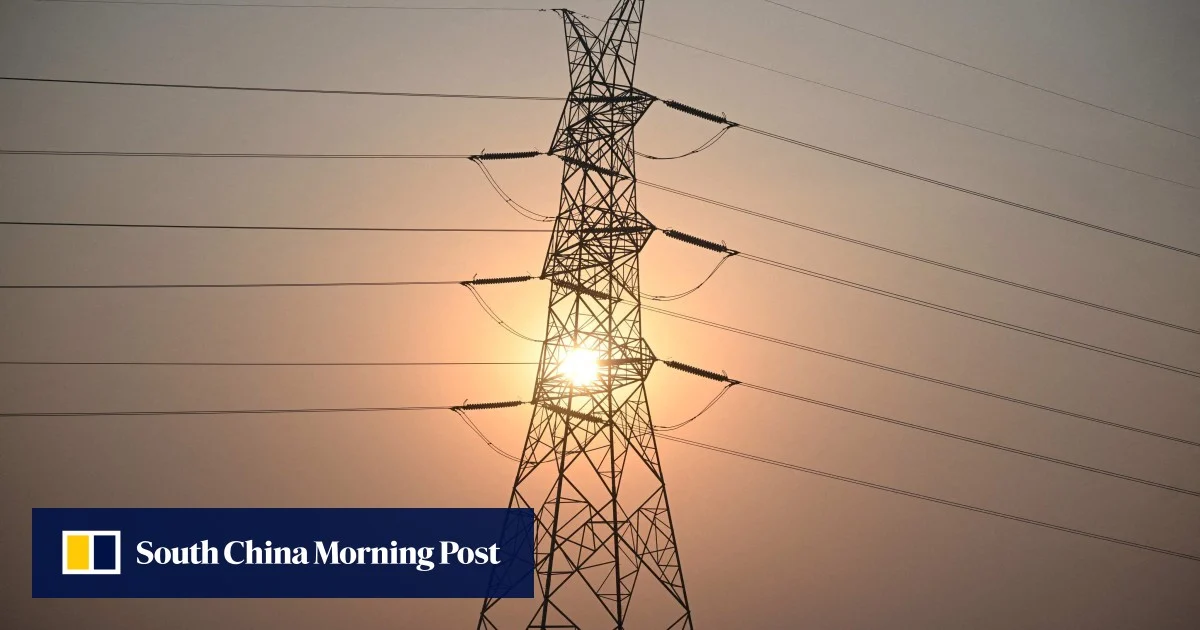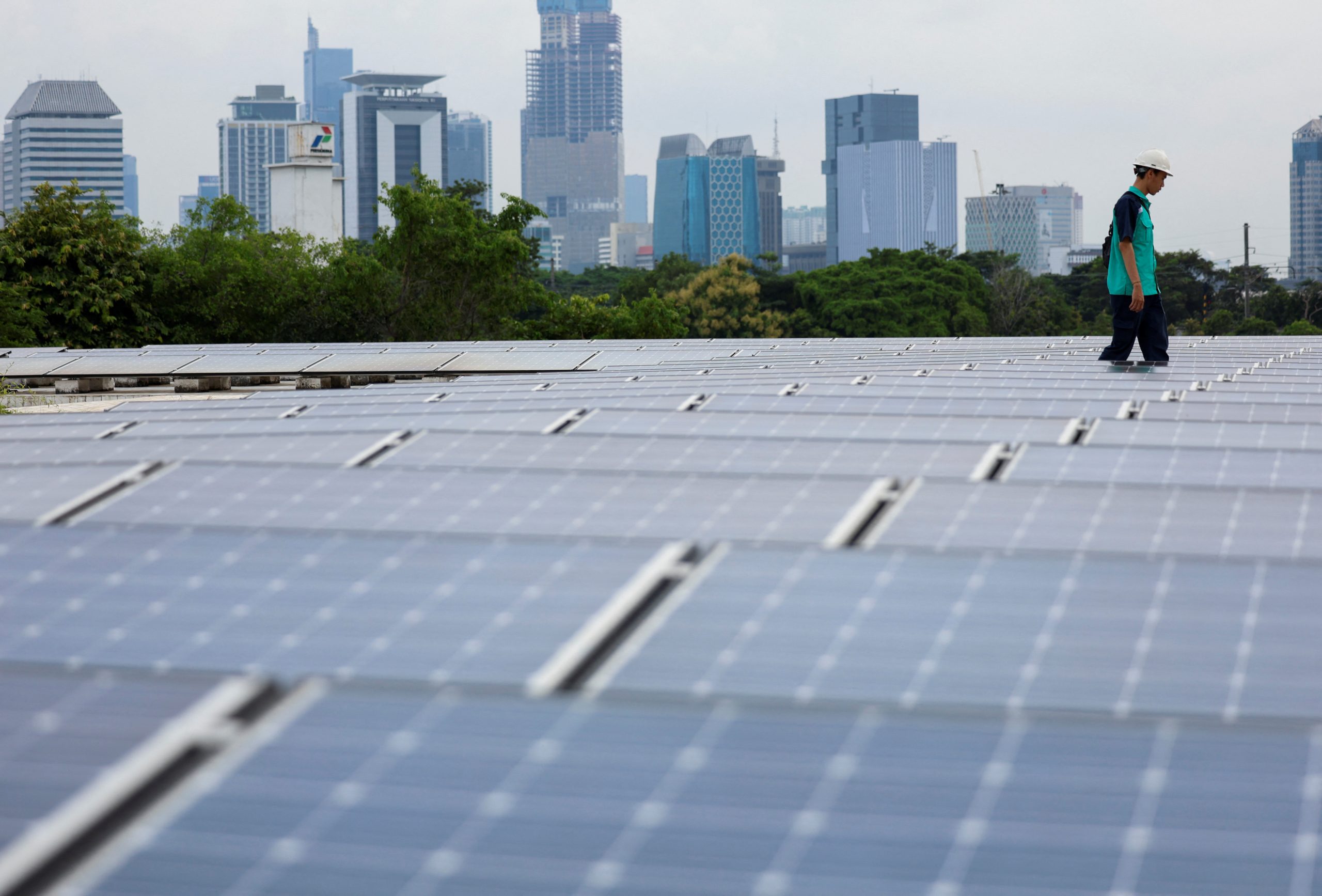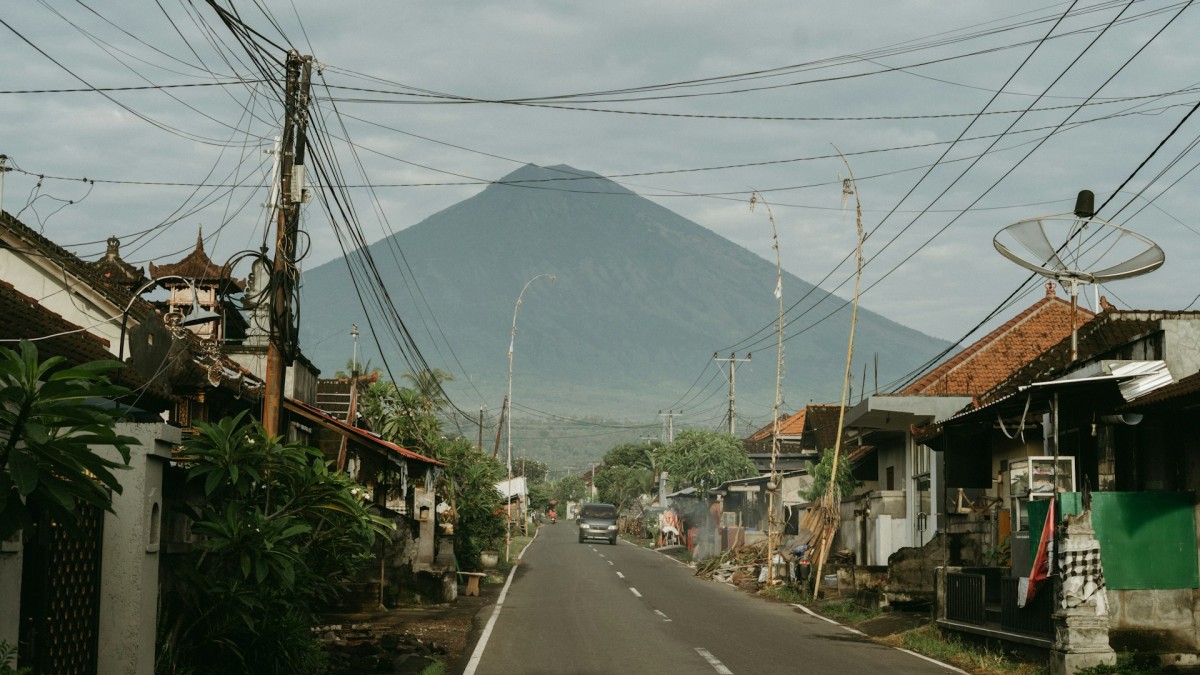
Southeast Asia needs to invest heavily in upgrading and modernising its transmission networks if countries across the region hope to deploy larger quantities of renewable energy over the next decade. With investment in green energy growing ever higher, the grid systems in countries such as Indonesia, India, and Vietnam simply cannot keep up with capacity growth, creating a bottleneck in power distribution. Upgrading and expanding transmission networks would respond to the growth in regional power demand while reducing dependence on fossil fuels. Southeast Asia accounts for 9 per cent of the world’s population and 4 per cent of its GDP, but is set to account for almost 20 per cent of global energy demand growth to 2035 under its current policy setting, according to the International Energy Agency (IEA). To meet this demand and reduce dependence on fossil fuels, eight countries in the region have introduced economy-wide net zero targets.Heavy investment in renewable energy and electrification over the last decade has already helped to reduce fossil fuel import requirements, saving the region roughly $30 billion in import costs in 2025. Southeast Asia’s renewable energy capacity stood at 120 GW in 2024 and is expected to almost triple by 2035 under current policy settings or grow fivefold if announced targets are achieved.Set OilPrice.com as a preferred source in Google here.However, to achieve this growth, governments across the region must invest heavily in their transmission and distribution networks, which need to more than double in length by 2050 to keep pace with rising demand and cope with the growing variability of supply and demand, says the IEA. Investment in grids and storage must increase from $13 billion today to $50 billion in 2050 to meet announced pledges, including investing an estimated $27 billion in cross-border interconnections under the ASEAN Power Grid.Across Asia, energy consumption rose by around 50 per cent over the past decade, while investment in energy infrastructure remained broadly stagnant. Both electricity demand and generation investment have been advancing faster than the infrastructure supporting them. The Asian Development Bank has identified the lack of investment in the region’s transmission networks as a major barrier to Asia’s energy transition, suggesting the need for resilient, digitalised, and flexible electricity networks.A recent assessment suggests that Southeast Asia’s overloaded transmission lines, undersized transformers, ageing equipment, weak maintenance, and inadequate network planning can increase technical losses, constrain power flows, and delay the connection of new renewable projects. While electricity access across Asia rose from around 70 per cent in 2000 to over 97 per cent in 2021, grid losses remained around 12 per cent in 2022, only slightly lower than the 14 per cent recorded in 2000. Meanwhile, as the region diversifies its energy mix to include renewables, higher shares of solar, wind, and distributed generation are increasing the need to manage supply fluctuations. These constraints suggest that transforming the region’s transmission networks will require more than just expansion, demonstrating the need for coordinated investment across physical networks, storage, flexibility, digital system management, and regional interconnection. In Indonesia, the government invested over $3 billion in 2022 in the expansion and renovation of its transmission and distribution systems, about one-quarter less than the average amount spent during the 2017-2021 period. Indonesia must significantly increase investment in its power infrastructure if it hopes to meet its target of extending its transmission and distribution lines by more than 47,000 km between 2021 and 2030, supporting its goal of achieving carbon neutrality by 2060.In India, accelerated renewable energy development is beginning to outpace the country’s transmission and distribution infrastructure. In the first quarter of 2026, transmission constraints contributed almost two-thirds of all renewable energy curtailment, totalling 300 GWh, according to Ember Energy data. Between 2022 and 2026, India has delivered only about 80 per cent of its annual transmission targets. The underinvestment in India’s transmission infrastructure threatens the achievement of the country’s 2030 target of 500 GW of non-fossil electricity. Meanwhile, in Vietnam, installed power capacity had reached nearly 90 GW, with renewable energy contributing around 27 per cent. However, as grid infrastructure has not expanded at the same pace, some provinces have been forced to cut solar and wind power generation due to insufficient network distribution capacity. Vietnam’s Ministry of Industry and Trade is working to improve the legal framework for energy development, including proposed amendments to the Law on Electricity and related regulations, to attract investment in the country’s transmission network and boost investor confidence in the market. Many countries in Southeast Asia are accelerating the deployment of renewable energy in line with aims to achieve a green transition in the coming decades. However, the region’s investment in its transmission infrastructure is not keeping pace with the development of green energy capacity, creating a major bottleneck for power distribution and deterring investment in the renewables sector by undermining investor confidence. By Felicity Bradstock for Oilprice.com More Top Reads From Oilprice.comHow Solar Panel Prices Fell 90 Percent In 15 YearsLow Rivers, High Stakes: Europe's Nuclear Cooling CrisisChina's New Five-Year Plan Preps the Nation for Peak Oil
IEA: Southeast Asia Needs Grid Investment to Nearly Quadruple by 2050 | OilPrice.com
Southeast Asia's grids can't keep pace with renewable growth, and the IEA says investment must jump from $13 billion to $50 billion by 2050.
838 words~4 min read