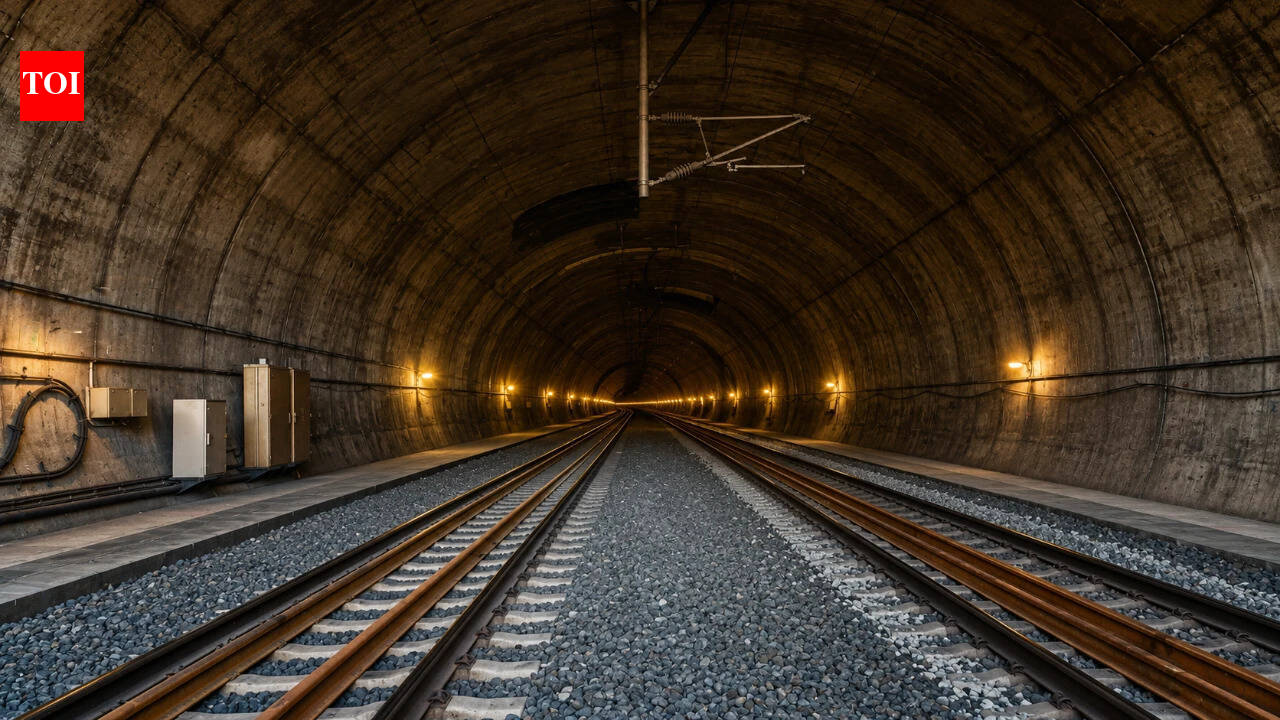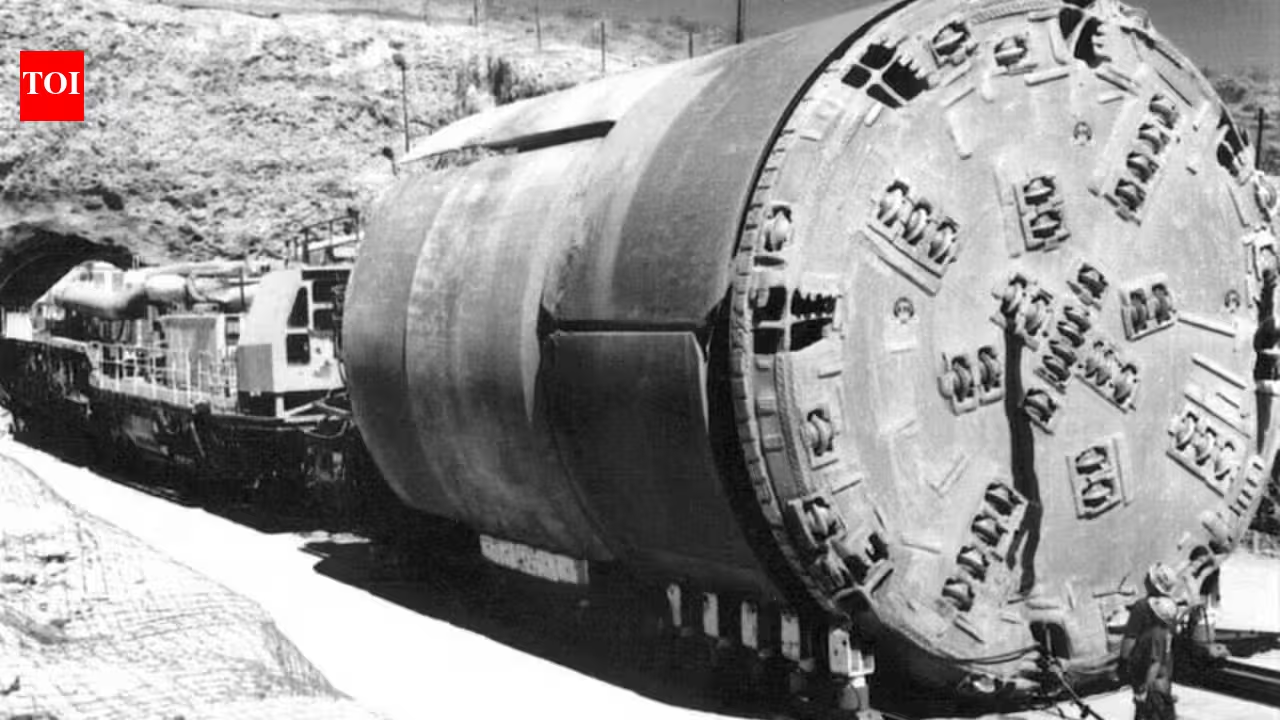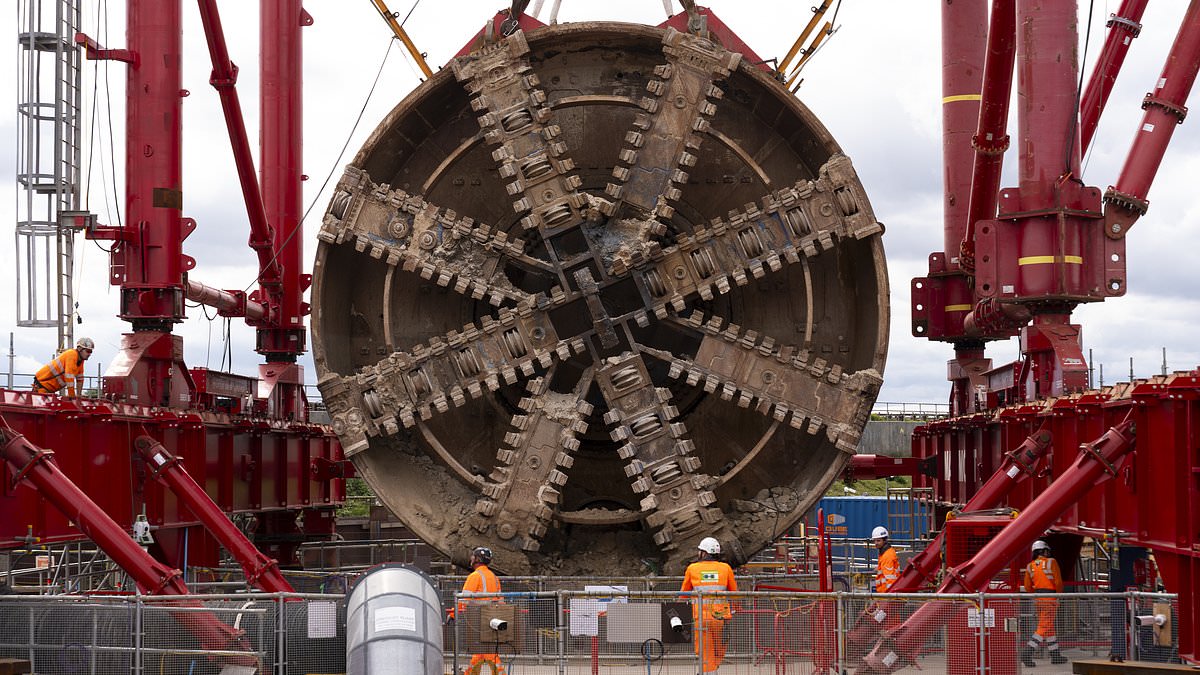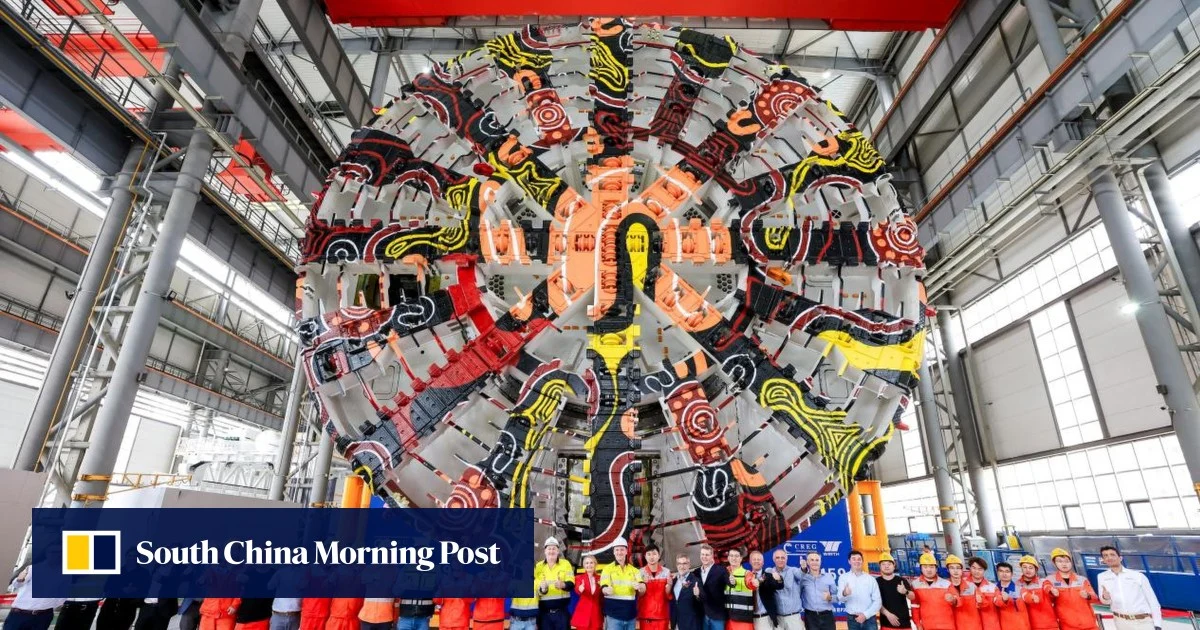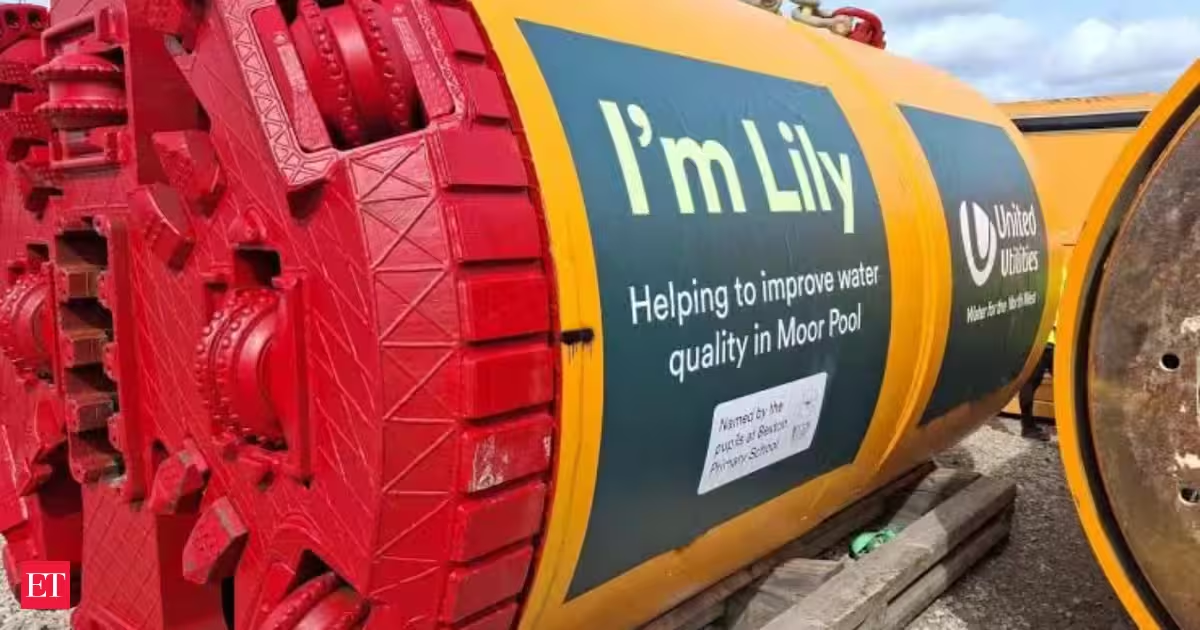
A 40-ton machine called Lily has just surfaced at the edge of Knutsford after spending weeks underground. The tunnel boring machine has completed the first part of a major sewer project without requiring the town to be opened up along the entire route. That quiet approach is the real story: instead of digging a long trench through a busy community, engineers are putting the new stormwater infrastructure beneath it.Lily broke through at Knutsford Wastewater Treatment Works on Aug. 12, completing the first drive of United Utilities’ £48 million upgrade. The full tunnel will stretch about 1.8 kilometers, or 1.1 miles, between the Moor Pumping Station and the treatment works. At its deepest point, it will sit nearly 20 meters, or about 66 feet, below ground.The machine was named Lily by pupils at Bexton Primary School, after the nearby River Lily. Once the tunnel is finished, the new underground system will be able to hold up to 5.5 million liters of stormwater during periods of heavy rainfall. That is roughly 1.45 million U.S. gallons, or about the volume of two Olympic-size swimming pools.Why build a sewer tunnel beneath the town?The answer starts with rain. During heavy storms, large amounts of water can reach sewer networks in a short period, putting pressure on systems that must handle wastewater and stormwater. When capacity is exceeded, storm overflows can activate, sending diluted wastewater into the surrounding water environment.Knutsford’s project is designed to give that water somewhere to wait. Instead of allowing peak storm flows to overwhelm the network, the underground tunnel will temporarily store the water before it can be treated at the wastewater treatment works. United Utilities says the scheme is intended to reduce storm overflow activations and improve water quality around Moor Pool.How does Lily avoid a huge trench through Knutsford?This is where the engineering becomes especially useful. Lily started from a central construction compound at Parkgate Industrial Estate and bored toward the treatment works. After completing that drive, the machine is being returned to Parkgate, lowered back underground and sent in the opposite direction toward Moor Pumping Station. The two drives will ultimately form the planned continuous tunnel.The tunnel itself will be about two meters, or 6.6 feet, in diameter. Because most of the route is being constructed underground, the project can add major water infrastructure without excavating the entire surface corridor. There is still construction activity around the work sites, and United Utilities says temporary traffic management and pedestrian changes are being used, but the approach avoids turning the whole route into one long open excavation.For a town, that difference matters. A traditional trench-based sewer replacement can require roads, sidewalks and other surfaces to be opened as crews work along the route. Tunneling shifts much of that work underground, which can reduce the footprint of construction at street level.What happens to all that stormwater?The new tunnel is not simply a larger pipe carrying water away. Its key job is storage. When heavy rainfall arrives, the system can hold up to 5.5 million liters before the water is treated at Knutsford Wastewater Treatment Works. The capacity gives the network more room to handle sudden surges instead of relying as heavily on storm overflow routes.That matters beyond the machinery itself. The wider project is also focused on Moor Pool, which is part of the Tatton Mere system and is designated as a Site of Special Scientific Interest. United Utilities is working with Natural England and Tatton Estate on sediment removal intended to improve the pool’s condition, water quality and habitat.The sewer project is also an environmental projectThe tunnel is only one part of the £48 million scheme. Earlier this year, crews carried out fish health checks and carefully moved fish from Moor Pool before further work began. United Utilities reported relocating 19 pike, 24 bream, one carp and large numbers of roach and perch during one stage of the operation.The sediment work is expected to begin in autumn 2026. Sediment will be removed using machinery on a floating pontoon, then transported in sealed wagons to a licensed processing facility. The goal is to restore the pool while protecting the wildlife that depends on it.Could this kind of underground fix matter in the U.S.?Knutsford is far from an American city, but the engineering problem will feel familiar to many U.S. communities. Older urban drainage systems face the same basic challenge: rainfall can arrive faster than pipes, treatment facilities and storage systems can handle it.The lesson from Knutsford is not that every sewer needs a giant tunnel boring machine. It is that underground storage can sometimes solve a capacity problem while limiting the amount of disruption on the surface. For densely developed towns and cities, that tradeoff can be valuable when replacing or expanding infrastructure.The Knutsford scheme is expected to be completed in spring 2027. Lily has finished only the first half of her underground journey, meaning the machine still has another drive to make before the tunnel is complete.For now, the most striking part is what residents do not see. Beneath the roads and buildings, a machine named by local schoolchildren is carving out space for millions of liters of rainwater. Above it, much of Knutsford can keep going while the infrastructure meant to protect its waterways is built underground.
Earlier in 2026, United Utilities sent 44-ton tunnel borer Lily beneath Knutsford to build a 1.1-mile stormwater tunnel. Now, the finished system will hold 5.5 million liters of rainwater without closing the high street
Knutsford tunnel boring machine Lily has just completed the first major drive beneath the English town, digging deep underground without tearing up the busy streets above. The 44-ton machine is helping build a 1.8-kilometer sewer tunnel designed to store 5.5 million liters of stormwater. The £48 million project aims to reduce pressure on aging sewers and protect local waterways, while keeping everyday life in Knutsford moving.
877 words~4 min read