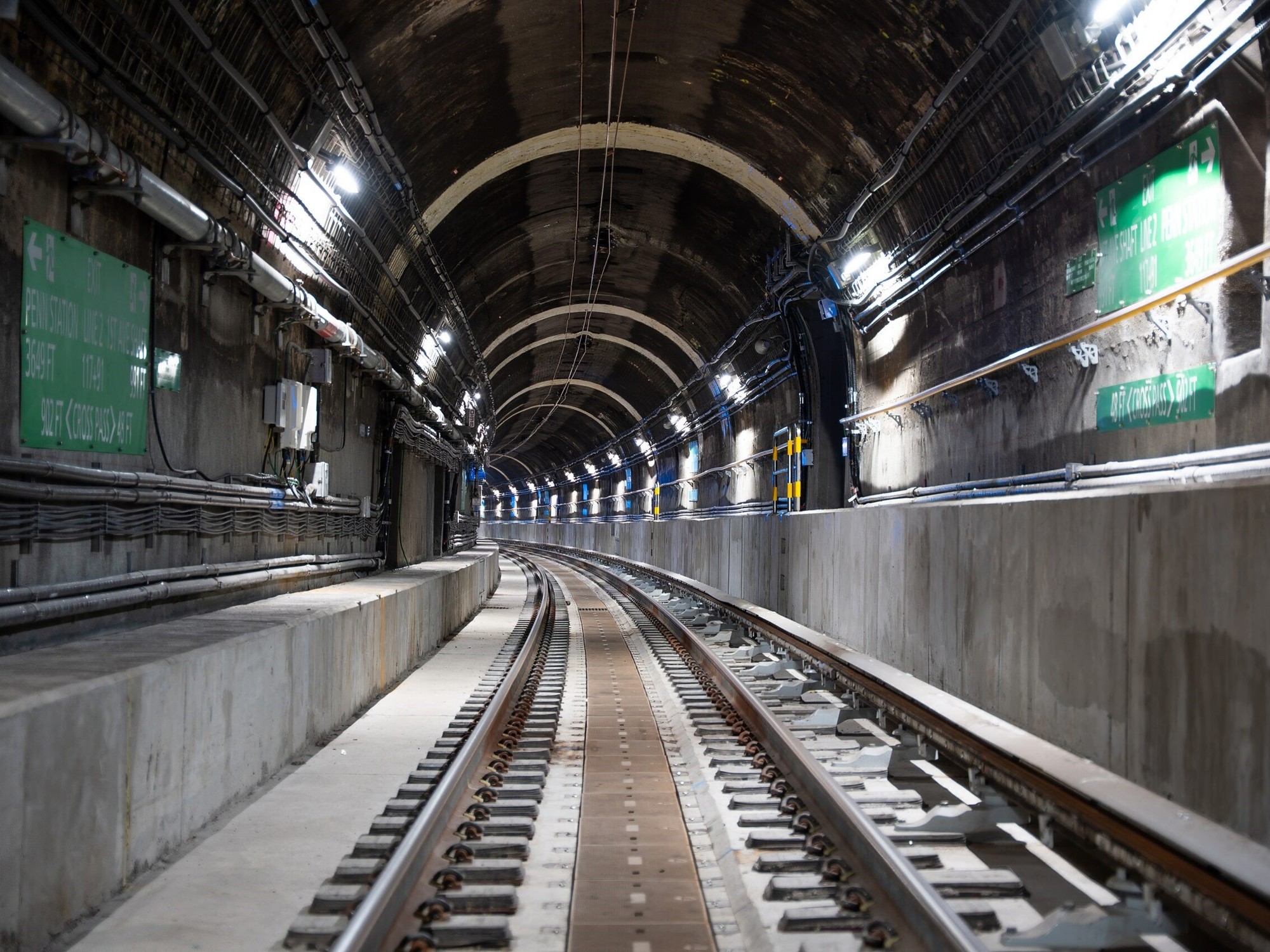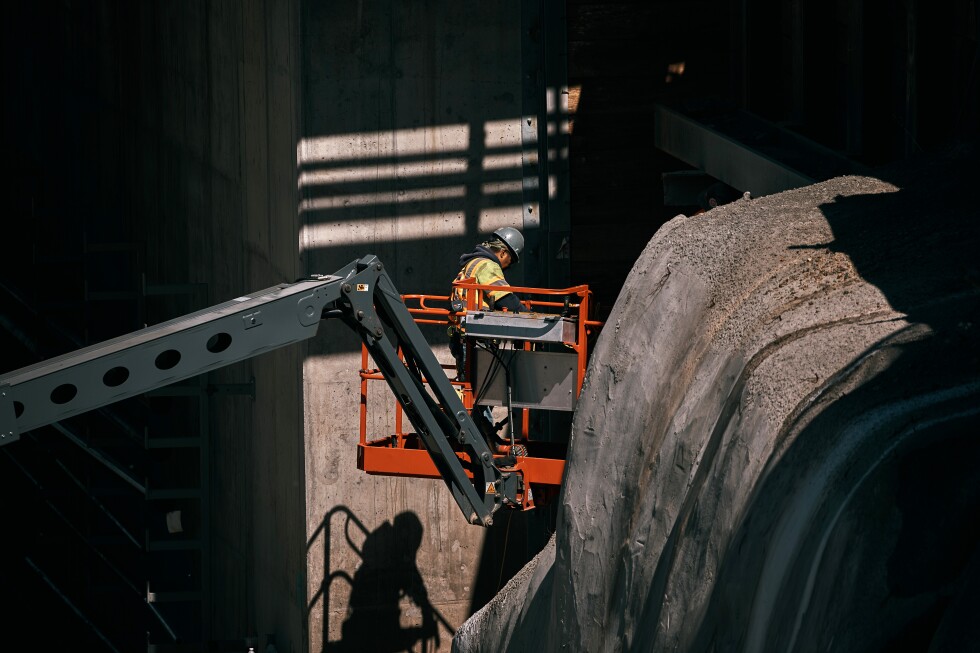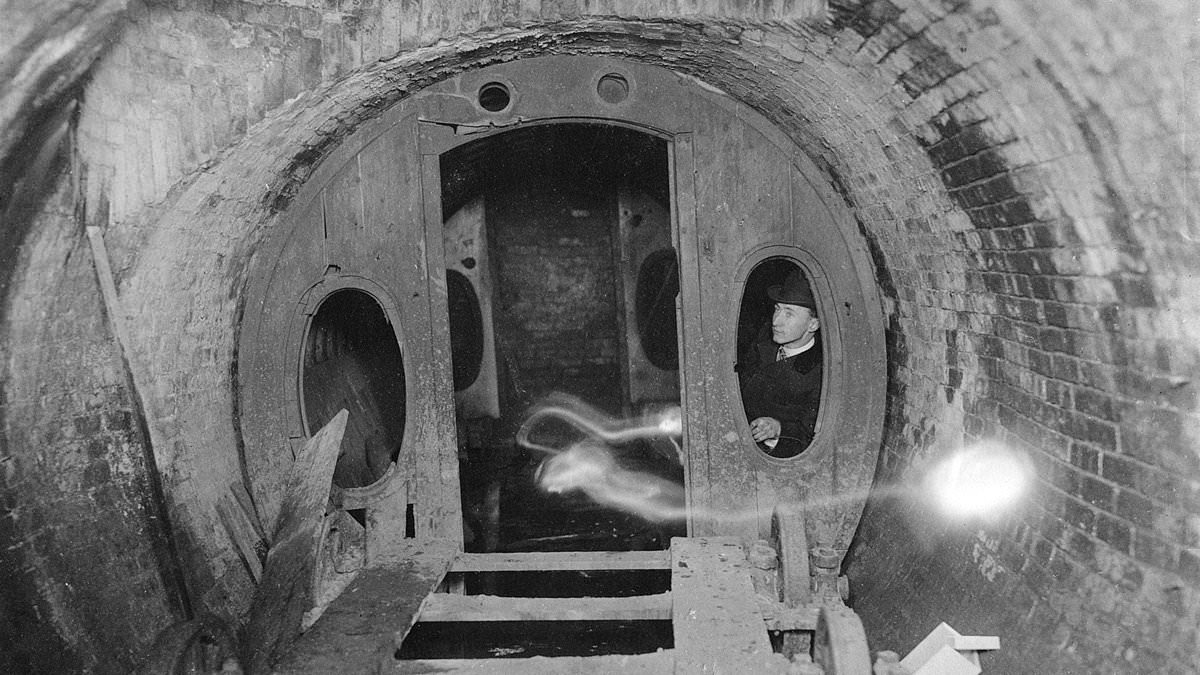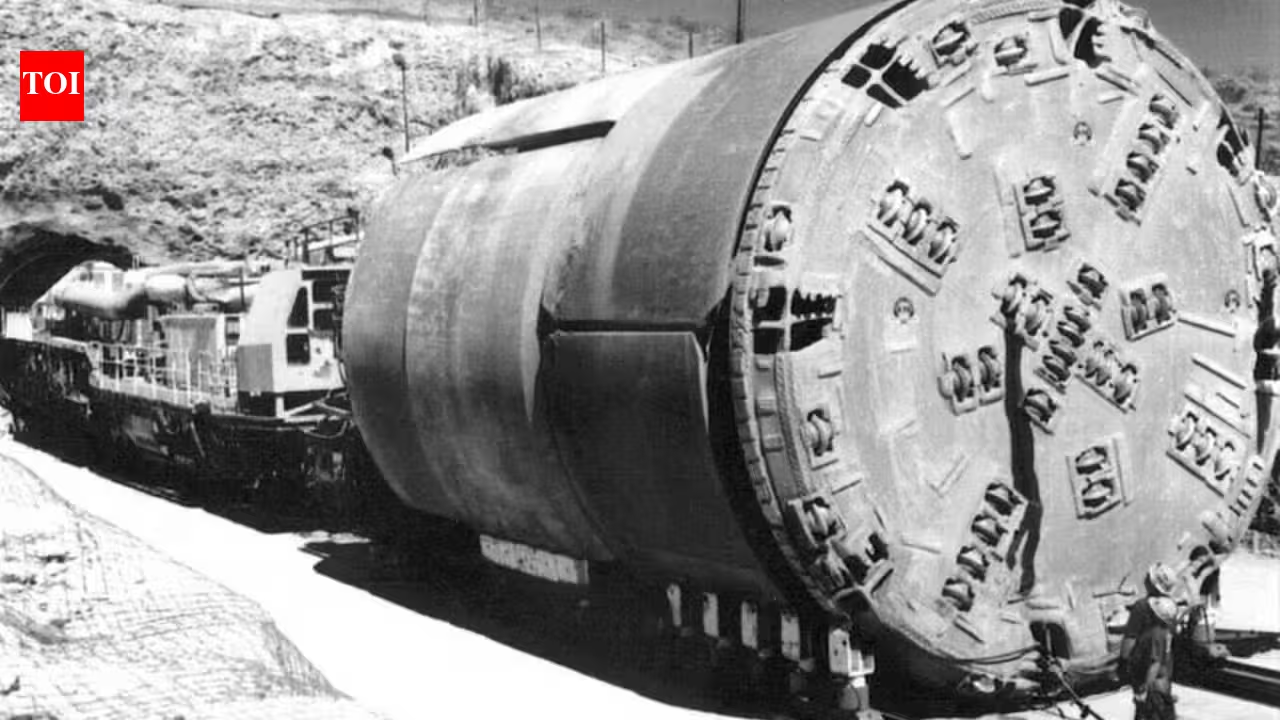
A representative image of a tunnel boring machine. Image credits: Wikimedia CommonsIn 1970, New York City began construction of what would eventually become one of the most ambitious infrastructure projects in its history: City Water Tunnel No. 3. The project was designed to create a third major conduit for the city’s drinking-water system and, crucially, provide enough redundancy to allow the two older tunnels to be inspected and repaired. In 1998, the first sections entered service, but the Manhattan portion was not activated till 2013, meaning the project had been under construction for 43 years. According to the New York City Department of Environmental Protection (DEP), the tunnel ultimately stretches for more than 60 miles through the city’s underground bedrock.Why New York City required a third tunnelFor the major part of the 20th century, New York City depended primarily on two water tunnels. Tunnel No. 1 entered service in 1917, and Tunnel No. 2 followed in 1936. DEP reported that both tunnels were deep beneath the city and carried water from New York’s upstate supply system toward the five boroughs. By the middle of the century, officials recognised a fundamental problem, that is, taking either tunnel out of service for major inspections or any repairs would threaten the reliability of the city’s water supply. They believed the answer to this problem was building a third tunnel that could operate alongside the older pair.While the construction for the third tunnel began in 1970, the progress was far from straightforward. The project was divided into stages and required enormous underground shafts, chambers and connections to the existing distribution network. As per a New York City planning report, the original project was estimated to cost about $1.5 billion and take 16 years. However, delays and changing requirements eventually led the cost to exceed $6 billion. In 2026, the ongoing expansion has extended construction across more than half a century. Modern DEP project data for the mid-2020s shows that this protracted development window has successfully transformed the tunnel from a singular engineering project into a continuously evolving, multi-generational utility network.Air vents in sidewalk adjacent to 10 Hudson Yards for Shaft 26B of City Water Tunnel No. 3. Image credits: Wikimedia CommonsNevertheless, the first section reached completion, with Stage 1 running approximately 13 miles from Hillview Reservoir in Yonkers through the Bronx, beneath Manhattan and across the East River toward Queens. This section entered service in 1998, thus beginning the gradual expansion of Tunnel No. 3’s role in the city’s water network.Digging hundreds of feet beneath ManhattanThe Manhattan portion presented another engineering challenge. While the operational Stage 1 tunnel had already established a primary northern backbone beneath the island in 1998, securing full borough-wide backup capability required a localized distribution network. The construction on the distinct Stage 2 Manhattan delivery circuit began in 2003, and excavation took place roughly 550 feet below the city streets in some parts. DEP reported that the tunnel extended from the West Side near 30th Street toward Lower Manhattan and then northward along the eastern side of the island. Additionally, crews constructed shafts that would eventually connect the deep tunnel to the water mains closer to the surface.It is worth noting that the tunnel itself was not simply a giant pipe running directly beneath every neighbourhood. Instead, a network of shafts and distribution chambers was required to connect the deep conduit to New York’s existing water-main system. These shafts serve as conduits through which water reaches local distribution mains. In 2010, DEP announced the completion of 8.5 miles of tunnelling and concrete lining along the Manhattan region, together with 10 shafts.However, the final connection took years after the principal tunnelling was completed, as new trunk water mains had to be installed so that the water from the tunnel could actually enter the existing distribution network. In 2013, the city announced completion of around 2,750 feet of new trunk mains on Manhattan’s Upper East Side, describing the work as a crucial step toward activating the Manhattan section later that year.That distinction is important when describing the project in 2013, as the Water Tunnel No. 3 was not first completed in 2013, nor did water reach Manhattan for the first time that year. Stage 1 section had already been delivering water since it entered service in 1998. Therefore, 2013 marked the activation of the Manhattan portion of Stage 2, extending the new tunnel’s service and redundancy within the island.On 16 October 2013, Mayor Michael Bloomberg announced the completion and activation of the Manhattan section. This milestone marked the precise point where the city achieved the operational security needed to safely begin isolating its aging predecessors. While Tunnel No. 1, built in 1917, had already crossed the century mark and Tunnel No. 2, built in 1936, was rapidly approaching it, the activation of the Stage 2 loop finally removed the existential risk of a citywide water shortage. This redundancy cleared the way for authorities to safely execute the highly complex, phased shutdowns and internal automated inspections of these older conduits.
New York started digging Water Tunnel No. 3 in 1970; water reached all of Manhattan only in 2013, 43 years later
In 1970, New York City began construction of what would eventually become one of the most ambitious infrastructure projects in its history: City Water Tunnel No. 3.
837 words~4 min read