Why does food feel scary in 2026?
d3sign/Getty Images
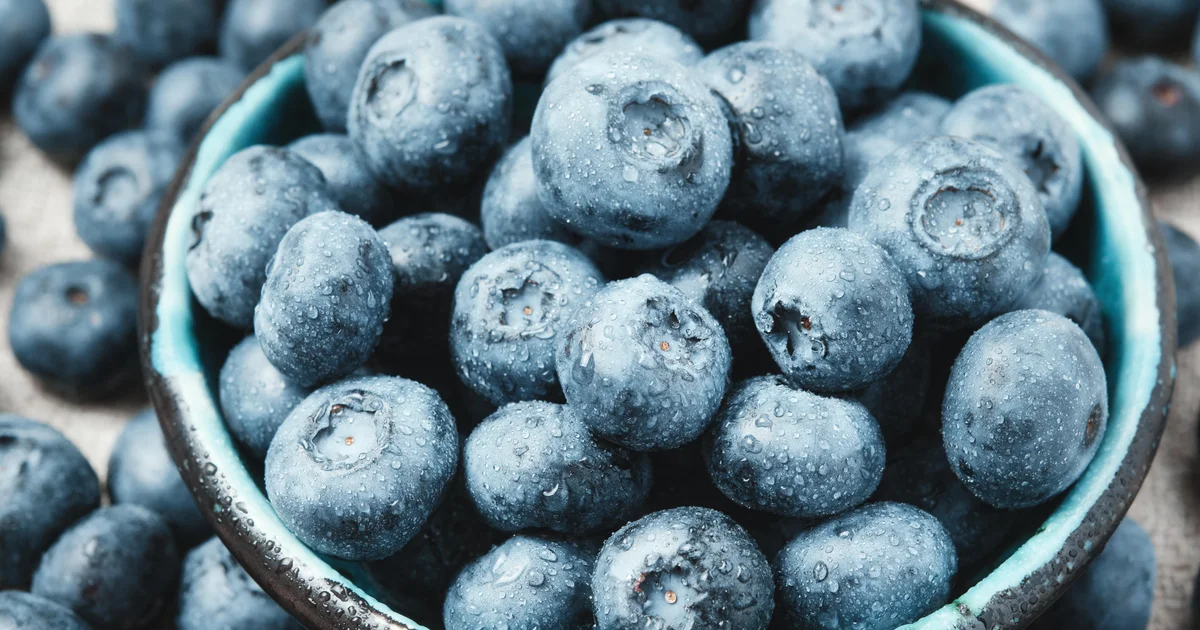
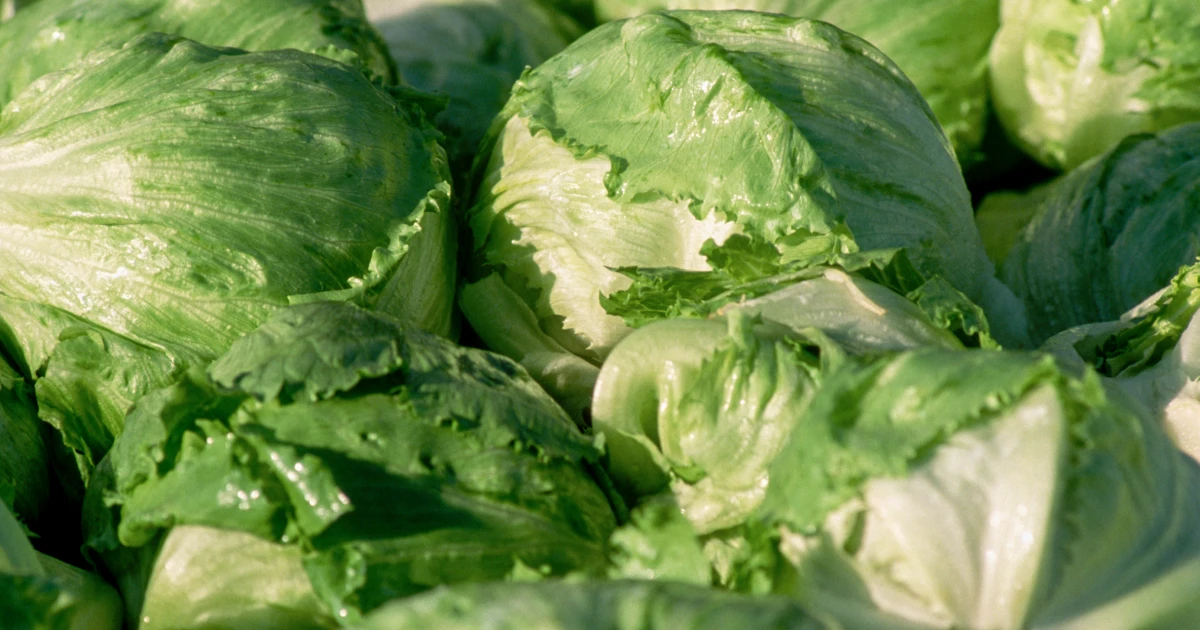
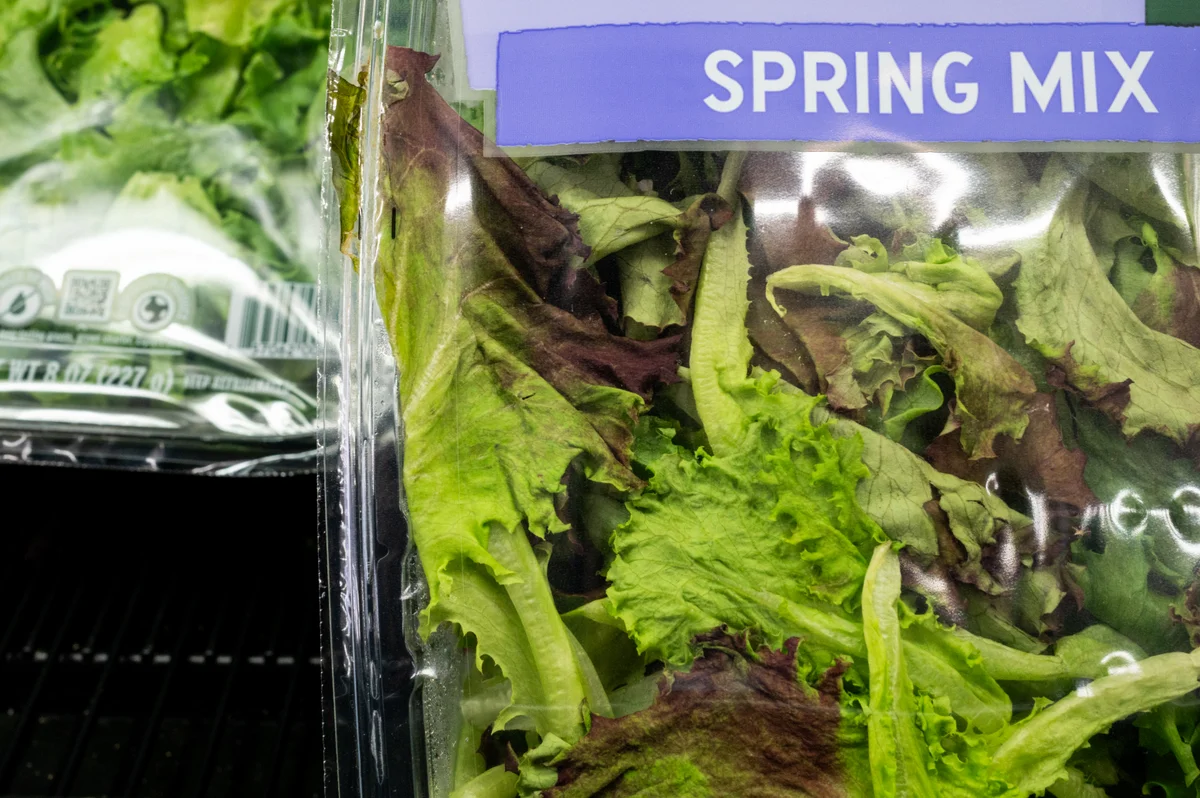
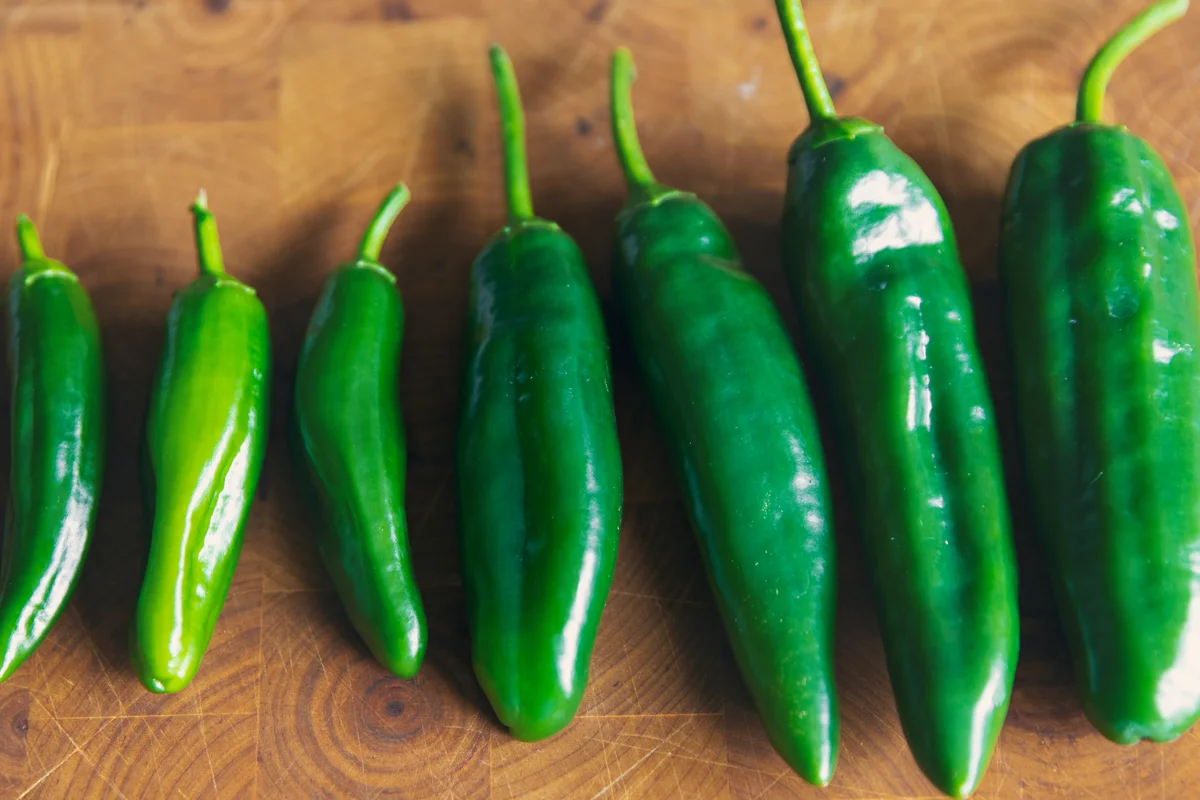
Bill Marler's business is booming — and that's not great for the rest of us.Marler is a food safety lawyer, defending people who've been sickened by foodborne illness. He has been doing this for 33 years, with such high-profile wins that he's become a towering figure in the food safety world.This year, he's so slammed with foodborne-illness cases that, for the first time in years, he's expanding his team — hiring another lawyer and a couple of paralegals. "We just have too much shit to do," Marler said.This summer alone, Americans have been warned about a massive Cyclospora outbreak linked to iceberg lettuce — 10,930 confirmed illnesses, 454 hospitalizations, and two deaths — plus Salmonella in jalapeños and eggs and E. coli in frozen blueberries. Then there are the recalls: bread that may contain metal fragments, fruit bars that may contain glass, and foods pulled for possible bacterial contamination or undeclared allergens.By August, the FDA's 2026 public health advisories had covered what felt like everything, from cheese to infant formula."As a consumer, you're looking at this like, well, what the hell's safe to eat?" Marler said.America is having a headline-grabbing food-safety summer. Some of that is perception: We're better at finding outbreaks, and recall counts can be misleading. But long-standing vulnerabilities in our food system — compounded by cuts to the public health infrastructure designed to catch problems — are also at play. Whether it represents something more significant is harder to say."It's real, and it looks bad," Marler said.