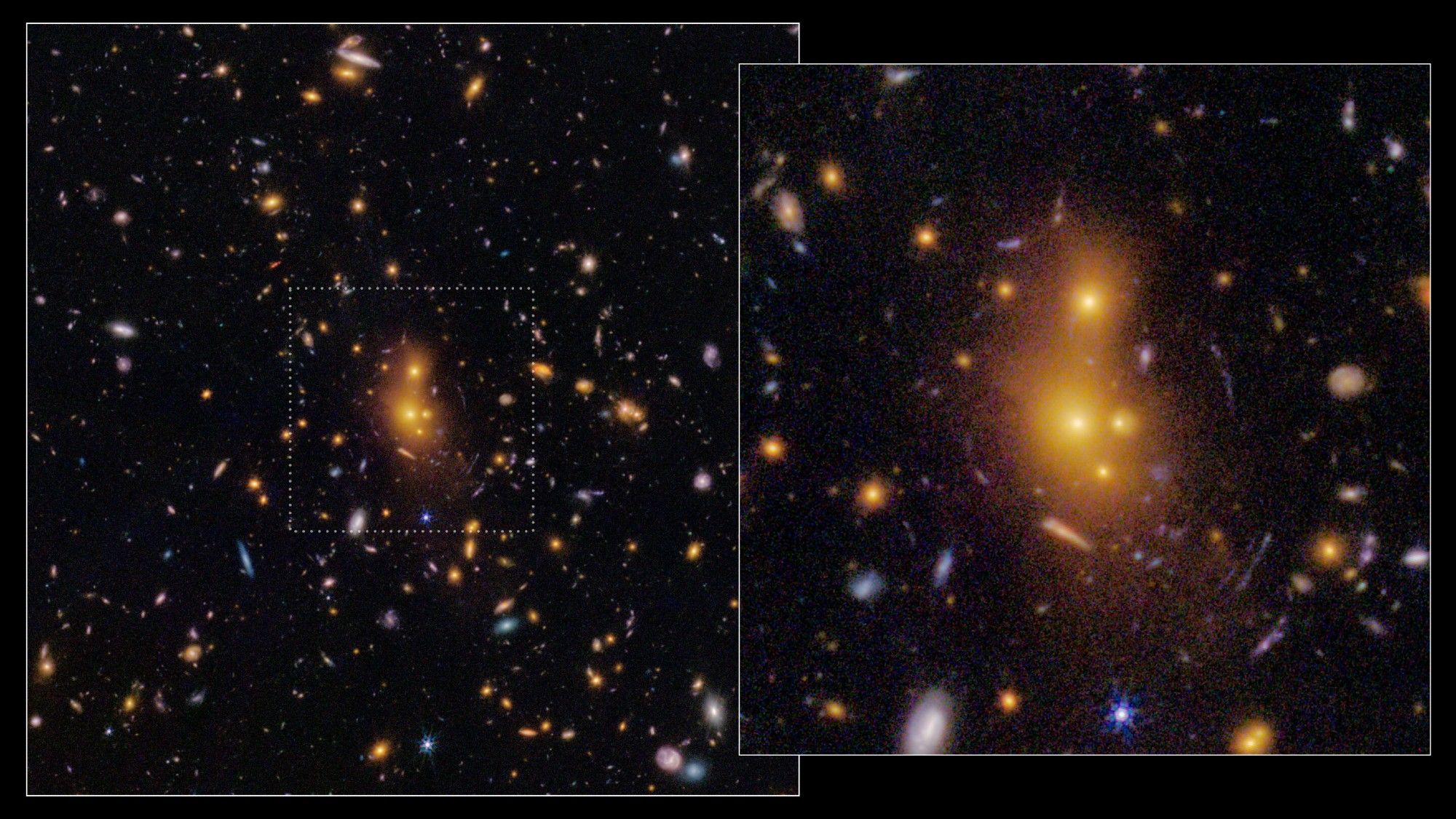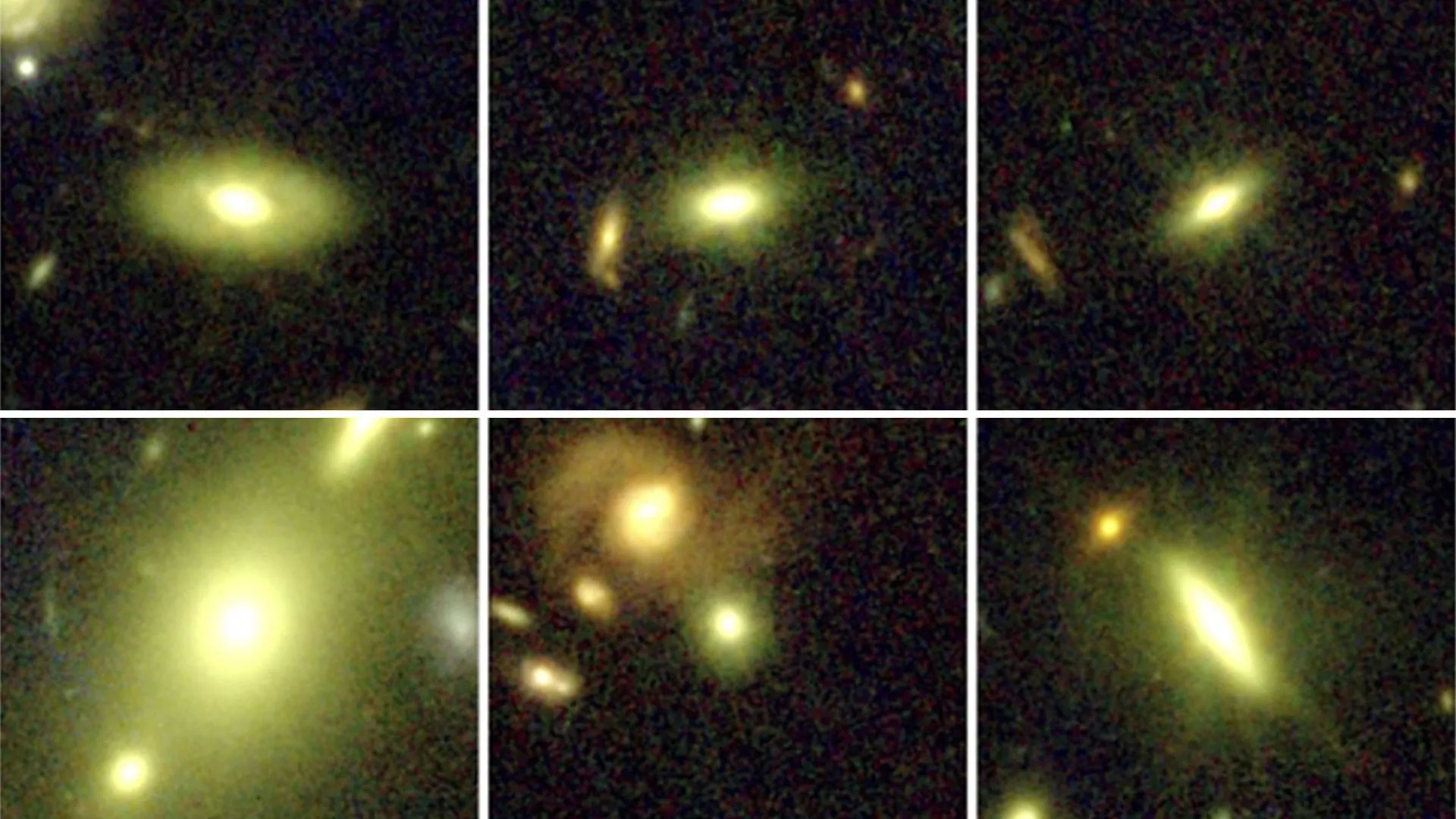
Astronomers have found that some of the largest galaxies in the early universe contained many more small stars than scientists previously realized. That hidden population means these ancient galaxies may have been significantly more massive than earlier estimates indicated.
The discovery, made by an international team that included Penn State researchers, adds to a growing challenge for theories about how the first galaxies formed and evolved. The findings were published in Nature Astronomy.
JWST Uncovers Faint Stars in Ancient Galaxies
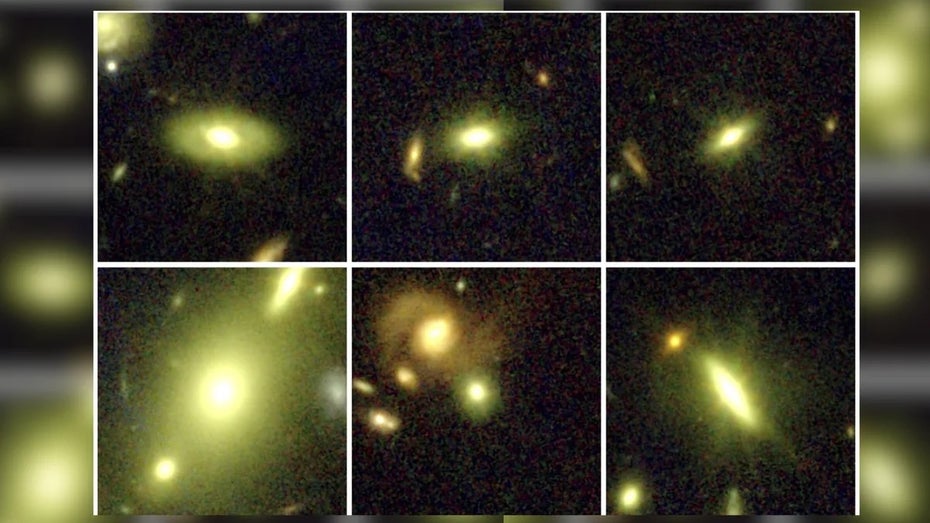
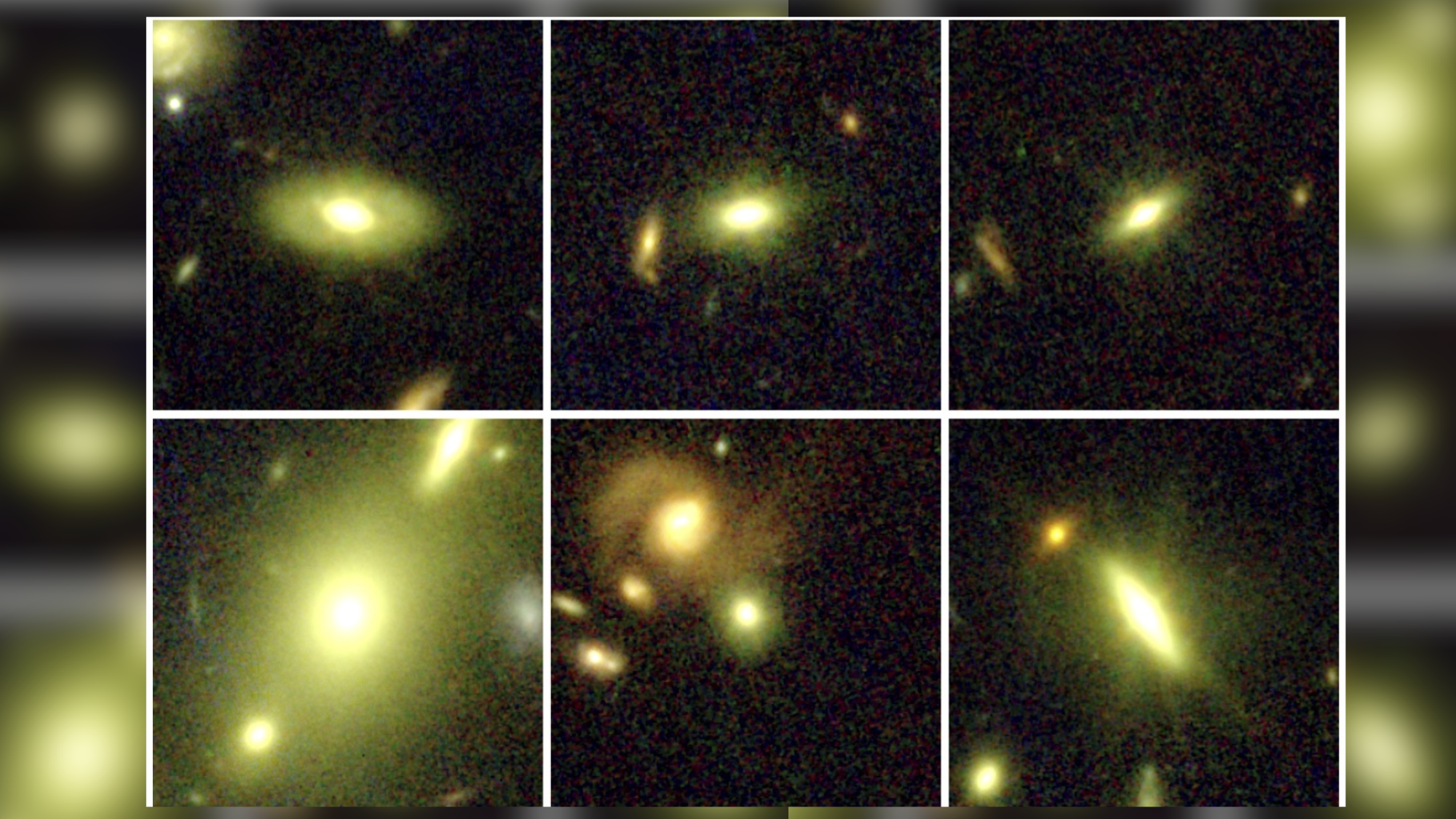
Using NASA's James Webb Space Telescope (JWST), researchers examined nine massive, mature galaxies that stopped producing new stars billions of years ago. They combined JWST observations of the distant universe with earlier ground-based data from the Very Large Telescope.
For the first time, the team was able to reliably estimate the relative numbers of small, faint stars and much larger, brighter stars in galaxies at such great distances.