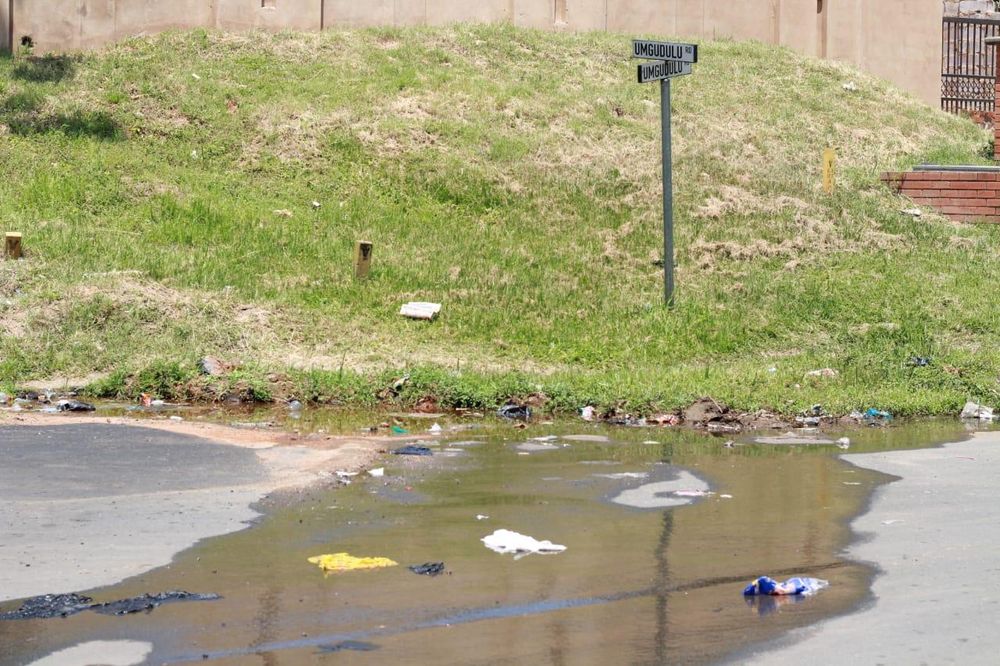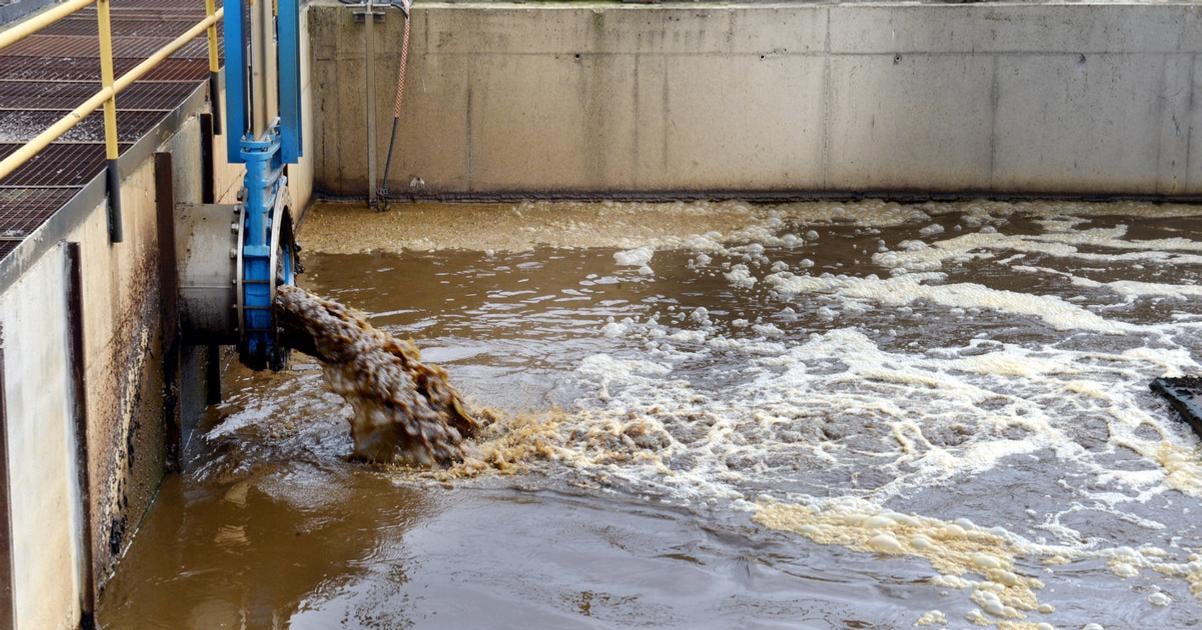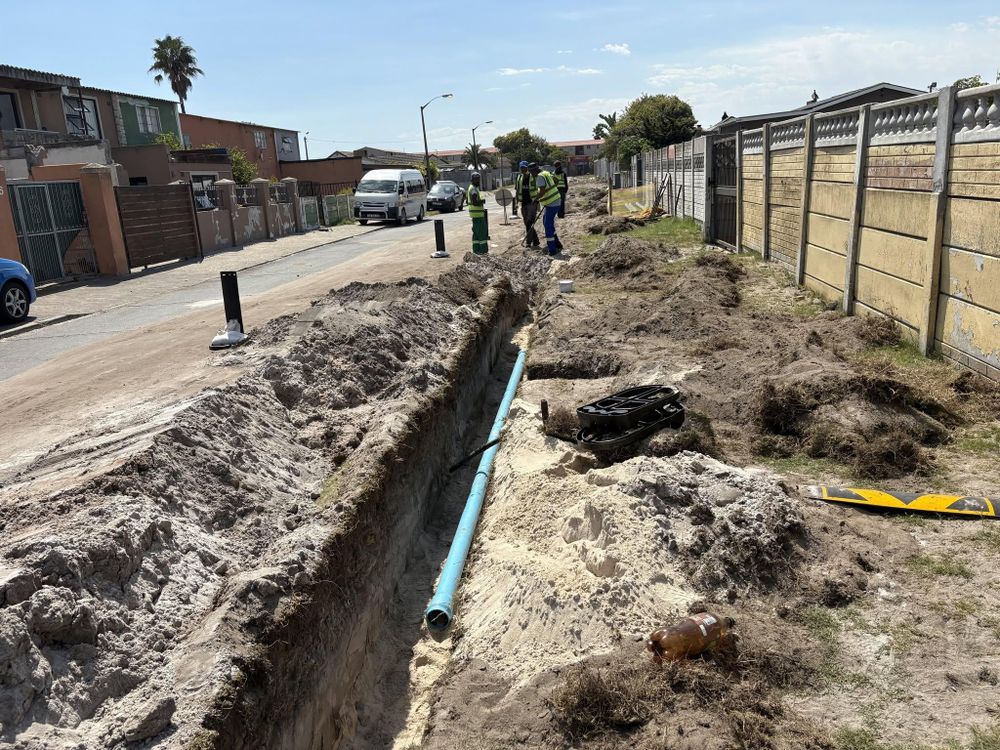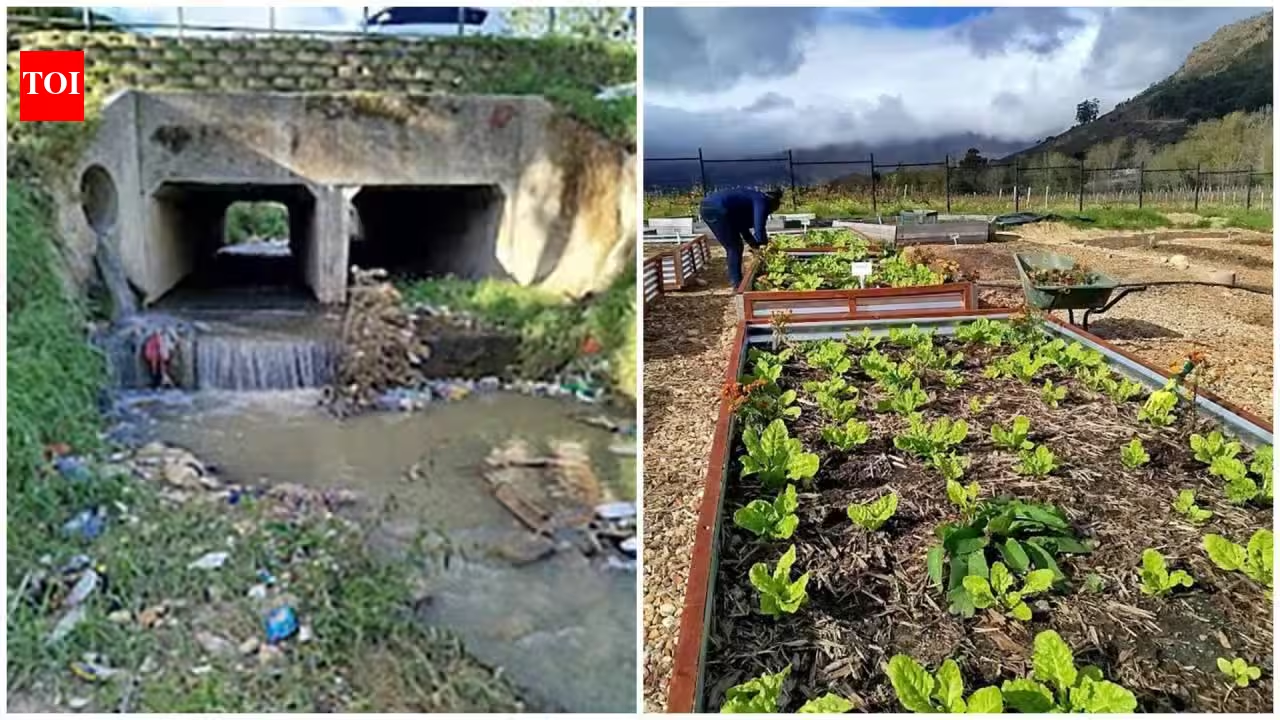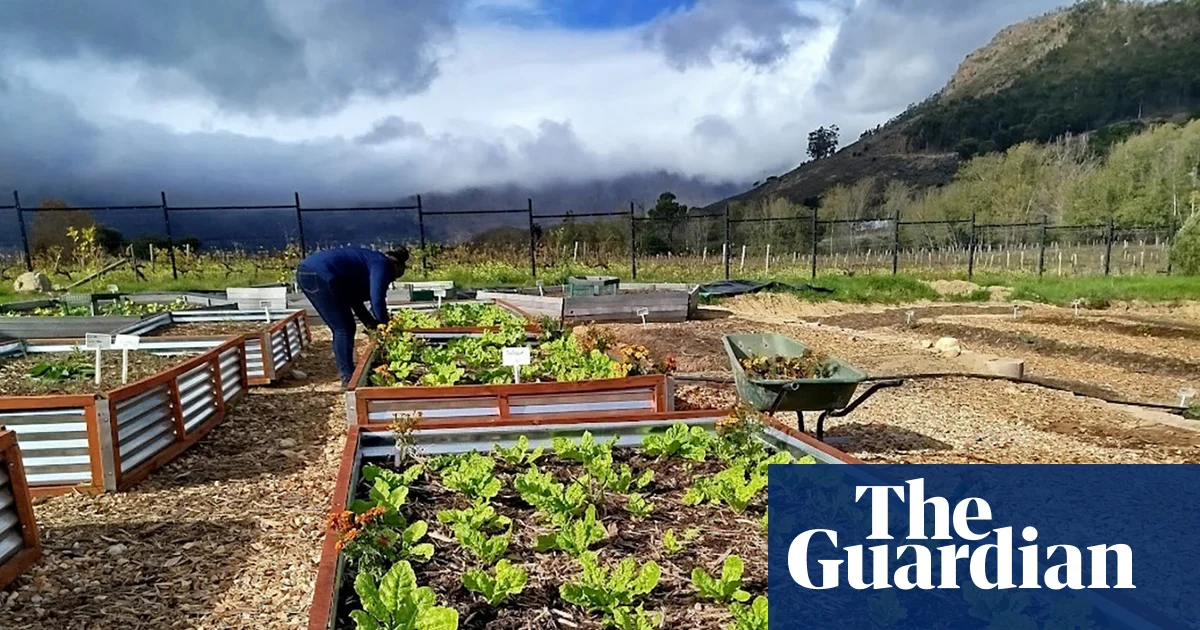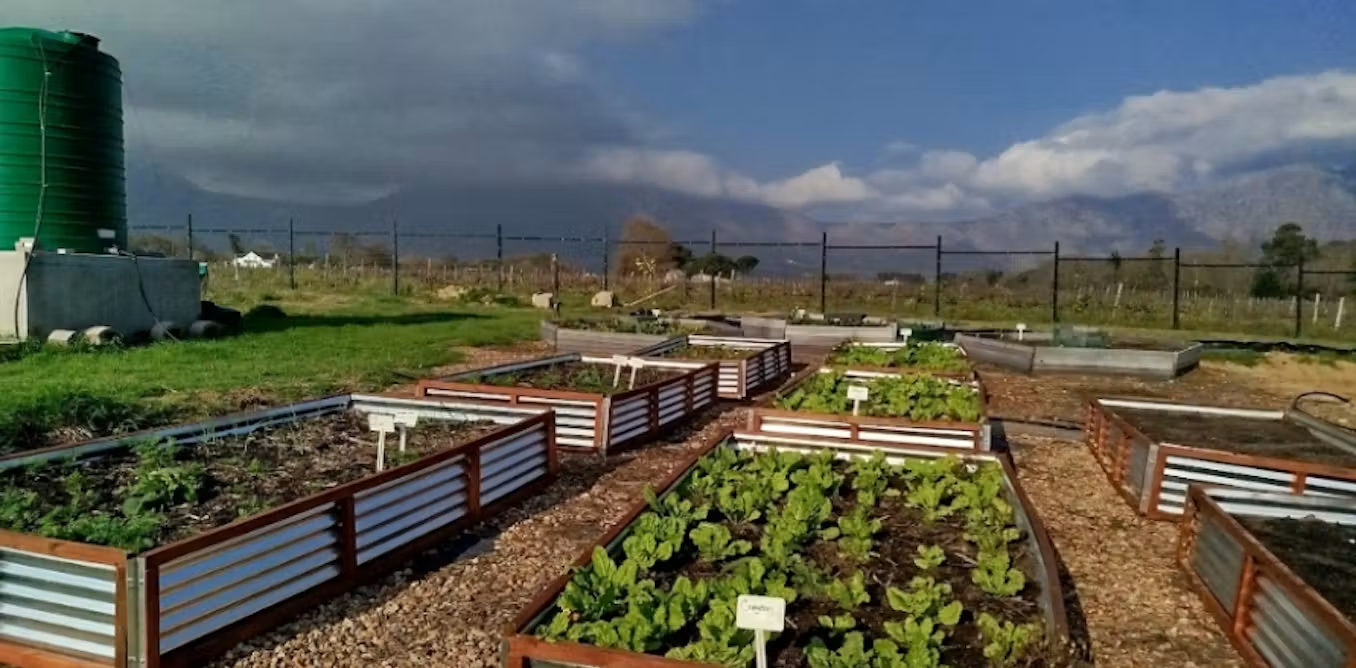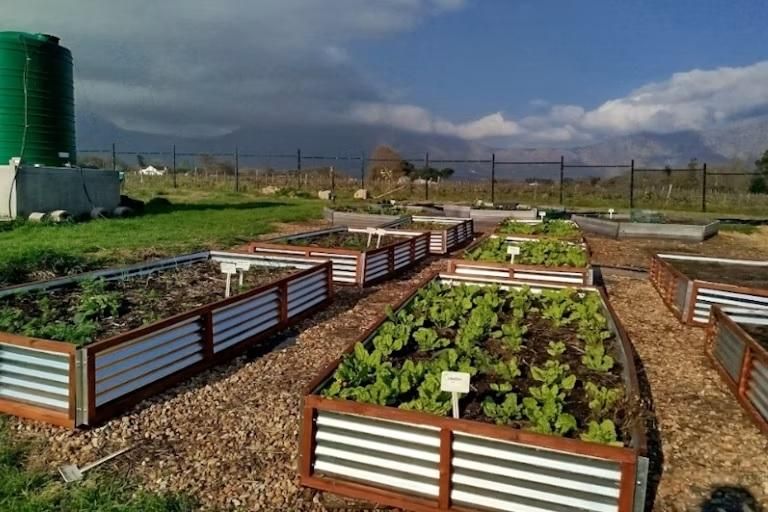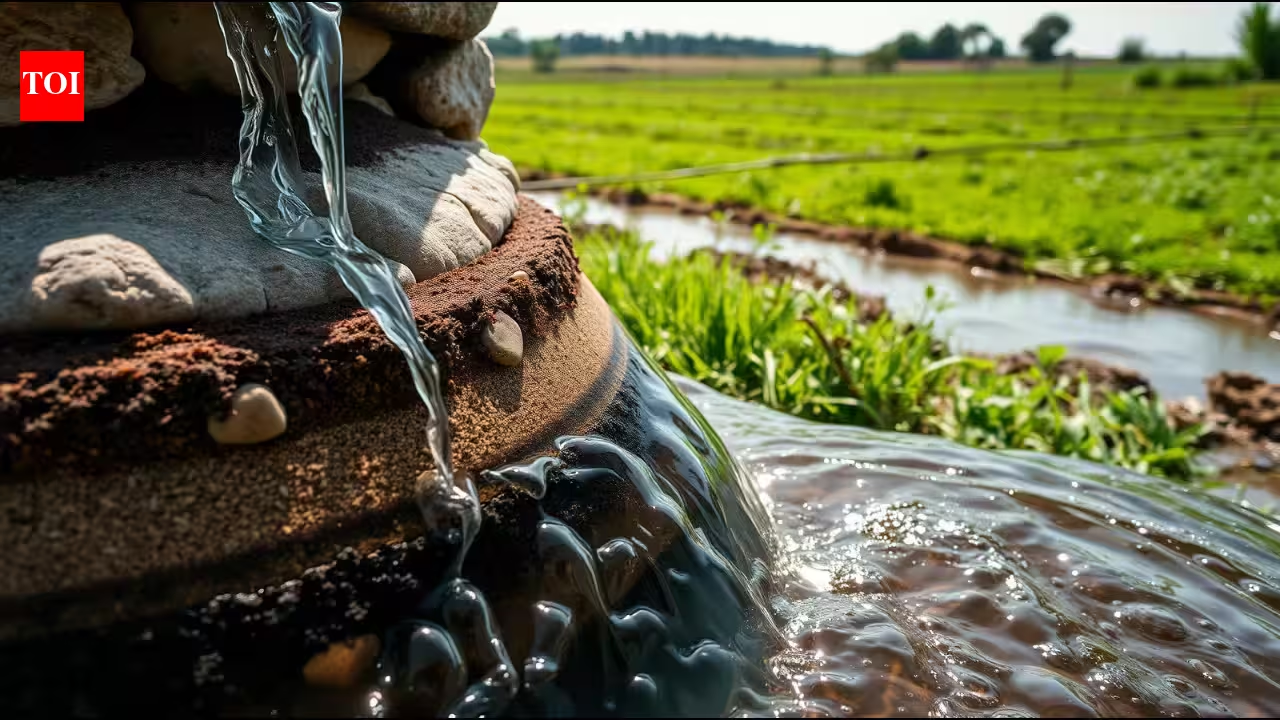
Representative Image of a natural filtration system using stones, sand, and biochar to treat river water for irrigation (AI-generated image)The Stiebeuel River in Franschhoek, South Africa, about 75 kilometres east of Cape Town, has become heavily polluted by sewage and contaminated runoff from the nearby informal settlement of Langrug, where inadequate sanitation has allowed waste to enter the river. E. coli concentrations have been measured at more than 400,000 colony-forming units per 100 millilitres, far above South Africa's guideline for recreational freshwater. The pollution has transformed a waterway once used by local residents into a serious public health and environmental concern for the surrounding community. Researchers at the University of Cape Town's Future Water Institute have been testing whether natural filtration can help treat some of that contaminated water. At the Water Hub, a former wastewater treatment site, they repurposed old sludge-drying beds as biological filters filled with layers of stone, sand and biochar. The system now treats approximately 50,000 litres of river water each day, producing water that can be reused for purposes including irrigation.How old sludge-drying beds became natural filters for a polluted riverAccording to research published by The Conversation by Kevin Winter, research director at the Water Hub, the project transformed drying beds that had previously been used to process sewage sludge into filtration beds. The beds contain different layers of small stones, coarse sand and biochar, allowing contaminated river water to pass gradually through the material.Water is first pumped from the Stiebeuel River into a holding tank before being distributed through the treatment system. It then moves slowly through the filter beds, where physical filtration and biological processes help remove pollutants. The treatment takes several days rather than minutes, reflecting the project's emphasis on relatively simple infrastructure that can operate without the energy-intensive systems associated with conventional wastewater treatment.What the research found about bacteria, ammonia and phosphorusTesting of the treated water showed substantial reductions in several important pollutants. The researchers reported that E. coli was removed to below detectable levels in treated samples, while ammonia and phosphorus concentrations fell by approximately 85 to 95 per cent. Those nutrients can become environmental problems when they accumulate in waterways. Excess phosphorus and nitrogen compounds can encourage excessive algae growth, which can subsequently reduce oxygen levels and damage aquatic ecosystems.The river contains other contaminants as well, including microplastics and pharmaceutical residues. The biofilter was not specifically designed to remove every contaminant present in the water, meaning treatment results should not be interpreted as proof that the river water has become completely free of pollution. Instead, the project demonstrates that nature-based filtration can substantially improve severely contaminated water using relatively simple materials and infrastructure.How the treated water is being used to grow foodA portion of the treated water is being used to irrigate vegetable gardens associated with the Water Hub and the surrounding Langrug community. Around 3,000 litres of the approximately 50,000 litres treated each day are currently directed toward food-growing activities involving young women from the settlement. The gardens provide more than vegetables. They are also part of a programme focused on skills development, community participation and creating practical uses for water that would otherwise remain heavily contaminated.The approach is particularly relevant in regions where water scarcity and climate change are putting additional pressure on communities to find affordable sources of usable water. Rather than depending entirely on large, centralised treatment plants, the Water Hub experiment explores whether smaller nature-based systems can treat wastewater and polluted river water closer to where communities need it. For the Stiebeuel River, the project does not solve the underlying sanitation problems that cause pollution in the first place. But it demonstrates something important: even heavily contaminated water can be treated through relatively low-tech biological systems, potentially turning a waste stream into a resource for communities that need water most.
South Africa’s Stiebeuel River was heavily polluted by sewage; researchers now use stones, sand and biochar to treat 50,000 litres of its water every day
The Stiebeuel River in Franschhoek, South Africa, about 75 kilometres east of Cape Town, has become heavily polluted by sewage and contaminated runoff from the nearby informal settlement of Langrug, where inadequate sanitation has allowed waste to enter the river. E.
636 words~3 min read