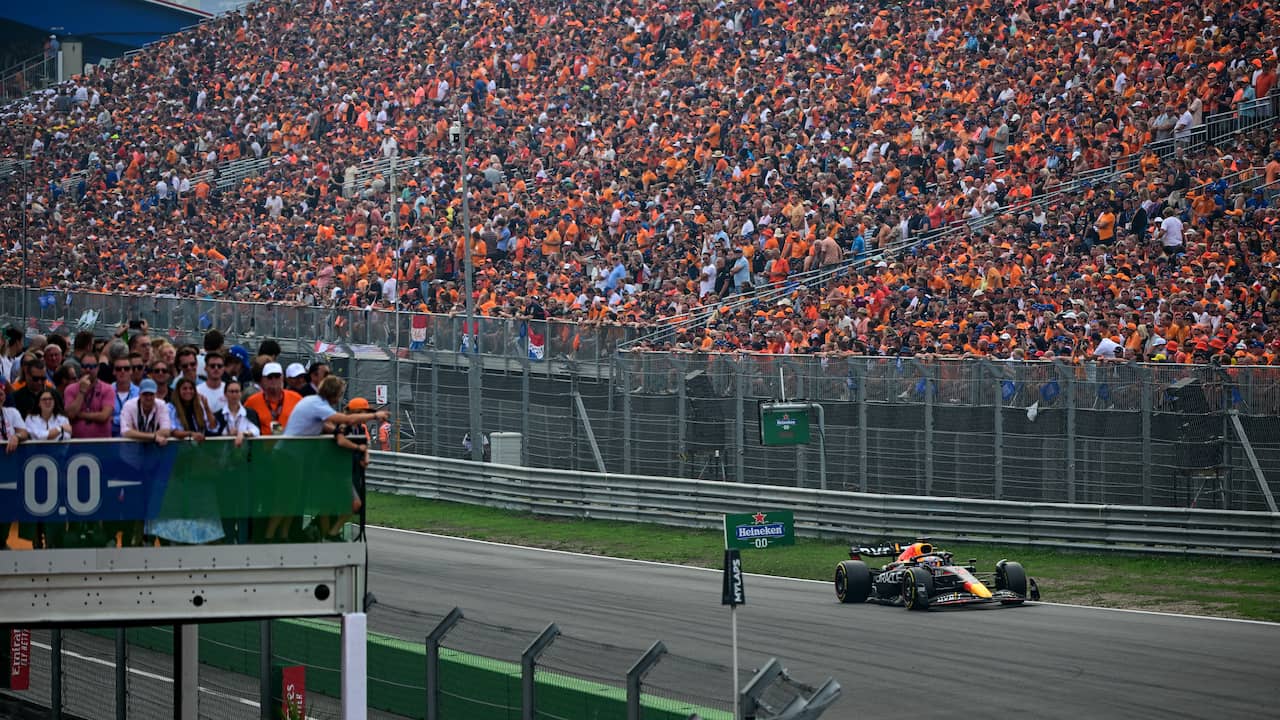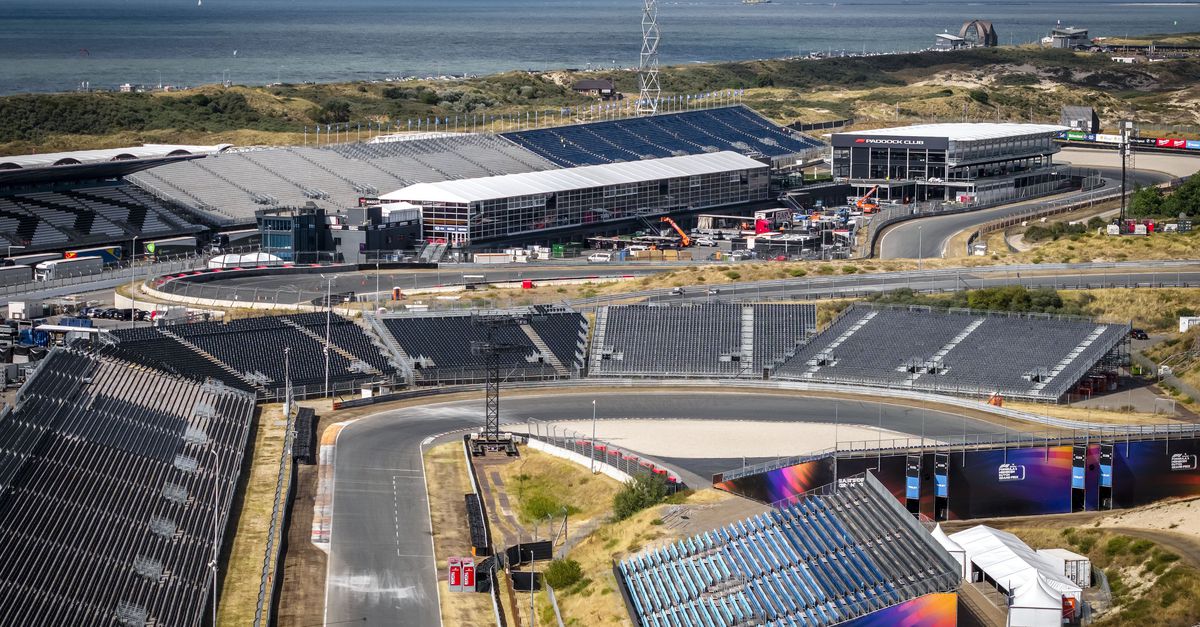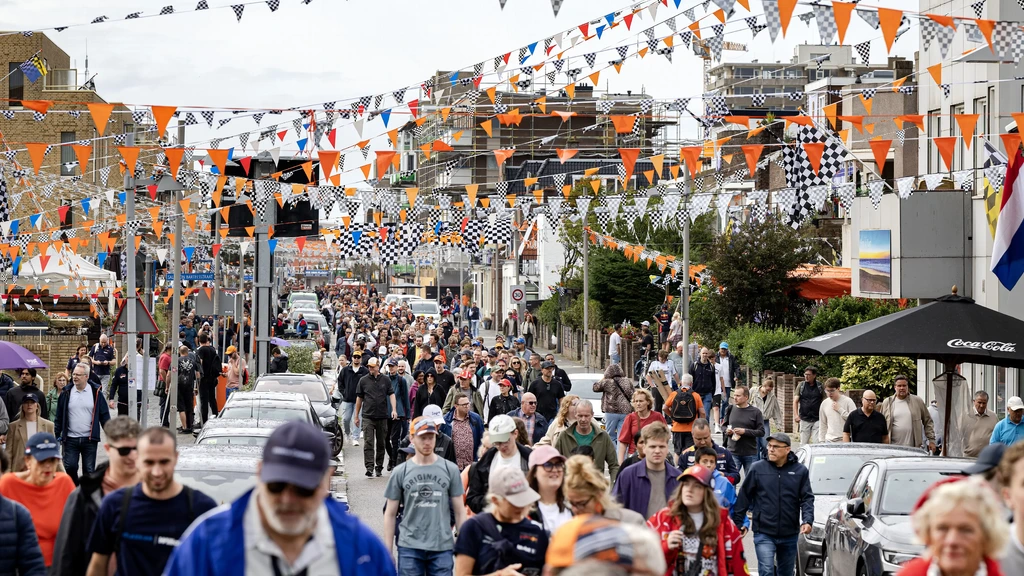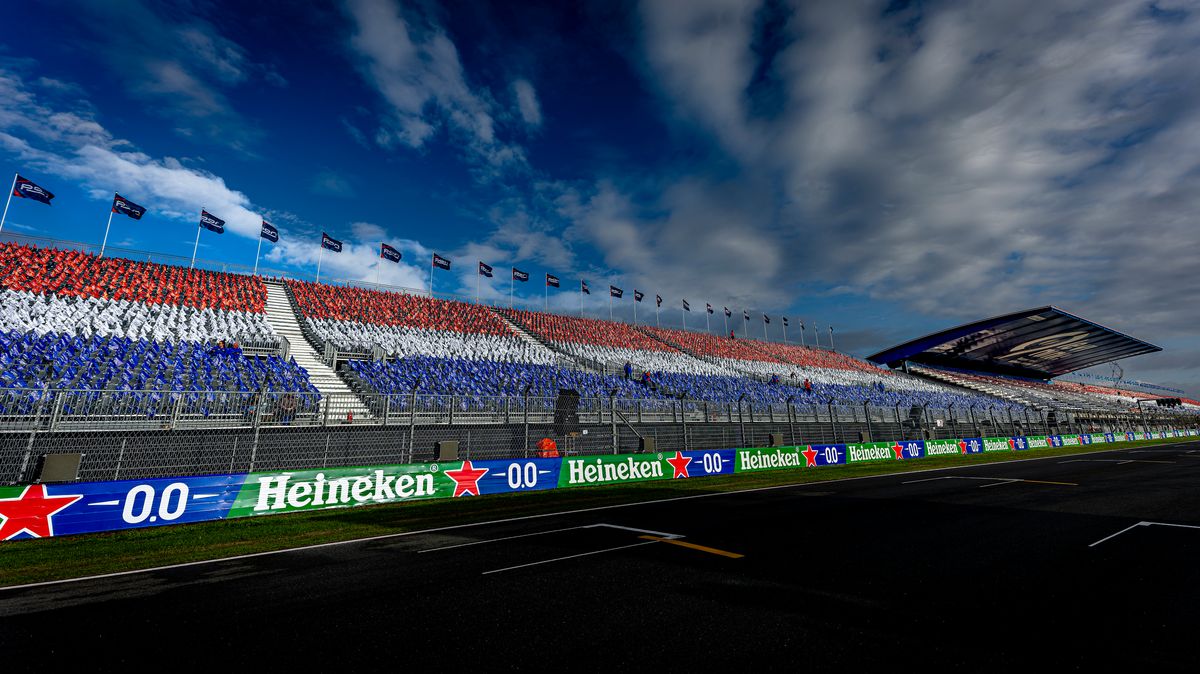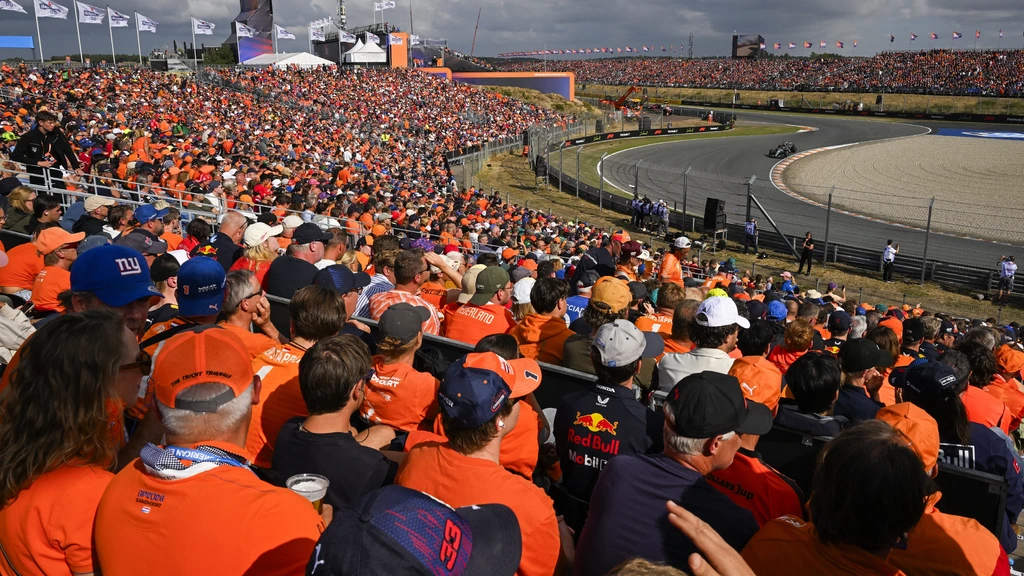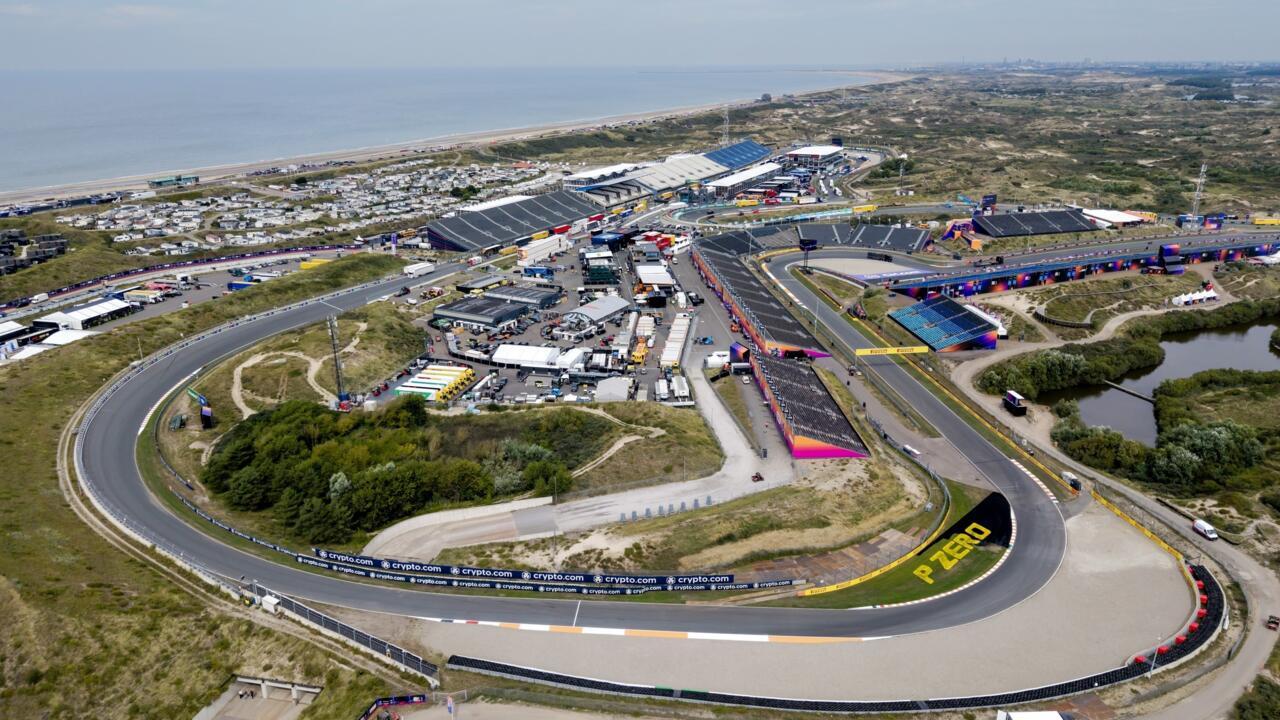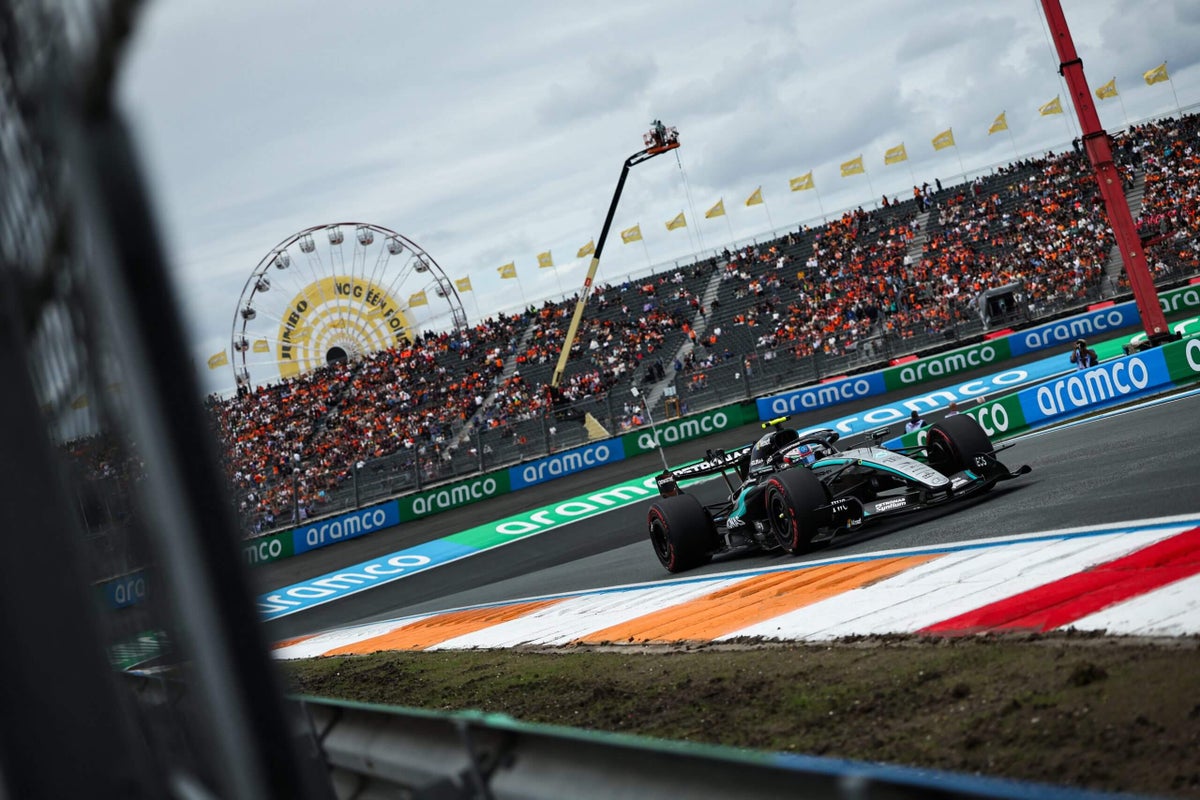
ZANDVOORT, Netherlands — Over the last five years, since rejoining the Formula 1 calendar in 2021, the Dutch Grand Prix and Circuit Zandvoort have been one of the sport’s success stories.Every year, the event has seen sold-out crowds flock to the seaside track by train, on bikes and in very few cars. It’s created a relaxed, party-like atmosphere, even when the wind and rain pick up. F1 CEO Stefano Domenicali has even credited the race with pioneering “sustainable solutions that have inspired our events around the world as we drive towards being Net Zero by 2030.”The return of the race coincided with the meteoric rise of hometown hero Max Verstappen, who won his first of four world championships in 2021 and has won the Dutch GP three times.But this year’s edition of the Dutch GP will be different. It’s the Final Lap, as the promoters have named it.In December 2024, F1 announced that the race would leave the schedule after 2026, alongside a one-year contract extension for the final event. F1 said the decision to leave was the promoter’s. In a statement at the time, Domenicali said that F1 respected the promoter’s choice to end its run in 2026.In the promoter’s telling, it’s not that the race failed. It’s purely a business decision.Robert van Overdijk, the director of the Dutch GP, said in an interview with The Athletic at Zandvoort that they are intentionally ending on a high note after weighing the risks and responsibilities of hosting a modern-day F1 race. It was an “emotional” decision, as van Overdijk put it. He likened it to professional athletes’ careers and when they decide to call it quits.“They have been the number one in the world, and they keep going on, and then they are decreasing to number 80 in the world, and then they quit,” he explained. “I think this has been such an iconic part of the world of Formula 1, the past five, six years, that we wanted — voluntarily wanted — to stop at our high, and that’s the decision we made.”Mercedes’ George Russell on track during Sprint Qualifying ahead of the 2026 Dutch Grand Prix. (Clive Mason / Getty Images)It costs millions of dollars to host a Grand Prix weekend. Zandvoort, for example, has a budget of around 70 million euros to put on the three-day show, which is made up mostly of temporary structures.Unlike most events on the F1 calendar, the Dutch Grand Prix is privately funded, promoted by a partnership of three companies (SportVibes, TIG Sports, and Circuit Zandvoort), and receives no direct government funding, though public funds have supported surrounding infrastructure. Silverstone is another example of this, as the British Racing Drivers’ Club owns and operates the historic track.“Everything we do here is for our own financial risk,” Van Overdijk said.Van Overdijk said the Dutch GP fell outside the criteria for Dutch government support, which he described as being reserved for events such as a European or world championship. The Dutch health ministry’s scheme for international top-sport events funds one-off competitions rather than recurring ones annually, and caps awards at €3 million.
Why popularity alone couldn’t save F1’s Dutch GP: ‘The risk is simply too high’
Privately funded and shut out of state support, Zandvoort's promoter says they needed three sell-outs a year to break even
1,207 words~5 min read