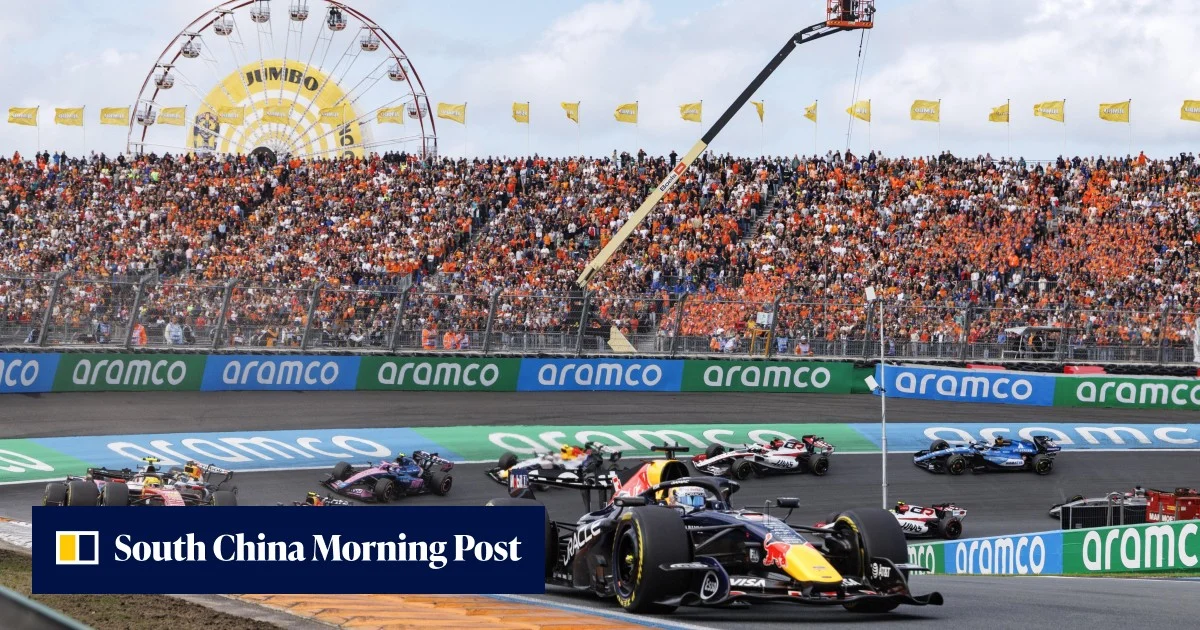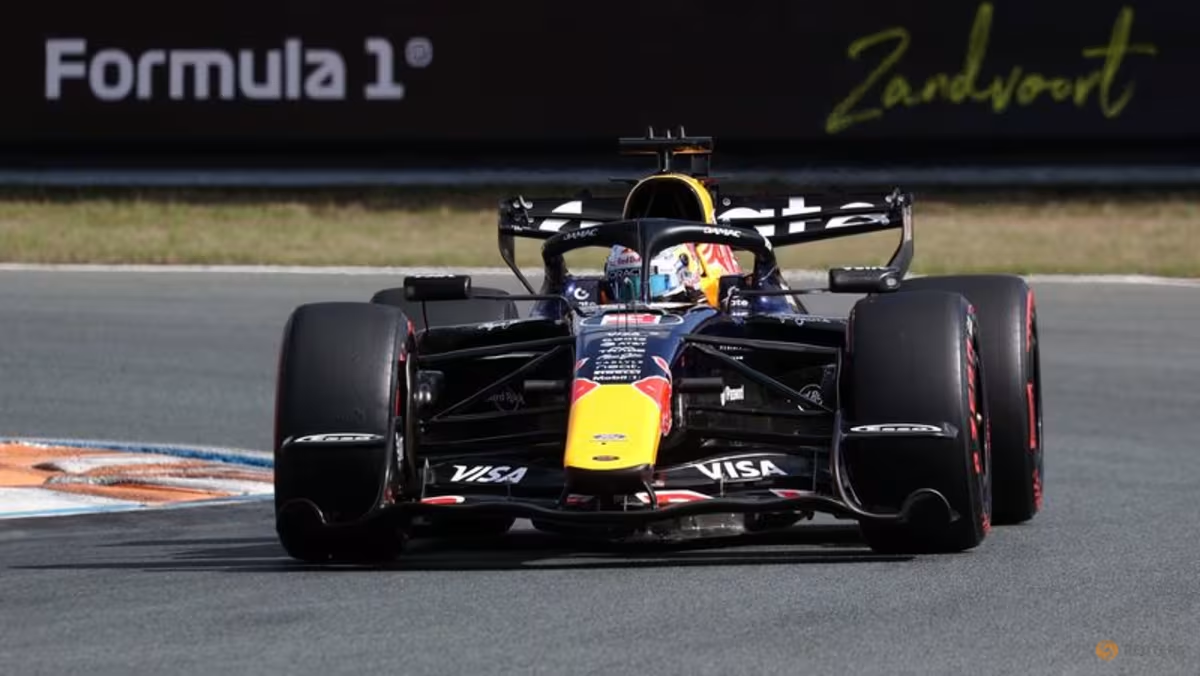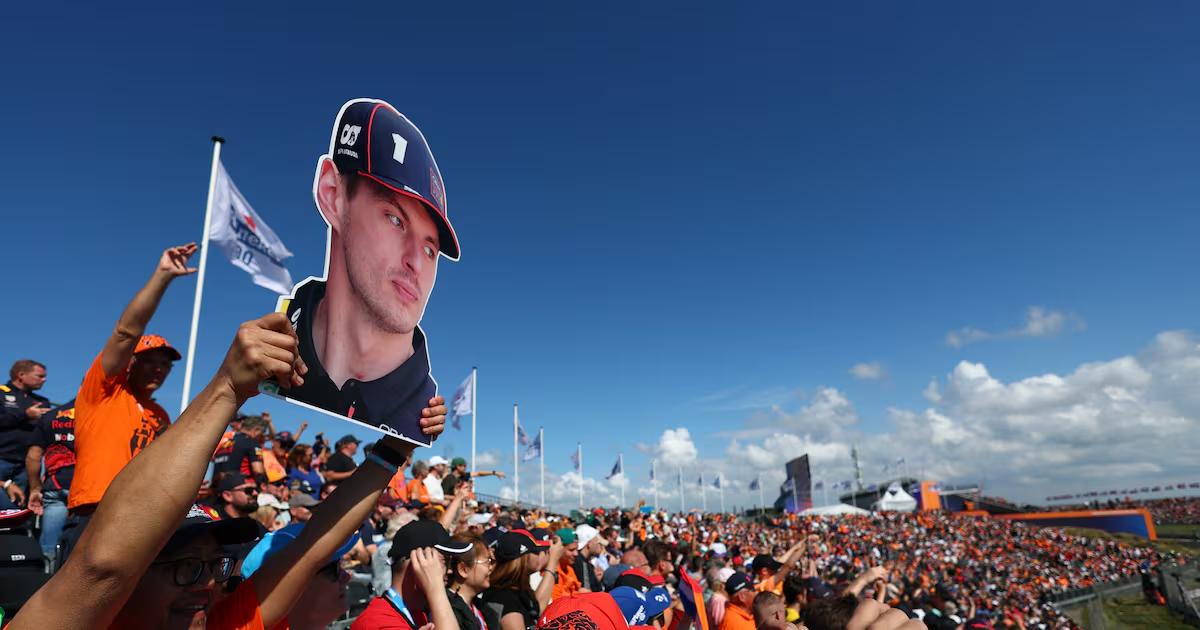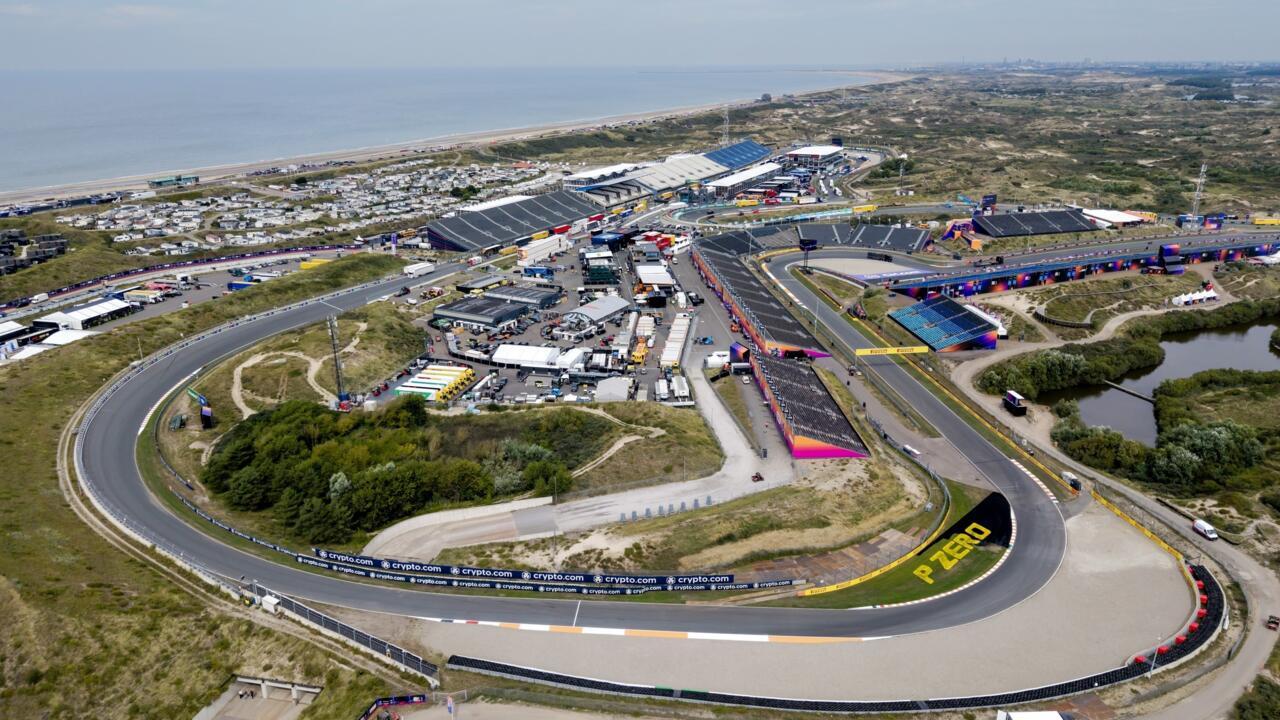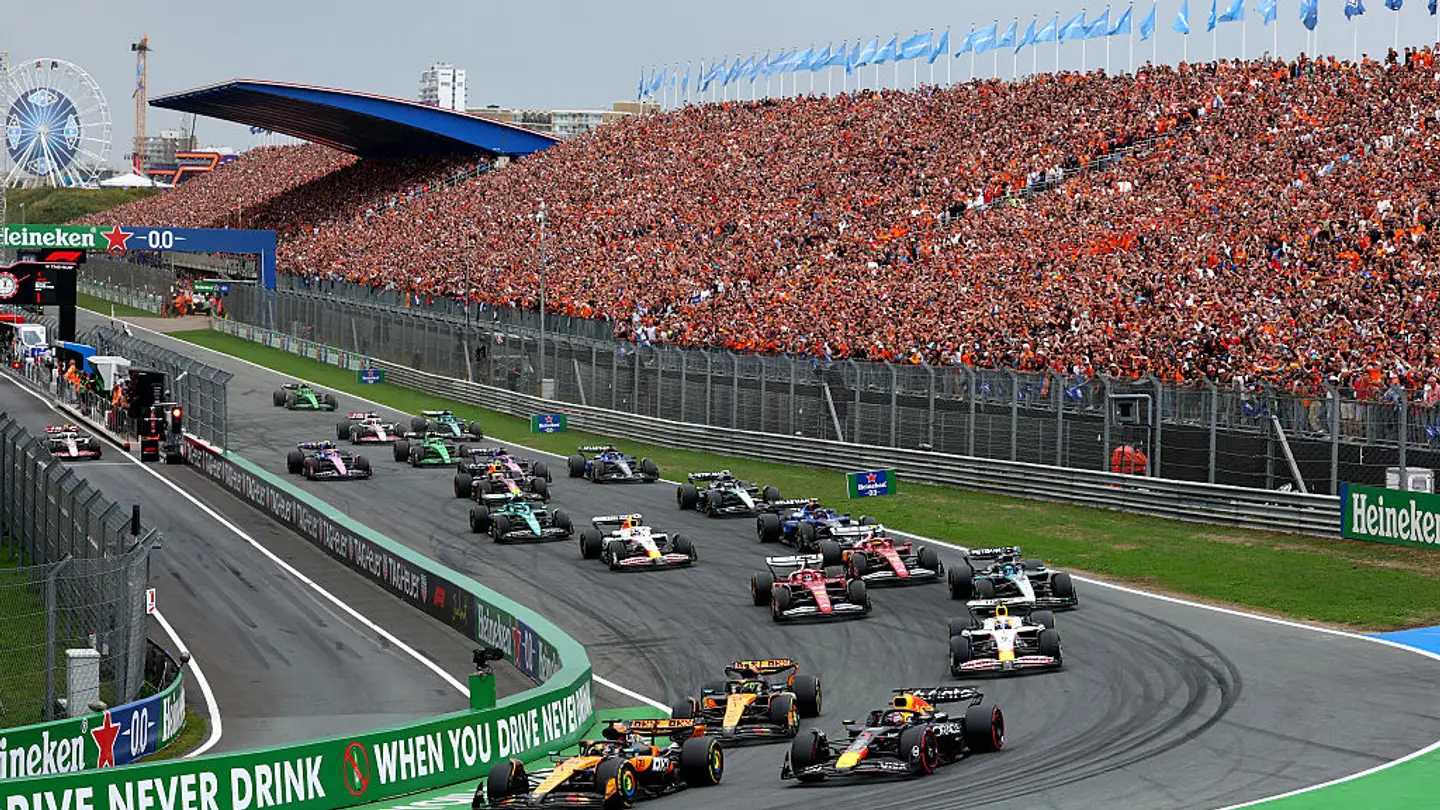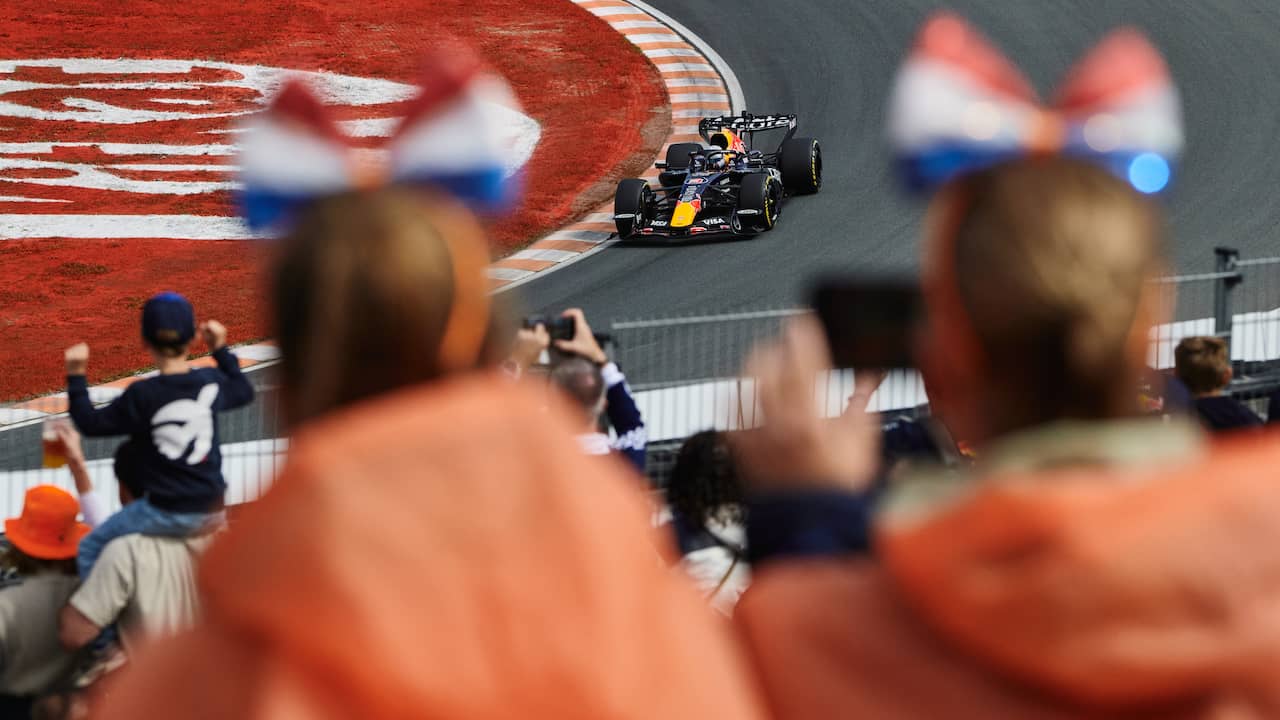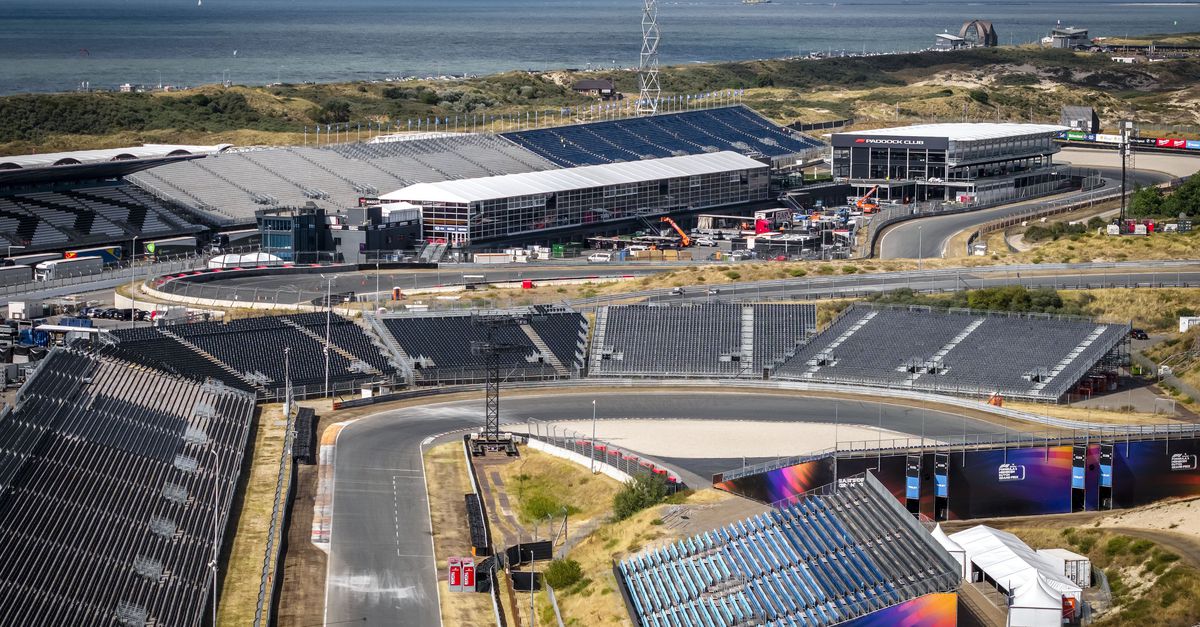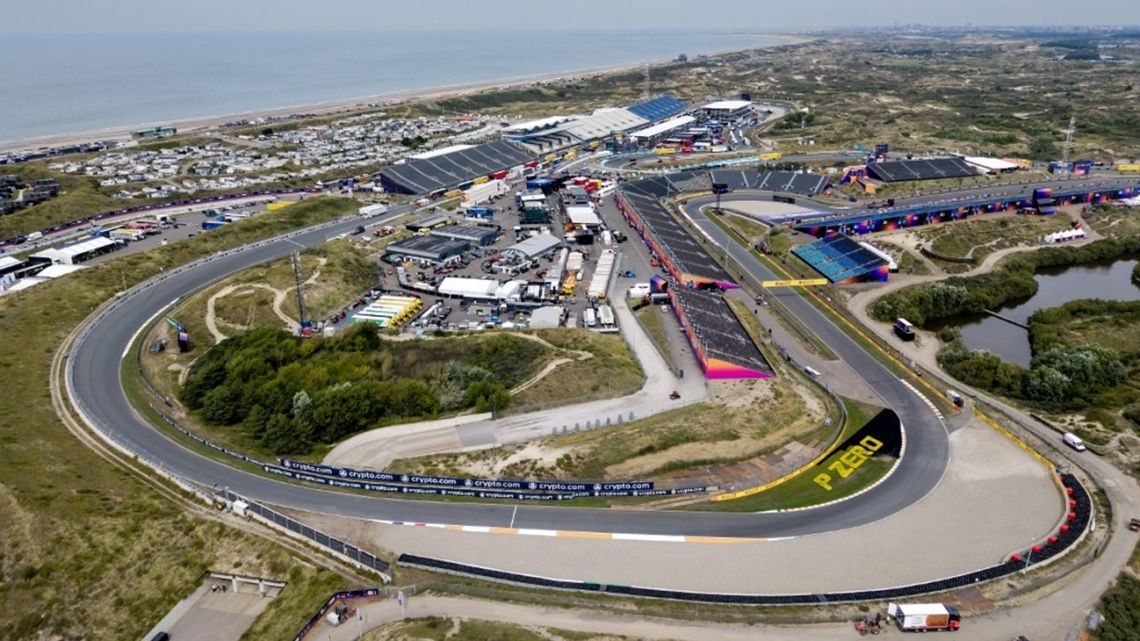
ZANDVOORT, Netherlands — It is no exaggeration to say that without Max Verstappen’s immense popularity, the Dutch Grand Prix would not have existed.Verstappen’s emergence as a generational talent after debuting at 17 and winning at 18 electrified Dutch interest in F1. The Oranje Army put its full weight behind the Netherlands’ newest great sports star, turning grandstands across the world bright orange in the process.It led to a revival for the Dutch Grand Prix, which had dropped off F1’s calendar in 1985 and, before Verstappen, showed little sign of returning. A compelling commercial argument for the race to return led to the redevelopment of Zandvoort, a track in a coastal town about 30 minutes outside of Amsterdam, and, from 2021, a return of F1 to the Netherlands.Verstappen’s impact is so great that it is only right that the main mode of transport to get to Zandvoort — the train from Amsterdam — was named in his honor. Every five minutes through the race weekend, the ‘Max Express’ leaves Amsterdam Centraal station and makes its way to Zandvoort aan Zee, each train carrying hundreds of fans, the majority of whom are in support of Verstappen.But today marks the final stop for the Max Express. It’s the last running of the Dutch Grand Prix at Zandvoort, a race that became the blueprint for a modern-day F1 race weekend.The decision to stop hosting F1 is chiefly a financial one, as the promoters, lacking backing from the Dutch government, recognize the economic realities of staging the race annually. At the end of 2024, F1 and Zandvoort agreed that 2026 would be the ‘final lap,’ as the race has been marketed. F1 had no shortage of interest to take the free slot, with both Portugal and Turkey joining the schedule from next year.Not every race can have its own Max Express. Yet it is that train ride that, to me, starts a ritual that really sums up why the Dutch GP is going to be so missed on the calendar. It’s been a way to connect with a group of fans who have made this a race unlike anything else on the calendar.After filing through Amsterdam Centraal station — which on Saturday was so rammed with fans getting in early for the sprint there were big delays — you are sent far down the platform to a waiting train. With one every five minutes, it’s an efficient way to shuttle fans in and out of the track.The train to the Dutch GP from Amsterdam is a race weekend tradition (Luke Smith / The Athletic)The Dutch GP became a shining example in F1 of how to run a race efficiently. None of the 300,000 or so fans making the trip to Zandvoort over the race weekend do so by car, either using the Max Express or, as is the norm in the Netherlands, riding a bicycle. Promoters and organizers at other grands prix often travel to Zandvoort to learn best practices and how to efficiently get fans in and out.As the train passes through stops at Sloterdijk, Halfweg and Haarlem, groups will spend the ride excitedly discussing the day ahead and their plans, be it from the races they want to see or the amount of beer they plan to drink.On Friday, I met Natasha and Neil, two friends who had won tickets to the race only two days prior. Neither had attended an F1 race before, but were excited to see some fast cars up close so long before the race disappeared from the calendar. Even without diehard knowledge of F1, this event has great appeal in the Netherlands.The Max Express is, of course, mainly filled with Verstappen fans chatting away in Dutch. But it has become noticeable year on year just how many different nationalities and colors of merchandise — everything from McLaren’s papaya to Ferrari’s red and even Aston Martin’s green — were present. Plenty of international fans have made this a race they want to attend.Zandvoort will always go down as one of the big early wins for F1 under Liberty Media’s ownership. When the American investment group took ownership of the sport in 2017, it always wanted to take the sport to what it called “destination cities.” Miami from 2022 and Las Vegas from 2023 were the impactful, shiny ones. But through its easy access to Amsterdam, Zandvoort was the first event to tick that box for Liberty.That access runs out at Zandvoort aan Zee, where the walk to the beach cuts through a town normally home to a mere 17,000 people. There is a central street through the town decked out in orange and checkered-flag bunting, while the housing on either side is covered in Verstappen flags.The locals usually go all-out on race weekends for visitors (Luke Smith/The Athletic)Those with patios use them to entertain passing fans, setting up speaker systems and even a karaoke machine. The more enterprising residents sell cans of soda and beer to those too thirsty for the 20-minute walk to the track. When the rain suddenly hits, as happens regularly at the seaside, children run around the street offering ponchos for a couple of euros each to those who did not plan for the weather.It all means by the time the fans get to the track itself, just a couple of minutes from the coastline, the vibes for the day are already set.What greets them past the main gates is a fan zone, big and buzzing, offering a soundtrack of thudding EDM in between every on-track session, with big-name DJ Martin Garrix — who is also a huge F1 fan — being a regular performer. Zandvoort also was one of the first F1 events to really tap into the idea of making each race its own festival. Plenty of grands prix did live music and concerts as part of their offerings, yet Zandvoort made it central to the whole race weekend.Fans of Max Verstappen watch from a grandstand during qualifying (Jordan McKean/Getty Images)The theatrics weren’t reserved purely for the fans. Zandvoort sought to bring the same kind of vibe to the pre-race grid ceremony, blaring music over the grandstands to amp up the fans as the drivers and teams conducted their final preparations, interrupted only by the national anthem. It may not be to some purists’ taste, but it has again become standard at other races across the calendar.Yet the organizers at Zandvoort also ensured the race felt like a true celebration of Dutch culture. It was felt no more powerfully than ahead of the 2023 race, when Andre Rieu, the world-famous violinist and conductor, led a rousing rendition of the national anthem with his orchestra, as fans in the grandstands waved flags to form a giant version of the Dutch flag. Fittingly, Verstappen went on to win that race for a third year in a row.I’ve come to love that whole journey from Amsterdam through the track gates as a tradition of this race, as frustrating as the crowded waits for the trains can be. But the warmth of the Dutch fans hasn’t stopped there. Inside the track, there’s always a passionate and good-natured feeling. Everyone is there for a good time.Fans take in the action from the dunes (Guido De Bortoli/Getty Images)It breeds an unwaveringly positive feeling, something I felt on Friday night when I was finishing my track run. Two separate groups of fans clapped and cheered for me as I neared the finish line, yelling “you did it!” as I turned back toward the paddock. I can’t lie, it made me feel like a hero.I then got another surprise upon leaving when I found the umbrella that I’d abandoned in the morning after a security guard had told me I couldn’t take it into the circuit. Ten hours later, it was still propped up against the fence, right where I’d left it.Inside the track, the fans are happy to wait for hours to catch a glimpse of their heroes, hanging around at the paddock exit with their flags and banners. We see that kind of passion all across the calendar, yet Zandvoort has given F1 fandom its own unique flavor.The Dutch GP has been a huge success for F1. And while I’ll miss it, I totally get why the promoters have decided now is the time to call it a day. I keep reminding myself that Amsterdam really isn’t that far from the UK, and I can still visit when I want without having to work. (This is me learning the concept of a holiday!)But for F1, this is it. A final hurrah for the Dutch GP and a last trip on the Max Express. Its passengers will venture back to Amsterdam tonight, some combination of sunburnt, rained upon, exhausted from their large step count, and maybe a bit tipsy.Yet there is no doubt all will be satisfied with a final day at what has been one of F1’s most important events. It will be missed.
Goodbye to the Dutch Grand Prix, the happiest Formula 1 race of the year
Zandvoort wrote the blueprint for the modern F1 weekend. I took one last ride on the Max Express to see it off.
1,495 words~7 min read