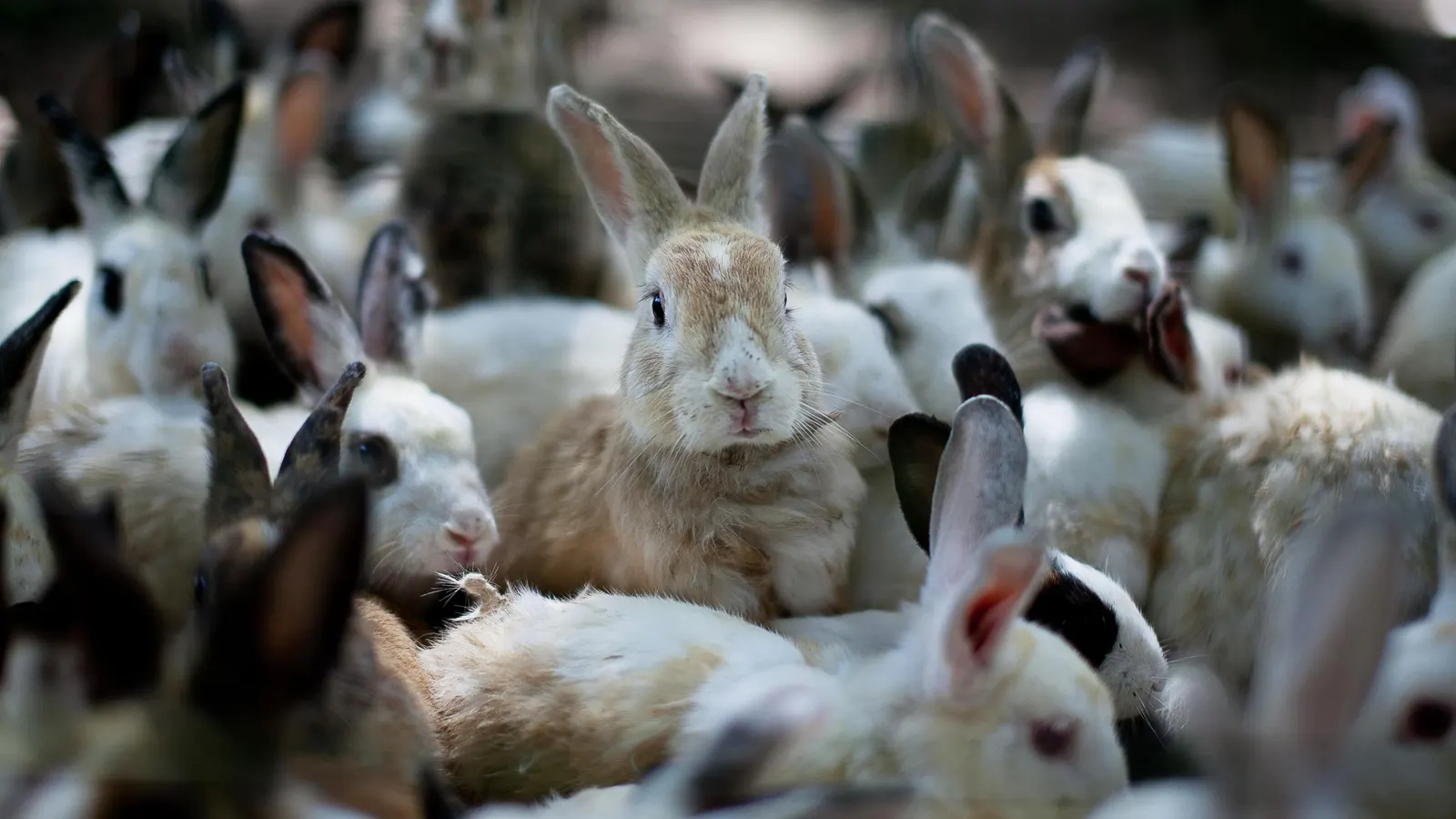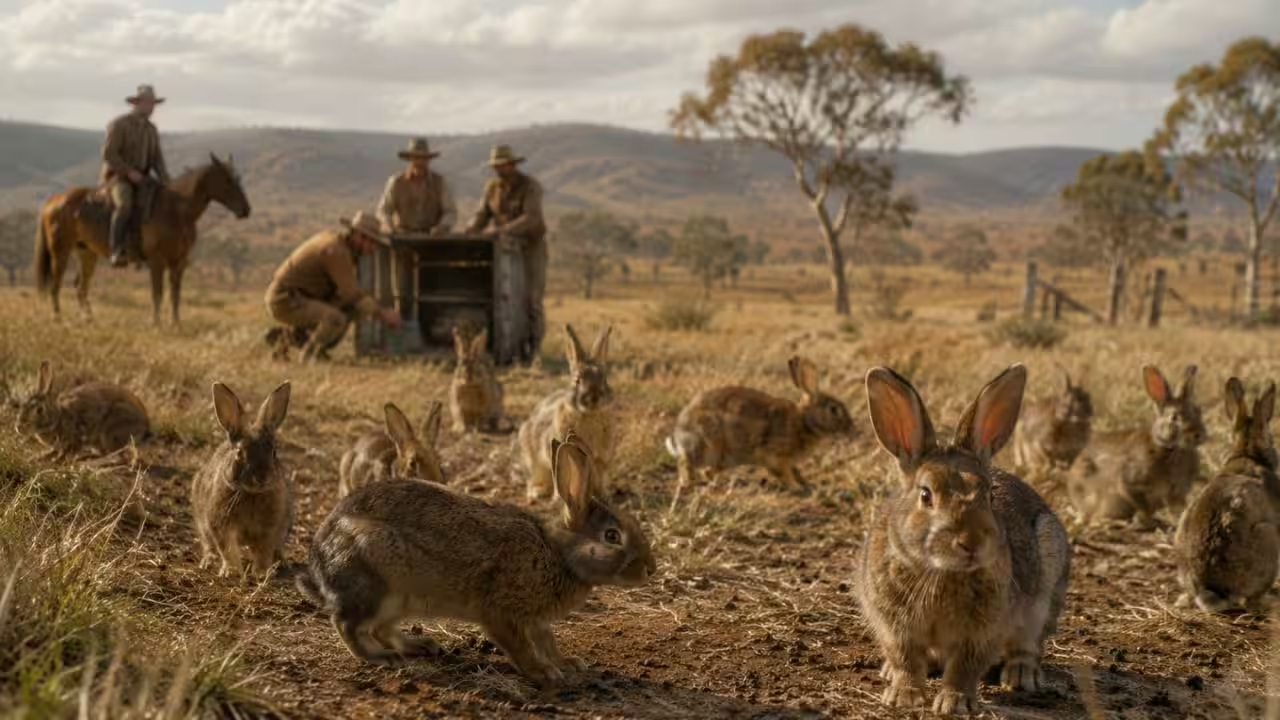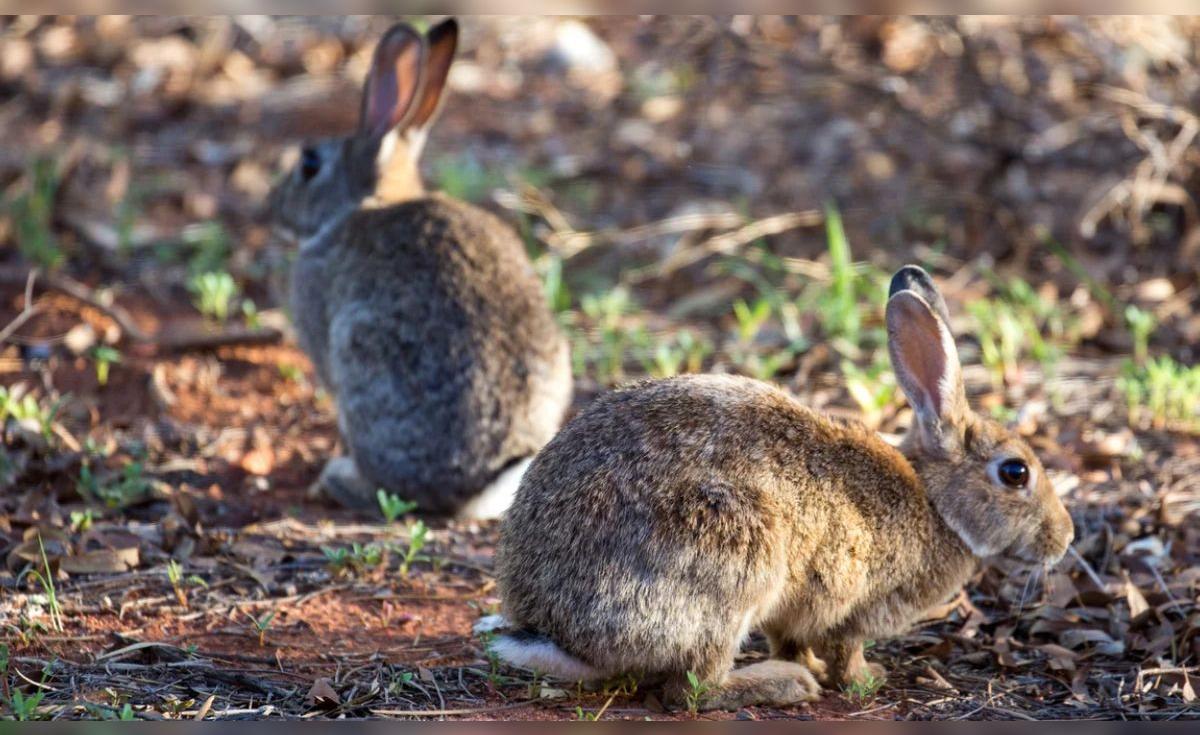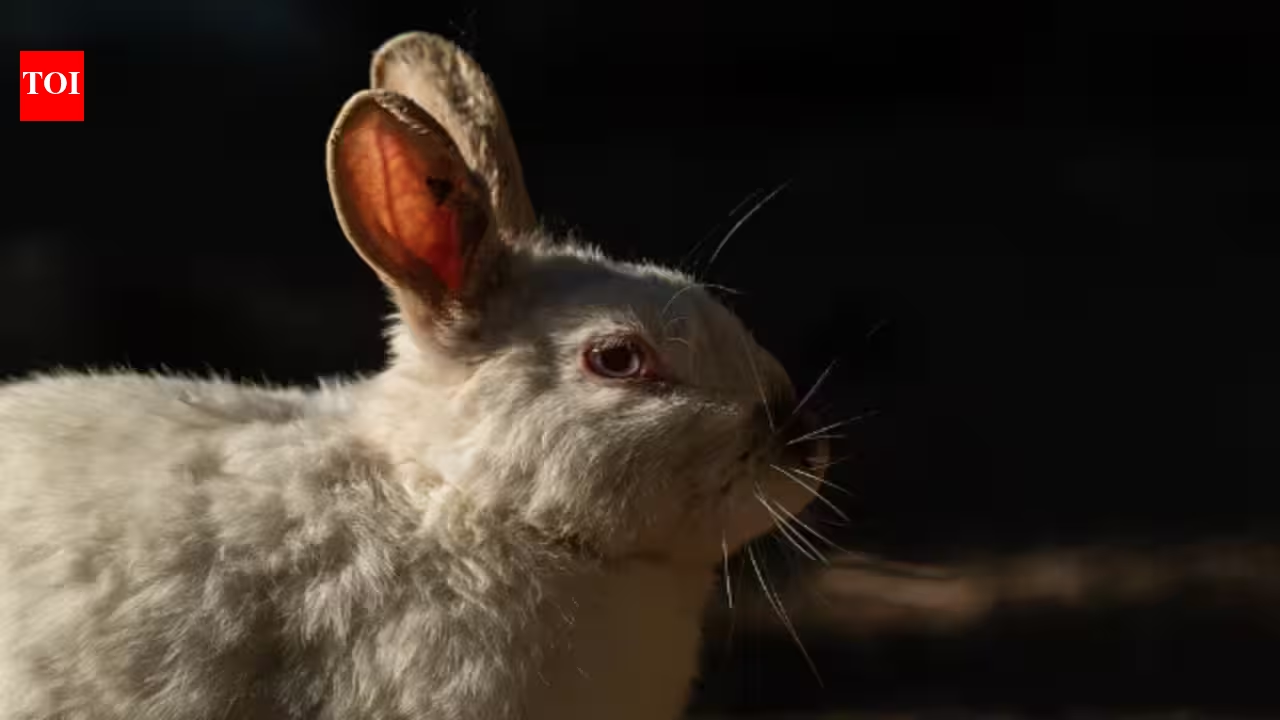
A close-up portrait of a rabbit. Image credits: Wikimedia CommonsOn Christmas Day in 1859, a shipment of 24 European rabbits arrived in Melbourne, sent from England to Thomas Austin, a settler on his Barwon Park estate near Geelong, Victoria. Austin, a passionate hunter who missed the sporting traditions of his homeland, had asked relatives back home to send him the animals so that he and his guests could shoot them for sport. Of the 24 that arrived, historical accounts indicate he released 13 on his property that day. A sentiment often attributed to him at the time, that the introduction of a few rabbits could do little harm, is widely repeated in popular retellings of the event, though it does not appear as a verified, verbatim quote in the primary historical or scientific record. Whatever his exact words, the assumption behind them would prove to be one of the costliest miscalculations in environmental history, one whose consequences are still being counted more than 165 years later.From two dozen to a continental plagueSome five domestic rabbits made the journey with the First Fleet in 1788, along with about ninety more introductions during the next seventy years. All of these introductions failed to go feral. Within three years, his rabbits had multiplied into the thousands, and by 1866, hunters had killed roughly 14,000 on his estate alone, as documented by the National Museum of Australia.The rabbit population grew out of control for two reasons. First, the milder climate of Australia permitted the rabbits to reproduce round the year, unlike in England, where winters would usually keep the animals from reproducing due to the cold season. Second, there were plenty of pasturelands on the continent that provided enough food for the animal, with no predators capable of regulating the size of the population. In this way, the rabbits spread in southeastern Australia throughout the 1880s.Why Austin's rabbits, specifically, took over For many decades now, historians have been trying to answer a very curious question: Why was this particular shipment of rabbits so successful when around 90 previous attempts had not created an invasive rabbit population? A genetic study by scientists from Oxford and Cambridge helped clarify the debate. Analyzing DNA samples from 187 rabbits, taken from various parts of the world, including Australia, Britain, France, Tasmania, and New Zealand, scientists found that most of the invasive rabbit population originated from the 1859 shipment.The research, titled A single introduction of wild rabbits triggered the biological invasion of Australia, appeared in PNAS in August 2022. However, the conclusions suggested that it was genetics and not the circumstances that defined the outcome. Previously, introduced rabbits were mostly domesticated ones, raised in captivity for many generations and devoid of the skills to defend themselves against potential dangers. The rabbits spread at about 100 kilometres per year, a very rapid rate for an introduced mammal. This has been officially stated in the scientific overview of the project made by the University of Cambridge.According to lead author Joel Alves, environmental changes made Australia vulnerable, but the rabbits' genetic makeup drove the invasion. The study also found a similar pattern in rabbits introduced to places such as New Zealand and Tasmania. In each case, the population became invasive only after genetically fitter wild descendants emerged, often years after the first introduction.Disaster with continuing millionsBy the early 20th century, rabbits had become an ecological and economic disaster. They ate crops, denuded native vegetation, caused soil erosion, and competed with native animals such as bilbies and bandicoots for food and burrows. Today there are between 150 and 200 million feral rabbits on the continent, causing about $200 million in damage annually.Governments have repeatedly tried to manage the impact, but most efforts were only temporarily successful. Western Australia erected rabbit-proof fences from 1901 to 1907, totaling some 3,256 kilometers or 2,023 miles in length, in an attempt to stop their westward spread. However, the rabbits had already made their way into Western Australia as early as 1894, meaning that by the time the network of fences was created, the rabbits had already crossed them. The deliberate release of myxomatosis virus in 1950 brought about a dramatic reduction of the rabbit population, with mortality rate estimated at 95 percent or more. Nevertheless, over the years, the survivors evolved genetically and managed to increase their numbers. Rabbit haemorrhagic disease virus, accidentally released in 1995 and authorized in 1996, led to a significant decline in numbers, sometimes up to 70 to 90 percent locally, but the number did not return to previous plague levels. While Austin's gesture may have seemed harmless, scientists say it shows how one person's actions can alter an entire continent's ecology.
In 1859, Thomas Austin received 24 rabbits in Australia for hunting; their descendants exploded into roughly 200 million and still ravage crops and ecosystems
On Christmas Day in 1859, a shipment of 24 European rabbits arrived in Melbourne, sent from England to Thomas Austin, a settler on his Barwon Park estate near Geelong, Victoria. Austin, a passionate hunter who missed the sporting traditions of his homeland, had asked relatives back home to send him the animals so that he and his guests could shoot them for sport.
779 words~4 min read