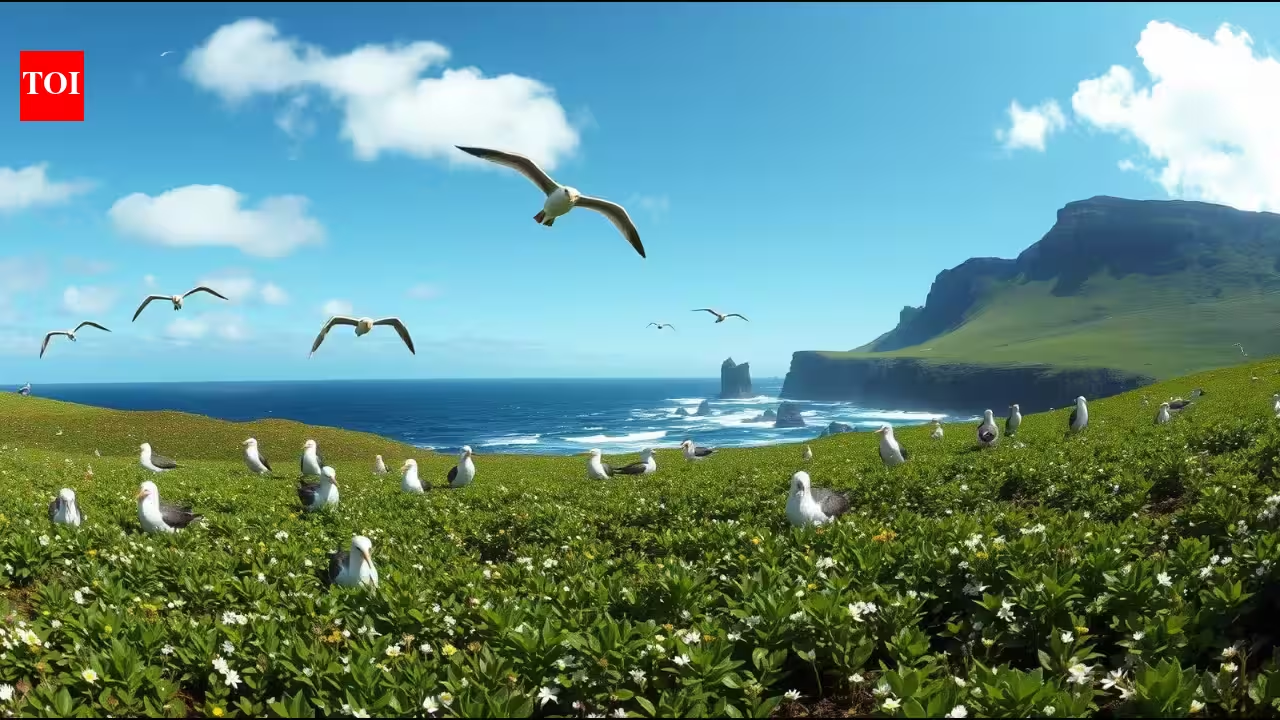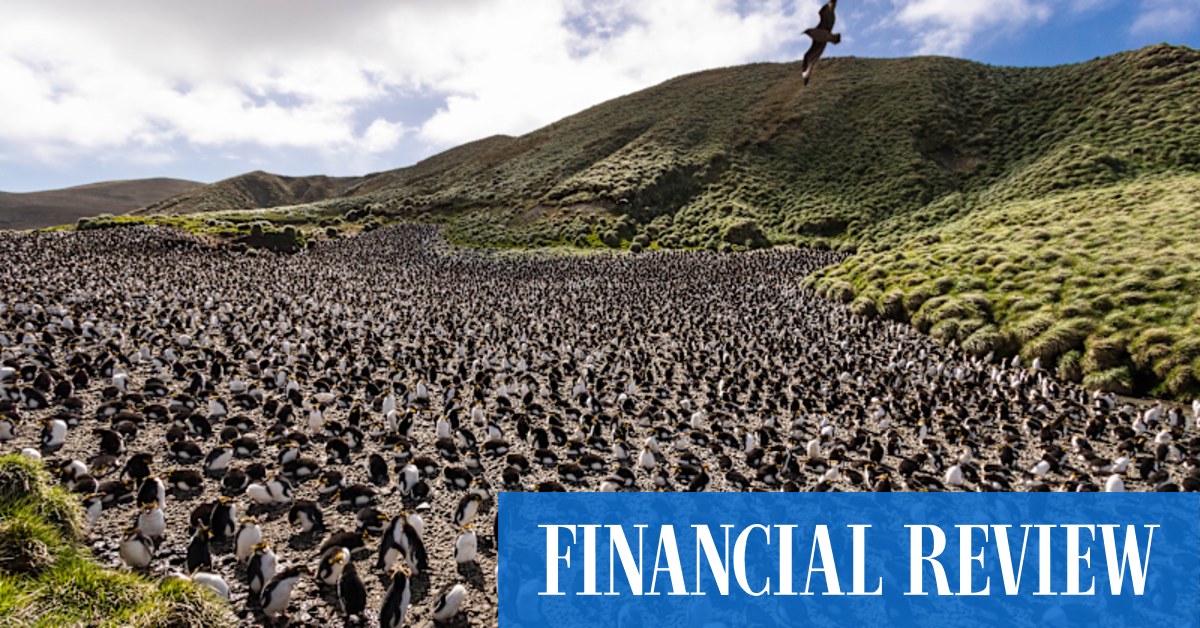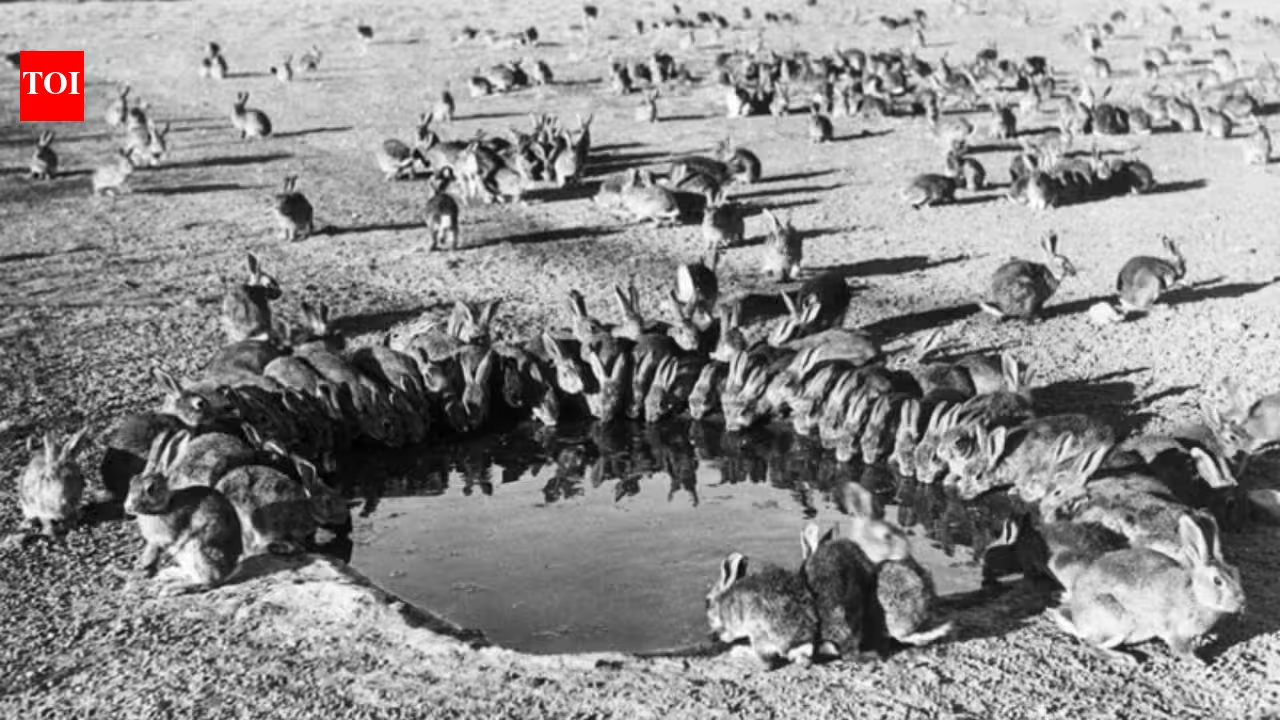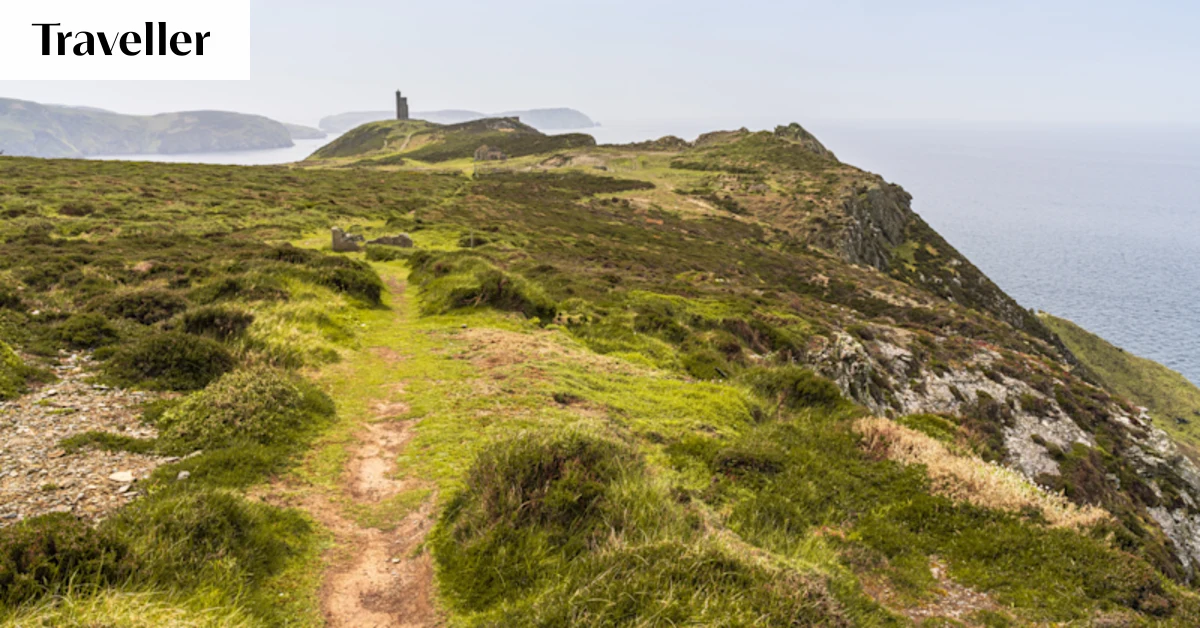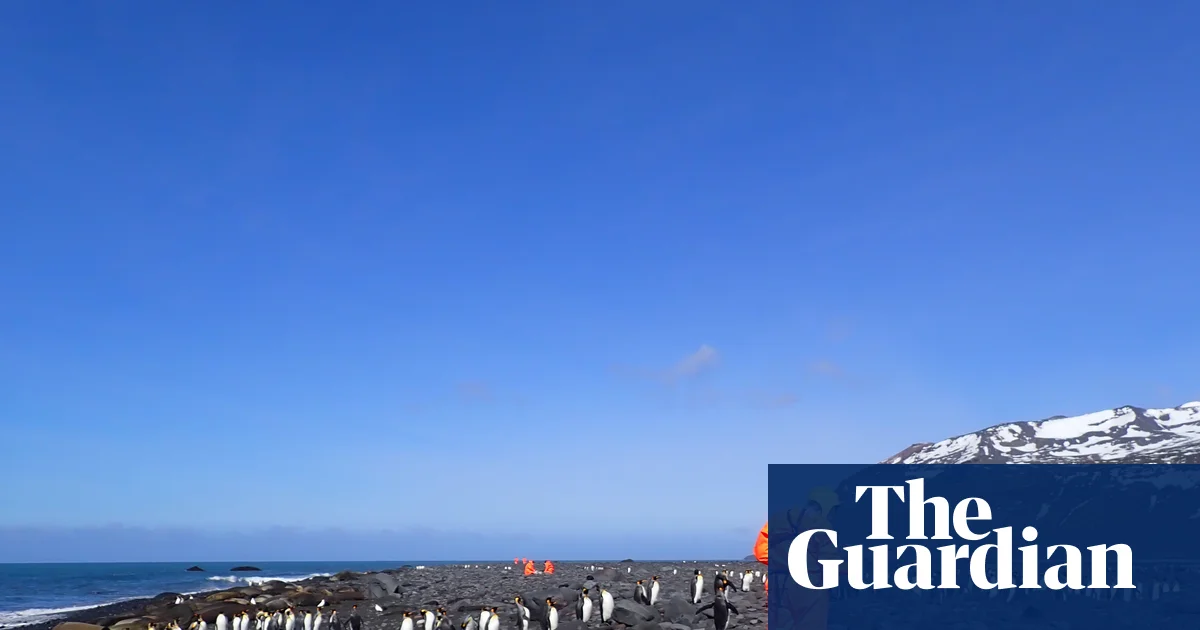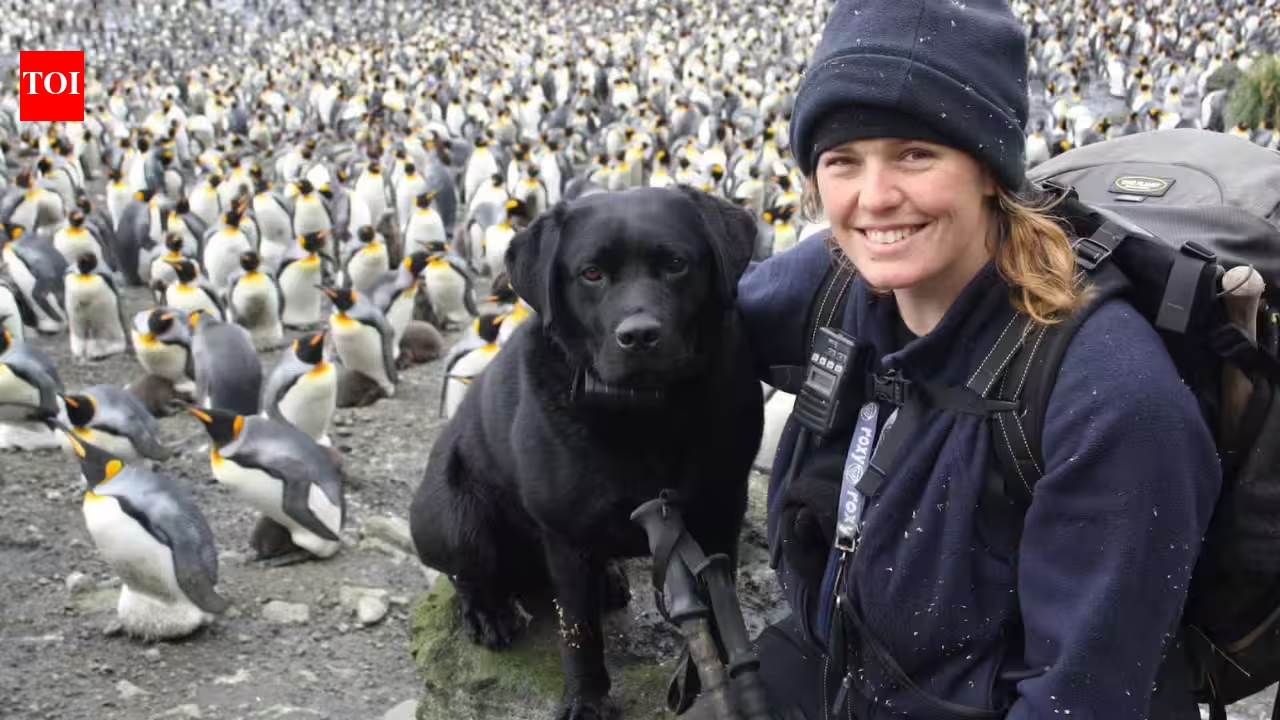
Melissa Houghton and her Labrador Wags on Macquarie Island, once home to a colony of thousands of penguins threatened by the island's rabbit invasion. Image Credits: Australian Academy of Science/YouTubeSomewhere between Australia and Antarctica sits a lonely strip of land called Macquarie Island. There are no permanent inhabitants or trees, and the island is known for harsh weather, but for decades it was home to hundreds of thousands of rabbits. A 2014 study in Ecological Management & Restoration traces the island's rabbit population through a 38-year record and shows three clear phases: a spike of more than 350,000 in the late 1970s, a collapse to under 30,000 in the 1980s and early 1990s, and then a renewed rise in the 2000s. The authors argue that those swings reflected the island’s changing management regime, especially the introduction of myxomatosis and later control measures. This story begins with that rise and fall and ends with one woman, one dog, and a determined hunt for the last rabbit alive.A tiny island, a very big rabbit problemRabbits were not meant to be there on Macquarie Island. They were brought there by sealers in the 1870s as a food resource for themselves. Without any predators, rabbits began to multiply in large numbers, eating the tussock grasses and "megaherb" plants covering the entire hillsides of the island. The rabbits damaged the landscape, and the bare hillsides later triggered a landslide that destroyed many seabirds’ nests and affected penguin colonies. A virus, myxomatosis, reduced numbers temporarily after its introduction in the late 1960s, but rabbits rebounded, and their population spiked to more than 350,000 by the late 1970s. Numbers then collapsed to under 30,000 through the 1980s and early 1990s, before creeping back up again through the 1990s and early 2000s, and the island's fragile plant life kept paying the price.One rescue mission created a bigger messTo protect the birds, wildlife officers got rid of the feral cats from the island by 2000. At first, it seemed like a good idea, but it was not. Cats had kept rabbit numbers down and hunted them. With the cats gone, rabbit numbers rose. The study conducted by the research team headed by biologist Dana Bergstrom in the Journal of Applied Ecology titled ‘Indirect effects of invasive species removal devastate World Heritage Island,’ found that removing the cats triggered a trophic cascade that allowed rabbit numbers to rise and further damaged the island's vegetation in a very short time span. This is the classic case of how conservation efforts can turn out to be counterproductive if all components of the ecosystem are not taken into account. By the mid-2000s, Macquarie Island's rabbit population was once again over 100,000. Something bigger than baiting alone was needed.A view of Macquarie Island, whose tussock grasses and fragile plant life were devastated by decades of rabbit grazing. Image Credits: Wikimedia CommonsA woman, a labrador, and a very long huntIn 2007, the Tasmanian and Australian governments approved a multi-year plan to eradicate rabbits, rats and mice from Macquarie Island at a cost of about AU$24.6 million. The plan was to combine aerial poison baiting with a rabbit-specific virus, then send in teams of hunters and specially trained detection dogs to find whatever survived. Melissa Houghton was one of these handlers. She took her black Labrador, Wags, to this island. They both had to walk for hours through cold, wet, windswept terrain, day after day, looking for the faintest sign that a rabbit had survived the baiting. Dogs like Wags were trained to detect droppings, burrows, and grazing marks that a human eye would easily miss.The last rabbit standingIt took until November 2011 to whittle the number of survivors to almost zero. That month, Wags located an adult female rabbit as well as her offspring, marking the last recorded sighting of any rabbit on the island. After that, there were no further rabbit sightings on Macquarie Island. Confirming eradication takes patience. Teams continued for another two years to ensure that no rabbits, rats or mice had been overlooked. Only then could Macquarie Island be deemed clear of all three species in 2014.What happened after the rabbits leftThe results were hard to miss. According to the Australian Antarctic Program, which coordinated the eradication program, the vegetation of the island has recovered impressively since then, with tussock grass and megaherb vegetation making a comeback in areas that were previously barren. Birds that had long struggled to find a safe nesting ground now have much more stable footing. It still ranks among the biggest island pest eradication campaigns to date. For Melissa Houghton and Wags, it also meant something simpler: after years of searching through some of the toughest conditions in the world, their work helped give an entire island back its wildlife.
In 2011, an Australian dog handler searched a subantarctic island after rabbits overran it; her Labrador found the last ones alive
Somewhere between Australia and Antarctica sits a lonely strip of land called Macquarie Island. There are no permanent inhabitants or trees, and the island is known for harsh weather, but for decades it was home to hundreds of thousands of rabbits.
794 words~4 min read