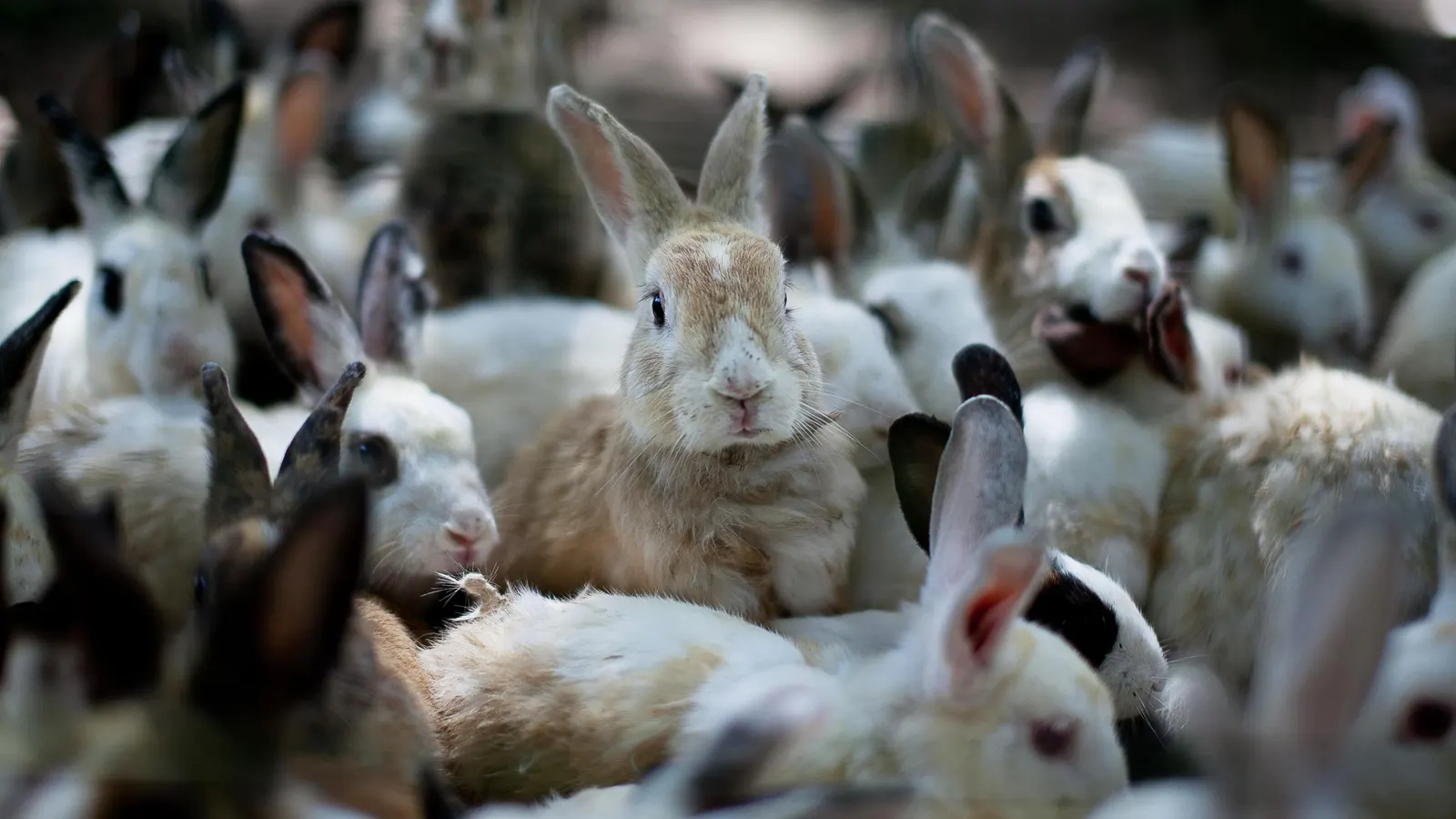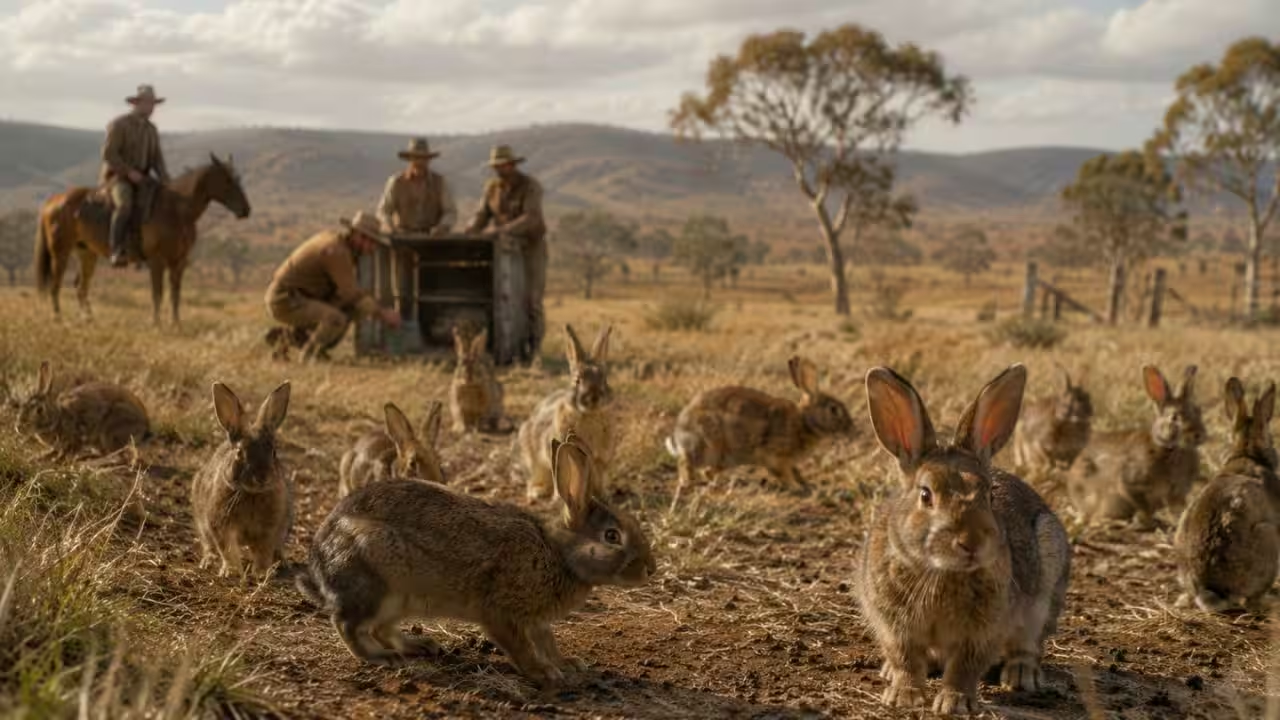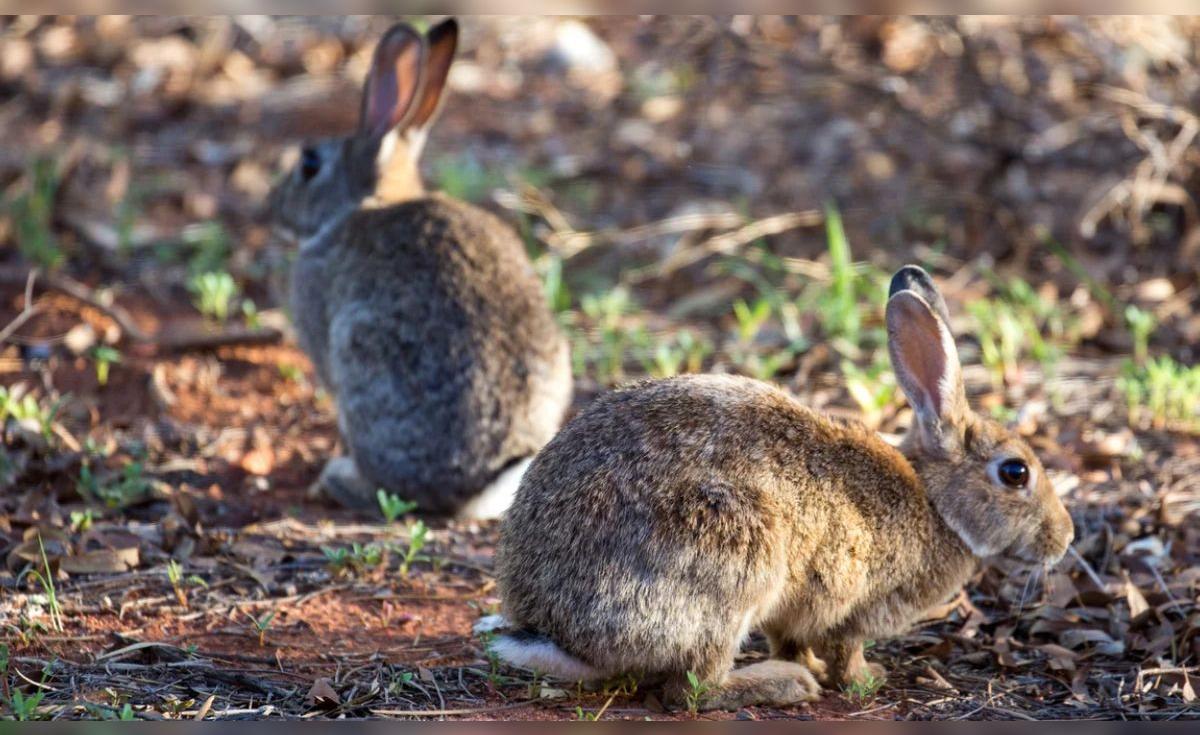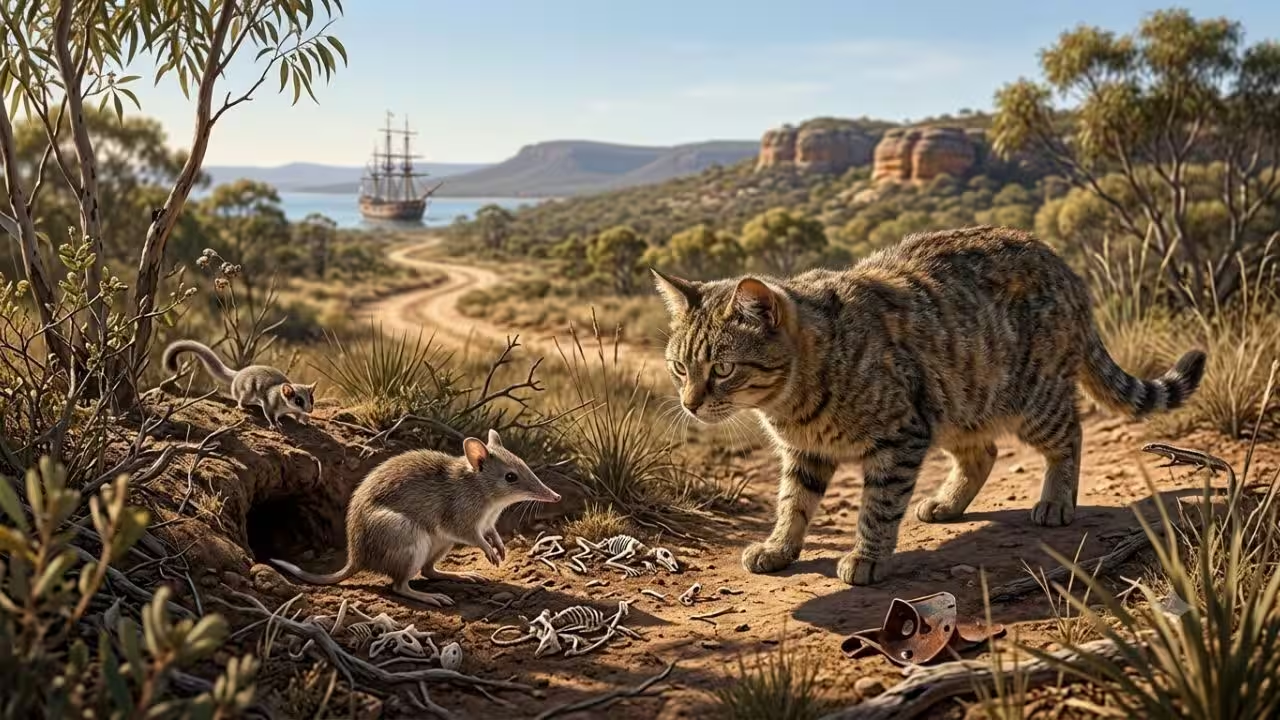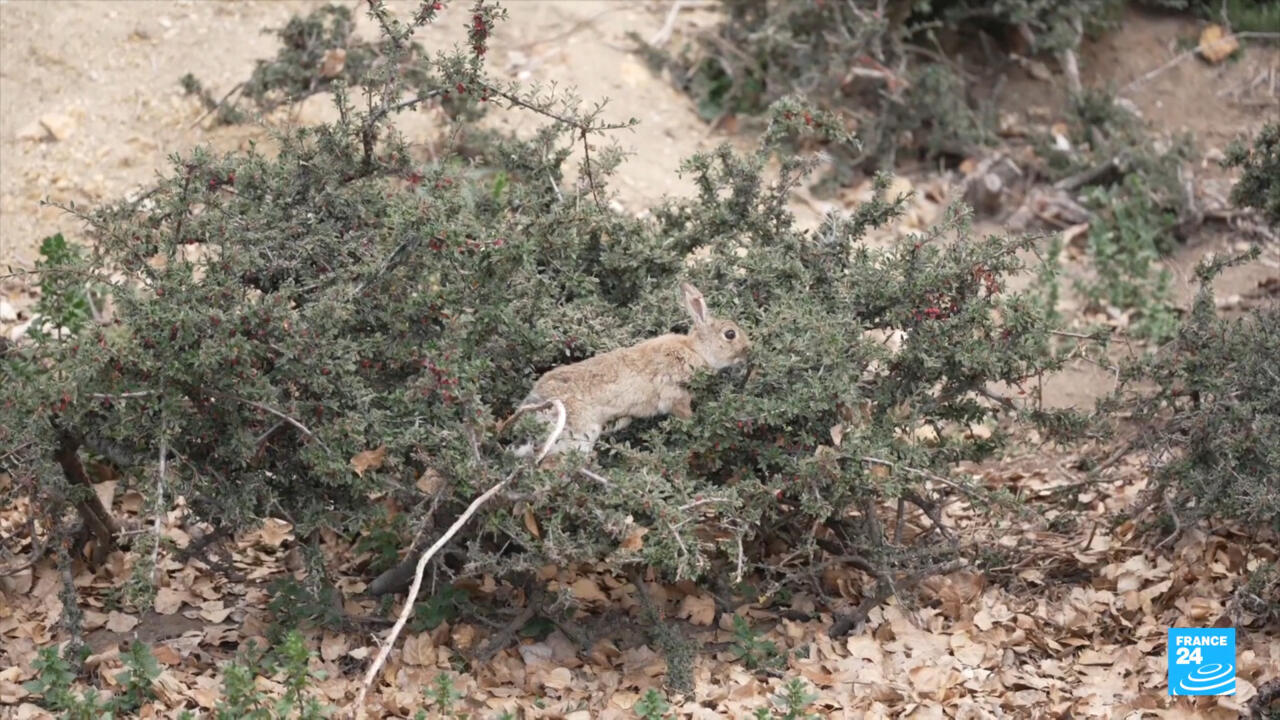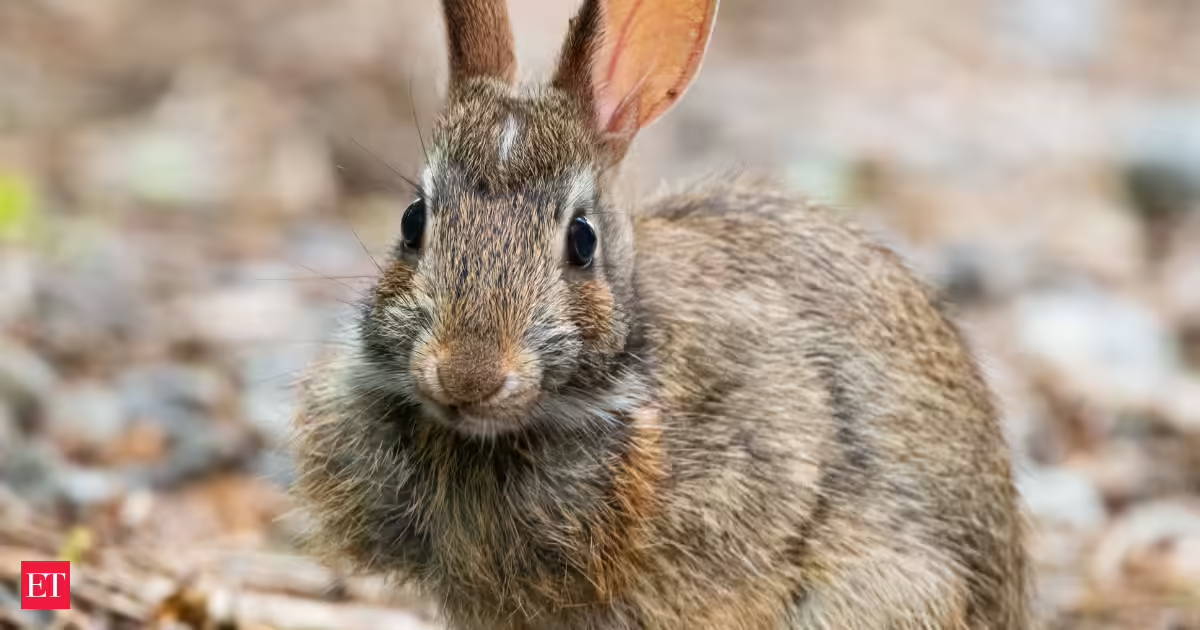
More than 150 years ago, a man named Thomas Austin made a simple request from his estate in Victoria, Australia, long before invasive species became a policy crisis. He wanted a few rabbits to be shipped over from back home in England, just something to hunt on weekends. On Christmas Day 1859, a crate of 24 animals arrived on a ship called the Lightning. In a few decades, those rabbits had spread across an entire continent at the fastest rate of colonization ever recorded for an introduced mammal.According to a study titled ‘A single introduction of wild rabbits triggered the biological invasion of Australia’ published in PNAS by Alves et al. , that single release, not the dozens of earlier introductions, was the genetic trigger for one of the most catastrophic biological invasions in recorded history. To figure out exactly where things went wrong, the researchers examined whole-exome sequences from 187 rabbits collected between 1865 and 2018 across mainland Australia, Tasmania, New Zealand, Britain, France, and domestic breeds.Rabbits had been in Australia for decades before the explosionThe thing is, rabbits weren’t new to Australia in 1859. The PNAS study by Alves et al. reports that the First Fleet brought five domestic rabbits to Sydney in 1788. In the next several decades, more than 90 introductions of rabbits were recorded in mainland Australia. People kept them in homes and bred them on farms, and released them into the wild. By 1870, rabbits were common in the larger settlements along the coast.And yet nothing happened at scale for more than 70 years after that first arrival. The populations remained local. They did not spread. So what changed in 1859?Domestic rabbits had been in Australia for decades, and never spread. Image Credits: PexelsThe secret was in the genesAccording to the PNAS study, the earlier introductions were almost all domestic rabbits, animals bred to be tame, have fancy coat colors, and be easy to handle. Wild rabbits were harder to catch and much less suitable for long sea voyages, so most settlers just didn't bother. Genomic evidence suggests that domestic rabbits are not well adapted to the wild. They lack the fear responses, survival instincts, and physical adaptations that wild rabbits have developed over generations of living in the open.Austin’s batch was different. Back at the family home in Baltonsborough, Somerset, in South West England, his brother James hunted high and low for wild rabbits but could find only six half-grown specimens taken from their nests. The remaining seven animals were grey rabbits kept in hutches by the local villagers as pets or for food. A variety of wild and semi-domestic animals were bred during the 80-day sea journey, and 24 rabbits arrived in Melbourne, rather than the 13 that had originally been sent.The genomic evidence confirmed what history had long implied. The same study in PNAS found mainland Australian rabbits were genetically closest to wild populations in South West England, the very region from which Austin’s rabbits were introduced, and showed a clear signal of descent from a single founding event, unlike the patchwork of multiple introductions suggested by some previous research.One release, thousands of kilometersThe Chronicle reported Austin's rabbits were already numbered in the thousands by 1862. By 1865, Austin himself told the Geelong Advertiser he had killed 20,000 rabbits on his estate alone, describing it as a testament to what he called the extraordinary fecundity of the English rabbit. By 1906, it had spread to the West Coast of Australia, an area 13 times the size of the rabbit's total native range in the Iberian Peninsula. This is about a 100-kilometer-a-year spread rate.The researchers also saw a genetic phenomenon known as allele surfing, in which rare genetic variants are carried to high frequencies at the expanding front of a population boom. The further from Barwon Park, the more these weird alleles prevailed in local populations. This represents a clear genomic signature of a single, explosive expansion event.Wild ancestry, catastrophic consequences. Image Credits: PexelsWhy this matters far beyond AustraliaA landmark review, ‘The Role of Propagule Pressure in Biological Invasions’ by Daniel Simberloff in the Annual Review of Ecology, Evolution, and Systematics, finds that both the number of individuals introduced and how often they are introduced are important predictors of whether a species will become invasive. The Australian rabbit case adds an important layer to that understanding; it is not just about how many animals arrive, but what genetic stock they carry.The research on invasion genetics published in Molecular Ecology by Bock et al. showed that the genetic composition of founding populations can influence whether an introduced species fizzles out or explodes. Yet this dimension of invasion biology is one of the least studied. The rabbit case is now one of the most obvious real-world demonstrations ever recorded of that principle.The cost of one decisionRabbits continue to inflict an estimated $200 million in damage to Australia’s agricultural sector each year, a figure that’s more than 22 times the annual damage caused by feral pigs, according to the PNAS study. All over the continent, they’ve cleared native vegetation, destabilized soil, and pushed native species to the brink of extinction.Thomas Austin had no way of knowing any of this. All he wanted was something to shoot at on his land. But the lesson from his accidental experiment is one that ecologists and policymakers tracking invasive species threats in the US today would do well to remember: in biology, sometimes one shipment of the wrong animals is all it takes to change a continent.
In 1859, English settlers released 24 wild rabbits; in 2024, scientists were shocked to find that the DNA of almost all the rabbits in Australia descended from those 24
In 1859, a shipment of 24 wild rabbits led to one of the most catastrophic biological invasions in history, reshaping Australia's ecosystem and agriculture. Discover the genetic findings that reveal the impact of a single introduction on a continent.
918 words~4 min read