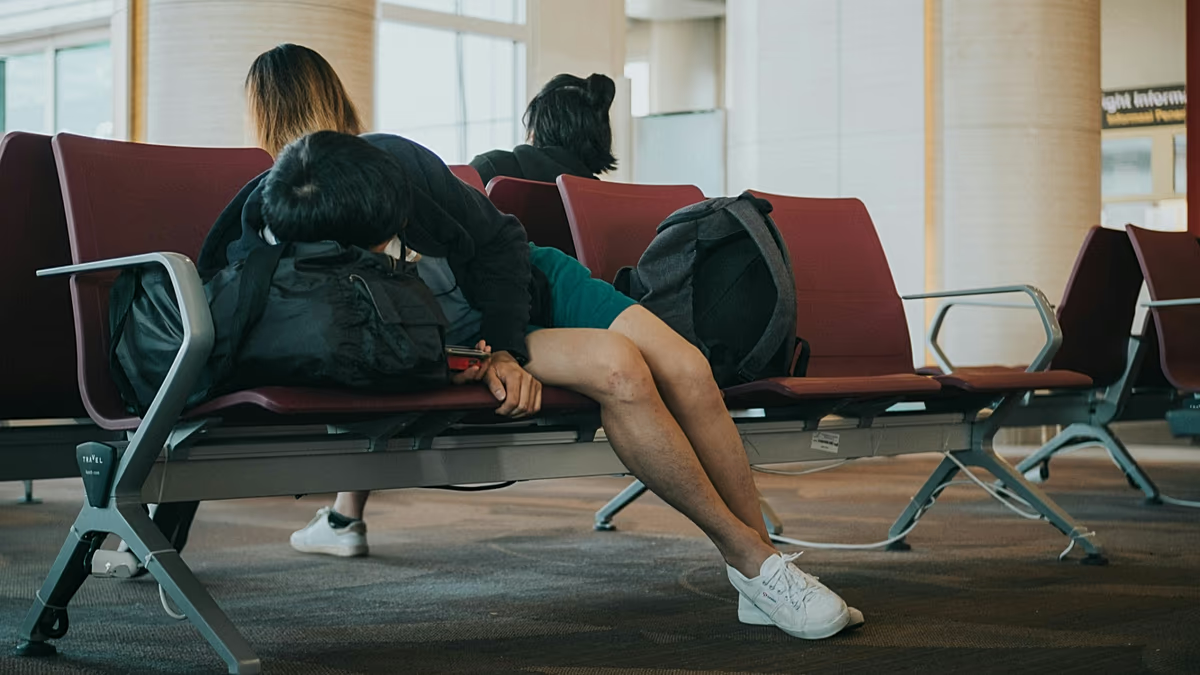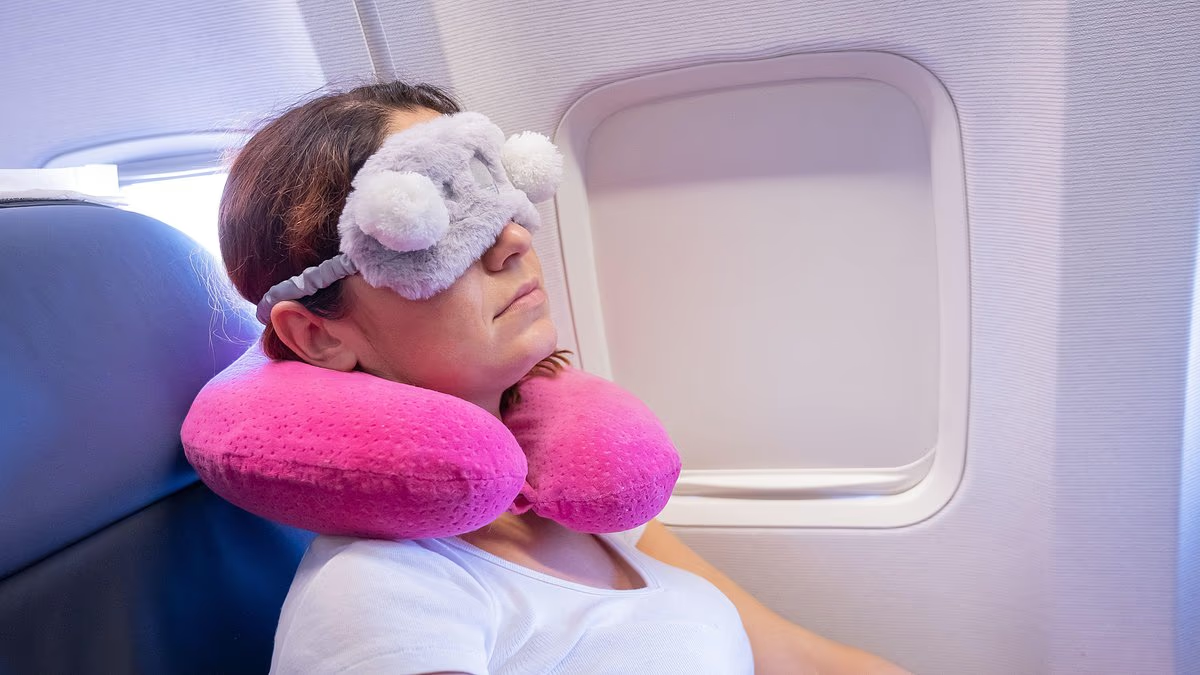
Having a break from the hum drum of life and taking a holiday is one of the highlights of summer – but the joy of that rest and reset can quickly be undone by the effects of jet lag. Jet lag disorder can cause a lot of physical and behavioural upset and – for some of us – even start to dictate how far we travel on holiday and in which time zones.
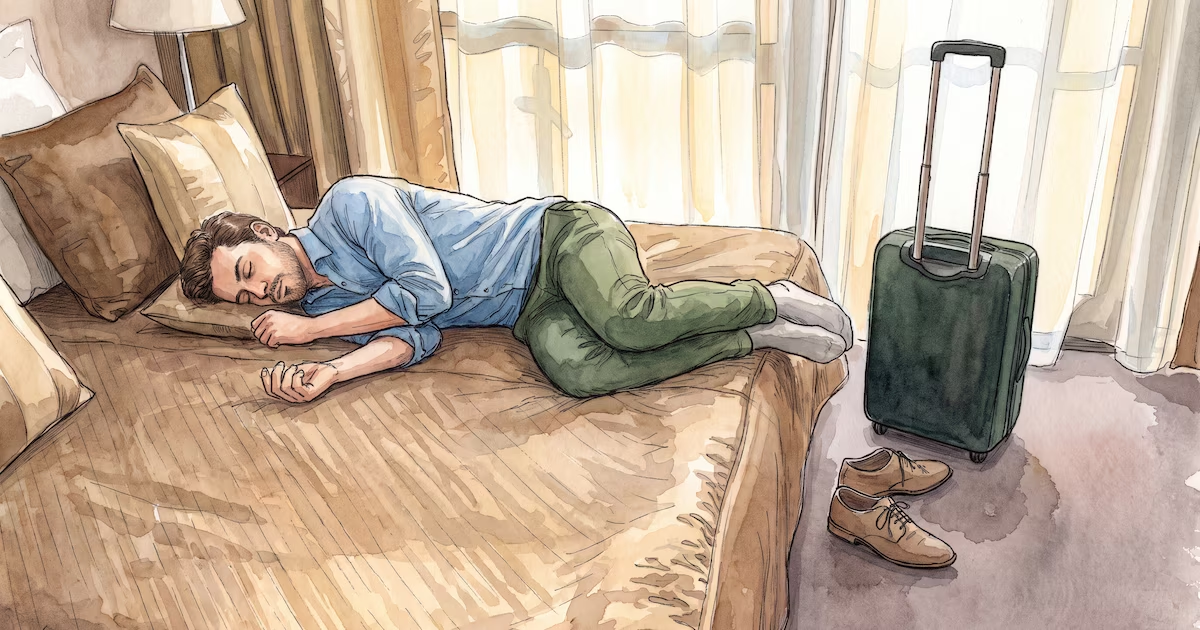
So, what is it? Well, it occurs when we travel quickly across multiple time zones and temporarily affects our sleep patterns. It can cause us to feel unwell, leave us struggling to wake up in the morning and result in daytime sleepiness, challenges sleeping at our usual bedtime, poor quality sleep, and difficulty focusing and concentrating. It can also cause some digestive symptoms like nausea, constipation, indigestion or changes in appetite. And jet leg doesn’t just stop at the physical – it can also cause a temporary feeling of mild anxiety.
American travel journalist Horace Sutton is said to have made the phrase a common term back in 1966, when he used it in an article. Interestingly enough he described it as being not dissimilar to having a hangover, which many of us can relate to, with between 60 and 70 per cent of international travellers experiencing it, and in one survey up to 45 per cent described their symptoms as severe. How much we are affected may be dependent on the regular medications we take or our genes, but it is also likely to be worse when we fly east because you’re getting ahead of time and losing hours. How many time zones we travel over, how frequently we fly, and the older we are can also affect how long it takes us to recover.