When in March 2021 Emilia Privitera started coughing relentlessly, she initially worried she might have caught COVID-19 again. Then when the test came in negative, she thought it could be just a seasonal allergy.
“But the cough persisted for weeks, and my lungs would make a strange hiss sound when taking a breath between one cough and the other,” she tells Euronews Earth. “So I went to a specialist, and he found something I’d never expected: some almost imperceptible ash particles stuck in my lungs.”
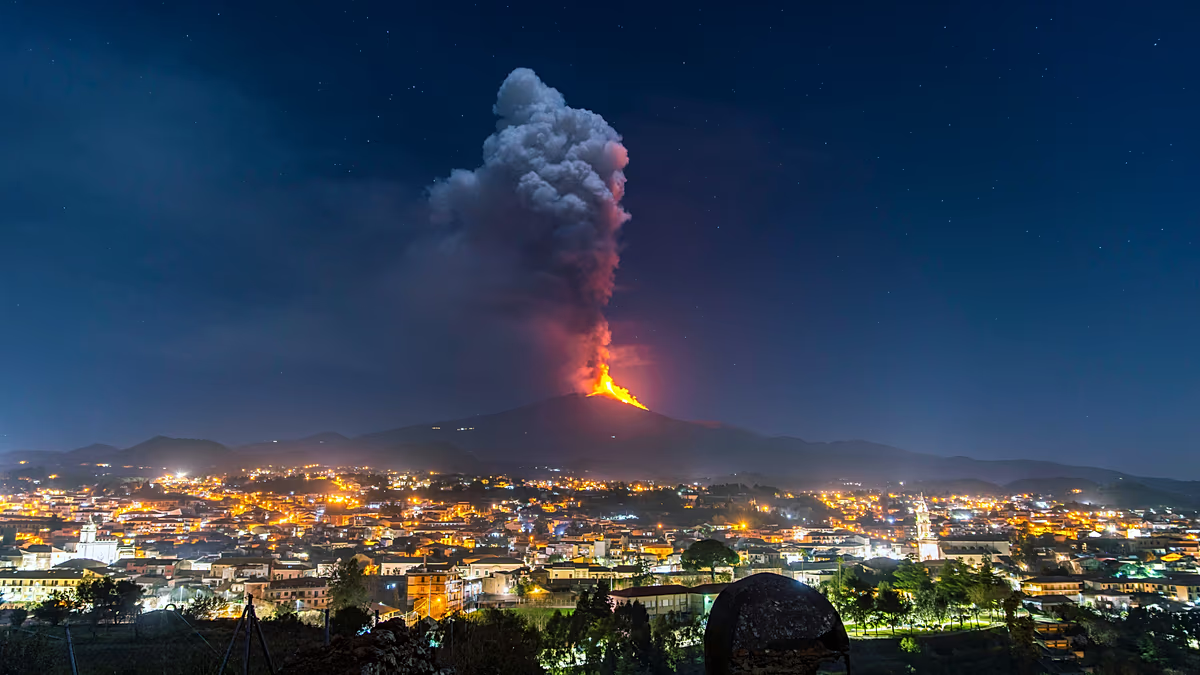
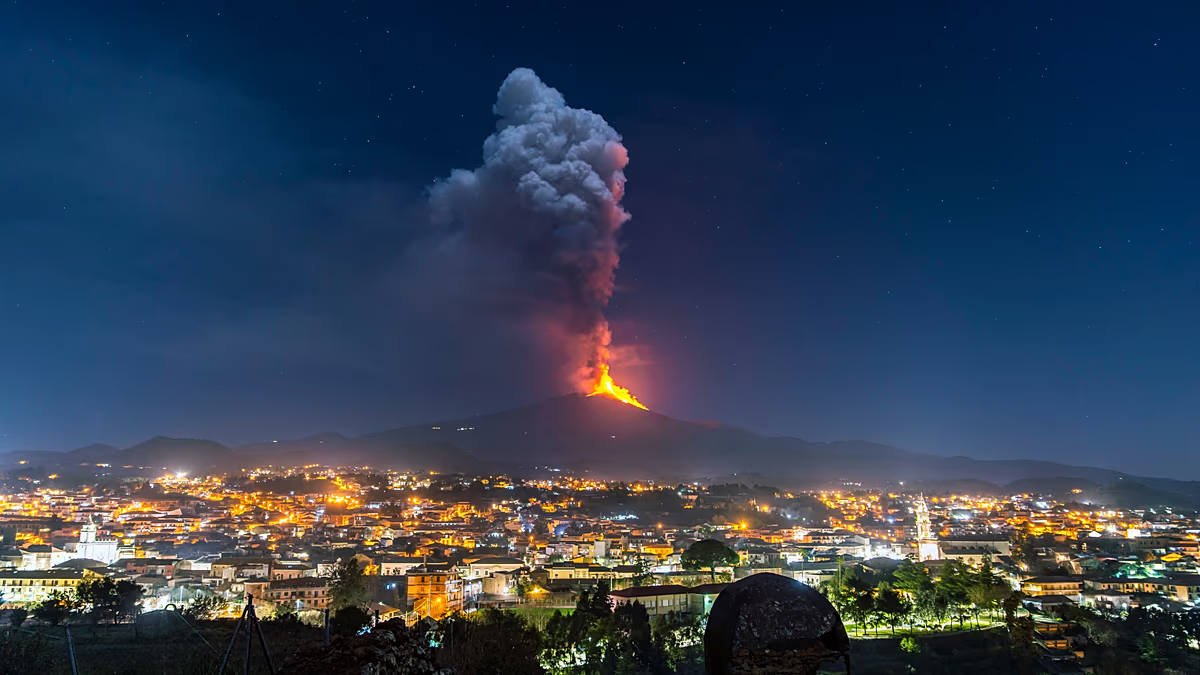
Privitera lives in Nicolosi, a town near Sicily’s second largest city, Catania. It is perched on the slopes of Mount Etna, Europe’s highest and most active volcano. At every eruption – which can take place multiple times a year – her symptoms come back, and it’s the same for hundreds of other residents in the area.
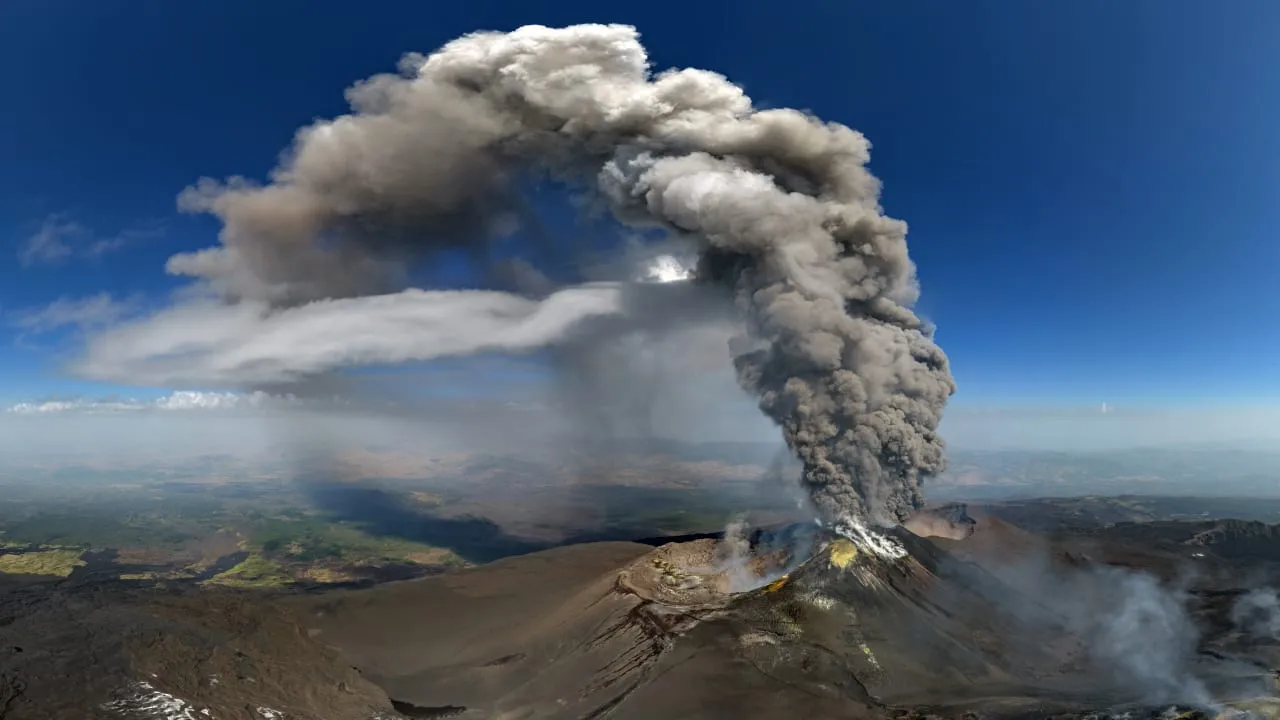
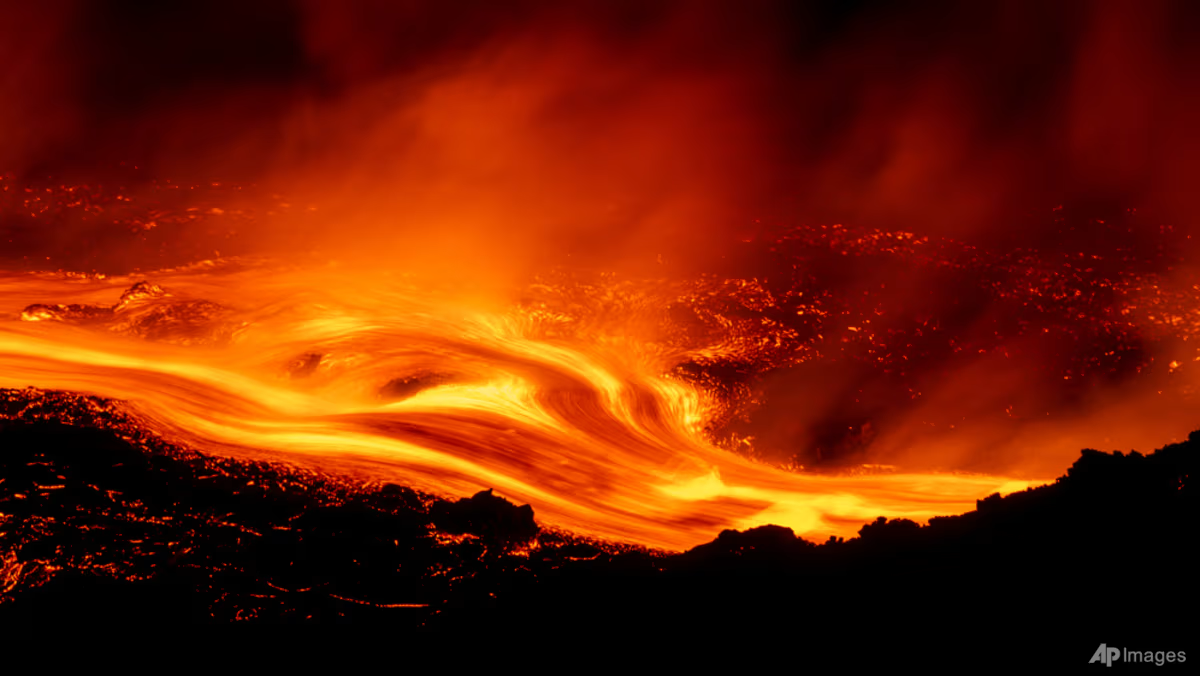
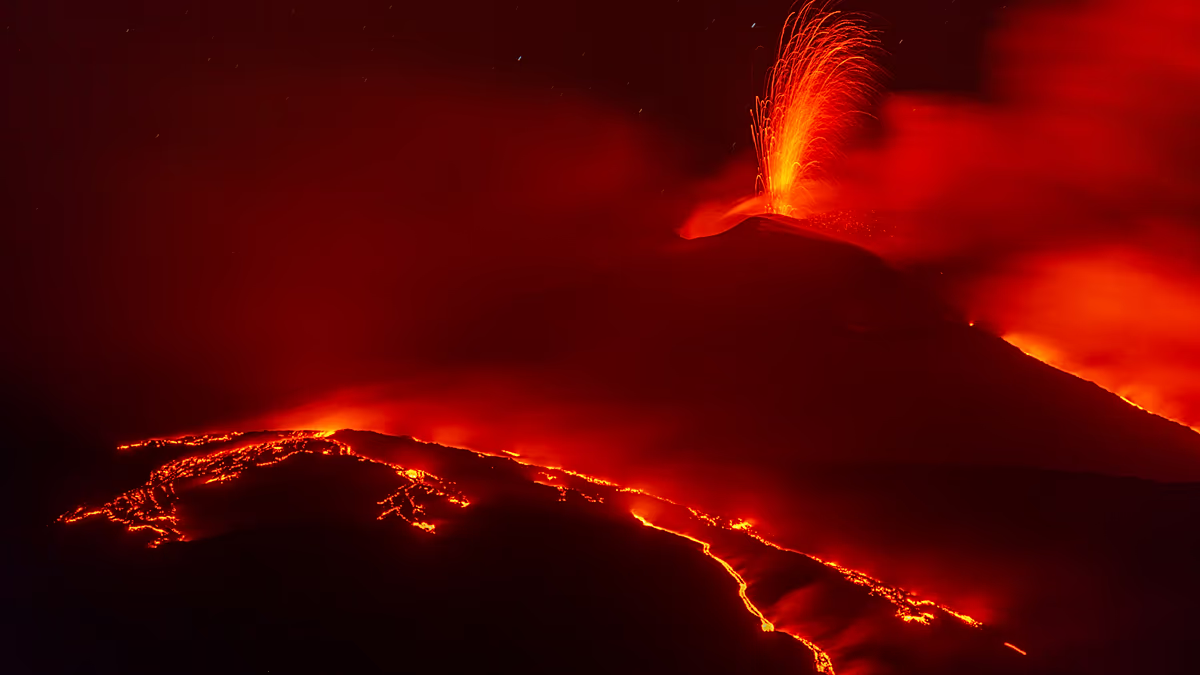
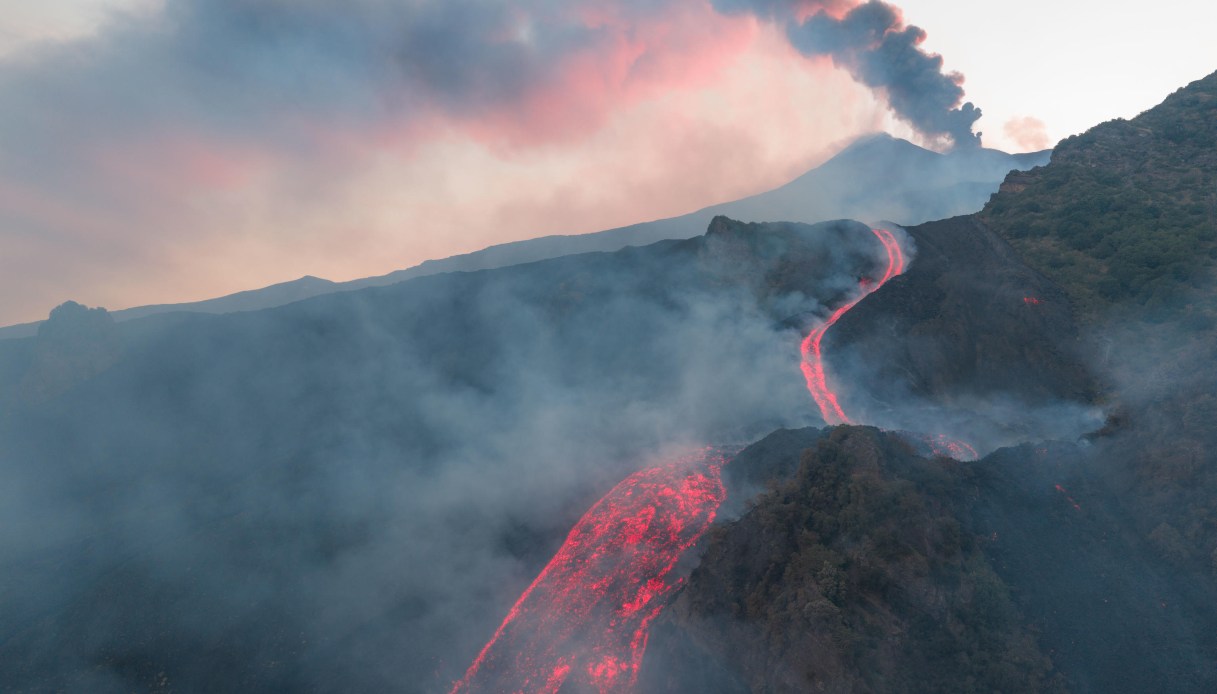
In recent weeks, an intense series of eruptions has brought Mount Etna back to international headlines for its fiery show, as well as for grounding hundreds of flights for a week.
But while millions of people marvel at these natural phenomena, less attention is paid to the people living with the consequences of steady volcanic ash release. In periods of intense volcanic activity, ashfall can reach thousands of tonnes a day, blanketing towns across the region.