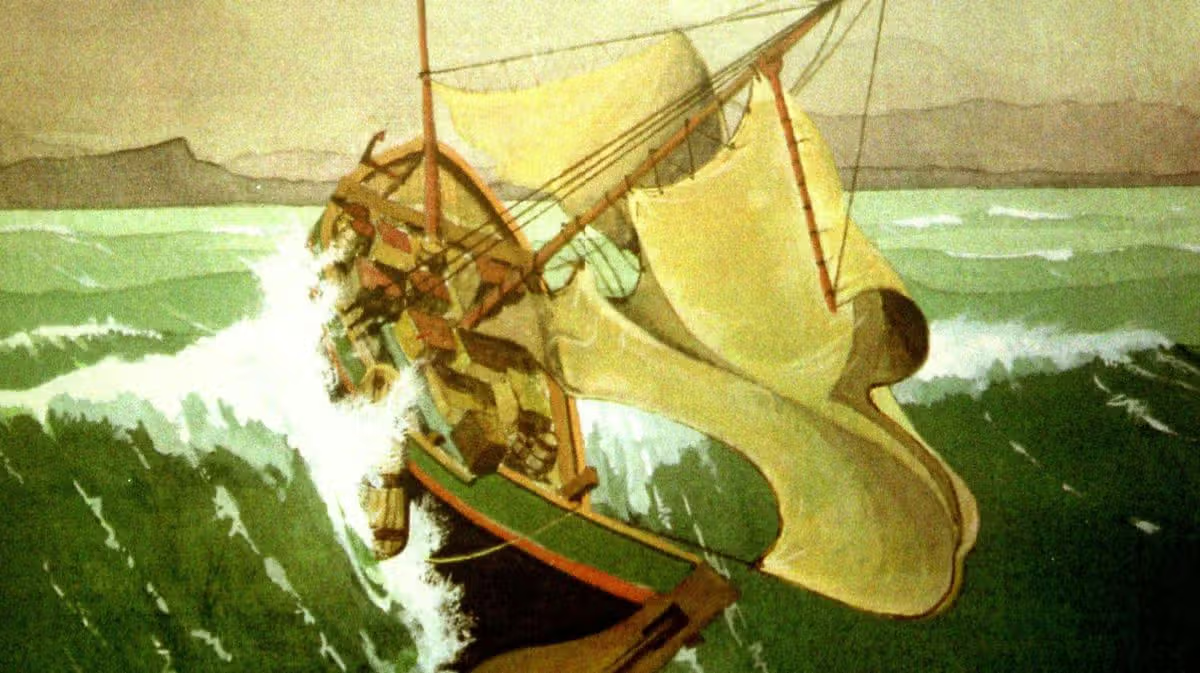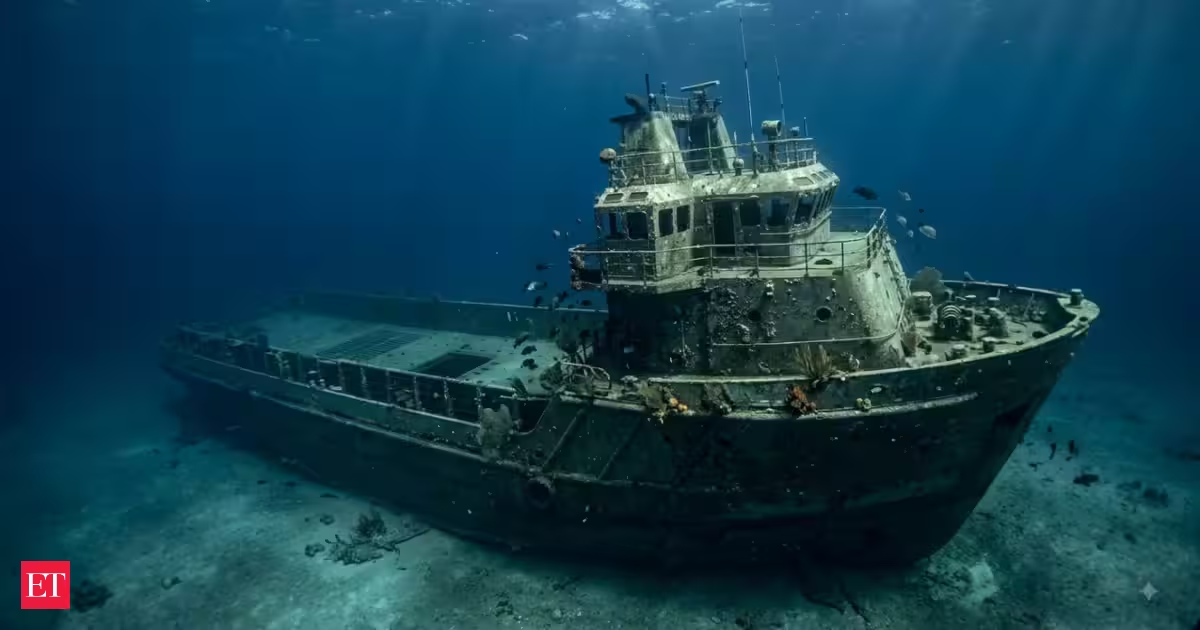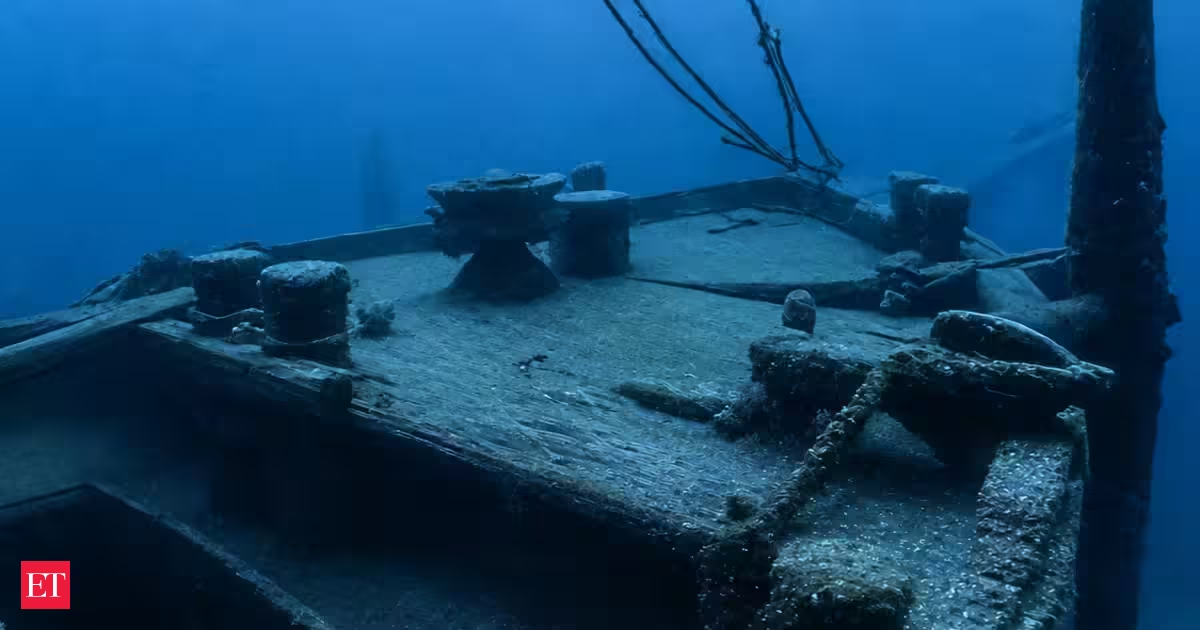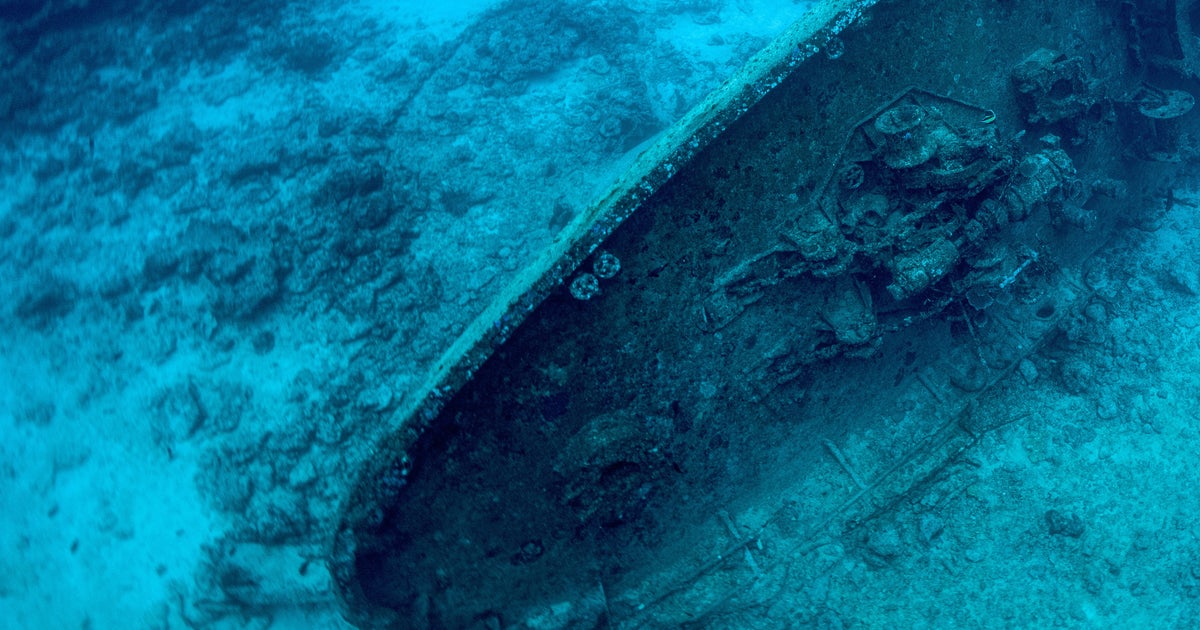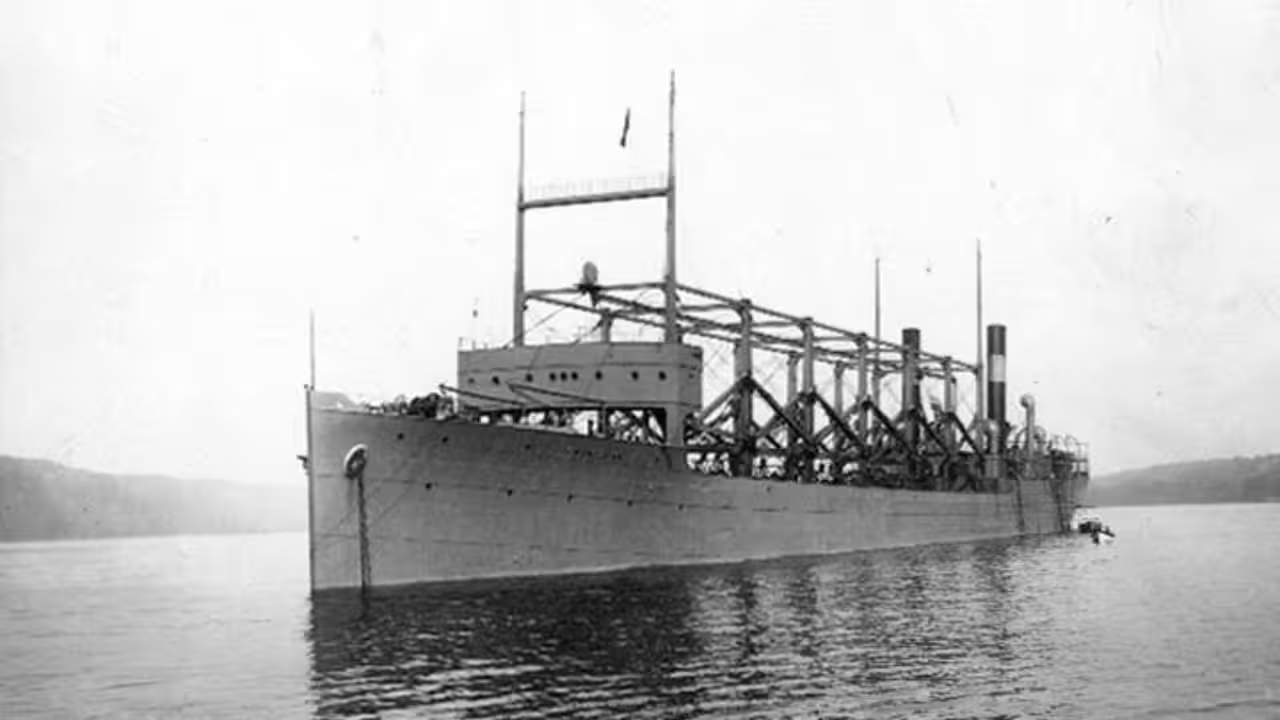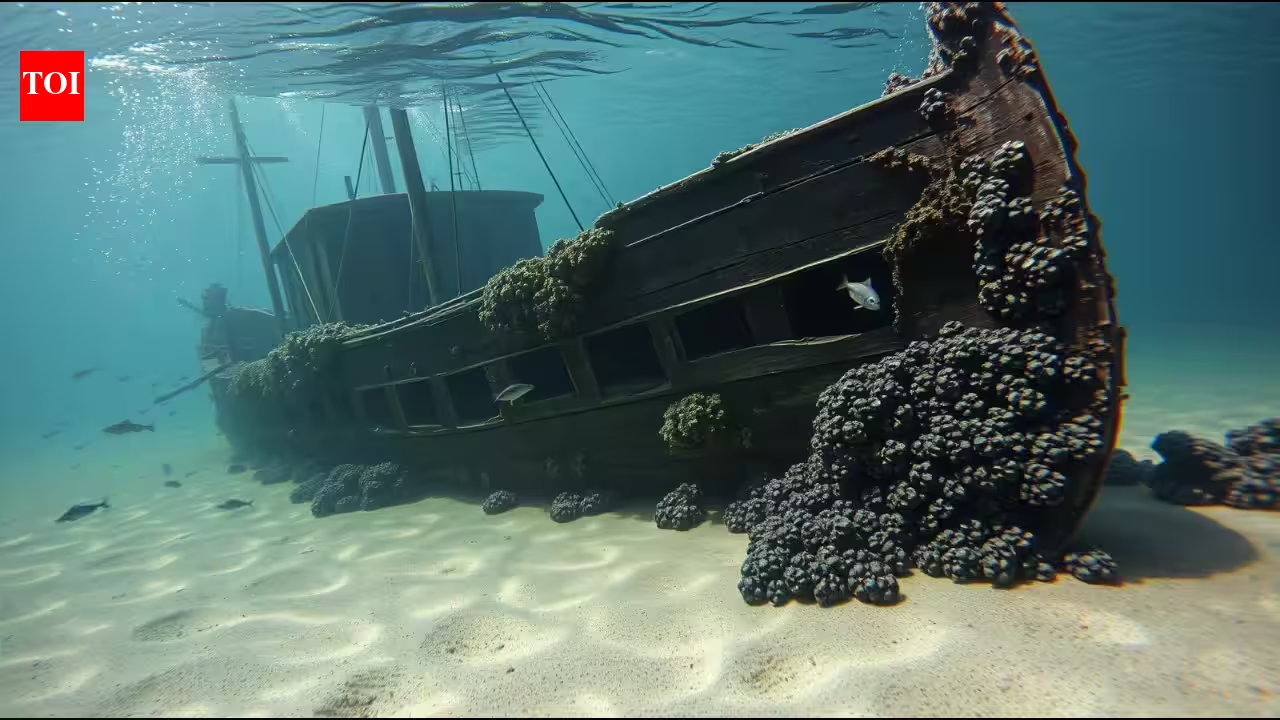
Representative Image of the historic bark Clough shipwreck surrounded by preserved artifacts beneath the water (AI-generated image)On September 15, 1868, the Clough, a 125-foot sailing vessel known as a bark, was carrying a cargo of stone across Lake Erie when a sudden gust of wind pushed the ship onto its side. The unsecured cargo shifted, making it impossible for the eight crew members aboard to recover the vessel before water flooded the deck and the ship sank. Only one man survived: first mate Rush Reed, the captain's brother, who spent about 36 hours in the lake before being rescued. The wreck then disappeared into Lake Erie for more than 150 years. In 2026, a team of divers and maritime researchers finally confirmed its identity after years of searching, using sonar, underwater surveys, historical records and physical evidence from the wreck itself. The discovery solved a 158-year-old maritime mystery while preserving the story of the seven crew members who died when the Clough disappeared beneath the lake.How a decade of searching finally located the CloughAccording to CBS News, the wreck was identified by the Cleveland Underwater Explorers, or CLUE, working with the National Museum of the Great Lakes. CLUE had spent years searching Lake Erie for historic shipwrecks, eventually covering roughly 250 miles of lakebed during its search for the Clough. The team located a promising wreck site using side-scan sonar in 2022, but finding a shipwreck was only the first step. Researchers then had to establish that the wreck actually belonged to the Clough. They compared underwater observations with historical records, conducted additional dives and mapped the wreck site in detail. The process demonstrates why identifying an old shipwreck can be considerably harder than simply finding one. Researchers must establish that the physical remains correspond to the vessel's documented dimensions, construction and history.Why the discovery was bittersweet for the diversThe search became particularly poignant because of the death of CLUE founder and chief archaeologist David VanZandt. VanZandt and fellow diver Chris Kraska were investigating the wreck site in June 2024 when VanZandt died in a diving accident. The identification work continued afterward, with the eventual confirmation becoming part of the legacy of the diver who had spent years searching for lost vessels in Lake Erie. For the team, the site also offered an extraordinary connection to the people who had disappeared there in 1868. The Clough sank rapidly after its cargo shifted, leaving seven crew members with little opportunity to escape. The wreck therefore represents more than a maritime archaeological discovery. It is also the physical remains of a disaster that had been largely inaccessible for more than a century and a half.What evidence proved the wreck was the CloughResearchers eventually identified several details that matched historical records of the vessel. The wreck's dimensions corresponded with the Clough's original enrollment records. Its three missing masts were also consistent with historical accounts saying they had been salvaged after the sinking. Another important clue was the ship's bow. Historical descriptions indicated that the Clough had a plain, undecorated bow, which matched what divers found underwater. The strongest evidence came from a metal patch covering a hole in the hull. Historical records documented an earlier repair to the Clough after an incident involving the vessel near the Black River. Taken together, the measurements, construction details, missing masts and distinctive repair provided the evidence researchers needed to establish the wreck's identity. After 158 years, the Clough was no longer a lost ship. Its remains had been located, documented and connected once again to the crew whose final voyage ended beneath Lake Erie.
In 1868, a 125-foot ship sank in Lake Erie with only one survivor; after searching 250 miles for a decade, divers finally found the wreck
On September 15, 1868, the Clough, a 125-foot sailing vessel known as a bark, was carrying a cargo of stone across Lake Erie when a sudden gust of wind pushed the ship onto its side. The unsecured cargo shifted, making it impossible for the eight crew members aboard to recover the vessel before water flooded the deck and the ship sank.
598 words~3 min read