Story audio is generated using AI
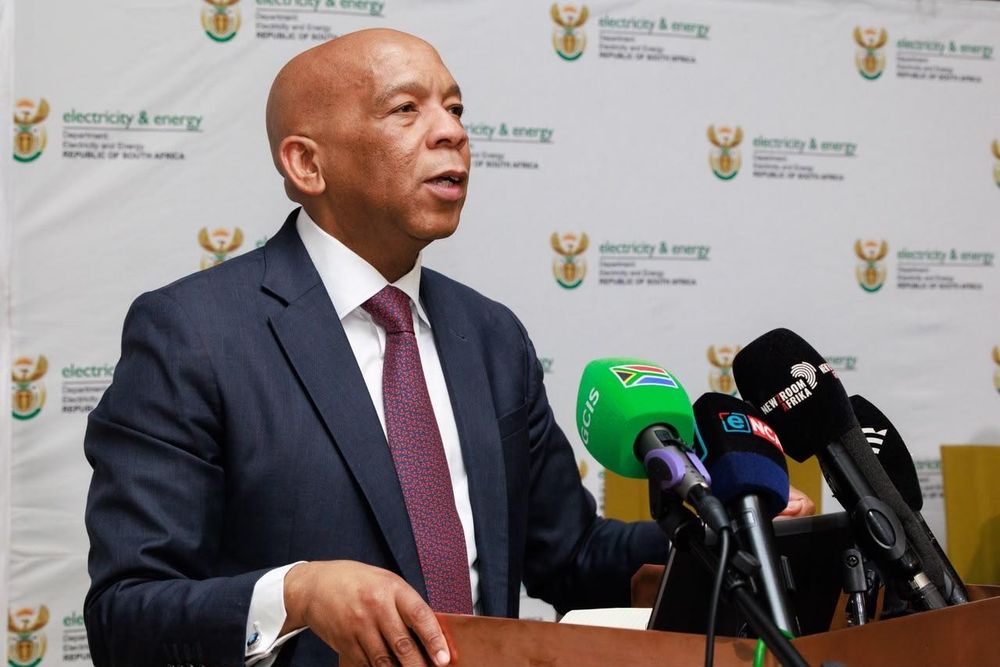
South Africa’s draft electricity pricing policy (EPP) has been welcomed as a necessary step towards a more modern electricity market, but industry participants say the real test will be whether the government can turn familiar policy principles into enforceable changes on the ground.The draft revised EPP, published for public comment on Friday, updates the framework adopted in 2008 to reflect a sector that has changed significantly, with the emergence of private power generation, distributed generation, electricity trading and wheeling, and the restructuring of Eskom.However, much of what the draft seeks to achieve is not new. Principles such as cost-reflective tariffs, greater tariff transparency, cost allocation, protection of vulnerable consumers and longer-term electricity price visibility were already contained in the policy from 18 years ago.The difference, independent electricity pricing specialist Deon Conradie said, is that the market has moved on while implementation of the previous framework has lagged.Conradie, who has years of experience in the sector, described the draft as largely a modernisation of the previous policy and an attempt to align pricing with the structural changes now taking place in the electricity industry.“The [2008] policy was not implemented. There was no accountability for implementing that,” Conradie said.The significance of the revised policy, he said, therefore lies less in the introduction of entirely new pricing principles and more in providing a clearer framework for an electricity market that is no longer dominated by a vertically integrated Eskom.The [2008] policy was not implemented. There was no accountability for implementing that.— Deon Conradie, independent electricity pricing specialist The new market involves IPPs, traders, distributed generators, the National Transmission Co South Africa and municipalities, all of which need to operate within a coherent pricing framework.Ferroalloys Producers Association chair Nellis Bester welcomed the direction of the draft but said its impact would depend on how it fits with other reforms, particularly the development of the wholesale electricity market and changes to Eskom’s structure.“You cannot look at the EPP in isolation,” Bester said, arguing that the different reforms need to work together to provide businesses with greater visibility over future electricity costs.Electricity minister Kgosientsho Ramokgopa said the revised policy was needed to ensure pricing kept pace with these changes.Nersa faces a bigger testBut the implementation challenge is the biggest question hanging over the draft.Conradie agreed with Ramokgopa’s assessment that the national energy regulator (Nersa) had not had the capacity to implement the previous framework. Ramokgopa said the regulator needed to be better equipped for its expanded role, including having the right leadership and suitably qualified people in the appropriate positions. There’s no proper plan of how to capacitate Nersa to move from the old market structure towards the new market structure.— Deon ConradieConradie said the challenge was now even larger, with Nersa having to oversee tariffs across more than 200 municipalities while adapting to a more complex and competitive electricity market. “There’s no proper plan of how to capacitate Nersa to move from the old market structure towards the new market structure.”The consequence, he said, was that Nersa was often forced to react to changes being driven by the private sector rather than getting ahead of them.Conradie questioned how much of the regulator’s limited capacity was being diverted into litigation. “Nersa is spending more time in court these days and loses the majority of its cases, which wastes money, which wastes the same resources that are supposed to go and do the municipal tariff approvals,” he said.Municipal tariffs: transparency will not by itself lower electricity costsOne area where the draft could have an immediate effect is municipal electricity tariffs, where the policy seeks greater transparency and clearer allocation of generation, transmission, distribution and retail costs.Conradie said the principle of unbundling tariffs was not new, but that enforcing it could be transformative.Bester also supported greater tariff transparency and standardisation, but questioned how easily this could be implemented across municipalities given existing municipal debt and payment problems.The distinction is important because greater transparency does not necessarily mean cheaper electricity.Conradie said unbundling a tariff would show consumers where their money was going but would not by itself reduce the underlying cost of supplying electricity. “Cost-effective doesn’t mean lower prices,” he said. The more fundamental question was: what is driving South Africa’s relatively high electricity costs and can those underlying costs be reduced? The 10-year price outlookAnother prominent feature of the draft is the proposed 10-year electricity price outlook, which the department says is intended to give electricity users greater visibility. While the longer-term view has been welcomed by industry, the principle is not entirely new: the 2008 policy also sought greater long-term certainty on electricity pricing.Conradie cautioned, however, that a forecast should not be confused with a guarantee. Its value would depend on the assumptions and information used to prepare it, with electricity demand, economic growth, industrial activity and investment plans all capable of changing significantly over a decade.Eskom has previously produced shorter-term price forecasts, but these have proved difficult to maintain because much of the information used to estimate future demand comes from customers themselves. Industry users may also be reluctant to disclose commercially sensitive investment and production plans, making long-term forecasts difficult to get right.“A 10-year electricity passport is a beautiful thing to say,” Conradie said, but warned that the policy needed to explain how the forecast would be made sustainable.Bester said the longer-term outlook was essential for industries making investment decisions, but would only provide meaningful certainty if significant variables and mechanisms such as annual adjustments did not continually change the price after it had been forecast.For electricity-intensive industries, he said, the ability to plan around future electricity costs is critical to investment decisions.Industry relief puts the spotlight on who paysThe draft also proposes negotiated pricing arrangements for distressed industries and industries considered important to economic growth.Bester said the principle was already established through the negotiated pricing framework and that criteria such as financial hardship, employment and strategic importance are used to determine eligibility.But Conradie raised a broader policy question: if the government provides preferential electricity pricing to achieve an industrial-policy objective, it needs to be clear who ultimately carries the cost. Is it Eskom, other electricity consumers, or the fiscus? Bester said the arrangements currently being discussed between industry, Eskom and the government were not based on additional public funding. Instead, he said, Eskom could use available generation capacity and recover some of its fixed and variable costs by securing high-consumption industrial customers.He cautioned, however, that this was a short-term measure rather than a permanent solution, giving government and the industry time to develop new tariff structures as the electricity market changes.Business Times