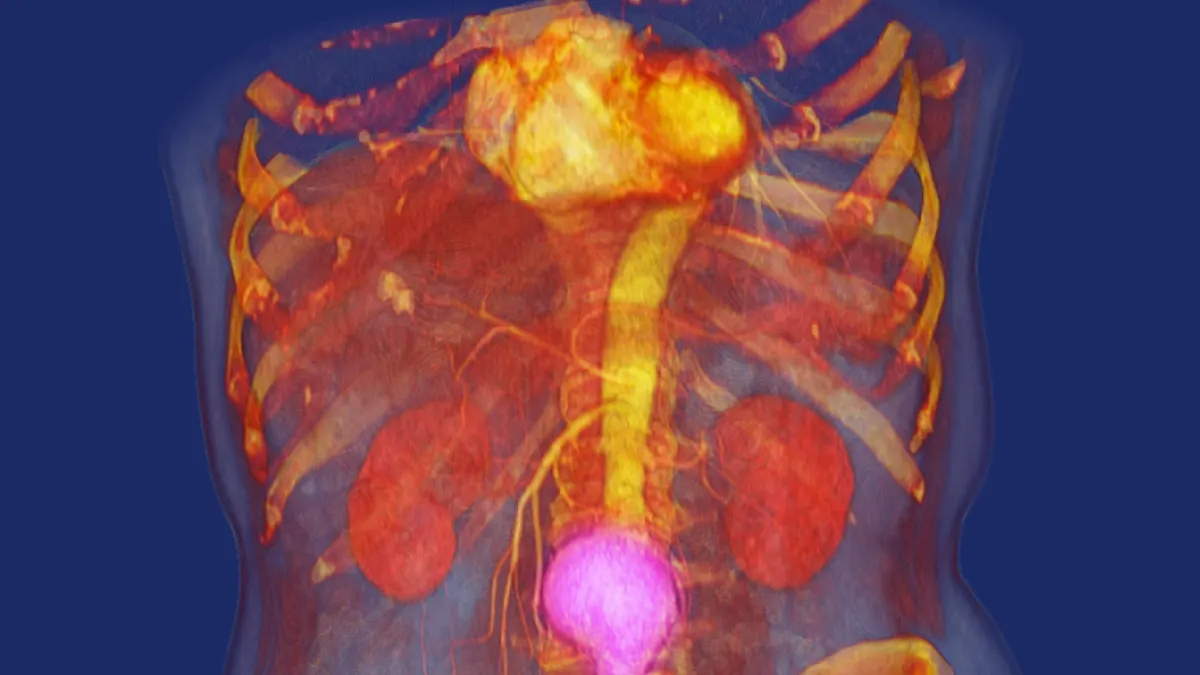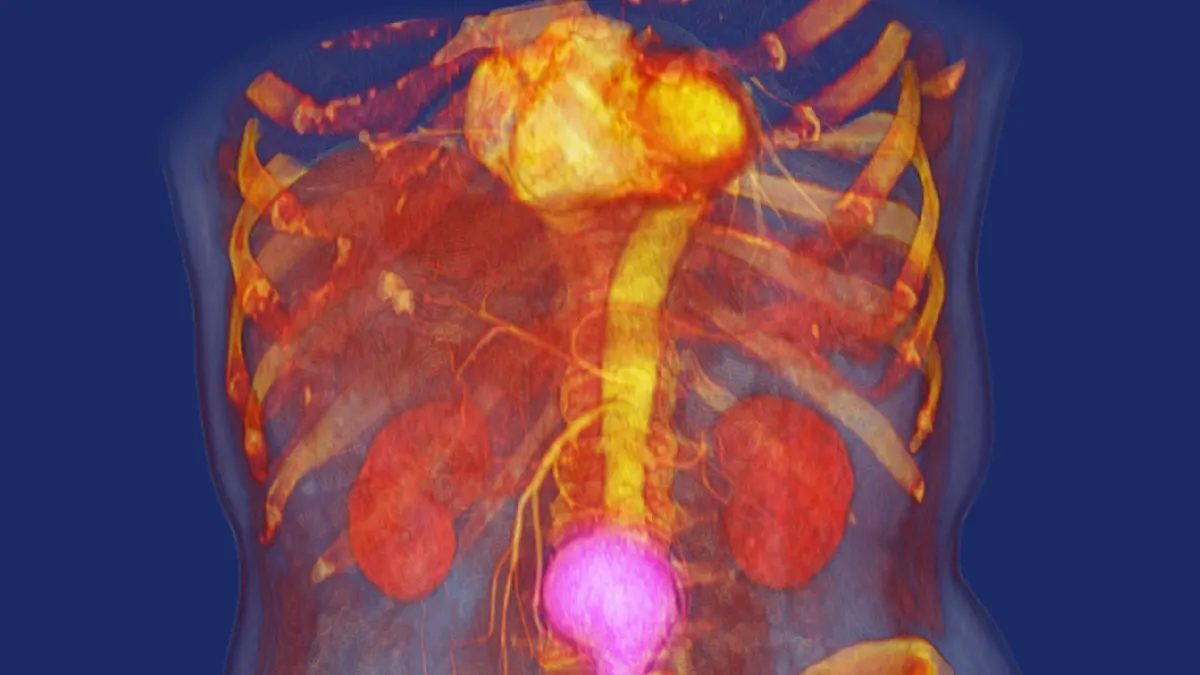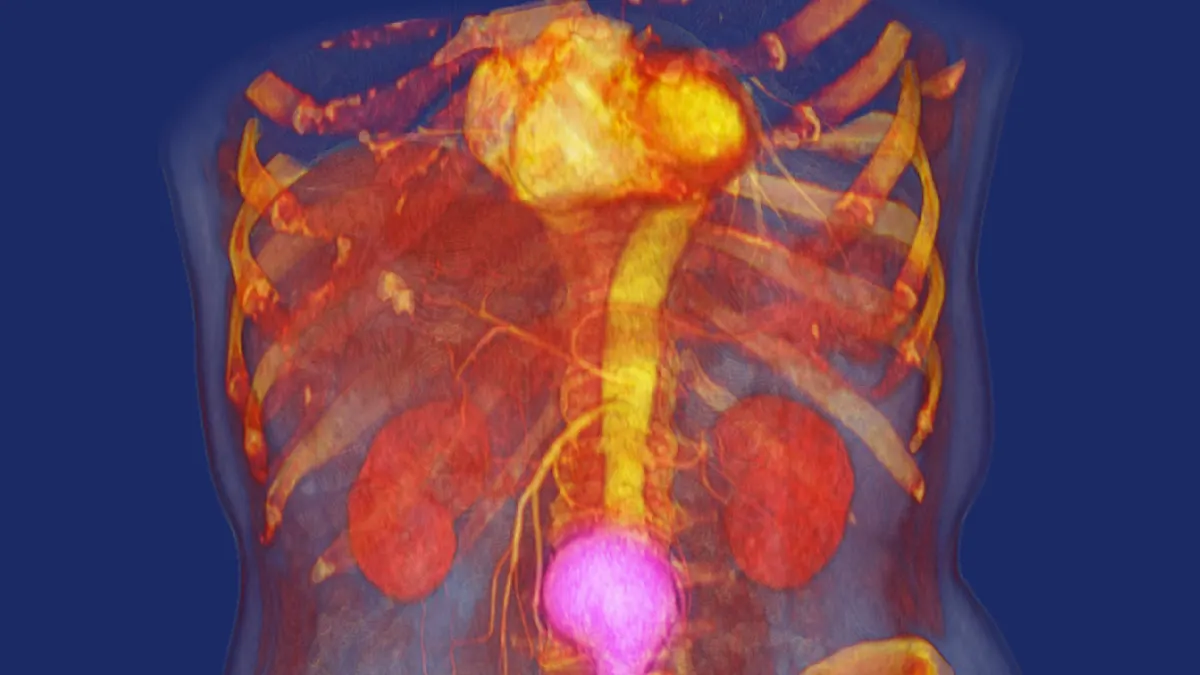
Your birthday tells you how many years you have been alive. But it cannot tell you whether your heart, brain, or kidneys have weathered those years equally well.
That's because organs within the same body can show different levels of biological aging.
A new study published in Nature Medicine suggests that aging leaves different marks on the microscopic structure of each organ.
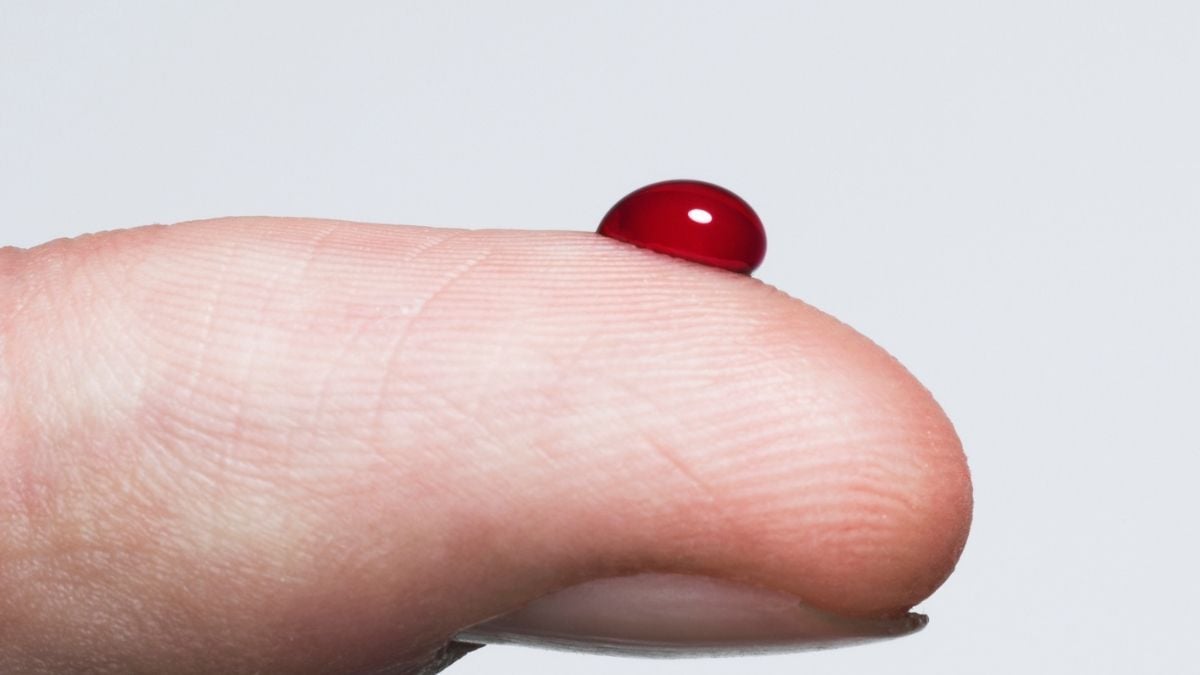
Scientists have now used those marks to develop a method that may predict which organs look older than expected from a single blood sample.
This is not yet a blood test you can request at a hospital. Nor can it track an organ over many years to directly measure how quickly it is aging. Instead, it estimates whether an organ appears biologically older or younger than expected for a person's chronological age.