June 30th, 2026
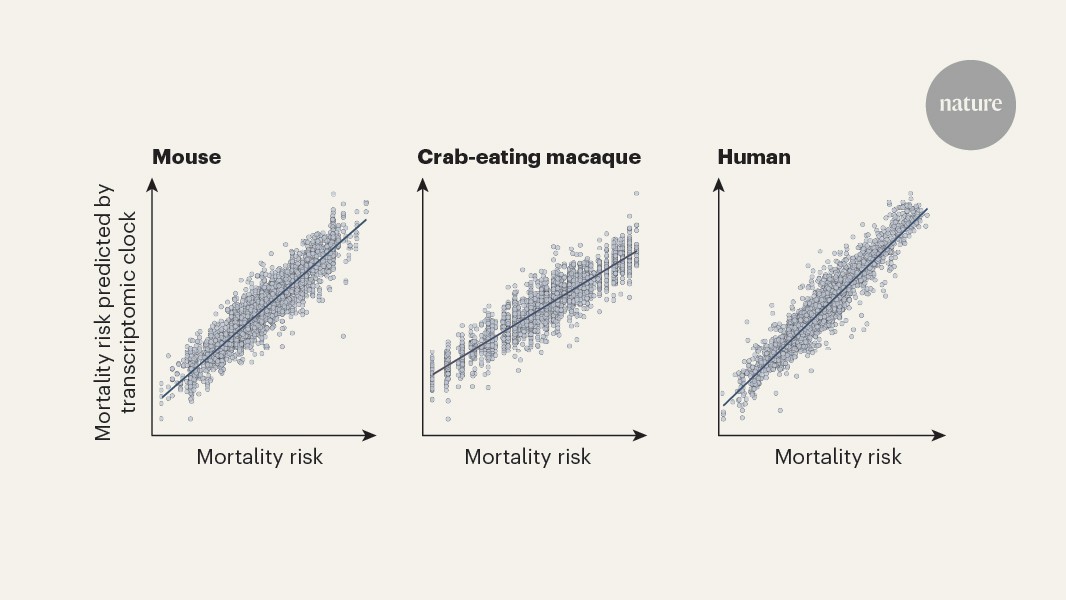
Blood contains countless different proteins secreted from different cell populations throughout the body. Different cell types tend to secrete different mixes of proteins. Researchers have recently made inroads into constructing organ-specific aging clocks from protein levels in blood, using machine learning to identify patterns that predict the health, disease risk, and disease status of specific organs. This is still in the relatively early stages when compared to other clocks, but it seems to be going fairly well so far. The results are as useful as more general aging clocks, which is to say that there are still hurdles to overcome before they can be used by an individual to reliably assess health or in a study to rapidly assess outcomes of a new therapy.
Senescent cells accumulate with age in tissues throughout the body, and secrete a pro-inflammatory, disruptive mix of proteins that actively degrades tissue structure and function. Animal studies demonstrate that cellular senescence is an important contributing cause of degenerative aging. Researchers here make use of the approach taken to produce organ-specific proteomic aging clocks to attempt to map the burden of cellular senescence in different tissues using only a blood sample. This is possible because senescent cells of different types and origins produce meaningfully different mixes of secreted proteins, just like other cells. Only here, those secretions are much more harmful when sustained over the long term.