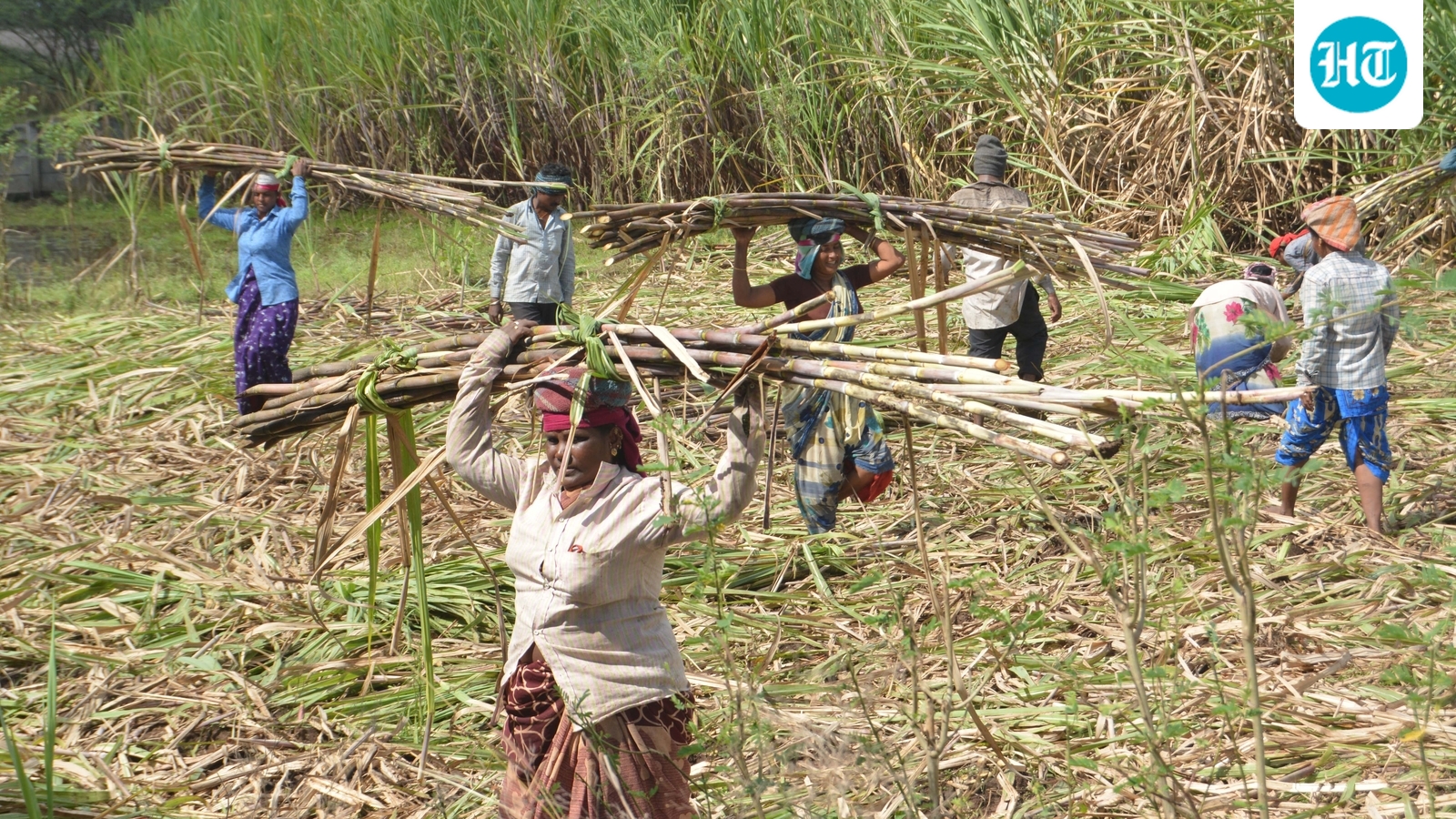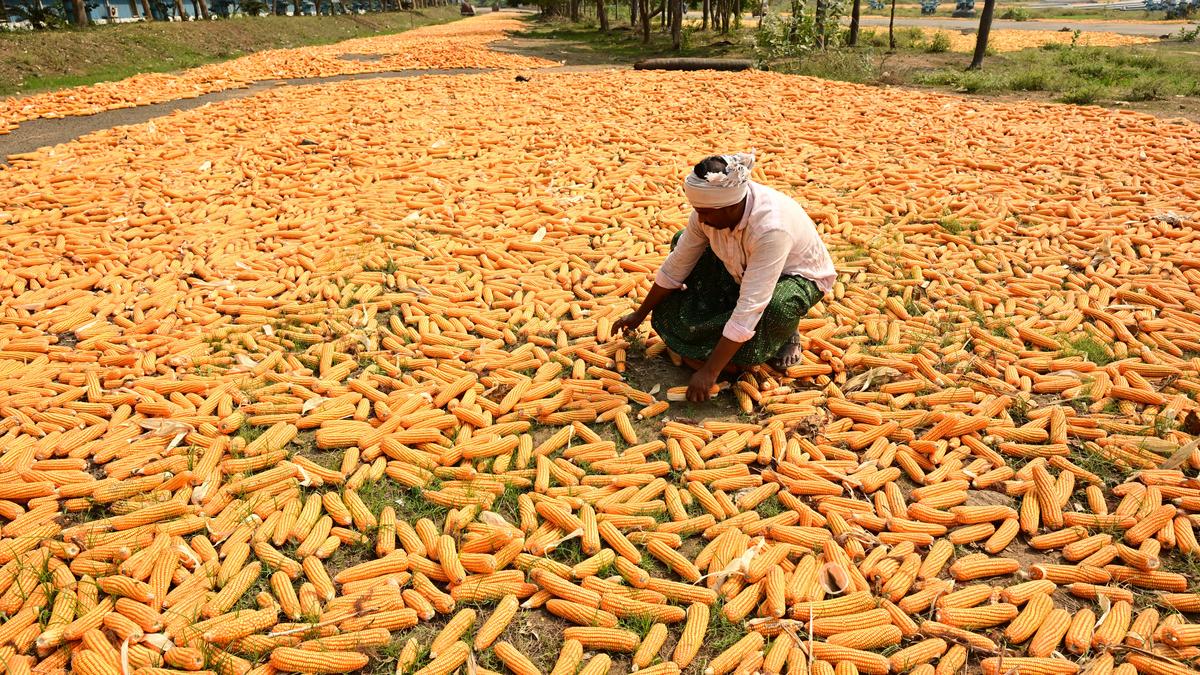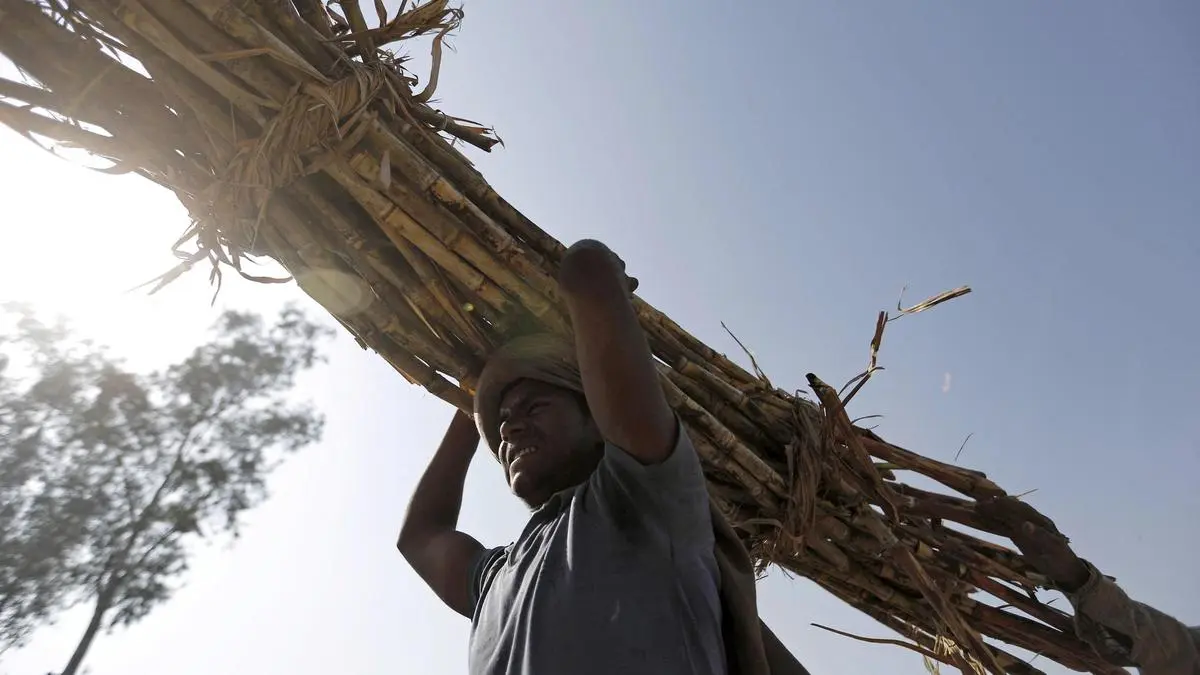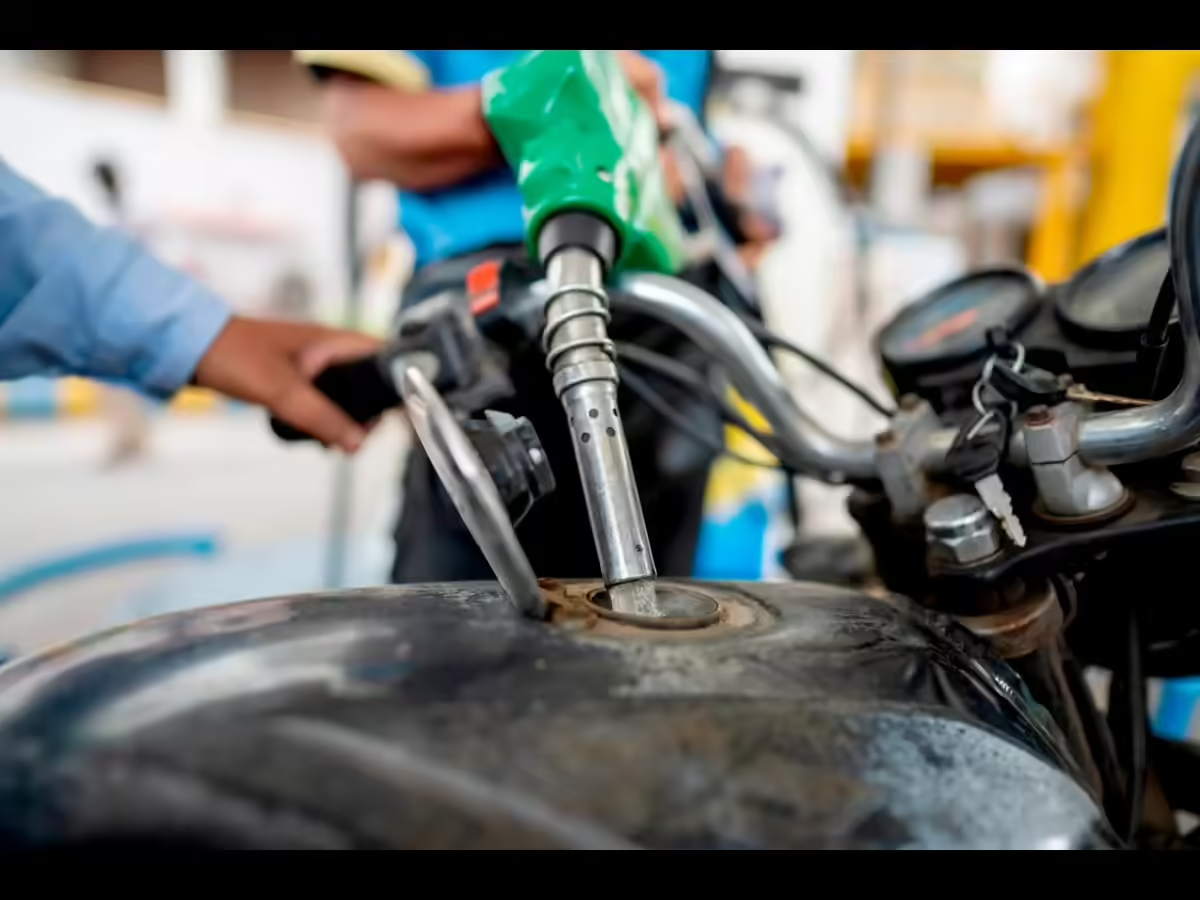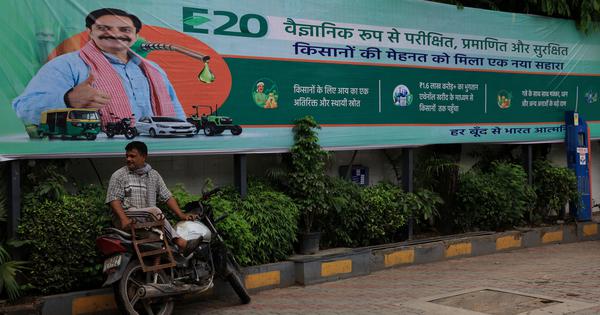
I first learned to think about ethanol as a fault line in conversations with my friend Joan Martinez Alier, a political ecologist. We met in 1987, drawn together by a shared question: how much energy really goes into producing our food once you count what nature and human labour truly cost?My own interest was in the energetics of marine fisheries: the input-output balance of energy in that world. Ethanol was one of the clearest examples Alier used of that balance being falsified elsewhere.Energetics involved converting everything – a litre of diesel, an hour of a fisherman’s labour, a kilogramme of fish – into the same currency: the calories, or kilocalories, of energy each one represents.Simple bookkeeping can then be done: for every calorie that goes into fishing, how many calories of food come back out? When the return is high, the fishery is productive. When it costs more energy to catch the fish than what the fish give back as food, there is a deficit – even if the market still calls the catch a success.When I met, Alier he was writing about Brazil, whose ethanol programme, Proálcool, was being celebrated by economists as a triumph of energy planning.People sit in front of a signboard with information about E20 ethanol fuel at a bus stop in New Delhi in August 2026. Credit: Reuters.The programme, Alier pointed out, benefited the car-owning fifth of Brazilians. But its costs – water diverted from other uses, land turned over to cane and sugarcane workers whose life expectancy was shortened by brutal harvesting conditions – fell on people who never saw a drop of the fuel they were subsidising with their bodies and their land.He called this an ecological distribution conflict: where the gains from a resource are captured by one group while the losses are pushed onto another with no voice in the decision.That framework, which he explained in his book Ecological Economics: Energy, Environment and Society, has stayed with me. It is the lens through which India should look at its own ethanol programme.There are three hidden ledgers to India’s ethanol push: the diversion of food, the strain on water and land, and the uneven technical burden on the vehicle fleet.There is, of course, the debate over mileage loss, corroded fuel lines, E10 versus E20. But the central issue is who bears the weight of a policy being sold as a national benefit in a country that remains, by any honest reckoning, one of the hungriest, most polluted and most unequal societies on the planet.Cleaner mobility is driven by smarter resource management.Through diversified feedstocks, efficient irrigation, Zero Liquid Discharge (ZLD) distilleries and science-backed practices, India's Ethanol Blended Petrol (EBP) Programme is advancing a more sustainable clean energy… pic.twitter.com/UVGKRS6ZWc— Ministry of Petroleum and Natural Gas #MoPNG (@PetroleumMin) August 6, 2026
India’s poorest will pay the most for ethanol-fuel push
Gains of reducing vehicular emissions and fuel imports are undercut by the diversion of food resources, the toll on human bodies and cost of vehicle repairs.
1,630 words~7 min read