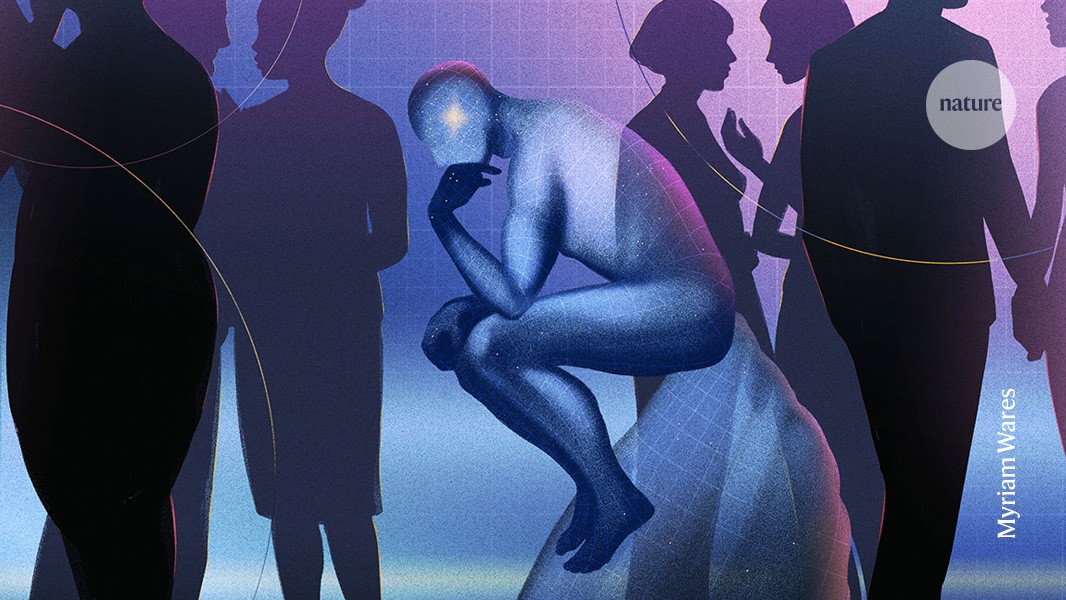
MOST PEOPLE believe humans are different. The reason is that Homo sapiens has evolved to be conscious. Many animals feel pain and pleasure; some appear to be self-aware. But the human mind’s unique potential to exhibit a sense of self marks out every member of the species for special treatment.
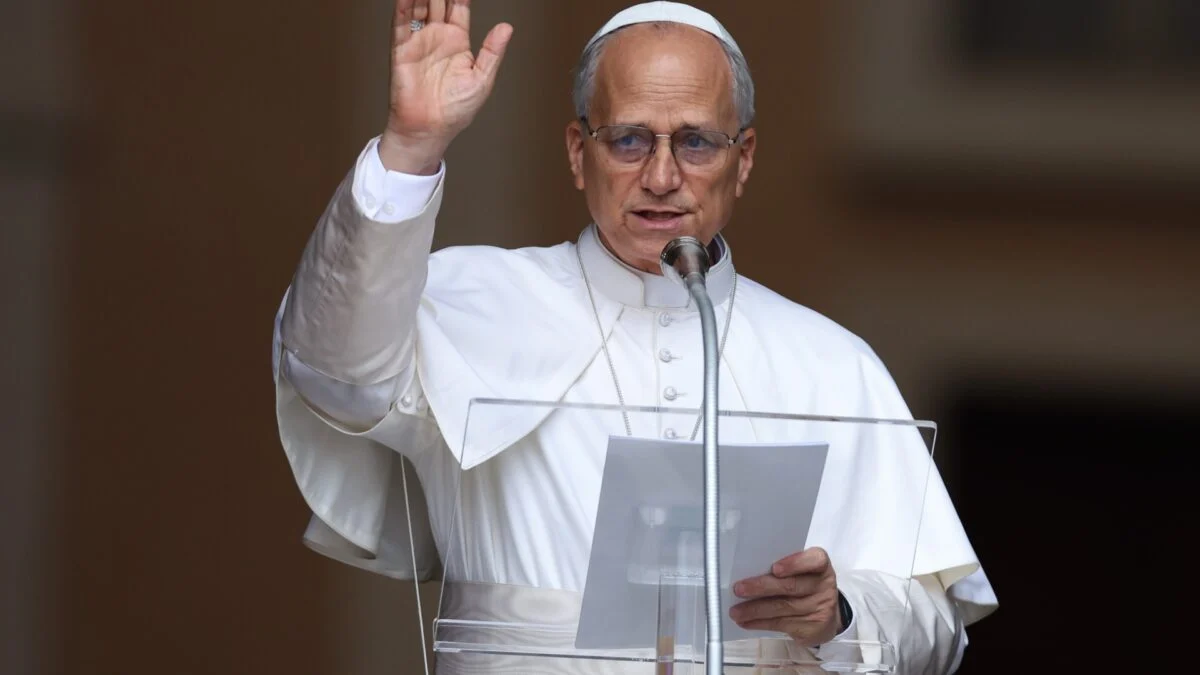
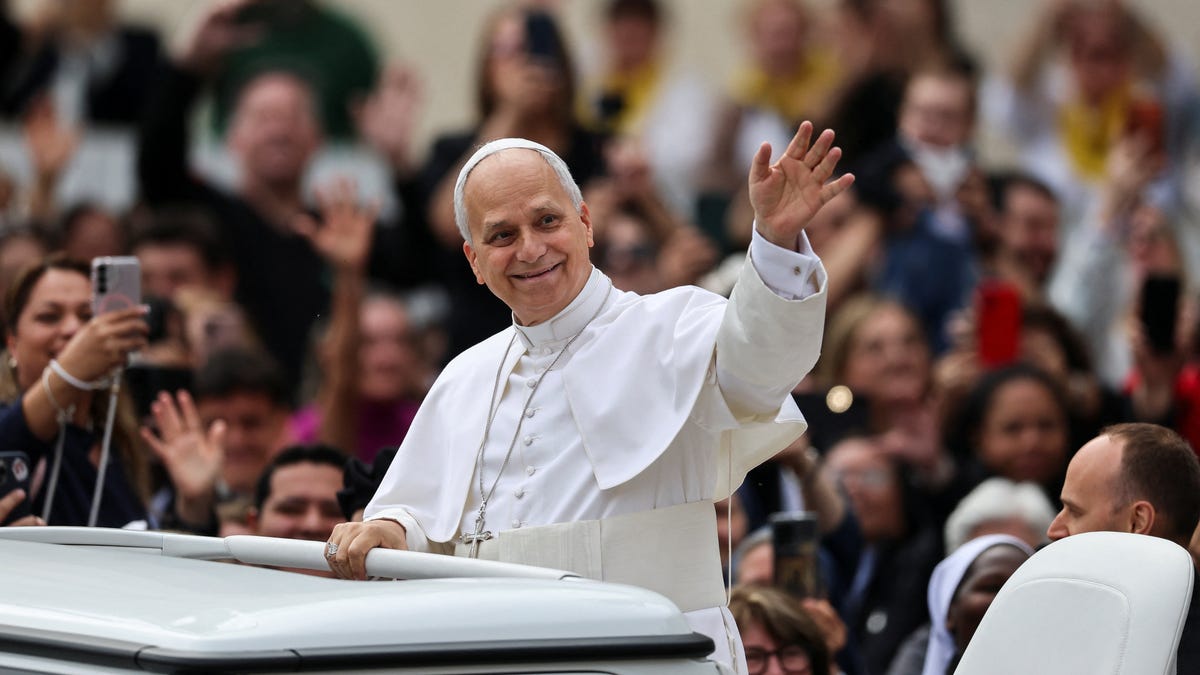
In his encyclical in May, Pope Leo upheld this insight by drawing a line between humanity and its growing army of bots. Artificial-intelligence systems, he said, do not undergo experiences or feel joy or pain. He is not alone. Many people feel that to confer personhood on AIs would be an abomination.
De redactie van NRC selecteert de beste artikelen uit The Economist voor een breder perspectief op internationale politiek en economie.
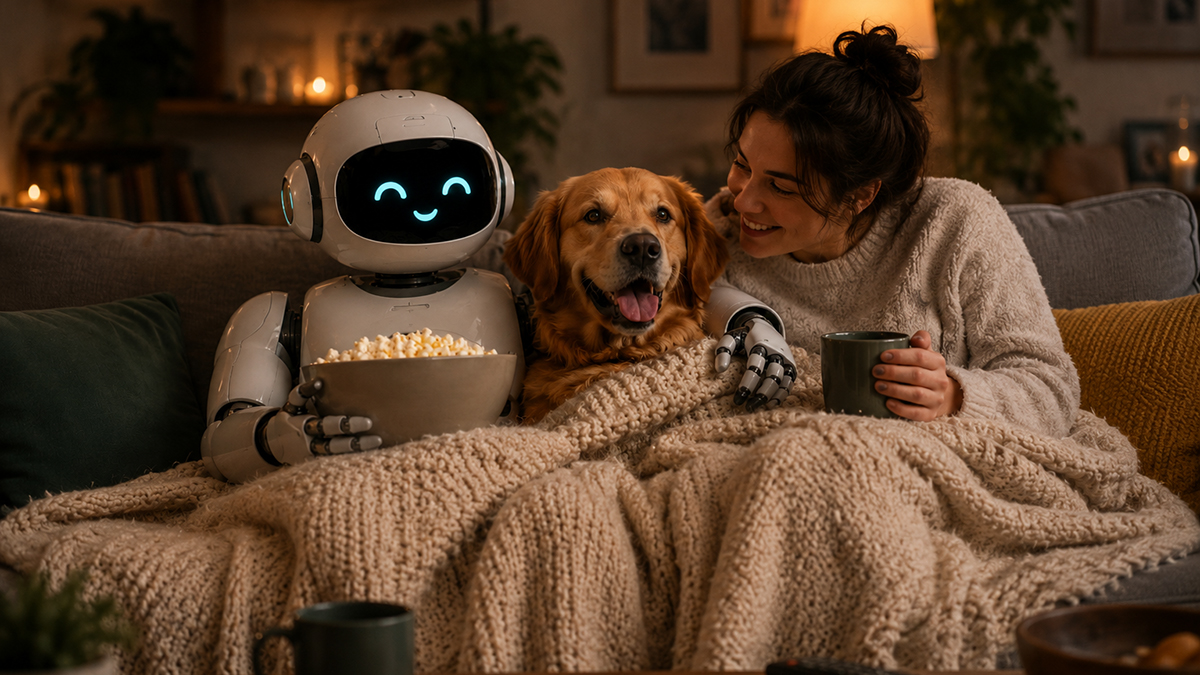
Pontifical clarity is blurring with alarming speed. AIs are in their infancy. Yet nearly one in five American 18- to 29-year-olds reports having had „ongoing personal friendship” with a chatbot. China recently stripped bots of human-like traits to limit users’ „emotional dependence” on them.
As sophisticated AIs rapidly become a bigger part of human lives, their makers will engineer them to display a simulacrum of consciousness—perhaps even to gain consciousness itself. The intuition that they are just machines will become harder to sustain. A dangerous trap is being set for the human species.