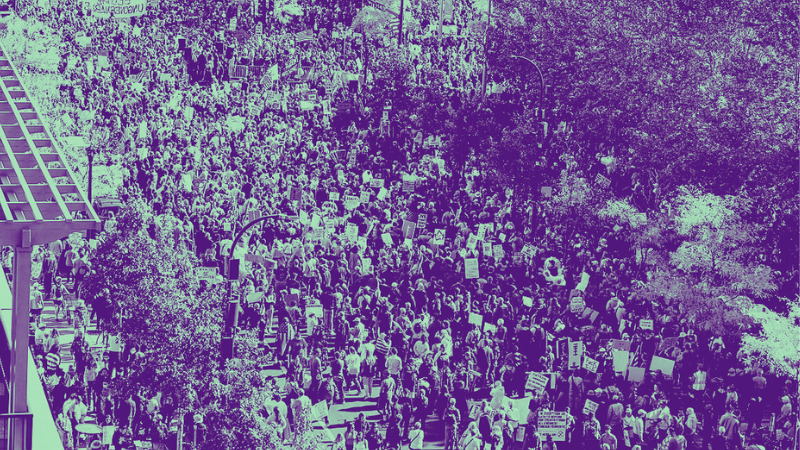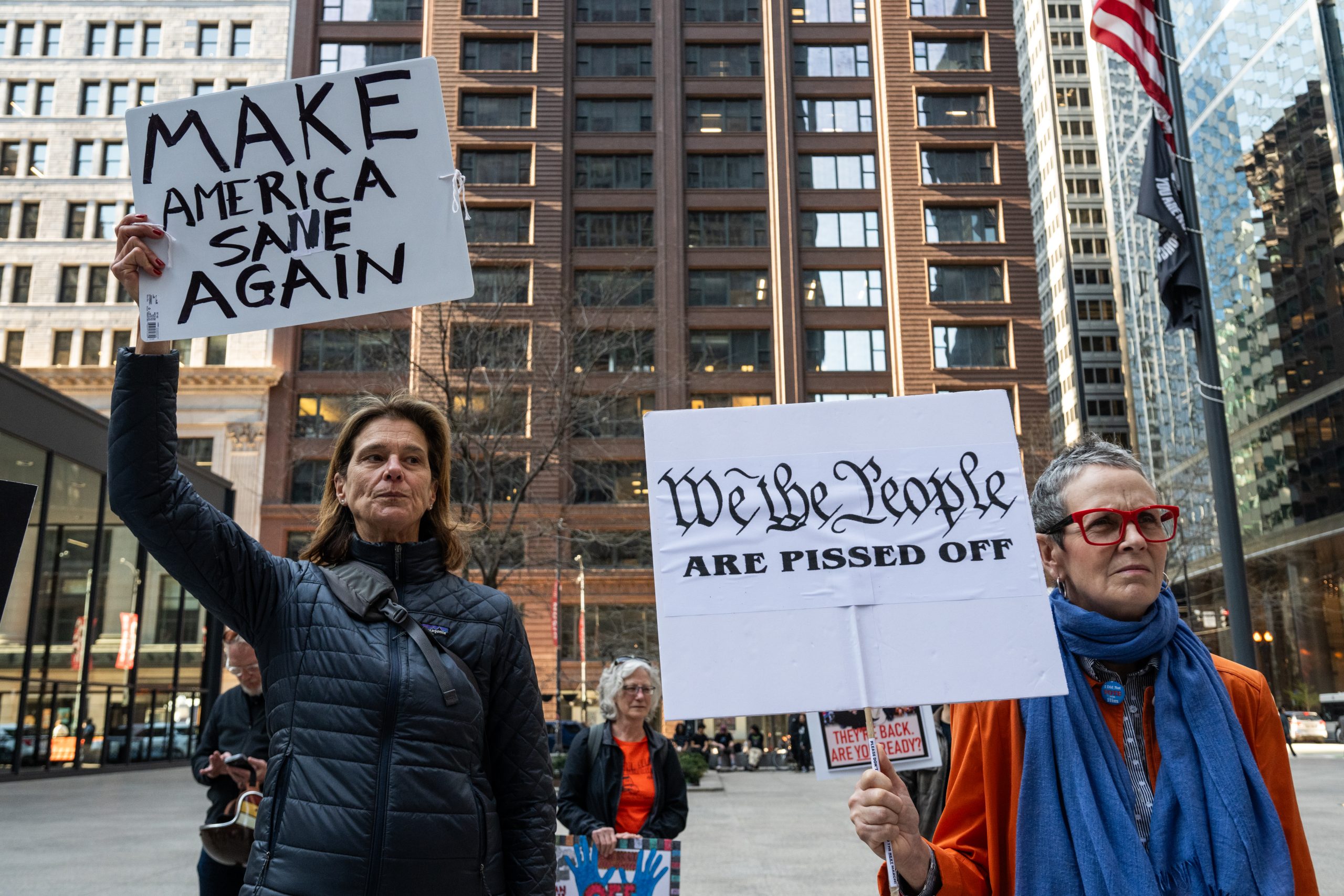
There’s a strange paradox in the world today. Citizens in countries around the world seem angrier and are voting more—but they seem unable to effect structural changes. The political scientist Anton Jager calls this “hyperpolitics,” in which political activity increases but membership of unions and political parties is declining. Jager’s new book, Hyperpolitics: Extreme Politicization Without Political Consequences, has become something of a cult favorite among Europe’s political and intellectual elites. But is hyperpolitics necessarily bad? Does it apply only to certain Western countries—Jager’s focus—or can it capture a broader global trend? On the latest episode of FP Live, I spoke with Jager about his thesis, whether movements such as the Democratic Socialists of America (DSA) could capture the broader Democratic Party, and also how societies should try to deepen political engagement.
The full video of our discussion can be accessed in the video box atop this page. There is also a free podcast version available on Apple, Spotify, YouTube, and other major platforms. What follows here is an edited and condensed transcript of our discussion.
Ravi Agrawal: So I want to start with a basic definition. What is hyperpolitics?