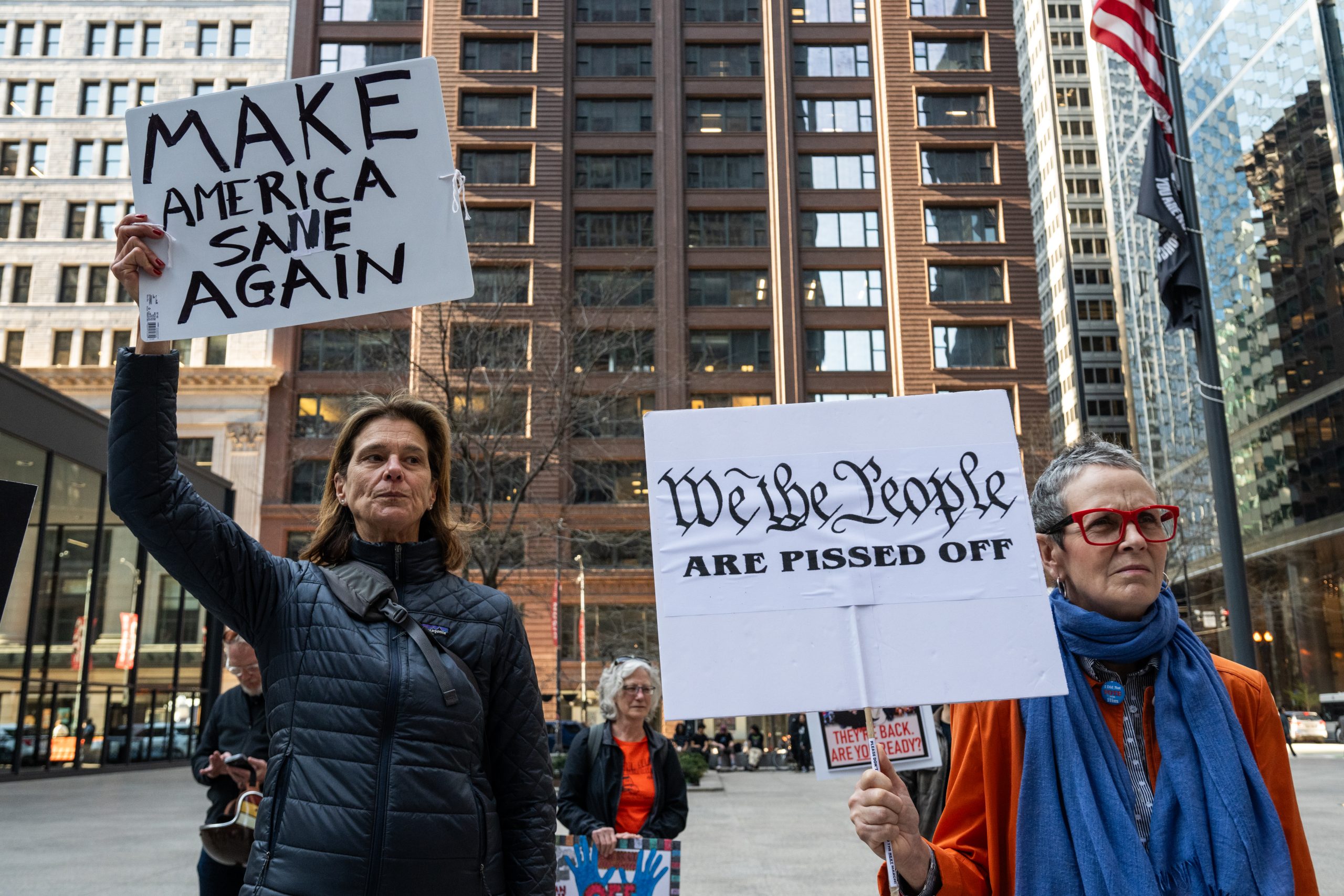
A toxic brew is shaping a world driven by anger, fear and confusion. And it is ripe for populists peddling simple solutions
Populists present deglobalisation as a solution: fewer migrants, higher tariffs, harder borders and national self-sufficiency. Yet disrupting global trade and labour flows can itself raise prices and reduce living standards. Photo: Paul Goyette, USA/CC by 2.0
A toxic brew is shaping a world driven by anger, fear and confusion. And it is ripe for populists peddling simple solutions
We are living through an age of disruption. The postwar consensus that liberal democracy, free markets and open societies were the “only game in town” has been steadily eroded by crisis after crisis.
The September 11 attacks crushed Western hopes of a post-Cold War world united by faith in liberal capitalism. The financial crash of 2008 exposed the fragility of globalisation’s economic promises. Europe’s 2015 refugee crisis revealed its social strains. Then the COVID pandemic brought globalisation to a screeching halt and reawakened the authoritarian dream of closed borders and strong states.