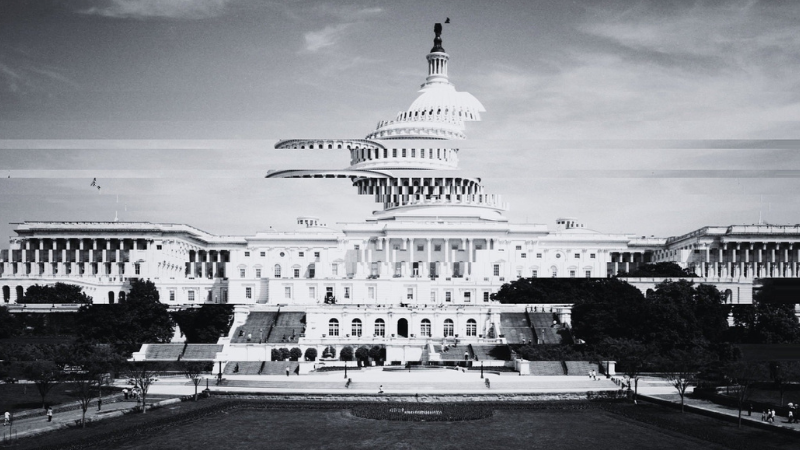
In early 2014, a pair of political scientists published a striking study on the health, or lack thereof, of American democracy. Authored by Princeton University’s Martin Gilens and Northwestern Univesity’s Benjamin Page, the study combed through decades of data to try to answer a single question: When it comes to American politics, who truly governs?Article continues after advertisement
The U.S. still had, at least for the time, all the trappings of a free and fair democracy. Elections were still routinely held, largely free from undue burdens or autocratic manipulation. American media still remained pointed and punchy, free from debilitating lawsuits or destabilizing pressures. The political opposition could still freely canvass, freely campaign, freely corral new voters into their camps. By all traditional metrics, American democracy appeared perfectly fine.
Yet as Gilens and Page discovered, that didn’t mean that the American people steered American politics. Instead, as their data laid bare, the levers of American political control remained in the hands of a group of “economically elite Americans.” This was a tiny group whose political influence stood out of all proportion to the size of their cohort—but which rose instead in direct relation to the size of their wealth. As the authors wrote, “Economic elites and organized groups representing business interests have substantial independent impacts on U.S. government policy, while mass-based interest groups and average citizens have little or no independent influence.”