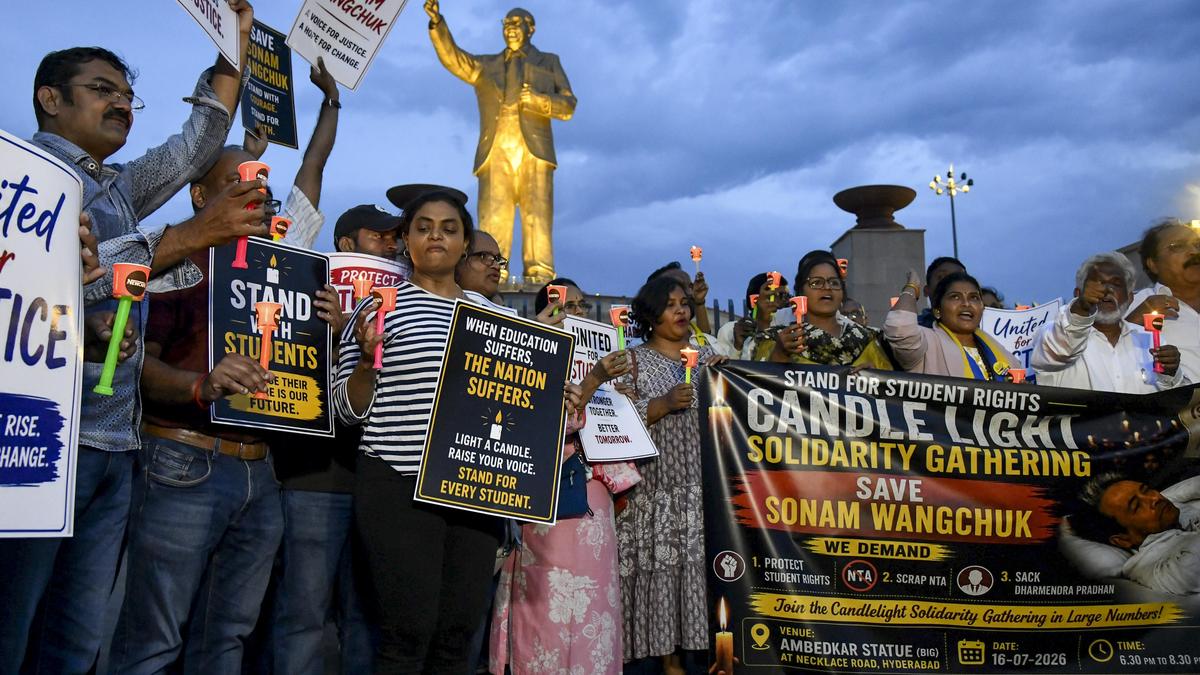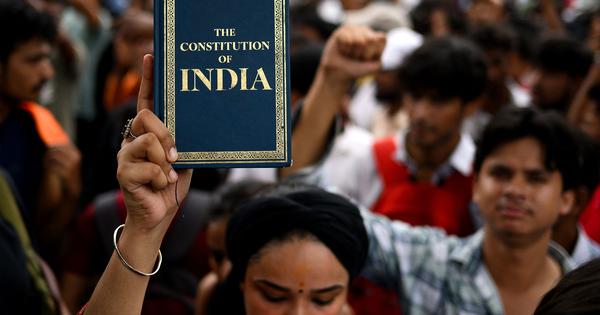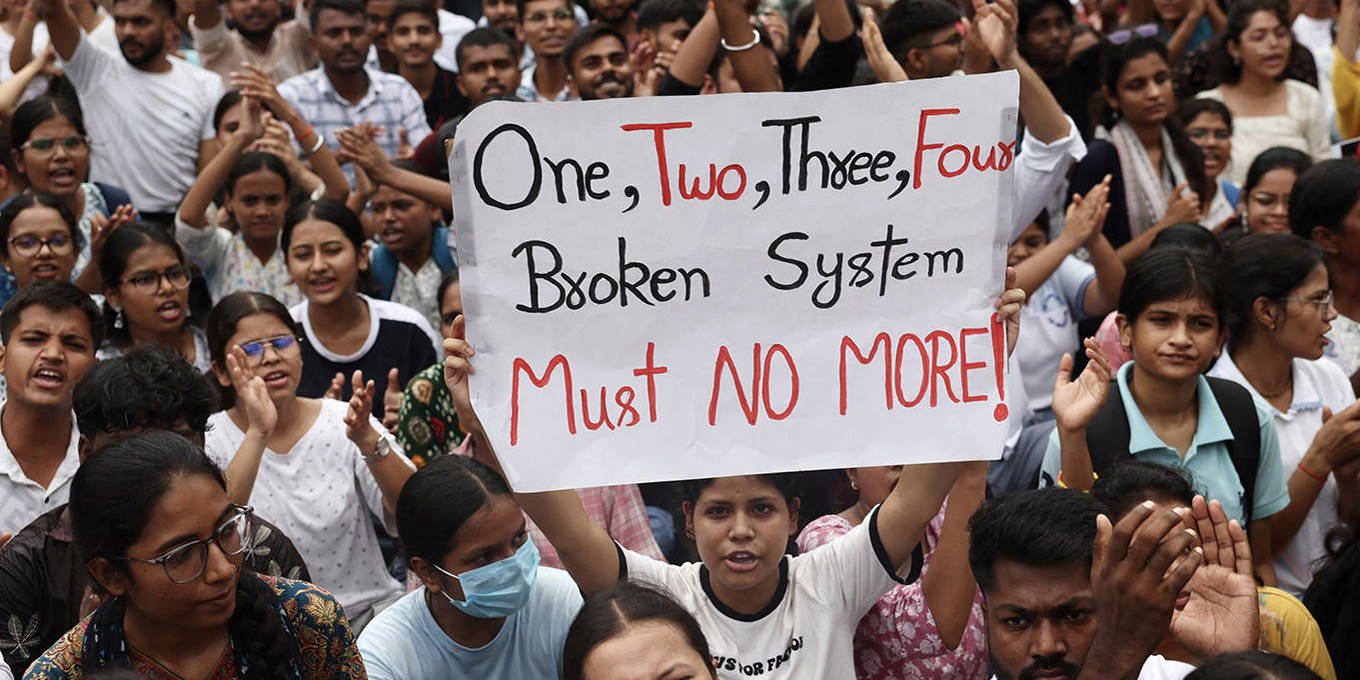
SynopsisIn India, the politicization of public spaces has a profound effect on educational institutions, turning them into arenas of ideological conflict. By removing politics from these spaces, we can encourage open discussions and innovative thinking. Maintaining neutral environments is crucial for developing effective problem-solvers rather than engaging in mere debates, highlighting the importance of creating spaces that promote civic engagement and growth.Everything is political. In India, it's especially so. From protocols at official functions and movie plotlines, to potholes to dietary dos and don'ts, everything is swiftly drafted into the service of partisan narratives. Worst affected are public spaces, especially 'ideological recruitment zones' of educational institutions. 'Political engagement' has turned far too many of them into battlegrounds of ideology. When campuses become arenas for factional rivalry, or showrooms for political loyalty, institutions incur damage - something that is unlikely to bother those whose raison d'etre is 'doing politics'.The problem is not politics itself. Debate and disagreement are vital to intellectual life of enquiry and knowledge. But when perceptions of 'campus' are hijacked by cliches of constant political scuffles in the public mind - rather than the reality that they continue to overwhelmingly function as sites of learning - institutions themselves become perceived as 'dens of politics'. Depoliticising public spaces means creating conditions where work can be conducted unimpeded by 'extraneous' matters, ideas can be tested and contested without intimidation, and business can proceed according to professional priorities rather than constant political posturing and whataboutery.Public spaces and institutions should be 'neutral commons' in its truest sense. If every institution becomes a constituency, the country will produce only fiery polemicists, not problem-solvers. To function as they are meant to, public spaces must be insulated from the constant friction of hypercompetitive, 'extra-political' politics. Otherwise, the very spaces designed to nurture citizenship will be further consumed by the very politics they are meant to transcend. ...moreElevate your knowledge and leadership skills at a cost cheaper than your daily tea.Subscribe Now
Depoliticise India's public spaces - The Economic Times
In India, the politicization of public spaces has a profound effect on educational institutions, turning them into arenas of ideological conflict. By removing politics from these spaces, we can encourage open discussions and innovative thinking. Maintaining neutral environments is crucial for developing effective problem-solvers rather than engaging in mere debates, highlighting the importance of creating spaces that promote civic engagement and growth.
326 words~1 min read