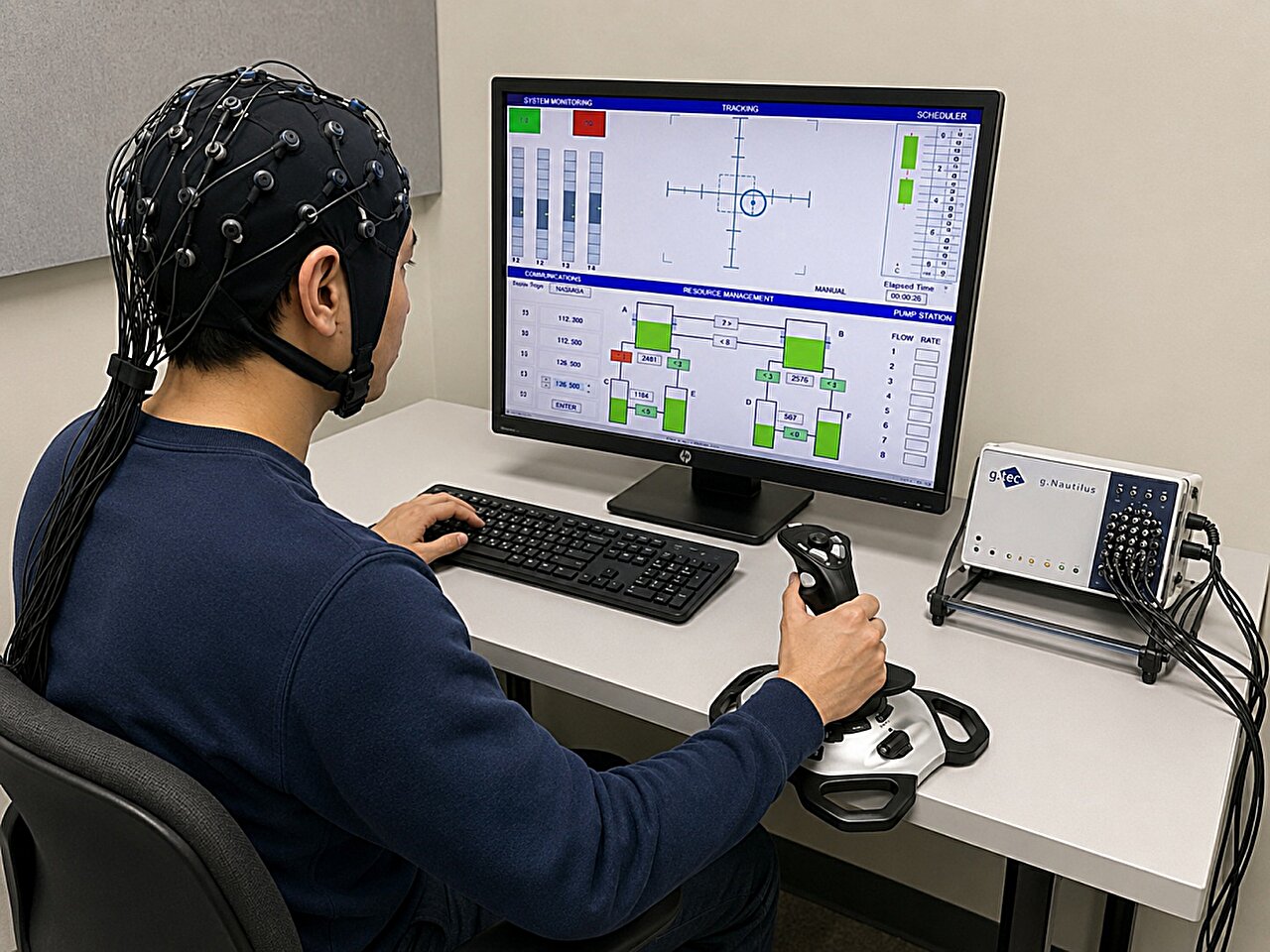
TL;DRAI boosts productivity (25% less email time, 26% more completed tasks), but MIT EEG research shows LLM-assisted writers had lower brain engagement and worse performance when the tool was removed. Dr. Vishal Kapoor calls this cognitive erosion and proposes an “AI-fed, human-led” discipline: think before prompting, don’t outsource the first question or the final decision. He argues AI adoption should be rationed by task type, especially in education and original research.
Artificial intelligence is becoming one of the fastest ways to remove friction from knowledge work. A 2025 field experiment termed Shifting Work Patterns with Generative AI involving 6,000 workers found that access to generative AI reduced time spent on email, with some users spending 25% less time on it each week. Another research study titled The Effects of Generative AI on High-Skilled Work involving 4,867 software developers found AI assistance increased completed tasks by 26.08%.
Productivity has become the easiest metric in the AI conversation because it is visible and immediately attractive to businesses. Cognitive capacity is harder to count. A faster document tells a company how quickly work was completed; it does not reveal whether the person producing it has become less capable of forming an argument without assistance.