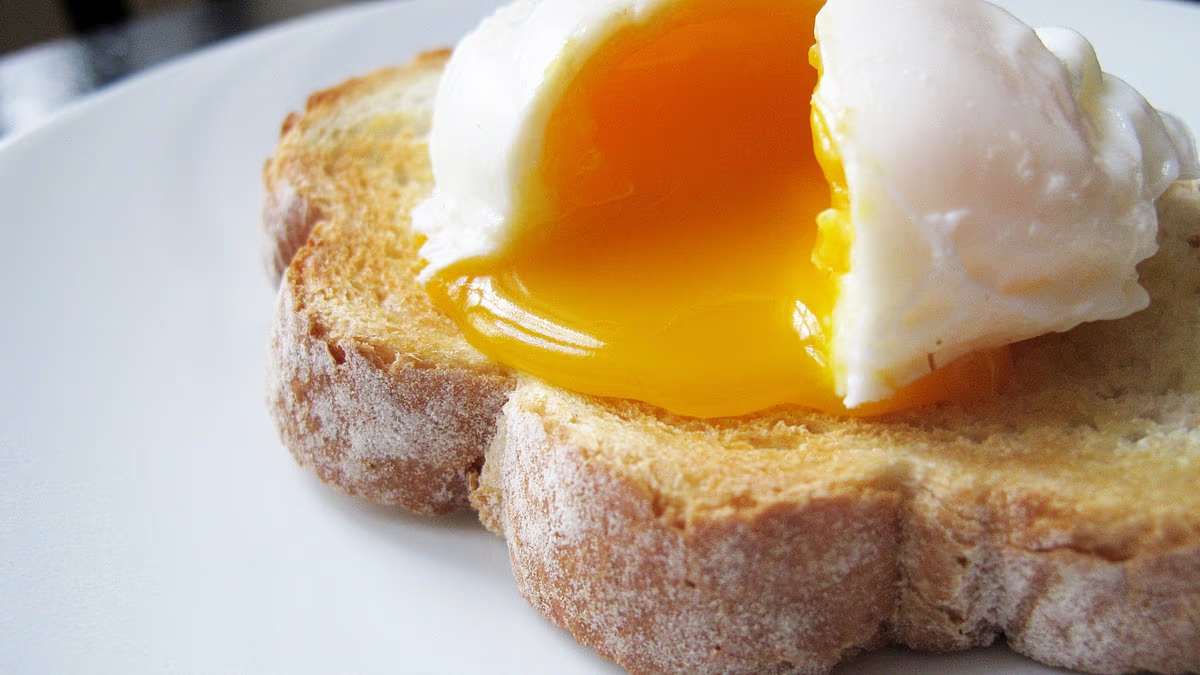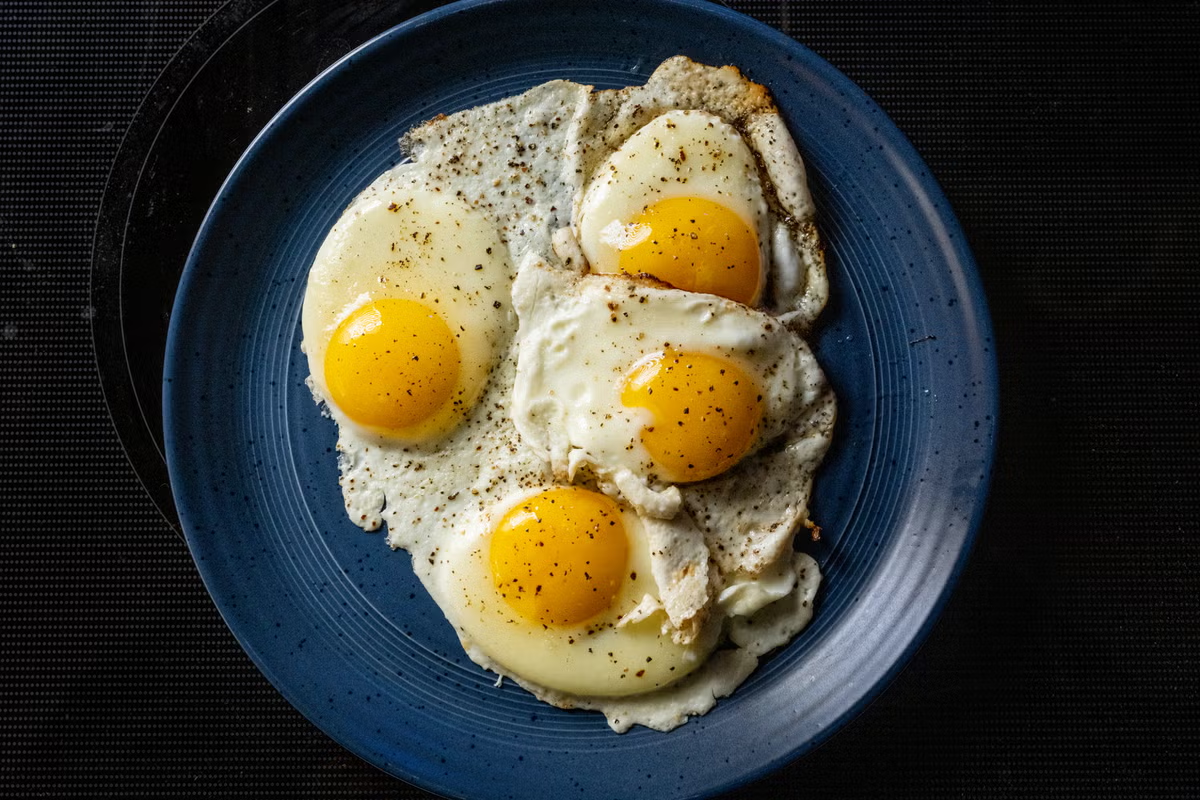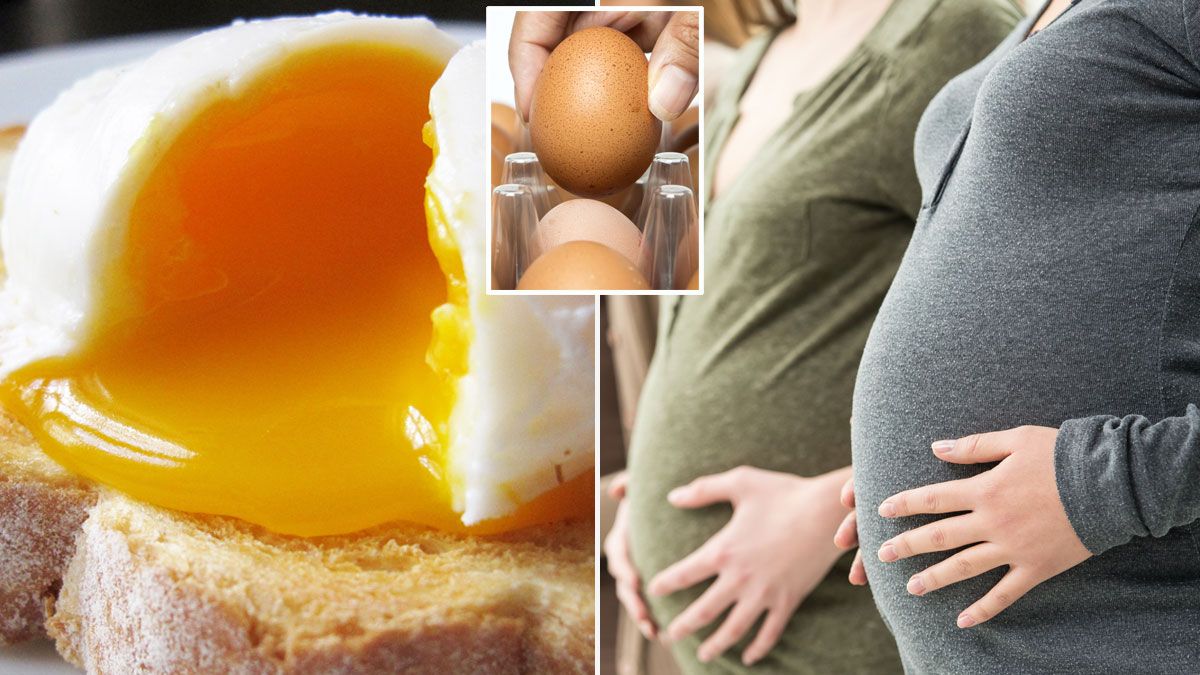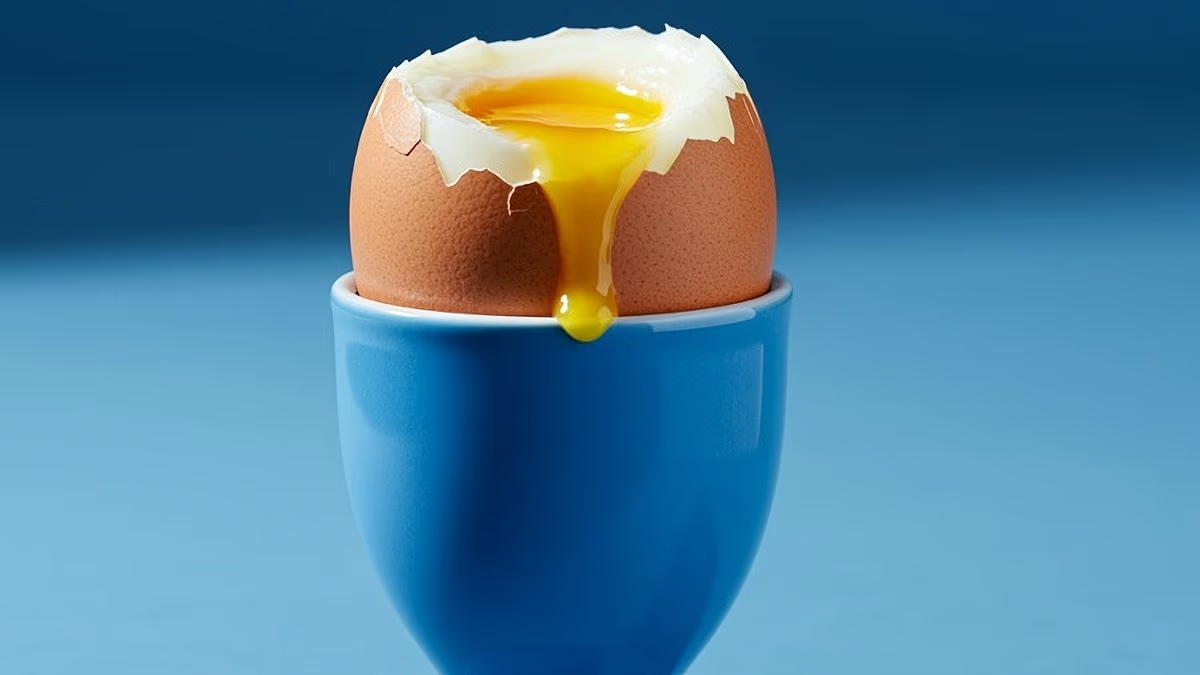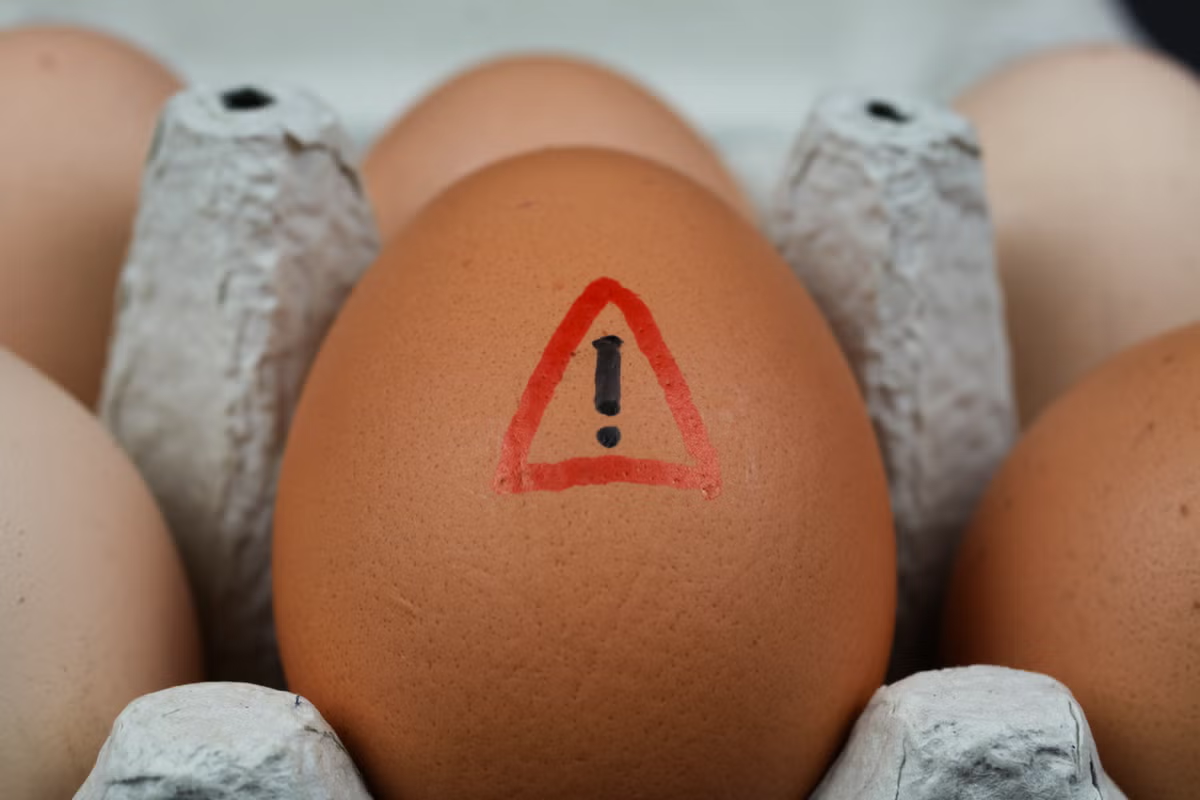
Vulnerable people in the UK, including children under five, adults over 65, pregnant women and those with existing health conditions, have been advised to avoid undercooked or runny eggs when eating at restaurants, cafes and takeaways amid a growing salmonella outbreak.The Food Standards Agency (FSA) issued the precautionary advice after the UK Health Security Agency (UKHSA) declared a national outbreak linked to more than 200 cases and one reported death. Imported eggs or food products containing imported eggs are suspected to be behind the outbreak.FSA issues warning over undercooked eggsThe FSA has advised people at higher risk of severe salmonella illness to make sure eggs and egg-containing products served outside the home are thoroughly cooked.The warning also applies to freshly prepared foods that may contain uncooked eggs, including mayonnaise, soufflé and hollandaise sauce.However, the agency said well-cooked eggs served at restaurants, cafes and takeaways are considered safe to eat.You Might Also Like:FSA chief scientific adviser Ian Young urged vulnerable groups to take particular care when eating out.Young told BBC, "If people are eating out or consuming eggs or egg-containing products from cafes and restaurants then for those people in particular who are young, elderly, pregnant or vulnerable, it's important to make sure that any eggs or egg products that you consume in those settings have been very well cooked."More than 200 cases linked to outbreakThe UK salmonella outbreak has been linked to more than 200 infections, with most cases reported in England. Genetic testing has confirmed that the infections are part of the same outbreak.Health authorities believe imported eggs or dishes prepared using them could be the source. Investigations into individual cases have also identified links to food outlets that source eggs from overseas.You Might Also Like:Ian Young described the outbreak as "unusually large and rapidly increasing" and urged people to be cautious.Are British supermarket eggs safe?The FSA has said British eggs bought from supermarkets are not linked to the current outbreak.British hens are vaccinated against common strains of salmonella, which helps reduce the risk associated with the domestic egg supply.The distinction between imported eggs used by some food businesses and British eggs sold through supermarkets is therefore an important part of the current advice.You Might Also Like:What is salmonella and how does it spread?Salmonella is a group of bacteria that can infect people through contaminated food. Eggs and poultry are among the foods commonly associated with salmonella infections.People can become infected by eating contaminated food that has not been cooked sufficiently. Cross-contamination can also occur when raw food comes into contact with cooked food or other ready-to-eat products.Contact with infected animals can also result in infection.What are the symptoms of salmonella?Common symptoms of salmonella infection include:DiarrhoeaStomach crampsVomitingFeverMost people recover without needing specific medical treatment. However, salmonella can cause more serious illness in young children, older adults and people with weakened immune systems or other health conditions.Severe cases may require hospital treatment, including fluids and, in some circumstances, antibiotics.Pregnant women are also included among the groups advised to take extra precautions when consuming eggs or foods that may contain raw or undercooked eggs.Why the UK outbreak is being investigatedThe genetic similarity between infections has allowed health authorities to establish that the cases are connected to the same outbreak. Investigators are continuing to work to identify the precise source and determine how contaminated eggs or egg-containing products may have reached consumers.The FSA and UKHSA are monitoring the situation and may update their advice as the investigation develops.For people in vulnerable groups, the current advice is straightforward: when eating out, choose eggs that have been thoroughly cooked and avoid freshly prepared foods that may contain raw or undercooked eggs.You Might Also Like:Anyone who develops symptoms or is concerned about possible salmonella exposure should seek medical advice from their GP or an out-of-hours medical service.
UK food agency warns against runny eggs amid salmonella outbreak; these people should avoid mayonnaise, soufflé and hollandaise sauce too
In light of a concerning salmonella outbreak affecting over 200 people in the UK, vulnerable populations are urged to steer clear of undercooked eggs when eating out. Authorities suspect imported eggs or products are responsible for this spread, while British supermarket eggs remain unaffected. Health officials are diligently tracking the outbreak's origin and assessing the ongoing developments.
632 words~3 min read